Table of Contents >> Show >> Hide
- What makes a migraine different from a regular headache?
- What causes migraines in children?
- Symptoms of migraines in children
- How long do migraines in children last?
- When is it time to worry?
- How are migraines in children diagnosed?
- What helps a child feel better?
- Why migraines can hit school life so hard
- Common real-life experiences children and parents describe
- Conclusion
Note: This article is for general informational purposes only and is not a substitute for medical advice, diagnosis, or treatment from a licensed healthcare professional.
A kid with a migraine does not just have “a bad headache.” They may have throbbing pain, nausea, light sensitivity, mood changes, stomach complaints, dizziness, or the urgent desire to hide in a dark room like a tiny vampire avoiding daylight. In other words, pediatric migraine can be dramatic, disruptive, and very real.
The tricky part is that migraines in children do not always look exactly like migraines in adults. A child may feel pain on both sides of the head instead of one. The attack may be shorter. They may complain more about belly pain, fatigue, or “I just feel weird” than about textbook headache symptoms. That is one reason parents sometimes mistake migraines for dehydration, stress, screen overload, or plain old crankiness.
The good news is that childhood migraines are common, recognizable, and manageable. Once families understand the usual causes, symptoms, timing, and triggers, they are much better equipped to help a child recover faster and avoid repeat attacks. Let’s break down what pediatric migraines really look like, why they happen, and how long they usually stick around before finally packing their bags.
What makes a migraine different from a regular headache?
A migraine is a neurologic condition, not just a pain problem. Yes, head pain is usually the star of the show, but it often brings backup dancers: nausea, vomiting, light sensitivity, sound sensitivity, dizziness, visual changes, fatigue, and trouble focusing.
In children, migraine pain is often described as throbbing, pounding, or pulsing. It can show up in the front of the head, on both sides, or sometimes all over. Physical activity often makes it worse, which is why a child who was bouncing off the walls thirty minutes earlier may suddenly want to lie down in silence and negotiate with nobody.
Another clue is the pattern. Migraines tend to recur. They may be tied to sleep changes, skipped meals, dehydration, stress, weather shifts, hormones, or certain foods. A random headache after a long hot soccer practice is one thing. A repeated pattern of headaches with nausea and light sensitivity is another story.
What causes migraines in children?
Experts do not think migraines come from one single cause. Instead, they seem to happen when genetics, brain chemistry, nerve signaling, and outside triggers all decide to throw a party at the same time. Unfortunately, your child did not ask to be invited.
1. Family history
Migraines often run in families. If one parent gets migraines, a child’s odds go up. If both parents have them, the family tree starts looking less like a tree and more like a flashing neon headache sign. This genetic link is one of the biggest reasons some children are simply more prone to migraines than others.
2. Brain and nerve signaling
Doctors believe migraines involve changes in nerve pathways and brain chemicals. Serotonin and other signaling systems appear to play a role. That does not mean families need to become amateur neuroscientists at the dinner table, but it does explain why migraine is considered a neurologic condition and not just “stress in your head.”
3. Lifestyle triggers
For many children, the real-world triggers are easier to spot than the biology. Common migraine triggers include:
- Too little sleep or an irregular sleep schedule
- Skipping meals, especially breakfast
- Dehydration
- Stress from school, sports, social issues, or overscheduling
- Too much screen time without breaks
- Weather changes, glare, bright lights, or strong smells
- Hormonal changes in adolescents
- Caffeine or certain foods in some children
Not every child has the same triggers. One kid may get a migraine after missing lunch. Another may get one after a sleepover, a marching band event, or an afternoon of sun, sweat, and three sips of water total. That is why a headache diary can be such a useful detective tool.
4. Food and drink factors
Some children are sensitive to certain foods or additives. Common suspects include aged cheeses, processed meats with nitrates, MSG, artificial sweeteners, chocolate, caffeine, and heavily processed snacks. But here is the important part: food triggers are individual. There is no magical universal “migraine food blacklist” that applies to every child on Earth.
Symptoms of migraines in children
Childhood migraines can be sneaky. Some symptoms are classic, while others are easy to miss if you are expecting the adult version of migraine. Common symptoms include:
- Throbbing or pounding headache pain
- Pain on one side or both sides of the head
- Nausea or vomiting
- Sensitivity to light
- Sensitivity to sound
- Dizziness or lightheadedness
- Difficulty concentrating
- Fatigue or unusual irritability
- Abdominal pain or stomach upset
- Mood changes before or after the headache
Some children also experience an aura. This is a warning phase that can happen before the headache starts. Aura symptoms may include seeing flashing lights, zig-zag lines, blind spots, blurry vision, numbness, tingling, confusion, or difficulty speaking. It can be scary the first time it happens, especially if the child thinks their eyeballs have suddenly joined a special effects team.
Very young children may not say, “I am having a migraine.” They may just look pale, cry, stop playing, become clingy, go quiet, or ask to lie down. Sometimes the behavior change is the clue before the child can describe the pain.
How long do migraines in children last?
This is the big question for worried parents, teachers, and anyone who has ever heard a child say, “My head hurts,” at 7:12 a.m. on a school day.
The honest answer is: it depends. Pediatric migraines can be shorter than adult migraines, but many still last for hours. In general, the headache phase may last anywhere from about 2 hours to 72 hours depending on the child, the source used, and whether treatment starts early. Some pediatric resources describe attacks lasting 30 minutes to several hours, while others note severe attacks can last a few days.
It helps to think of migraine as a process rather than one single moment:
Prodrome: hours to days before
Some children feel “off” before the headache begins. They may be tired, yawny, moody, or less focused. Parents sometimes notice the child is unusually quiet or irritable before the pain even starts.
Aura: 5 minutes to 1 hour in many cases
If aura occurs, it often happens shortly before the headache. Visual symptoms are the most common, but sensory or speech changes can also happen.
Headache attack: often hours, sometimes up to a few days
This is when the throbbing pain, nausea, light sensitivity, and other symptoms peak. In children, the attack may be shorter than in adults, but it can still be intense enough to derail school, sports, and normal life.
Postdrome: hours to 1 or 2 days after
After the pain fades, a child may still feel drained, foggy, low-energy, or extra emotional. This “migraine hangover” can make a child look better on the outside while still feeling lousy on the inside.
So when parents ask, “How long does a child’s migraine last?” the most practical answer is this: the worst pain often lasts a few hours, but the full episode can stretch across a day or more once you include the lead-up and the recovery.
When is it time to worry?
Most childhood headaches are not dangerous, and most migraines are not life-threatening. Still, some symptoms should never be brushed off with a casual “drink water and see what happens.” Call a doctor promptly or seek urgent care if a child’s headache:
- Wakes them from sleep or comes with vomiting during the night
- Is getting worse or happening more often
- Starts after a head injury
- Comes with fever and neck stiffness
- Comes with confusion, weakness, seizure, or trouble walking
- Includes major vision changes or double vision
- Begins suddenly and is extremely severe within seconds
- Changes the child’s behavior or personality in a concerning way
Those are red-flag symptoms. They do not automatically mean something terrible is happening, but they do mean the situation deserves medical attention instead of household guesswork.
How are migraines in children diagnosed?
Diagnosis usually starts with a detailed history and a physical and neurologic exam. In many children, that is enough. Doctors often diagnose migraine based on the pattern of symptoms rather than a single scan or lab test.
A headache diary can be surprisingly useful. Families can track:
- When the headache started
- How long it lasted
- Where the pain was
- What symptoms came with it
- What the child ate and drank
- How much sleep they got
- Whether stress, exercise, illness, or screen time played a role
- What helped and what did not
Tests like MRI, CT, or blood work are not needed for every child with migraines. They are usually reserved for cases where symptoms, exam findings, or the overall pattern suggest something else could be going on.
What helps a child feel better?
The treatment plan depends on how often migraines happen and how disruptive they are, but some basics show up again and again because they actually work.
Treat the attack early
Children often do better when treatment starts at the first sign of migraine instead of waiting until the pain turns into a full-blown monster. Doctors commonly recommend ibuprofen as a first-line option for many children, with other medicines considered depending on age and severity. The exact medication plan should come from the child’s healthcare provider.
Create a low-drama recovery zone
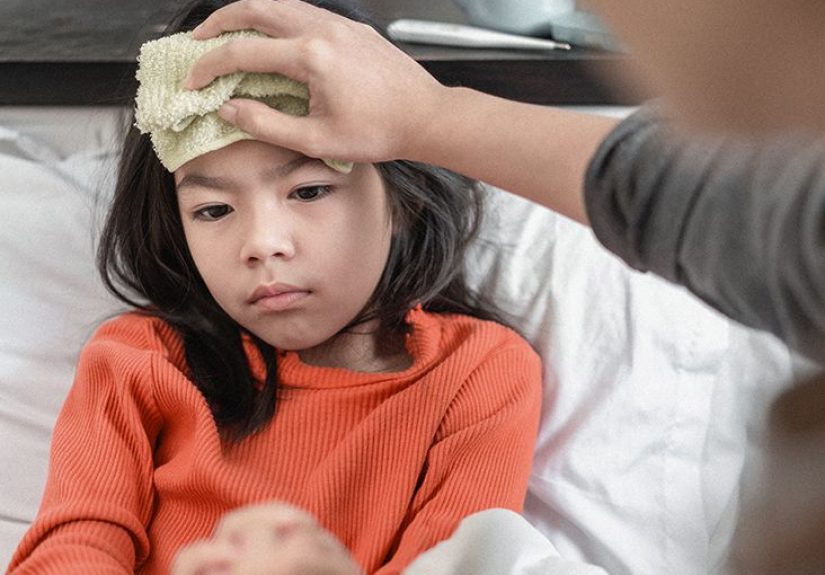
A dark, quiet room can help. So can lying down, sleeping, drinking fluids, and using a cool compress if the child finds it soothing. This is not the time for bright lights, noisy siblings, or inspirational speeches about powering through.
Fix the habits that fuel migraines
Many pediatric specialists focus on basics first because basics are powerful:
- Consistent sleep
- Regular meals
- Hydration
- Routine physical activity
- Stress management
- Trigger awareness
These lifestyle steps sound simple, but they matter. A child living on erratic sleep, skipped breakfast, low water intake, and high school stress is basically giving migraines a VIP pass.
Avoid medication overuse
Using pain medicine too often can backfire and make headaches more frequent. If a child is needing medication regularly every week, it is time to check back with the pediatrician instead of winging it indefinitely from the medicine cabinet.
Why migraines can hit school life so hard
Migraines do not just hurt. They interrupt. A child may miss class, struggle to focus, avoid sports, become anxious about the next attack, or fall behind in schoolwork. Even when the pain is gone, the postdrome can leave them tired and foggy. That is why migraines can affect quality of life far beyond the headache itself.
School-year routines can also make things worse. Earlier wake times, packed schedules, stress, skipped lunches, dehydration, and constant screens can all pile on. Sometimes the migraine is not caused by school exactly, but school definitely knows how to roll out the red carpet for one.
Common real-life experiences children and parents describe
The following examples are composite, realistic scenarios based on common pediatric migraine patterns described by children’s hospitals and pediatric experts. They are not individual medical case reports, but they may sound very familiar to families living with migraines.
One common experience starts on a school morning. A child wakes up already tired because they went to bed late, skipped breakfast because they were rushing, and drank almost no water before homeroom. By midmorning, they tell the school nurse that their stomach hurts and the classroom lights feel “too bright.” An hour later, the headache arrives. This kind of episode can confuse adults because the child complains about nausea or belly pain before mentioning head pain. But in pediatric migraine, that sequence is not unusual at all.
Another child seems perfectly fine during the week but gets migraines after exciting events: sleepovers, birthday parties, tournaments, or family trips. Parents sometimes assume the trigger was cake or noise alone, but the real problem is often the combination of late bedtime, dehydration, missed meals, overstimulation, and a changed routine. Migraine loves a pileup. It rarely needs just one excuse.
Many parents also describe the “mystery meltdown” phase before they realize it is part of migraine. Their child becomes unusually emotional, clingy, angry, or quiet a few hours before the headache starts. At first, it looks behavioral. Later, the pattern becomes obvious: the mood shift is actually the warning sign. Once families notice it, they can sometimes act earlier with hydration, food, rest, and medication if prescribed.
Teens often have a different experience. They may try to tough it out through class, sports, or activities because they do not want to miss out or seem dramatic. Then the migraine worsens, and they end up much sicker by the afternoon. Many adolescents learn the hard way that early treatment matters. Waiting until the pain becomes severe is a bit like spotting smoke in the kitchen and deciding to ignore it until the fire alarm joins the conversation.
Children with aura often describe it in creative ways. Some say they see sparkles, squiggles, blurry patches, or “missing spots” in their vision. Others say their hand feels funny, their speech sounds strange, or they feel confused for a short time before the pain hits. For parents, that first aura can be terrifying. For the child, it can feel even stranger. But once a doctor confirms the diagnosis, families often feel calmer because the symptoms finally make sense.
One of the most helpful experiences families report is keeping a headache diary. It sounds boring, and frankly, it is not exactly thrilling entertainment. But it often reveals patterns nobody noticed before: headaches after skipped lunch, after band practice in the heat, after too much weekend screen time, or during periods of heavy academic stress. A diary turns migraine from a random household villain into something more predictable and manageable.
Parents also frequently notice that recovery takes longer than outsiders expect. A child may look better after a nap and stop vomiting, but still feel wiped out, emotional, and unfocused for the rest of the day or even the next morning. That lingering exhaustion is one reason migraines can affect school attendance and performance even when the “headache part” seems over.
Perhaps the most reassuring experience families share is this: once they understand the child’s triggers and treatment plan, migraines usually become less mysterious and less chaotic. They may not disappear overnight, but the household often moves from panic to preparation. And that is a big win.
Conclusion
Migraines in children are common, disruptive, and often misunderstood. They are not just regular headaches with extra drama. Pediatric migraines can involve throbbing pain, nausea, vomiting, light and sound sensitivity, dizziness, belly symptoms, fatigue, mood changes, and aura. They are often influenced by genetics, sleep habits, hydration, meals, stress, hormones, and environmental triggers.
As for duration, childhood migraines may be shorter than adult migraines, but they still usually last for hours and can stretch across a day or more when you include the warning phase and the recovery period. The most painful part may last a few hours, but the full experience can linger.
The best next step is not guessing. It is pattern tracking, early treatment, smart daily habits, and medical guidance when headaches are frequent, severe, or unusual. Once families recognize what childhood migraines really look like, they are much better prepared to help kids recover faster and live with fewer miserable surprises.