Table of Contents >> Show >> Hide
- The One-Year Extension: What Actually Happened
- Why Trump Is Part of the Story
- The 2025 Suspension Changed the Stakes
- Did Trump Make Kimmel More Valuable?
- But Let’s Not Pretend Trump Signed the Contract
- The Colbert Factor and the Fragile State of Late Night
- Why the “Blame Trump” Argument Works as a Joke
- Why ABC May Have Preferred Stability
- What This Means for Kimmel’s Future
- Experiences and Observations: Why This Story Feels Bigger Than One Host
- Conclusion
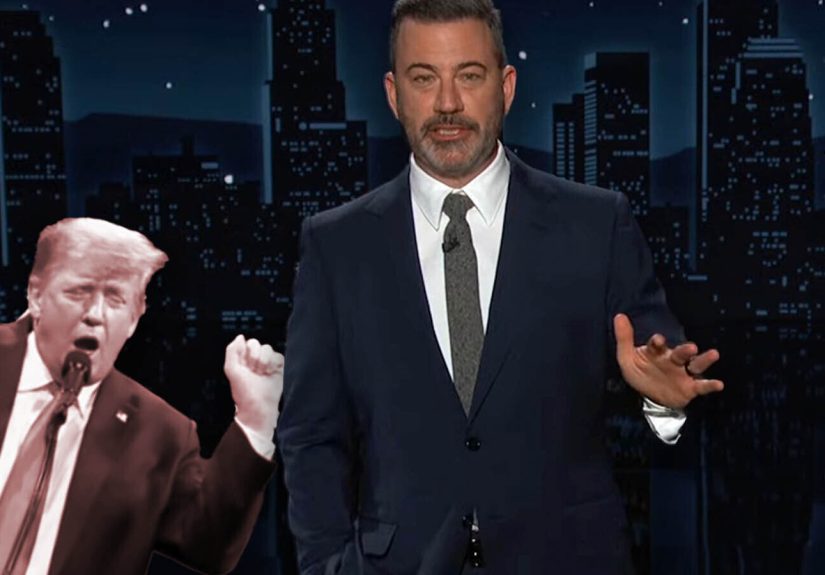
In the strange carnival of American late-night television, few questions are as oddly entertaining as this one: Do we have Donald Trump to blame for one more year of Jimmy Kimmel? It sounds like a punchline Jimmy Kimmel himself would toss into a monologue right before cutting to a clip of Trump saying something that makes the audience gasp, laugh, and check whether their television needs a firmware update.
But behind the joke is a real media story. Jimmy Kimmel has extended his deal with ABC for one more year, keeping Jimmy Kimmel Live! on the network through May 2027. That would be a normal Hollywood contract update if the last year had been normal. It was not. Kimmel’s show was briefly suspended in 2025 after controversial remarks about the killing of conservative activist Charlie Kirk. The suspension triggered affiliate preemptions, political backlash, viewer outrage, questions about free speech, and renewed scrutiny of the Federal Communications Commission. Trump, never one to let a late-night feud age quietly in the refrigerator, repeatedly criticized Kimmel and called for ABC to move on from him.
So, did Trump accidentally help Kimmel stay on the air? The clean answer is: not entirely, but he may have helped turn Kimmel’s renewal into a statement. If television is partly about ratings, partly about brand identity, and partly about proving you will not be pushed around, Trump’s public attacks arguably made Kimmel more valuable to ABC than a quiet, controversy-free host would have been.
The One-Year Extension: What Actually Happened
ABC and Disney extended Jimmy Kimmel’s contract for one additional year, taking the show through May 2027. His previous deal was set to expire in May 2026, which had already created speculation about whether he might retire, step back, or decide he had finally told every Matt Damon joke legally available under American comedy law.
The extension is shorter than some of Kimmel’s previous deals. In 2022, he signed a three-year extension that kept him with ABC through the show’s 23rd season. A one-year renewal suggests caution on both sides. Kimmel is no longer the new kid in late night. He has hosted Jimmy Kimmel Live! since 2003, making him one of the longest-running personalities in modern network television. ABC, meanwhile, is operating in a late-night market where ratings are thinner, ad dollars are more complicated, and viral clips often matter as much as overnight Nielsen numbers.
Still, the timing is what makes the renewal news so loaded. Kimmel’s extension came after a year in which his show became a flashpoint in the national argument over satire, politics, corporate power, and whether government officials should be anywhere near the remote control.
Why Trump Is Part of the Story
Donald Trump has been a recurring subject of late-night comedy for years, but his relationship with Kimmel has been especially combustible. Kimmel has often made Trump a central target of his monologues, mocking everything from speeches and court battles to media comments and political rallies. Trump, in return, has attacked Kimmel’s talent, ratings, and future at ABC.
That back-and-forth matters because television executives do not make renewal decisions in a vacuum. They look at ratings, costs, advertiser comfort, affiliate relationships, streaming value, brand reputation, public pressure, and whether a show still feels culturally relevant. Trump’s criticism may not have been the legal cause of Kimmel’s extension, but it helped keep Kimmel at the center of the conversation. In media, being at the center of the conversation is not everything, but it is a lot. Ask anyone who has ever tried to make a viral clip out of a celebrity cooking segment and a nervous studio audience.
The irony is delicious enough to deserve its own craft services table. If Trump wanted Kimmel off ABC, repeatedly attacking him may have strengthened the argument that Kimmel still matters. A comedian criticized by a sitting president becomes more than a comedian. He becomes a symbol, a rallying point, andmost importantly for network televisiona reason for viewers to tune in just to see what happens next.
The 2025 Suspension Changed the Stakes
The controversy around Kimmel’s 2025 suspension is essential to understanding the extension. ABC temporarily pulled Jimmy Kimmel Live! after Kimmel made comments about political reactions to Charlie Kirk’s killing. The remarks drew criticism from conservatives, ABC affiliates, and FCC Chair Brendan Carr. Nexstar and Sinclair, two major station groups with ABC affiliates, preempted the show in several markets. For several days, Kimmel’s future looked uncertain.
Then the backlash moved in the other direction. Critics of the suspension argued that ABC had bowed to political pressure. Supporters of Kimmel framed the moment as a free speech issue. Other late-night hosts weighed in. Viewers debated whether Disney had made a business decision, a political decision, or the corporate equivalent of stepping on a rake in front of shareholders.
When Kimmel returned, the audience response was huge. His comeback episode drew unusually high viewership, partly because controversy is still television’s oldest promotional strategy, even when nobody admits that at the meeting. People watched because they supported him, disliked him, were curious, or simply wanted to witness the next chapter. That matters. In a fragmented media world, very few late-night moments feel like national events anymore. Kimmel’s return did.
Did Trump Make Kimmel More Valuable?
From a business perspective, Trump may have helped Kimmel in three ways.
1. He Kept Kimmel Politically Relevant
Late-night shows compete not just with each other, but with TikTok, YouTube, podcasts, streaming dramas, gaming, and the universal human desire to fall asleep while scrolling on a phone. Relevance is hard to maintain. Trump’s attacks gave Kimmel a recurring storyline: comedian versus president. That is simple, dramatic, and easy for audiences to understand.
2. He Turned a Contract Into a Cultural Signal
Without the political drama, Kimmel’s renewal might have been a standard entertainment headline. With Trump in the mix, the extension reads differently. It can be interpreted as ABC saying it still values Kimmel’s voice, even after controversy. Whether that was Disney’s intended message or not, the optics are powerful.
3. He Gave Kimmel Fresh Material
Comedians need targets, and Trump provides material with the reliability of a vending machine that only sells chaos. Kimmel’s brand is partly built on political satire, celebrity interviews, viral comedy bits, and emotional sincerity. Trump helps fuel the political side of that machine. For viewers who like anti-Trump late-night comedy, Kimmel remains a familiar destination.
But Let’s Not Pretend Trump Signed the Contract
Here is where the headline needs a reality check. Trump did not sign Kimmel’s contract. Disney and ABC did. Reports indicated that the extension had been agreed upon before it was publicly announced. That means the decision was not simply a spur-of-the-moment corporate clapback to Trump.
Also, Kimmel has value beyond politics. He is a proven host with decades of experience, strong celebrity relationships, a recognizable brand, and a long archive of viral segments. His show has delivered major moments outside partisan politics, including emotional monologues about health care, recurring comedy bits, awards-season visibility, and interviews that travel well online.
ABC also has practical reasons to keep him. Replacing a late-night host is expensive, risky, and culturally messy. Launching a new show in the current media environment is like opening a restaurant in a hurricane and hoping the soup photographs well. A known host with loyal viewers, a built-in production rhythm, and national recognition is still valuable, even if the late-night business is not what it was twenty years ago.
The Colbert Factor and the Fragile State of Late Night
Kimmel’s extension also lands in a broader late-night shake-up. CBS ended The Late Show with Stephen Colbert, a decision that fueled debate because Colbert had been one of Trump’s sharpest critics and one of the most visible political voices in late night. CBS cited financial reasons, but critics questioned whether political pressure and corporate dealmaking played a role.
That made Kimmel’s renewal feel even more significant. If Colbert’s exit represented the shrinking of traditional political late night, Kimmel’s extra year looked like a small but noticeable counterpoint. It suggested that at least one major network was not yet ready to abandon the format, the host, or the nightly ritual of turning political absurdity into jokes before America goes to bed.
Of course, late night is not in its glory-days condition. The old model of millions of viewers gathering around at 11:35 p.m. has faded. Many fans now watch clips the next morning, often on YouTube or social media. That changes how success is measured. A monologue that does modest live numbers may still dominate online conversation. Kimmel understands that ecosystem well. His show has long been built for both television and shareable digital moments.
Why the “Blame Trump” Argument Works as a Joke
The phrase “blame Trump for one more year of Jimmy Kimmel” works because it flips Trump’s own media instincts against him. Trump has often shown that he understands attention better than many of his critics. He knows how to dominate a news cycle. He knows how to turn personal feuds into public spectacles. But attention is not always obedient. Sometimes it helps the person you are attacking.
That is the comic twist. If Trump wanted Kimmel gone, attacking him may have made Kimmel harder to quietly remove. A host under political fire can become a test case. A cancellation can look like capitulation. A renewal can look like resistance. Suddenly, a contract extension becomes less about scheduling and more about symbolism.
In that sense, Trump may not be the author of Kimmel’s extra year, but he is definitely a supporting character. He is the loud neighbor in the sitcom who keeps bursting through the door and accidentally saving the episode.
Why ABC May Have Preferred Stability
ABC’s decision also makes sense as a stability play. After the suspension, the network had already absorbed public criticism, affiliate tension, and weeks of media analysis. Dropping Kimmel soon afterward would have invited another wave of speculation. Was he pushed out? Did politics win? Did Disney panic? Was this about ratings, regulators, affiliates, or all of the above?
By extending Kimmel for one year, ABC bought time. It avoided a messy transition. It reassured viewers who saw the suspension as overreach. It kept advertisers attached to a known product. It allowed Kimmel to continue without making a long-term commitment that might limit future strategy. In corporate language, that is “flexibility.” In normal language, it is “let’s not light another couch on fire.”
What This Means for Kimmel’s Future
One more year does not necessarily mean many more years. Kimmel has hinted before that he has thought about life beyond late night. He has been doing the job for more than two decades. That is a long time to wear a suit, read jokes about politicians, interview actors promoting superhero movies, and pretend the audience has not already seen the best clip on Instagram.
The one-year extension gives Kimmel room to decide what comes next on his own terms. It also gives ABC room to evaluate the late-night market after Colbert’s exit, streaming changes, affiliate tensions, and the 2026 political climate. Kimmel may continue, step away, shift formats, or use the final stretch to sharpen the show’s identity.
For now, though, the message is clear: Jimmy Kimmel is not done yet. Whether you cheer that news or groan into your popcorn may depend on your politics, your comedy taste, and your tolerance for monologue jokes about Truth Social posts.
Experiences and Observations: Why This Story Feels Bigger Than One Host
Watching the Kimmel-Trump saga unfold feels like watching modern American media explain itself without meaning to. On one level, it is a story about a comedian getting another contract year. On another level, it is about how entertainment, politics, corporate fear, viewer loyalty, and internet outrage now operate as one giant machine. Nobody fully controls the machine. Everyone keeps feeding it snacks.
For longtime late-night viewers, the experience is familiar but more intense. Political comedy has always annoyed powerful people. Presidents have been mocked for generations. The difference now is speed and scale. A joke that once lived for one night on television can now be clipped, reframed, attacked, defended, monetized, and turned into a national argument before lunch. Kimmel’s comments, suspension, return, and renewal all moved through that accelerated cycle.
There is also a viewer experience that matters here. Many people do not watch late night because they need breaking news. They watch because they want a pressure valve. Politics can be exhausting, especially when every headline sounds like it was written by a raccoon trapped inside a cable-news control room. A host like Kimmel gives audiences a way to process anger, confusion, disbelief, and fatigue through jokes. That does not mean every joke lands. It does not mean every monologue is fair. But it explains why viewers can become protective of a late-night host who seems to say what they are thinking, only with better lighting.
At the same time, critics of Kimmel have their own experience. Some viewers see late-night television as smug, predictable, or politically one-sided. For them, Kimmel’s extension may feel like another example of Hollywood rewarding the same voices while dismissing half the country. That frustration is real in the marketplace, even if one disagrees with it. The late-night audience has become more segmented, and hosts often speak to viewers who already share their worldview.
That is why the Trump angle is so powerful. Trump does not merely appear in the story as a politician being joked about. He represents the polarization that has reshaped late-night television itself. Kimmel’s supporters may see him as standing up to intimidation. His critics may see him as a partisan entertainer protected by a friendly network. ABC may simply see a durable host who still brings attention. All three things can be true at the same time, which is exactly why the story keeps generating heat.
The practical lesson for media companies is simple: controversy is dangerous, but silence can be dangerous too. If ABC had dropped Kimmel quickly after the suspension, it might have pleased some critics while enraging many viewers and creative partners. By keeping him, ABC accepts the risk of more political firestorms but preserves a known brand. In the current environment, that may be the safer gamble.
So, do we have Donald Trump to blame for one more year of Jimmy Kimmel? As a strict factual matter, no. Contracts are negotiated by executives, lawyers, agents, and people who use phrases like “strategic alignment” without laughing. But as a cultural matter, Trump helped create the atmosphere in which keeping Kimmel became more meaningful than simply renewing a television host. He made Kimmel more visible, more controversial, and more symbolic.
That may be the funniest outcome of all. In trying to make Kimmel look weak, Trump may have helped make him look necessary to the audience that already liked him. In late night, as in politics, attention is oxygen. Trump gave Kimmel plenty of it. ABC gave him one more year.
Conclusion
Jimmy Kimmel’s one-year ABC extension is not solely Donald Trump’s doing, but Trump is undeniably part of the reason the renewal feels bigger than a contract update. The public feud, the 2025 suspension, the FCC controversy, affiliate preemptions, and the larger uncertainty around late-night television all transformed Kimmel’s future into a symbolic media moment.
If you dislike Kimmel, you can jokingly blame Trump for keeping his name in the headlines. If you like Kimmel, you can argue that Trump’s pressure campaign reminded ABC why the host still matters. Either way, the result is the same: Jimmy Kimmel Live! gets one more year, late-night television gets another political lightning rod, and America gets another season of jokes about a feud that refuses to retire.