Table of Contents >> Show >> Hide
- What Is the Redecker Plant Brush?
- Why Cleaning Plant Leaves Actually Matters
- Design and Materials: Why This Brush Stands Out
- How to Use the Redecker Plant Brush Properly
- Best Plants for the Redecker Plant Brush
- Pros of the Redecker Plant Brush
- Cons of the Redecker Plant Brush
- Is the Redecker Plant Brush Worth Buying?
- How It Compares to Other Leaf-Cleaning Methods
- Extended Experience: What the Redecker Plant Brush Feels Like in Real Life
- Final Thoughts
There are two kinds of plant owners in this world: the ones who lovingly rotate their monstera for even light, and the ones who suddenly notice their plant looks a little… matte. If that second group sounds familiar, the Redecker Plant Brush might be the oddly elegant solution you did not know you needed. It is not a fertilizer. It is not a grow light. It is not some miracle gadget with twelve attachments and a suspicious amount of marketing confidence. It is simply a beautifully made plant brush designed to remove dust from leaves gently and thoroughly.
And yet, that simple idea is exactly why this tool has become so interesting in the houseplant world. The Redecker Plant Brush takes a boring maintenance job and turns it into a ritual that feels somewhere between practical care and plant-parent theater. In a good way. If you are curious whether this leaf-cleaning tool is genuinely useful or just very attractive shelf décor for people who own too many terracotta pots, this guide breaks it all down.
What Is the Redecker Plant Brush?
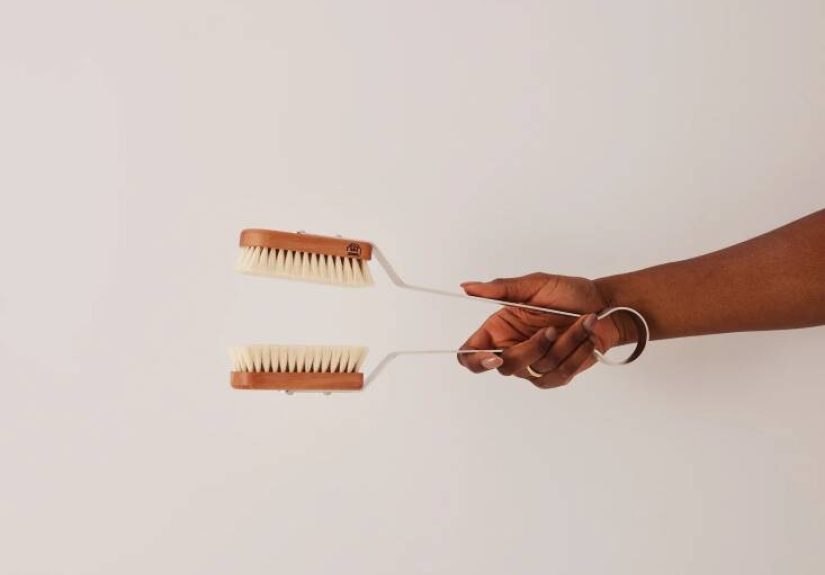
The Redecker Plant Brush is a specialized houseplant leaf cleaner made for indoor plants with larger or smoother leaves. It is commonly described as a Germany-made brush with a wooden body, soft goat hair bristles, and a metal structure that allows the two brush sides to gently press around a leaf. Instead of rubbing one side of a leaf with a cloth and then flipping the leaf or awkwardly supporting it with your hand, this design lets you clean both surfaces in one smooth motion.
That is the headline feature, and it is a good one. The brush is designed for broad-leaf houseplants such as monstera, fiddle-leaf fig, rubber plant, ficus, peace lily, and yucca. These plants collect dust like it is part of their personality. Once that dust builds up, the foliage starts to look dull, tired, and vaguely offended.
Redecker, the German brushmaker behind the product, has been associated with natural-material brushes for decades. The company is known for practical household tools made from wood, natural fibers, and traditional construction methods. That heritage matters here because the Redecker Plant Brush does not feel like a trendy impulse buy invented during a brainstorming session called “Monetize Monstera People.” It feels like a purpose-built tool rooted in old-school utility.
Why Cleaning Plant Leaves Actually Matters
At first glance, leaf cleaning can seem cosmetic. After all, plants live in dirt. Why worry about dust? But indoor plant care experts have long pointed out that dust buildup is more than a visual issue. A layer of dust can interfere with how leaves receive light and can also affect the tiny openings on leaf surfaces involved in normal gas exchange. In plain English, dirty leaves do not do your plant any favors.
Dust blocks the spotlight
Leaves are the solar panels of the plant world. When dust coats the surface, it reduces the amount of light the plant can use. Less light means less efficient photosynthesis. That can contribute to slower growth, reduced vigor, and a generally less happy plant. No, one dusty Tuesday will not destroy your philodendron. But months of buildup can absolutely make a difference, especially in low-light homes where your plants are already negotiating for every photon like tiny green lawyers.
Clean plants often stay healthier-looking
Leaf grooming also improves appearance and can support overall upkeep. When you clean foliage regularly, you are more likely to notice yellowing leaves, pests, damage, or weird sticky residue before the issue becomes a full houseplant saga. Good grooming habits tend to make plant care easier because you see problems earlier.
Not every cleaning method is equally gentle
Many plant owners use a damp cloth, a soft sponge, or a lukewarm rinse in the sink. Those methods work. But they are not always convenient, especially for plants with large, floppy leaves or several plants that need quick maintenance. Some cleaners and leaf-shine products can also be too harsh or leave residue behind. That is where a leaf cleaning brush like the Redecker Plant Brush earns its keep: it gives you a soft, dry, controlled way to remove everyday dust without soaking the plant or fussing with sprays.
Design and Materials: Why This Brush Stands Out
Part of the appeal is the construction. The Redecker Plant Brush is regularly described with materials like oiled pearwood, soft goat hair, and a slim metal frame or tongs. That combination gives it a very specific feel: gentle on leaves, sturdy in the hand, and visually attractive enough that you do not feel the need to hide it in a drawer next to old batteries and mystery twist ties.
The goat hair matters more than the wood, functionally speaking. Soft natural hair is ideal for a tool like this because it can sweep away fine dust without scraping or bruising delicate foliage. The two-sided design is also smart. It supports the leaf while cleaning it, which reduces the awkward flopping that happens when using a cloth on thinner leaves.
The shape is especially effective on flat or slightly curved leaves. You lightly guide the brush over the leaf rather than scrubbing it. This is not a “deep-clean the aftermath of a construction zone” tool. It is a maintenance tool for routine dusting and gentle grooming. Think of it as a cashmere sweater for your monstera, except less expensive than most cashmere and significantly more useful around soil.
How to Use the Redecker Plant Brush Properly
Using the brush is refreshingly simple, but a little technique helps.
1. Start with dry, healthy leaves
The brush works best for regular dust removal on dry leaves. If the foliage is sticky, greasy, or truly grimy, a damp cloth or lukewarm rinse may be better first. The Redecker Plant Brush shines as a maintenance tool, not as emergency cleanup after your plant spent a week next to a frying pan.
2. Support the leaf gently
Place the two soft brush sides around the leaf and glide them from the base toward the tip. Use almost no pressure. The goal is to lift dust, not give your plant an exfoliation treatment it never requested.
3. Work methodically
For broad-leaf plants, clean one leaf at a time. For plants with multiple stems or clustered leaves, move carefully so you do not snag edges or bend new growth. Make it part of your weekly or biweekly routine if your home gets dusty.
4. Keep the brush clean
A dusty brush eventually becomes a dust-distribution system, which is not the vibe. Follow the care guidance that accompanies the product and keep the bristles clean and fully dry between uses. A well-maintained brush will last longer and perform better.
Best Plants for the Redecker Plant Brush
This brush is not equally necessary for every plant. It performs best on foliage that is broad, smooth, and easy to access.
- Monstera deliciosa: big leaves, obvious dust, very satisfying results
- Fiddle-leaf fig: basically the poster child for visible leaf dust
- Rubber plant: smooth leaves that benefit from gentle buffing
- Ficus varieties: easier to groom with a soft, narrow tool
- Peace lily: broad leaves that quickly look fresher after dusting
- Yucca: useful for accessible leaf surfaces, though shape can vary
- Bird of paradise: large leaves make the brush feel efficient
It is less ideal for fuzzy, fragile, or densely textured foliage. African violets, for example, are usually better handled with very soft, cautious brushing methods specifically suited to fuzzy leaves. Tiny trailing plants also do not get much benefit because a quick rinse or light hand-cleaning is often easier.
Pros of the Redecker Plant Brush
It makes routine care easier
The best plant-care tools are the ones you actually use. This brush reduces friction in the maintenance process. You can clean a few leaves in a minute or two without hauling plants to the sink.
It is gentle
The soft bristles and two-sided design help remove dust without the rubbing and folding that sometimes happen with cloths.
It looks great
Yes, this is a practical category, but aesthetics count. A well-made tool invites use. The Redecker Plant Brush looks like something that belongs next to your watering can, not buried in a plastic bin marked “random stuff.”
It supports a no-nonsense care routine
If you want to avoid sprays, glossy leaf-shine products, or overcomplicated plant hacks from the internet, this tool fits a simple, low-fuss maintenance philosophy.
Cons of the Redecker Plant Brush
It is a niche tool
Let us be honest: this is not a must-have for every plant owner. A soft cloth and warm water can still do the job for many people.
It is best for certain leaf types
If your collection is mostly tiny-leaf vines, cacti, succulents, or fuzzy plants, the Redecker Plant Brush may spend more time looking charming than being useful.
It feels premium, because it is premium
This is not a bargain-bin cleaning accessory. You are paying for design, materials, craftsmanship, and a somewhat luxurious experience. Whether that feels worth it depends on how much joy you get from beautifully made tools.
Is the Redecker Plant Brush Worth Buying?
The answer depends on who you are as a plant owner.
If you have several large houseplants, care about presentation, and enjoy tactile maintenance rituals, then yes, the Redecker Plant Brush is worth serious consideration. It is practical, gentle, and more efficient than it first appears. It also makes leaf care feel less like a chore and more like part of the pleasure of owning plants.
If you only own one pothos and it survives mostly on neglect and vibes, you probably do not need it. A damp cloth will be just fine. But for collectors, plant stylists, interior plant lovers, or anyone who appreciates well-crafted household tools, this brush sits in that sweet spot where beauty and function actually meet.
It is also a strong gift item. Not in a “here is a generic candle” kind of way, but in a “I noticed your fiddle-leaf fig has better lighting than most apartments” kind of way. It feels thoughtful, specific, and genuinely useful for the right person.
How It Compares to Other Leaf-Cleaning Methods
Damp cloth
Cheap, effective, and classic. A cloth works well, especially for occasional deeper cleaning. But it can be slower, messier, and a bit clumsy on bigger leaves.
Sink or shower rinse
Great for sturdier plants and heavier dust. Less ideal if your plant is huge, your sink is tiny, or your back has already filed a formal complaint.
Leaf shine sprays
Usually not the best path. Many plant-care experts recommend avoiding products that coat leaves or attract more dust over time.
Soft brush tools
This is where the Redecker Plant Brush competes best. Its value is in being purpose-built, extra gentle, and pleasant enough to encourage regular use.
Extended Experience: What the Redecker Plant Brush Feels Like in Real Life
The real charm of the Redecker Plant Brush is not in the first five seconds. In the beginning, it can seem almost absurdly simple. You hold it, look at your monstera, and think, “I bought a fancy brush for a leaf. Who have I become?” Then you try it. One slow pass down a dusty leaf later, the answer is usually, “Apparently, I am a person who enjoys visible results.”
That is the experience many plant lovers respond to. It is satisfying in the way polishing leather shoes or sharpening garden snips can be satisfying. The brush turns maintenance into a tactile ritual. Instead of grabbing a rag, balancing the leaf with one hand, wiping with the other, flipping it, and then wondering whether you somehow made it look streakier, you just guide the brush along the surface and watch the leaf return to life. The finish looks cleaner, richer, and healthier almost immediately.
Broad-leaf plants show the difference best. A fiddle-leaf fig can go from dusty and flat-looking to glossy and architectural in a single session, without artificial shine. A rubber plant starts reflecting light again. A peace lily stops looking like it has been quietly disappointed in the room for weeks. Even a large monstera, which often collects dust in dramatic fashion, becomes easier to maintain because the brush makes quick work of regular buildup before it gets grimy.
There is also a calming side to the process. Plant care often gets framed around watering schedules, humidity levels, and fertilizer timing, but simple observation is just as important. Using the brush forces you to slow down and look closely at each leaf. You notice new growth. You spot a small tear before it worsens. You catch the first sign of a pest issue instead of discovering it when your plant has already entered a full crisis-management phase. In that way, the Redecker Plant Brush works almost like a mindfulness tool disguised as a household object.
Of course, it is not magical. On heavily soiled leaves, it will not replace a proper wipe-down or rinse. On tiny plants, it can feel like overkill. And on fuzzy foliage, you should still be cautious and use methods suited to that leaf texture. But for the plants it suits, the experience is undeniably good. It feels controlled, gentle, and oddly luxurious for something so practical.
Over time, that is where the brush proves its value. Not in one dramatic before-and-after moment, but in how easily it slips into a routine. You water the plants, check the soil, rotate a pot, then give a few leaves a pass with the brush. That little sequence keeps plants looking sharper and helps prevent neglect from sneaking in under the disguise of “I’ll deal with it later.” In a home filled with indoor greenery, small rituals matter. The Redecker Plant Brush turns one of those rituals into something useful, beautiful, and just a little addictive.
Final Thoughts
The Redecker Plant Brush is a niche product, but it is an excellent one. It solves a real problem, does it gently, and brings a little craftsmanship into a corner of plant care that is usually handled with whatever cloth happens to be nearby. For plant owners with broad-leaf houseplants and a taste for well-made tools, it is more than a novelty. It is a smart, elegant upgrade.
Not every houseplant accessory deserves shelf space. This one does. It helps your plants look better, supports good grooming habits, and makes ordinary maintenance feel pleasantly intentional. In other words, it is exactly the kind of object that seems unnecessary until you use it once and then wonder why every dusty monstera on earth was not assigned one at birth.