Table of Contents >> Show >> Hide
- What Makes Grandma’s Candied Yams So Special?
- Are Candied Yams Actually Made With Yams?
- The Best Ingredients for Grandma’s Candied Yam Recipe
- Grandma’s Candied Yam Recipe
- Why This Recipe Works
- Tips for the Best Candied Yams Every Time
- Common Mistakes to Avoid
- Fun Variations on Grandma’s Candied Yam Recipe
- What to Serve With Candied Yams
- How to Store and Reheat Leftovers
- The Experience of Grandma’s Candied Yam Recipe: More Than a Side Dish
- Conclusion
There are holiday side dishes, and then there are holiday side dishesthe ones that show up steaming, glossy, and smelling like butter, brown sugar, and good decisions. Grandma’s candied yam recipe belongs in that second category. It is sweet, cozy, a little dramatic, and absolutely unapologetic. Nobody puts a scoop of candied yams on a Thanksgiving plate and says, “Hmm, I wish this had less personality.”
This classic dish is all about tender sweet potatoes baked in a rich syrup until they become soft, shiny, and deeply flavored. Some families top them with marshmallows. Some insist that marshmallows are unnecessary chaos. Some add orange juice, a splash of vanilla, or a pinch of nutmeg. Grandma, of course, somehow knew exactly how much of everything to use without looking at a single measuring spoon. Rude, but impressive.
In this article, you’ll get a full, foolproof version of a grandma-style candied yam recipe, plus tips for choosing the best sweet potatoes, avoiding a watery sauce, making the dish ahead, and customizing it without losing that old-fashioned charm. If you want a Thanksgiving sweet potato recipe that tastes nostalgic, rich, and worthy of second helpings, you’re in the right kitchen.
What Makes Grandma’s Candied Yams So Special?
The magic of candied yams is not just the sweetness. It is the balance. The best versions are soft but not mushy, sticky but not gluey, rich but not so sugary that your fork gets nervous. A great pan of candied yams has slices that hold their shape, edges that soak up the buttery brown sugar glaze, and enough spice to make the whole kitchen smell like the holidays arrived early and brought dessert.
What gives this recipe its old-fashioned appeal is the method. Instead of mashing the potatoes into a casserole, the sweet potatoes stay sliced or chunked so each piece gets coated in syrup. As the dish bakes, the butter melts into the sugar, the spices bloom, and the juices bubble into a caramel-like glaze. It is simple home cooking, but it feels like a small miracle every single time.
Are Candied Yams Actually Made With Yams?
Here is the great Thanksgiving plot twist: in many American kitchens, candied yams are actually made with sweet potatoes. The orange-fleshed sweet potatoes commonly sold in U.S. grocery stores are often labeled as yams, even though true yams are a different tuber altogether.
That means when people search for Grandma’s candied yam recipe, what they usually want is a recipe using orange sweet potatoes. And honestly, that is good news, because sweet potatoes are exactly what make this dish soft, velvety, and naturally sweet.
The Best Ingredients for Grandma’s Candied Yam Recipe
You do not need fancy ingredients to make memorable candied yams. You just need the right ones.
Sweet Potatoes
Choose orange-fleshed sweet potatoes with firm skin and no soft spots. Medium potatoes are usually easier to peel and slice evenly than giant football-sized ones that look like they bench-press on weekends.
Brown Sugar
Brown sugar is the backbone of the glaze. It gives the dish that deep caramel flavor and beautiful amber syrup. Dark brown sugar creates a richer taste, while light brown sugar makes a slightly lighter, cleaner sweetness.
Butter
This is not the moment for restraint. Butter adds richness, smooths out the glaze, and helps everything bake into that glossy, spoonable finish people fight over at the table.
Warm Spices
Cinnamon is the classic choice, but a little nutmeg or cloves can make the flavor more rounded. Use a light hand. You want warmth, not a spice cabinet ambush.
Vanilla and Salt
Vanilla adds a bakery-style sweetness, while salt keeps the dish from tasting flat. Even sweet recipes need a little structure, just like family dinners.
Optional Add-Ins
Mini marshmallows, orange juice, maple syrup, or chopped pecans can all work well. But if your goal is a true old-fashioned candied yam recipe, keep the base classic and use the extras like accessories: fun, but not mandatory.
Grandma’s Candied Yam Recipe
Ingredients
- 4 pounds orange sweet potatoes, peeled
- 1 cup packed dark brown sugar
- 1/2 cup unsalted butter, cut into pieces
- 1/3 cup orange juice or water
- 1 teaspoon pure vanilla extract
- 1 1/2 teaspoons ground cinnamon
- 1/4 teaspoon ground nutmeg
- 1/2 teaspoon kosher salt
- 1 1/2 cups mini marshmallows (optional)
- 2 tablespoons chopped pecans (optional)
Instructions
- Preheat the oven. Heat your oven to 375°F. Lightly butter a 9×13-inch baking dish.
- Prep the sweet potatoes. Slice the peeled sweet potatoes into rounds about 1/2 inch thick. Try to keep them fairly even so they cook at the same rate.
- Make the glaze. In a medium saucepan over medium heat, combine the brown sugar, butter, orange juice, vanilla, cinnamon, nutmeg, and salt. Stir until the butter melts and the mixture becomes smooth and glossy. Do not cook it too long; you are making a syrup, not trying to invent candy in the saucepan.
- Assemble the dish. Arrange the sweet potato slices in the baking dish. Pour the warm glaze evenly over the top, making sure the slices are well coated.
- Cover and bake. Cover the dish tightly with foil and bake for 35 minutes.
- Uncover and finish baking. Remove the foil, carefully spoon some of the syrup over the potatoes, and bake for another 20 to 30 minutes, or until the sweet potatoes are fork-tender and the glaze has thickened.
- Add marshmallows if using. Sprinkle the marshmallows over the top during the last 8 to 10 minutes of baking. Let them melt and turn golden. Keep an eye on them, because marshmallows go from “beautifully toasted” to “tiny sugary house fire” faster than they should.
- Rest before serving. Let the dish stand for 10 to 15 minutes before serving. The syrup thickens as it cools, which gives you that classic sticky coating.
Why This Recipe Works
This version works because it layers flavor instead of dumping sweetness on top of sweetness and hoping for the best. The sweet potatoes bring natural earthy sweetness. The brown sugar and butter create depth and body. The orange juice adds brightness. The vanilla and spices make the whole dish taste finished instead of one-note.
Baking the potatoes directly in the syrup also helps them absorb flavor while keeping their shape. Covering the dish first traps steam so the potatoes soften evenly. Uncovering it later allows the glaze to reduce and cling to the slices. That two-step method is one of the easiest ways to make candied sweet potatoes that are tender and glossy instead of watery and sad.
Tips for the Best Candied Yams Every Time
1. Slice Evenly
If your slices range from paper-thin to doorstop-thick, some will turn mushy before others are tender. Aim for uniform slices so the whole dish cooks beautifully.
2. Do Not Drown the Potatoes
More liquid does not equal more flavor. It usually equals soup. A small amount of orange juice or water is enough, because the sweet potatoes release moisture as they bake.
3. Use Enough Salt
Sweet potatoes love salt. Not a lot, but enough to sharpen the flavor. Without it, the glaze can taste flat and overly sugary.
4. Let the Dish Rest
Fresh from the oven, the syrup may seem thin. Give it 10 to 15 minutes. It will thicken into a silky glaze instead of running all over the plate like it has somewhere urgent to be.
5. Go Easy on the Marshmallows
Marshmallows can be delicious, but too many will overwhelm the sweet potatoes. You want a toasty topping, not a sugar blanket that completely covers the dish’s personality.
Common Mistakes to Avoid
Using canned yams for a from-scratch holiday dish: You can do it, but the texture is softer and the flavor is less fresh. Fresh sweet potatoes give better structure and taste.
Undercooking the potatoes: Candied yams should be tender all the way through. If the center is firm, keep baking.
Overcooking the glaze on the stove: If you reduce it too much before baking, it can become overly thick or grainy. Keep it simple and let the oven do the rest.
Skipping the basting step: Spoon the glaze over the potatoes midway through baking. This helps the top stay moist and glossy.
Fun Variations on Grandma’s Candied Yam Recipe
Orange-Spiced Candied Yams
Add a teaspoon of orange zest to the glaze for brighter citrus flavor. This version tastes especially festive around Thanksgiving and Christmas.
Maple Candied Sweet Potatoes
Replace a few tablespoons of the brown sugar with maple syrup for a deeper, woodsy sweetness.
Pecan-Topped Candied Yams
Scatter chopped pecans over the dish during the last 10 minutes of baking for crunch and contrast.
Marshmallow-Free Southern Style
If you prefer a more classic Southern-style finish, skip the marshmallows and let the brown sugar glaze shine on its own.
What to Serve With Candied Yams
This dish pairs beautifully with roast turkey, baked ham, fried chicken, or a holiday pot roast. Because it is sweet and rich, it works best with savory mains and simpler sides like green beans, collard greens, roasted Brussels sprouts, or a crisp salad.
And yes, it absolutely belongs on a Thanksgiving table. It also belongs on a random Sunday when you want your kitchen to smell like comfort and your dinner to feel slightly more generous than necessary.
How to Store and Reheat Leftovers
Store leftover candied yams in an airtight container in the refrigerator for up to 4 days. Reheat them in a 350°F oven, covered, until warmed through. You can also microwave individual portions, though the oven keeps the texture nicer.
To make the dish ahead, assemble everything except the marshmallows, cover it tightly, and refrigerate it for up to 24 hours. When ready to bake, let the dish sit at room temperature for about 20 to 30 minutes first, then bake as directed.
The Experience of Grandma’s Candied Yam Recipe: More Than a Side Dish
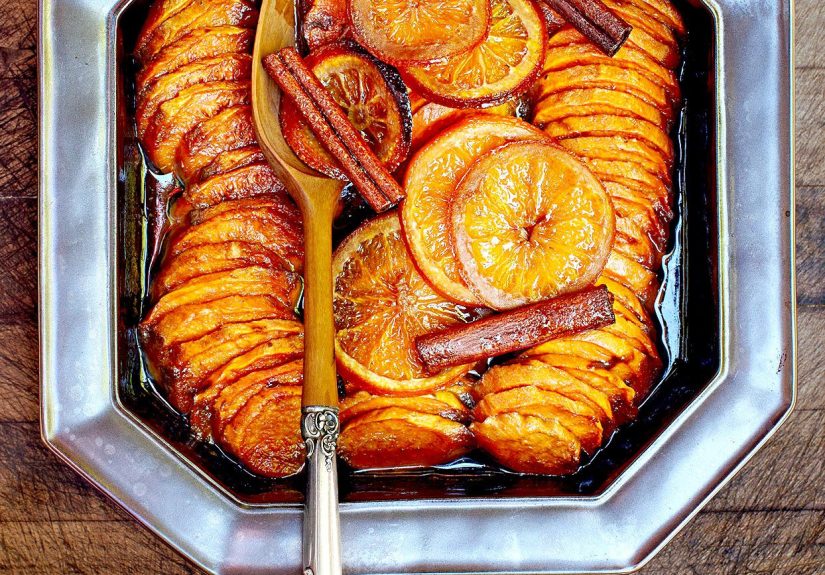
There is something wonderfully theatrical about a pan of candied yams arriving at the table. First comes the aromabutter, cinnamon, caramel, and sweet potatoes all teaming up like they rehearsed for this moment. Then comes the shine. A good dish of candied yams glistens in a way that says, “Yes, I know I look fabulous, and no, I will not apologize.” Before anyone even takes a bite, the room already knows this side dish means business.
For a lot of families, Grandma’s candied yam recipe is tied to memory in a way that ordinary recipes are not. It is the kind of dish people expect to see at Thanksgiving, Christmas, Sunday dinner, or any gathering where second helpings are not just encouraged but basically a form of affection. It lives in that category of food that feels bigger than ingredients. It feels like ritual. It feels like home.
Maybe your earliest memory of it is standing in a crowded kitchen while somebody peeled sweet potatoes at lightning speed. Maybe you remember sneaking a toasted marshmallow off the top when nobody was looking, only to discover that somebody was absolutely looking. Maybe you remember the giant serving spoon, the old casserole dish, the aluminum foil tented over the top, or the way the syrup settled into the corners of the pan like edible treasure.
That is the beauty of this dish. It is humble, but it is never forgettable. Sweet potatoes are inexpensive, pantry ingredients are simple, and the process is straightforward. Yet once the whole thing bakes together, it becomes the dish that people mention by name. Not “the sweet potatoes.” Not “that orange thing.” It becomes Grandma’s candied yams. Capital letters in spirit, if not in grammar.
The experience of eating it is just as specific. The top is glossy and sticky. The edges caramelize a bit more than the center. The potatoes are soft enough to cut with a fork but still hold their shape. The glaze coats everything without turning into syrup soup. If marshmallows are involved, they add that gooey, toasted layer that makes dessert and side dish briefly shake hands at the dinner table.
And then there is the emotional side of it. Recipes like this one often survive because they carry voices with them. “Slice them a little thicker.” “Don’t rush the oven.” “Taste the syrup.” “Add a pinch more cinnamon.” Those little instructions become part of the experience, passed from one kitchen to another. Even if the recipe changes slightly over time, the feeling stays the same: warmth, generosity, and that unmistakable sense that the meal matters because the people do.
That is why a recipe like this keeps showing up year after year. It is not trendy. It is not trying to be clever. It does not need a reinvention, a tower of microgreens, or a name like “deconstructed root vegetable medley.” It just needs a baking dish, a spoon, and a table full of hungry people. Grandma knew exactly what she was doing.
Conclusion
If you want a dish that is nostalgic, crowd-pleasing, and almost impossible to ignore on a holiday table, Grandma’s candied yam recipe is the answer. It is rich without being fussy, simple without being boring, and sweet enough to feel celebratory while still earning its place beside the savory mains. Make it once, and it may become one of those recipes people start requesting by name. Which is exactly how grandma would have wanted it.