Table of Contents >> Show >> Hide
- Why Earaches Happen in the First Place
- 1. Start With Over-the-Counter Pain Relief
- 2. Use a Warm or Cold Compress
- 3. Rest Upright or Sleep With Your Head Elevated
- 4. Swallow, Yawn, or Chew to Relieve Pressure
- 5. Keep the Ear Dry and Leave It Alone
- 6. Use Ear Drops Only When They Truly Fit the Situation
- 7. Treat the Congestion Around the Ear
- 8. Consider Wax-Softening Drops if Earwax Is the Obvious Problem
- What to Avoid When You Have an Earache
- When to Call a Doctor
- Prevention Tips That Actually Help
- Real-World Earache Experiences: What Relief Often Looks Like
- Conclusion
- SEO Tags
Note: This article is for educational purposes only and is not a substitute for medical care. Do not put drops, oil, peroxide, or any other liquid in the ear if there is drainage, a suspected ruptured eardrum, ear tubes, or recent ear surgery.
An earache has a special talent for making everything feel dramatic. One minute you are minding your business, and the next minute your ear is thumping like it is auditioning for a garage band. The good news is that many cases of ear pain improve with simple, sensible care. The less-fun news is that “earache” is not one single condition. It can come from a middle ear infection, swimmer’s ear, sinus congestion, pressure changes, earwax buildup, or even pain referred from your jaw, teeth, or throat.
That is why the smartest approach is not to throw every home remedy in your bathroom cabinet at the problem. It is to use remedies that are actually helpful, skip the ones that can backfire, and know when an ear needs a clinician instead of a heroic internet search at 2 a.m.
Why Earaches Happen in the First Place
Ear pain in children often comes from middle ear infections, especially after a cold. In adults, the story is a little messier. Ear pain may still be due to infection, but it is also commonly linked to pressure changes, congestion, swimmer’s ear, earwax blockage, jaw tension, dental problems, or throat irritation. In other words, your ear can hurt even when the ear itself is not the main villain.
That is also why one person feels stabbing pain after swimming, another gets a dull ache on a plane, and someone else swears they have an ear infection when the real culprit is a furious jaw joint after a week of stress-clenching. The remedy that works best depends on the cause, but these eight options are the safest and most effective places to start.
1. Start With Over-the-Counter Pain Relief
If your earache is mild to moderate, pain relief is often the fastest way to make life feel normal again. Acetaminophen or ibuprofen can reduce both pain and fever. For adults, this may be enough if the problem is minor irritation, pressure, or a middle ear infection that is already beginning to settle down on its own.
For children, pain control matters just as much. An ear infection can look terrifying because the pain can be intense, especially when lying down, but relief often starts with the basics. Use only age-appropriate products and follow the label directions carefully. Never give aspirin to children or teens who may have a viral illness.
This remedy sounds almost too simple, which is probably why people try to upgrade it with mystery drops, garlic oil, or a relative’s legendary “old family trick.” Resist the urge. A well-dosed pain reliever is much more reliable than folk medicine with a dramatic backstory.
2. Use a Warm or Cold Compress
When your ear hurts, a compress can feel surprisingly effective. Some people prefer a warm washcloth or heating pad on a low setting. Others get more relief from a cool washcloth or cold pack wrapped in cloth. Both approaches can help calm pain for short stretches.
Warmth tends to feel soothing when the ache is deep, dull, and pressure-like. Cold can be helpful if the outer ear feels tender or inflamed. There is no grand contest here. Choose the one that feels better to you, keep it gentle, and avoid anything hot enough to irritate the skin.
A good rule of thumb is 15 to 20 minutes at a time. If the compress helps, wonderful. If it does absolutely nothing and the pain keeps climbing, that is useful information too. A stubborn earache that laughs in the face of both ibuprofen and a compress may need medical evaluation.
3. Rest Upright or Sleep With Your Head Elevated
If ear pain gets worse the second you lie flat, you are not imagining things. Pressure inside the middle ear can feel more intense in that position. Resting in a recliner, propping yourself up with an extra pillow, or simply staying more upright for a while may reduce that pounding, pressurized feeling.
This is especially helpful when the earache is linked to congestion from a cold, flu, or allergies. Elevation does not magically cure the problem, but it can make the pain more bearable and help you get enough rest to recover. And when you are running on zero sleep, even a small improvement can feel like a medical breakthrough.
For children, a calm upright cuddle, a stroller nap, or sitting up for a bit after pain medicine may also help. Just keep sleep setups safe and age-appropriate.
4. Swallow, Yawn, or Chew to Relieve Pressure
If your earache feels more like fullness, popping, muffled hearing, or pressure, your eustachian tube may be having a rough day. This tiny passage helps balance pressure between the middle ear and the outside world. When it is blocked by congestion or rapid altitude changes, your ear can feel clogged, achy, or both.
Swallowing, yawning, chewing gum, or sipping water can help open that tube and equalize pressure. This remedy is especially handy during flights, after elevator rides through impressive skyscrapers, or when a cold has turned your head into a traffic jam.
Children may do better with drinking, sucking on a pacifier, or age-appropriate chewing. It is a simple trick, but often a useful one. If the ear will not “pop,” though, do not keep forcing it aggressively. A gentle approach is smart; turning your face purple while trying to out-stubborn your own anatomy is not.
5. Keep the Ear Dry and Leave It Alone
This remedy is both boring and excellent. If your ear hurts, stop messing with it. Do not poke it with cotton swabs, fingernails, bobby pins, pen caps, or any other object that seems “small enough to help.” That is how people turn mild irritation into scratches, impacted wax, infection, or a very awkward urgent care visit.
Keeping the ear dry is especially important if the pain started after swimming or showering, or if the outer ear canal feels itchy and tender. Pat the outside dry with a towel. Tilt your head to let water drain naturally. Avoid swimming until things settle down. If you use hair products, keep sprays and dyes out of the ear.
Swimmer’s ear often starts when moisture gets trapped in the ear canal and irritates the skin. Once that happens, the ear canal becomes the world’s least charming neighborhood for bacteria or fungi. Dry, gentle care helps prevent things from escalating.
6. Use Ear Drops Only When They Truly Fit the Situation
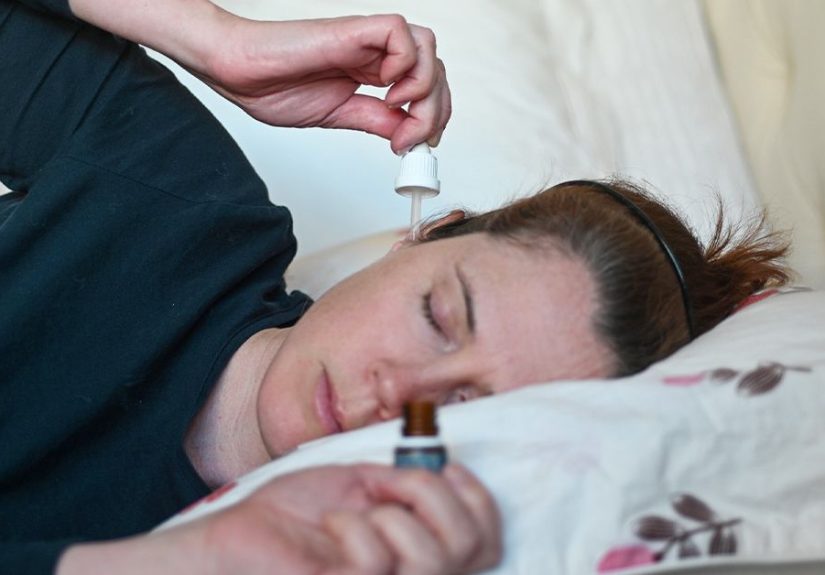
Ear drops can help, but only when they match the problem. Over-the-counter pain-relief drops may ease discomfort in some cases if the eardrum is intact. Drying drops can be useful after swimming for people who are prone to swimmer’s ear, again only if there is no hole in the eardrum, no drainage, and no ear tubes.
This is where many people get into trouble. They assume every earache needs “something in the ear.” Not true. If you have drainage, severe pain, recent surgery, ear tubes, or any reason to suspect a ruptured eardrum, skip the drops and call a clinician. The wrong liquid in the wrong ear can make a bad day worse.
And while we are here, let us gently retire the fantasy that ear candles are a sophisticated wellness ritual. They are not. They are a fire hazard with great branding.
7. Treat the Congestion Around the Ear
Sometimes the ear is the victim of a much larger head-and-neck drama. A cold, flu, sinus infection, or allergy flare can cause swelling and stuffiness in the nose and throat that blocks the eustachian tube. The result is pressure, muffled hearing, popping, and pain that feels like an ear problem even though the traffic jam started elsewhere.
In that situation, it helps to manage the congestion sensibly. Rest, fluids, time, and the allergy or cold treatments your clinician says are appropriate for you can reduce the pressure feeding the ear pain. This is one reason adults may have an earache without a classic ear infection.
If you also have sore throat, facial pressure, nasal symptoms, or pain that shifts when you swallow, the ear may be taking collateral damage from inflammation nearby. That does not make the pain imaginary. It just means your ear is being an innocent bystander with excellent protest skills.
8. Consider Wax-Softening Drops if Earwax Is the Obvious Problem
Not every earache is infection. Sometimes the issue is earwax buildup causing fullness, irritation, reduced hearing, or pressure. If wax is clearly the problem, wax-softening drops sold over the counter may help. Some people also use mineral oil, baby oil, glycerin, or carbamide peroxide products for wax softening.
But this remedy has boundaries. Do not try it if you have drainage, significant pain, a hole in the eardrum, prior ear surgery, ear tubes, or you are not actually sure wax is the issue. And do not go digging afterward with a cotton swab like you are mining for treasure. That is how wax gets packed in deeper.
If hearing is muffled and the ear feels blocked, but home wax care is not helping, let a clinician remove it safely. Your eardrum is thin, delicate, and not interested in your DIY ambitions.
What to Avoid When You Have an Earache
Some remedies sound impressive but are more trouble than help. Avoid sticking anything into the ear canal, including cotton swabs and improvised tools. Avoid ear candles. Avoid pouring random oils, peroxide, or homemade mixtures into the ear if you have drainage, severe pain, ear tubes, or think the eardrum may be damaged. Also avoid pretending you will “just wait it out” for two weeks if the pain is severe, your hearing suddenly drops, or you have swelling behind the ear.
The goal is not to do the most. The goal is to do the right amount, safely.
When to Call a Doctor
Many earaches improve with simple care, but some need prompt evaluation. Call a clinician if the pain is severe, lasts more than a couple of days, keeps returning, or comes with fever, drainage, worsening hearing, dizziness, swelling or redness behind the ear, facial weakness, or symptoms after an injury. For children, get medical advice sooner if the child looks very ill, is unusually sleepy or irritable, has a high fever, or is not improving after initial home care.
Adults should also take persistent one-sided ear pain seriously, especially if it comes with throat pain, jaw pain, dental issues, or symptoms that linger. Sometimes what feels like an ear problem is referred pain from somewhere nearby, and the ear is merely the messenger.
Prevention Tips That Actually Help
To lower your odds of future ear pain, keep ears dry after swimming, avoid digging out wax, manage allergies if they commonly trigger congestion, and treat colds with a little patience instead of dramatic self-experimentation. Children benefit from good handwashing, staying up to date on vaccines, and avoiding secondhand smoke, which can raise the risk of ear infections.
If you are prone to swimmer’s ear, talk with a clinician about safe preventive drops. If you keep getting wax buildup, ask about the safest way to manage it for your ears specifically. Repeating the same home remedy that keeps failing is not a routine. It is a hobby.
Real-World Earache Experiences: What Relief Often Looks Like
People often expect ear pain to behave in a neat, textbook way. Real life, of course, prefers improv comedy. One parent may notice a toddler crying harder when laid down for bed, tugging at one ear, and suddenly treating sleep like a personal insult. After a dose of pain medicine, a warm compress, and an upright cuddle, the child finally settles. The pain is still real, but it becomes manageable enough to get through the night before calling the pediatrician in the morning. That is a very common earache experience: the first win is not curing the problem instantly, but lowering the pain enough to rest.
Adults often describe something different. They say the ear feels clogged, like hearing through a pillow, especially during a cold or after a flight. There may not be sharp pain at first, just pressure, popping, and annoyance. Swallowing water, yawning, sitting upright, and treating the surrounding congestion often bring gradual relief. It is not glamorous. No choir sings. But over several hours, the ear starts to feel less blocked and more normal.
Swimmer’s ear has its own personality. People usually say the outer ear becomes tender first. Touching the ear hurts. Pulling on it hurts more. Then shower water feels strangely offensive, and sleeping on that side becomes a terrible plan. In those cases, keeping the ear dry and leaving it alone is often the difference between a mild irritation and a full-blown infection that needs prescription drops. Many people make it worse before they make it better because they keep poking, rinsing, or “checking” the ear. The ear does not appreciate supervision.
Then there are the surprise plot twists. Someone is convinced they have an ear infection, but the real issue turns out to be jaw clenching, dental pain, or throat irritation radiating toward the ear. This is incredibly frustrating because the pain feels so convincingly located in the ear. People may try compresses and pain relievers and get partial relief, only to realize the ache returns every time they chew, grind their teeth, or wake up stressed. Their experience is a good reminder that ear pain is sometimes a borrowed complaint from a nearby structure.
Another common experience is the wax situation. It usually begins with muffled hearing and fullness, not dramatic pain. Then someone uses a cotton swab, accidentally packs the wax deeper, and suddenly the ear feels blocked and sore. A safe wax-softening product may help, but sometimes the biggest relief comes when a clinician removes the buildup properly. Patients often describe that moment with almost spiritual enthusiasm: “I can hear my own footsteps again.”
Across all these experiences, one pattern shows up again and again. The most effective remedies are usually the least dramatic ones: pain relievers, gentle compresses, upright rest, pressure relief, dry ears, and not putting random things in the ear canal. Earaches may be loud, but the best responses are often calm, basic, and gloriously unflashy.
Conclusion
An earache can come from infection, pressure, trapped moisture, wax, or pain referred from nearby structures. That is why the best remedies are the ones that reduce pain safely while respecting the fact that not every earache needs the same fix. Start with pain relief, a warm or cool compress, upright rest, gentle pressure-equalizing tricks, and careful hands-off care. Use drops only when they truly match the situation, and know when to stop DIY treatment and get evaluated.
If there is one takeaway worth taping to your medicine cabinet, it is this: ears are delicate, dramatic, and not improved by improvisation with cotton swabs, candles, or mystery liquids. Gentle care wins more often than gadgetry.