Table of Contents >> Show >> Hide
- Why Choosing the Right Kitchen Style Matters
- 1. Modern Kitchen Style
- 2. Farmhouse Kitchen Style
- 3. Scandinavian Kitchen Style
- 4. Traditional and Classic Kitchen Style
- 5. Industrial Kitchen Style
- 6. Coastal Kitchen Style
- 7. Cottage and English-Inspired Kitchen Style
- 8. Eclectic and Transitional Kitchen Style
- Key Elements That Shape Every Kitchen Decorating Style
- How to Choose the Best Kitchen Style for Your Home
- of Real-Life Experience With Kitchen Decorating Styles
- Conclusion
The kitchen has officially graduated from “the room where toast happens” to the hardest-working style zone in the house. It is where coffee is brewed, leftovers are judged, homework mysteriously appears, and guests always drift even when you swore you cleaned the living room for a reason. That is exactly why kitchen decorating styles matter so much. A good kitchen style does more than look pretty in photos. It shapes how the room feels, how it functions, and whether you want to linger there or flee with your sandwich.
Today’s best kitchens are not one-size-fits-all. Some lean sleek and modern, some wrap you in cottage warmth, and some pull off that enviable “collected over time” look that says, “Yes, I do own beautiful serving bowls, and no, I do not panic before guests arrive.” The trick is choosing a decorating style that matches your home, your habits, and your tolerance for open shelving dust.
In this guide, we will break down the most popular kitchen decorating styles, what defines each one, how to bring the look home, and how to avoid turning your dream kitchen into a very expensive identity crisis.
Why Choosing the Right Kitchen Style Matters
Kitchen design is not only about cabinet color or backsplash drama. The right style helps create visual harmony between your cabinetry, counters, lighting, flooring, hardware, seating, and décor. It also helps you make smarter decorating choices. When you know your style, you stop impulse-buying random bar stools that looked charming online but now resemble a diner scene from another decade.
More importantly, style should support real life. A family that cooks nightly may want layered storage, durable finishes, and warm details that soften the room. Someone in a compact apartment may prefer a lighter palette and space-saving décor that keeps the kitchen open and bright. Entertainers may want statement pendants, a sociable island, and decorative accents that make the kitchen feel as polished as the dining room.
1. Modern Kitchen Style
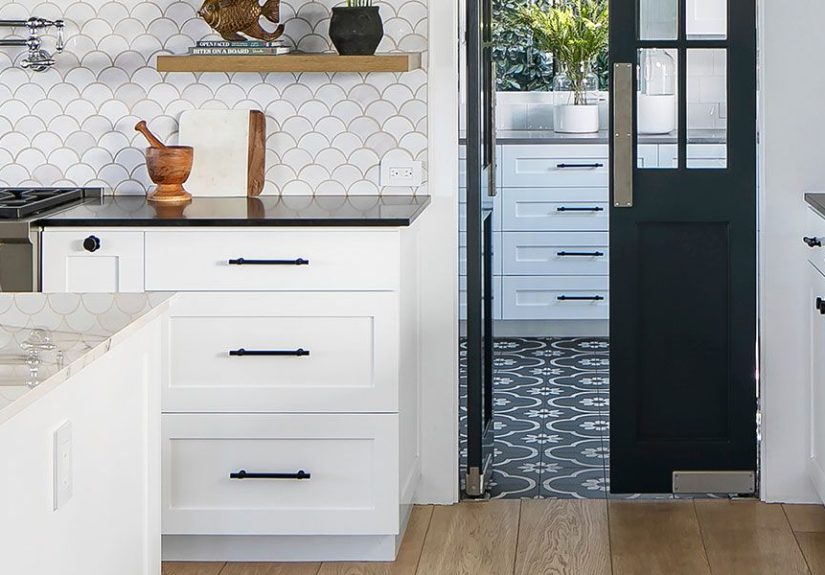
A modern kitchen is clean, streamlined, and intentional. It favors flat or simple cabinet fronts, uncluttered surfaces, integrated storage, and a restrained palette. That does not mean it has to feel cold. The best modern kitchens balance crisp lines with warmth through wood tones, textured tile, or a softly veined countertop.
What defines it
Modern kitchens usually feature sleek cabinetry, minimal ornamentation, geometric lighting, and a controlled color scheme. White, black, taupe, charcoal, and natural wood are common. Hardware may be understated or skipped entirely in favor of push-latch cabinets or discreet pulls.
How to decorate it well
Keep countertop décor simple. A ceramic bowl, a sculptural cutting board, and a single vase with greenery go a long way. Choose lighting that feels architectural rather than fussy. If the room starts to feel too serious, bring in warmth with oak bar stools, ribbed glass pendants, or a handmade runner.
This style works especially well in newer homes, condos, and anyone who likes the idea of visual calm. It is the design equivalent of a deep breath.
2. Farmhouse Kitchen Style
The farmhouse kitchen remains popular because it feels welcoming instead of precious. It is comfortable, practical, and a little nostalgic. Today’s version is less “barn explosion” and more refined country charm. Think apron-front sinks, shaker cabinets, warm wood, vintage-inspired lighting, and finishes that feel lived-in rather than glossy.
What defines it
Farmhouse kitchens often mix painted cabinets with natural wood accents, open shelves or glass-front cabinets, classic hardware, and a palette built around cream, sage, soft blue, warm white, or greige. Details like beadboard, butcher block, antique-style rugs, and rustic stools help reinforce the look.
How to decorate it well
Add texture through baskets, pottery, linen towels, and wood cutting boards left casually on display. Use vintage-inspired sconces or lantern pendants. If you love farmhouse but fear it becoming too theme-heavy, skip décor with obvious slogans and let materials do the talking. A weathered table, unlacquered brass pulls, and a few heirloom pieces are much more stylish than anything that shouts “gather.”
3. Scandinavian Kitchen Style
The Scandinavian kitchen is a master class in simplicity that still feels warm. It blends minimalism with comfort, using light woods, pale colors, clean lines, and practical décor. It is bright, airy, and quietly beautiful, like the kitchen equivalent of fresh bread and good socks.
What defines it
Scandinavian kitchens favor white or soft neutral walls, pale wood cabinetry or accents, simple hardware, and minimal visual clutter. The style often includes natural light, matte finishes, and functional pieces that double as décor.
How to decorate it well
Use open shelving sparingly and style it with everyday items in coordinated tones. Add warmth with wooden utensils, textured ceramics, woven shades, and soft underfoot textiles. Plants, especially herbs, fit beautifully here. The goal is not an empty kitchen. It is a calm kitchen where everything earns its place.
4. Traditional and Classic Kitchen Style
If you want a kitchen that ages gracefully, traditional kitchen style is a strong choice. Classic kitchens lean on timeless details like shaker cabinets, paneled doors, polished hardware, tailored millwork, and a balanced color palette. They feel elegant but approachable, never trendy for trend’s sake.
What defines it
Traditional kitchens often include symmetrical layouts, neutral colors, classic stone or quartz counters, cabinet crown molding, and lighting with a touch of formality. This style can range from crisp East Coast classic to cozy American heritage depending on the finishes you choose.
How to decorate it well
Introduce polish with matching sconces, framed art, tailored Roman shades, or upholstered counter stools. Decorative elements should feel curated rather than cluttered. This is a great style for homeowners who want broad appeal, especially if resale is somewhere in the back of their mind whispering practical suggestions.
5. Industrial Kitchen Style
The industrial kitchen takes cues from lofts, workshops, and commercial spaces, then gives them a stylish upgrade. It celebrates raw materials and sturdy finishes, which makes it feel grounded and confident.
What defines it
Common features include exposed brick, concrete, black metal, stainless steel, darker cabinetry, factory-inspired lighting, and open shelving with a utilitarian feel. Industrial kitchens often have strong contrast and a slightly edgy mood.
How to decorate it well
Use reclaimed wood to soften the hard finishes. Add vintage stools, iron pendants, or matte black hardware. Keep accessories practical: hanging rails, canisters, and oversized cutting boards fit the style naturally. If your kitchen is small, use industrial details with restraint so the room feels bold, not like it is auditioning to become a warehouse.
6. Coastal Kitchen Style
A coastal kitchen is breezy, relaxed, and bright. It is not just for beach houses, either. At its best, this style feels fresh and effortless rather than overly themed. You want subtle nods to the coast, not a room that looks like it was decorated by a very enthusiastic seashell.
What defines it
Coastal kitchens often feature light cabinetry, sandy neutrals, pale blues or sea-glass greens, natural textures, and an airy layout. Woven lighting, white walls, wood accents, and soft reflective finishes help create that sunlit feeling.
How to decorate it well
Bring in rattan or cane bar stools, linen café curtains, glass-front cabinets, and simple ceramics. Keep the palette light and the finishes natural. A striped runner or blue island can add personality without going full nautical costume party.
7. Cottage and English-Inspired Kitchen Style
The cottage kitchen and English-inspired kitchen both prioritize warmth, character, and a layered look. These styles feel collected, cozy, and deeply human. They are perfect for anyone who wants a kitchen with charm and a little storybook energy.
What defines it
Expect furniture-style islands, painted wood cabinetry, warm metals, plate racks, skirted storage, patterned fabrics, and lighting with personality. Colors can range from creamy neutrals to muddy greens, butter yellow, deep blue, and burgundy. This look often mixes old and new, which is a relief for anyone who enjoys imperfection and owns at least one chair “with history.”
How to decorate it well
Use framed art, vintage pottery, small lamps, a patterned Roman shade, or a charming wallpaper in a breakfast nook. Display practical items beautifully: copper pans, ceramic crocks, wooden boards, and cookbooks all work here. The secret is editing. Charming should never tip into chaotic.
8. Eclectic and Transitional Kitchen Style
Some kitchens refuse to choose just one lane, and frankly, good for them. Eclectic kitchen style mixes periods, textures, and colors to create a look that feels personal. Transitional kitchens do something similar in a quieter way, blending traditional and modern elements for broad appeal.
What defines it
Eclectic kitchens may pair modern lighting with antique furniture, bold tile with classic cabinets, or colorful art with neutral millwork. Transitional kitchens often mix shaker cabinets, streamlined hardware, warm wood, and subtle contemporary finishes.
How to decorate it well
Pick one strong anchor, such as cabinet color or countertop material, then layer around it. Repeat tones and finishes so the room looks intentional. The difference between eclectic and confusing is rhythm. If brass appears once, let it appear again. If navy shows up in the island, echo it in textiles or art.
Key Elements That Shape Every Kitchen Decorating Style
No matter which direction you choose, five elements do most of the visual heavy lifting.
Cabinetry
Cabinets set the tone immediately. Shaker doors feel timeless. Slab fronts feel modern. Furniture-style details feel classic or English-inspired. Paint color and door profile together tell most of the story before your backsplash even gets a chance.
Lighting
Pendants, sconces, and even small lamps can change the mood of a kitchen dramatically. The best lighting is both practical and decorative. Think of it as jewelry for the room, except more useful and less likely to disappear into a couch cushion.
Color palette
Warm whites, greiges, blues, greens, and wood tones remain favorites because they adapt well across styles. Bold color can work beautifully too, especially on an island, pantry, or lower cabinets.
Materials and texture
Wood, stone, tile, metal, woven accents, and textiles keep a kitchen from feeling flat. Even a sleek room needs texture to feel finished.
Decor and styling
Fruit bowls, cutting boards, ceramics, art, plants, and everyday cookware can all function as décor when chosen thoughtfully. The best kitchen styling looks useful, not staged within an inch of its life.
How to Choose the Best Kitchen Style for Your Home
Start with your home’s architecture. A modern condo may naturally suit sleek finishes, while a traditional house may feel better with classic cabinetry and warmer details. Then think about how you actually live. Do you want easy-to-clean surfaces, more display space, a cozier atmosphere, or a kitchen that blends quietly into an open-plan room?
Next, decide how much personality you want. A timeless kitchen often starts with a classic foundation, then layers in trendy accents through paint, lighting, hardware, rugs, or stools that are easier to update later. That way, you can flirt with trends without eloping with them.
Finally, be honest about maintenance. Open shelves look lovely, but they also collect dust and expose every mismatched mug. Light grout can be dreamy until spaghetti night happens. A beautiful kitchen should support your life, not assign you extra chores out of spite.
of Real-Life Experience With Kitchen Decorating Styles
Living with a kitchen style is very different from admiring one in a photo gallery. In real life, the room has to survive school mornings, grocery hauls, coffee spills, and that one drawer everybody opens even though it has never once contained what they wanted. That is why experience matters so much when choosing a decorating direction.
A modern kitchen, for example, can feel incredibly calming when the rest of life is noisy. Flat-front cabinets, clear counters, and a controlled palette make the whole room feel easier to manage. But modern style works best when storage is excellent. If there is nowhere for the blender, lunch boxes, paper towels, and snack avalanche to go, the clean look disappears faster than cookies at a family gathering.
Farmhouse and cottage kitchens create a different experience entirely. They tend to feel forgiving. A few cookbooks on the counter, a bowl of lemons, a ceramic pitcher, or a striped towel can make the room look better rather than messier. These styles are especially appealing to people who want the kitchen to feel social and lived-in. Friends sit longer. Kids drift in. Someone always ends up leaning on the island talking about absolutely everything except the meal being cooked.
Scandinavian kitchens often shine in smaller homes because they reflect light so beautifully. Pale wood, soft neutrals, and minimal décor can make a compact kitchen feel more breathable. The lived experience is one of quiet efficiency. Nothing screams for attention, which can be a gift if your kitchen opens directly into your main living space. On the other hand, if you love color, collecting pottery, or displaying inherited pieces, you may eventually crave more personality.
Traditional kitchens often age the best emotionally. People do not tire of them as quickly because they rely on balanced proportions and familiar materials. A classic kitchen can absorb small updates over time without losing its identity. Change the pendants, add new stools, paint the island, and it still feels like itself. That flexibility is a huge advantage for homeowners who plan to stay put.
Industrial kitchens are a mood. They can feel dramatic, creative, and grounded, especially in lofts or urban homes. But in day-to-day life, they need warmth layered in thoughtfully. Without wood, textiles, or softer lighting, the room can feel a little stern, like it might judge your snack choices.
The most satisfying kitchens usually borrow from more than one style. A classic kitchen with modern lighting. A Scandinavian kitchen with vintage stools. A farmhouse kitchen with cleaner lines and darker hardware. That mix tends to feel more personal and more durable over time.
In the end, the best kitchen decorating style is the one that still feels good on an ordinary Tuesday. Not just during the holiday dinner. Not just in perfect afternoon light. A great kitchen should welcome real life, look better with a little use, and make you happy to walk into it before your first cup of coffee has even had a chance to negotiate with your personality.
Conclusion
Kitchen decorating styles are not about chasing the latest look and hoping your toaster keeps up. They are about creating a room that reflects how you live, what you love, and what makes the heart of the home feel genuinely inviting. Whether you prefer modern simplicity, farmhouse warmth, Scandinavian ease, traditional elegance, industrial edge, or cottage charm, the smartest kitchens combine beauty with function and personality with practicality.
Choose a strong foundation, layer in texture and lighting, and let your décor feel personal rather than performative. Do that, and your kitchen will not just look stylish. It will feel like home.