Table of Contents >> Show >> Hide
- What happened in the shredded cheese recall?
- What does a Class II recall mean?
- Which products and retailers were involved?
- What should consumers do if they have the recalled cheese?
- Why this recall says so much about food safety in 2026
- The bigger takeaway for shoppers
- Experiences shoppers and home cooks can relate to during a recall
- Conclusion
- SEO Tags
There are bad surprises in the kitchen, and then there are really bad surprises in the kitchen. Burning garlic bread? Annoying. Discovering that your shredded cheese may contain metal fragments? That is a hard no, a fast no, and a “please step away from the taco night toppings” kind of no.
A major shredded cheese recall made headlines after regulators flagged a large batch of products tied to possible metal contamination. The recall stretched across multiple states, involved a long list of private-label brands, and reminded shoppers of one very inconvenient truth about modern grocery shelves: the logo on the front of the bag may change, but the manufacturing source behind it often does not.
This recall was not just about one bag of mozzarella sitting sadly in one refrigerator. It was a supply-chain story, a food-safety story, and a consumer-awareness story all rolled into one very cheesy headline. Products sold under familiar store labels at retailers such as Aldi, Target, Walmart, Publix, H-E-B, and Sprouts were affected, which is exactly why the story spread so quickly. When a recall touches multiple brands people recognize, it moves from “industry update” to “everyone, check the fridge right now.”
Here is what happened, why the recall matters, what consumers should know, and what this whole episode says about how food gets made, labeled, sold, and sometimes pulled back off shelves in a hurry.
What happened in the shredded cheese recall?
The recall centered on shredded cheese products made by Great Lakes Cheese, a major manufacturer that produces cheese for its own label as well as a wide range of private-label retail brands. The issue was linked to the possibility of metal fragments in supplier raw material. In plain English, that means the contamination concern started upstream, before the finished bags reached consumers.
That detail matters. A lot. When one supplier or one processor serves many different retailers, a single food-safety problem can ripple across dozens of product names. Shoppers may assume that one store’s mozzarella and another store’s mozzarella come from totally separate places. Sometimes they do. Often, they do not. That is how one manufacturing problem can turn into a recall that looks enormous from the consumer side.
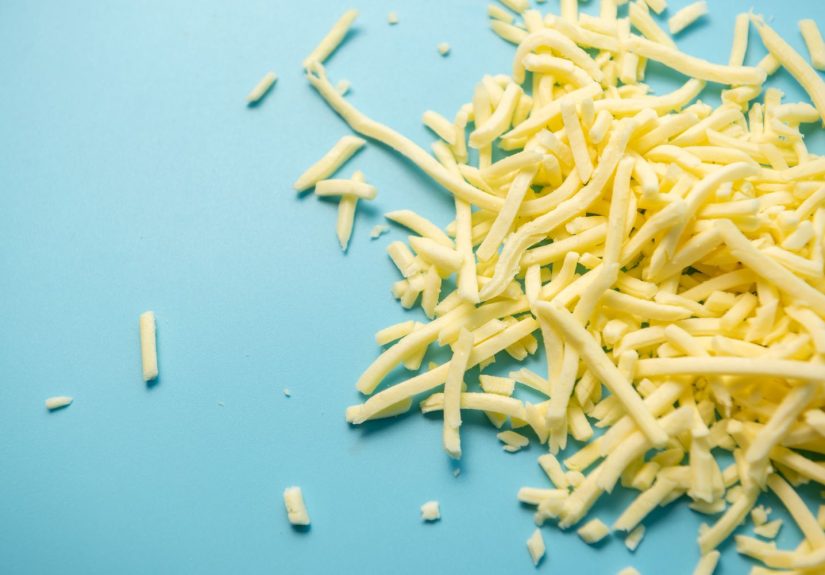
The affected products reportedly included low-moisture part-skim mozzarella shredded cheese, Italian-style shredded blends, pizza-style blends, mozzarella-and-provolone blends, and mozzarella-and-parmesan blends. In other words, it was not just the plain shredded mozzarella for pizza purists. It also reached the bagged blends people keep around for casseroles, baked pasta, lasagna, quesadillas, sheet-pan nachos, and the heroic emergency frozen pizza upgrade.
The recall covered products sold in 31 states and Puerto Rico, with sell-by dates running into early 2026. That meant many shoppers were not dealing with an ancient half-forgotten item from the back of the fridge. Some of these products were exactly the kind of everyday staples people buy in bulk, stash in the deli drawer, and use without a second thought.
Why the recall got so much attention
Food recalls happen regularly, but not all recalls hit the public radar in the same way. This one stood out for three big reasons.
First, the scale was large. Reports described the recall as covering more than 260,000 cases and well over 1 million bags of shredded cheese. That is enough product to affect households across a very wide geographic area.
Second, the products were sold under many store brands. A shopper might never have heard of the manufacturing company, but they definitely know the brand printed on the package they bought last weekend. That kind of broad retail exposure tends to create immediate consumer concern.
Third, the contamination risk involved metal fragments. Consumers may be familiar with recalls involving bacteria, allergens, or labeling mistakes. Metal in food feels different. It is not subtle, and it is not the kind of phrase anybody wants near dinner. Foreign material recalls get attention quickly because the hazard is intuitive. People do not need a science degree to understand why chewing on metal is a terrible plan.
What does a Class II recall mean?
The recall was classified by the FDA as Class II. That designation means use of or exposure to the product may cause temporary or medically reversible adverse health consequences, while the probability of serious consequences is considered remote.
That language is important because it sits in the middle ground between “mild technical issue” and “highest-level emergency.” A Class II recall does not mean the product is harmless. It means regulators believe there is a real problem that warrants action, but the risk profile is lower than the most severe recall category.
Consumers sometimes hear “not the highest class” and mentally translate that into “probably fine.” That is not the right takeaway. If the concern is metal fragments, the safe move is still simple: do not eat it. A lower classification is not permission to shrug and sprinkle it onto spaghetti anyway.
Why metal fragments are a serious issue
Metal contamination in food can cause mouth injuries, damage to teeth, throat lacerations, and internal injury if swallowed. The size, shape, and sharpness of the fragments matter, of course, but this is not a “just pick it out” situation. Food-safety experts and regulators treat foreign material seriously for a reason.
Unlike spoilage you can see or smell, metal contamination may not be obvious before a bite is taken. That is part of what makes these recalls so unsettling. A bag of shredded cheese can look completely normal and still be the wrong thing to put on your plate.
Which products and retailers were involved?
One reason the recall felt so massive is that it affected a broad mix of product types and retailers. Shoppers saw names they actually buy, not some obscure specialty item that only appears in one gourmet shop next to a $14 olive tapenade.
Brands and store labels tied to the recall reportedly included products sold under names such as Good & Gather, Great Value, Happy Farms, Publix, Food Club, Sprouts Farmers Market, H-E-B, Hill Country Fare, and others. Some reports also highlighted Borden, Brookshire’s, Lucerne Dairy Farms, Schnucks, and additional regional or private-label names.
The product list was broad because the issue was not framed around one flavor or one store-exclusive bag. It reached several categories of shredded cheese products, including everyday mozzarella and blended varieties used in common meals. That matters because shredded cheese is a “grab it without thinking” kind of grocery item. Consumers buy it on autopilot, which means recalls involving it require extra attention.
Why private-label food recalls can look bigger than they first appear
This recall is also a great example of how the grocery business really works behind the curtain. Many retailers rely on large manufacturers to produce store-brand goods. The packaging changes. The names change. Sometimes even the font tries its best to convince you that one bag is living a completely different life from the bag beside it. But the production source may be the same.
So when one facility, ingredient stream, or supplier has a problem, that issue can spread across a surprisingly long list of shelf labels. From the consumer perspective, it can feel like half the dairy aisle has suddenly entered the group chat with bad news. From the industry perspective, it is the predictable math of centralized manufacturing.
That is why checking brand name alone is not enough during a recall. Consumers need to look at the specific product type, size, UPC, lot or batch information if listed, and sell-by date. It is boring, yes. It is also the difference between tossing the right bag and accidentally keeping the wrong one because it looked familiar in a different color scheme.
What should consumers do if they have the recalled cheese?
If you have any shredded cheese product that could be part of the recall, the safest move is straightforward: do not eat it.
- Check the package carefully, including the brand, size, UPC, and sell-by date.
- If it matches the recall information, do not cook with it, taste it, or “use just a little.”
- Discard the product or return it to the retailer for a refund, depending on store policy.
- Clean any food-contact surfaces the product may have touched, especially if the package was opened.
- If someone may have consumed an affected product and is concerned about injury, contact a medical professional.
The big mistake consumers make during recalls is turning them into a personal risk-calculation project. “Well, I already used half the bag and nothing happened.” “It looked fine.” “I melted it, so maybe that fixed it.” None of those thoughts improve the situation. Heat does not magically remove metal fragments, and luck is not a food-safety strategy.
Why this recall says so much about food safety in 2026
Food recalls can make people feel like the food system is falling apart. In reality, recalls are often a sign that monitoring, traceability, supplier communication, and enforcement systems are doing what they are supposed to do: identify a problem, isolate it, and get affected product out of circulation.
That does not mean everything worked perfectly. No consumer is thrilled that the issue existed in the first place. But a recall becoming public is better than a hazard remaining invisible. The uncomfortable truth is that a recall is bad news delivered through a functioning safety mechanism.
This case also highlights how dependent the modern grocery system is on supplier relationships. One raw material issue can move through manufacturing channels quickly. For companies, that means supplier verification, equipment controls, foreign-material detection systems, and rapid communication protocols are not optional extras. They are survival tools.
For retailers, the lesson is just as clear. When a recall affects store-brand products, consumers are not parsing the finer points of supply-chain responsibility. They see the store label and assume the store owns the trust problem. That means retailers need fast, visible, consumer-friendly recall communication, not legal-sounding notices buried where nobody looks.
What brands should learn from this moment
There is also a reputational lesson here. Shoppers can forgive a recall more easily than they forgive confusion. The brands and retailers that handle these moments best tend to do three things well: they identify the issue clearly, tell people exactly what to do, and avoid hiding behind mushy corporate language.
Consumers do not want a long speech about “an abundance of caution” if it takes three clicks to figure out whether the cheese in the fridge is affected. They want plain English, visible dates, clear product photos when possible, and refund guidance that does not require detective work.
In the age of screenshots, social sharing, and fast-moving health headlines, clarity is not just good customer service. It is part of the response itself.
The bigger takeaway for shoppers
If there is one lesson for consumers, it is this: keep an eye on recall alerts for staple foods, not just specialty items. The products most likely to be overlooked are often the most ordinary ones. Shredded cheese, frozen vegetables, bagged salads, crackers, peanut butter, deli meat, cereal, and yogurt all have one thing in common. They live in the “I buy this all the time” category, which means they often escape scrutiny once they enter the house.
It helps to keep original packaging until a product is opened and used up, especially with items stored for several days or weeks. It also helps to resist the universal human impulse to throw away outer labels the second groceries come home. Yes, the fridge looks tidier. But the UPC and date code usually disappear with the wrapper, and that is exactly the information you want during a recall.
And maybe, just maybe, this is a reminder not to treat shredded cheese as a permanent resident of the refrigerator. It is a grocery item, not a family heirloom. Rotate it, use it, and check it when headlines say to.
Experiences shoppers and home cooks can relate to during a recall
One reason this shredded cheese recall struck a nerve is that it landed in the middle of ordinary life. This was not a rare imported item or a once-a-year specialty product. This was shredded cheese, the weeknight workhorse of American kitchens. It goes on tacos, pizza, eggs, casseroles, garlic bread, baked potatoes, soups, and whatever else needs a little dairy optimism. So when a recall like this happens, the experience for shoppers is immediate and weirdly personal.
For some households, the first moment is disbelief. People see a headline and think, “That sounds bad, but surely not my cheese.” Then they open the fridge, spot a suspiciously familiar bag, and suddenly dinner becomes an investigation. It is the modern domestic thriller nobody asked for: one hand on the package, one hand on the phone, squinting at a UPC code under the refrigerator light like it contains state secrets.
Another common experience is frustration with how many store brands look interchangeable. Consumers often buy based on price, convenience, or habit, not because they have memorized which manufacturer sits behind each label. A recall exposes that hidden layer fast. The same shopper may realize that the bag from one store and the bag from another were never really as different as they seemed. Different graphics, same problem. Grocery branding can be a costume party.
Then there is the “I literally just bought this” feeling. Recalls involving staple foods create a special kind of annoyance because they interrupt routine. People meal-plan around shredded cheese. Parents use it for kid-friendly dinners. Busy workers throw it into fast lunches. Home cooks buy the family-size bag because it saves time. Suddenly that convenience item becomes one more task on an already crowded day: verify, bag up, return, replace, re-plan dinner, explain to everyone why taco night has become a rice bowl situation.
Some consumers also feel rattled because foreign-material recalls sound especially vivid. A bacterial hazard can feel abstract to people who do not follow food-safety news closely. Metal fragments are easier to picture, which makes the concern feel more immediate. Even shoppers whose products are not affected may find themselves checking labels more carefully for a while afterward. That is not panic. That is the food system reminding people it works best when consumers pay attention too.
There is also a more practical side to these experiences. Shoppers learn quickly that keeping packaging matters. The people who tossed the bag into another container right away often have the hardest time verifying whether their product is involved. The ones who kept the original label feel oddly vindicated, like they have won a tiny administrative battle against chaos.
In the end, recalls like this are inconvenient, sometimes alarming, and definitely not what anyone wants with dinner. But they also create a small shift in consumer behavior. People read labels more closely. They understand private-label foods a little better. They realize that “ordinary” products still deserve attention. And for at least a week or two, the humble bag of shredded cheese gets treated with the seriousness usually reserved for airport security.
Conclusion
The massive shredded cheese recall issued after metal fragments were found in the product was a sharp reminder that everyday grocery staples are part of a far more complex supply chain than most consumers ever see. What looked like many separate products on store shelves was, in reality, a connected manufacturing story that spread across brands, retailers, and states.
The good news is that recalls exist for a reason: to get potentially unsafe products out of kitchens before they can do harm. The less-good news is that consumers still have to do their part by checking packages carefully, following recall guidance, and resisting the temptation to assume a familiar food is automatically a safe one.
So yes, this was a cheese story. But it was also a trust story, a labeling story, and a reminder that food safety is not something that only matters in factories and government offices. It matters in the refrigerator, on the cutting board, and in the everyday decisions people make when they reach for what should have been the easiest ingredient in the meal.