Table of Contents >> Show >> Hide
- What Is Psyllium, Exactly?
- Psyllium Husks vs. Psyllium Powder: The Biggest Benefits
- Key Differences Between Psyllium Husks and Psyllium Powder
- Is One Form More Effective Than the Other?
- How to Take Psyllium Safely
- Possible Side Effects of Psyllium Husks and Psyllium Powder
- Which Form Is Better for Baking and Recipes?
- Final Verdict on Benefits of Psyllium Husks vs. Psyllium Powder
- Real-World Experiences With Psyllium Husks vs. Psyllium Powder
- SEO Tags
If fiber had a publicist, psyllium would be booked solid. It shows up in digestive health conversations, heart health discussions, and that one friend’s kitchen cabinet right next to the protein powder and good intentions. But once you start shopping, you’ll notice a tiny identity crisis: some products are labeled psyllium husks, while others say psyllium powder. Same plant, different form, and plenty of confusion.
So which one is better? The short answer: both can offer many of the same health benefits because both come from the husk of the Plantago ovata seed. The bigger difference is usually not whether they work, but how they fit into your routine. Psyllium husks tend to be coarser and more textured, while psyllium powder is ground more finely and often mixes more smoothly. In other words, this is less a battle of “good vs. evil” and more a showdown between “rustic charm” and “smooth operator.”
If you are trying to choose between psyllium husks vs. psyllium powder, this guide breaks down the real benefits, practical differences, possible side effects, and how to decide which form makes the most sense for your gut, your pantry, and your patience.
What Is Psyllium, Exactly?
Psyllium is a form of fiber made from the outer husk of the seeds of Plantago ovata. It is widely used as a bulk-forming fiber supplement. When mixed with water, psyllium absorbs liquid and forms a gel-like substance in the digestive tract. That gel is the star of the show. It helps bulk stool, soften bowel movements, and slow digestion in ways that may support cholesterol and blood sugar management.
Both psyllium husks and psyllium powder come from the same source. The main difference is processing:
Psyllium Husks
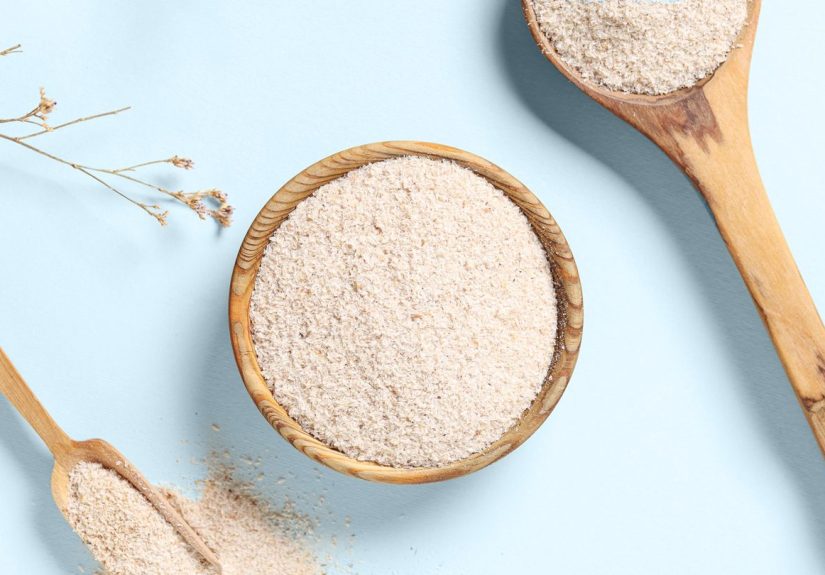
This form is usually closer to the original husk. It tends to look flaky, coarse, and slightly more “natural food store in a mason jar” in appearance. Because the particles are larger, the texture is more noticeable when mixed into liquid or food.
Psyllium Powder
This form is more finely ground. It often mixes more evenly, thickens more quickly, and can be easier to blend into smoothies, yogurt, oatmeal, and baking recipes. Some products call it “smooth” powder for a reason: it usually has a less gritty mouthfeel than whole husks.
From a health perspective, both forms can support digestion and regularity. The real winner is often the one you are actually willing to use consistently.
Psyllium Husks vs. Psyllium Powder: The Biggest Benefits
1. Both Can Help Relieve Constipation
This is the classic psyllium claim to fame. Because psyllium absorbs water and increases stool bulk, it can help make bowel movements easier to pass. That is why it is commonly used as a bulk-forming laxative for occasional constipation.
Whole husks and powder both do this job well. If your main goal is regularity, there usually is not a dramatic health advantage to one form over the other. The bigger difference is usability. Some people like the more substantial texture of husks, while others find powder easier to drink before it turns into something suspiciously close to wallpaper paste.
2. Both May Help With Loose Stools, Too
Here is one of fiber’s great plot twists: psyllium is not just for constipation. Because it forms a gel and absorbs water, it may also help improve stool consistency when bowel movements are loose. In plain English, it can help bring a little order to digestive chaos.
That means psyllium may be useful for people who swing between constipation and diarrhea or who simply want more predictable bowel habits. Again, the form matters less than the fiber itself.
3. Both Support Heart Health Through Soluble Fiber
Psyllium is rich in soluble fiber, and that matters for cholesterol. Soluble fiber helps bind substances in the gut and can reduce how much cholesterol is absorbed. This is one reason psyllium has long been associated with lower LDL, the so-called “bad” cholesterol.
If you are comparing benefits of psyllium husks vs. psyllium powder, this is an important point: the cholesterol-related advantage comes from the soluble fiber, not from whether the supplement is coarse or finely ground. If two products provide a similar amount of psyllium fiber, they may offer similar heart-health support.
That said, label reading matters. One serving of a product may not equal another. A teaspoon of one powder may contain a different amount of fiber than a tablespoon of whole husks. The package, not the scoop’s personality, tells the real story.
4. Both May Help With Blood Sugar Management
Because psyllium forms a gel-like substance that slows digestion, it may help slow the rise of blood sugar after meals. That does not make it a replacement for diabetes care, medication, or a balanced eating pattern. But it can be a useful support tool for some people when used as part of a broader plan.
In the husks-versus-powder debate, neither form automatically wins on this benefit. The helpful effect comes from the fiber itself. The best option is usually the one that fits most easily into meals and daily habits.
5. Both May Improve Fullness and Appetite Control
Fiber can help you feel fuller, which may make it easier to avoid random snack attacks that begin with “I’m just going to have one cracker” and end with an empty box and a shrug. Psyllium’s gel-forming quality may support satiety, especially when paired with meals or used in foods that already contain protein and healthy fats.
Powder may have a slight practical edge here because it often blends more easily into smoothies, yogurt bowls, and oatmeal. Whole husks can also work, but the texture is more obvious, which some people enjoy and others treat like a personal betrayal.
6. Both May Help Some People With IBS Symptoms
Soluble fiber is often better tolerated than harsher, more irritating fibers. For some people with irritable bowel syndrome, psyllium may help improve overall symptoms, especially when introduced slowly. It is not a miracle cure, and not everyone responds the same way, but it has more support than many random digestive “hacks” floating around online.
If you have IBS, the choice between husks and powder may come down to texture tolerance and dose control. Powder is often easier to measure and blend in smaller amounts when you are starting low and going slow.
Key Differences Between Psyllium Husks and Psyllium Powder
Texture and Mouthfeel
This is the most obvious difference. Whole psyllium husks are coarser and more noticeable in liquid. Psyllium powder is finer, smoother, and often easier to drink quickly. If texture is a dealbreaker for you, powder usually wins.
Mixing and Convenience
Powder generally mixes more evenly into beverages and soft foods. Husks can work well too, but they may float, clump, or create a more rustic texture. For baking, smoothies, and recipes where you want fiber without extra graininess, psyllium powder is often the more convenient option.
Speed of Thickening
Because the particles are smaller, powder often thickens liquid faster. That can be helpful if you want a smoother mixture, but it also means you need to drink it promptly. Whole husks may feel slightly less intense at first, though they still gel as they sit.
Serving Size and Label Differences
Do not compare spoonful to spoonful without checking the label. Whole husk and powder products can differ in density, added flavors, sweeteners, and fiber per serving. A product that looks smaller on the spoon may still provide a meaningful amount of fiber. This is why “which is stronger?” is not always the right question. “How much fiber does this serving actually provide?” is much better.
Is One Form More Effective Than the Other?
For most people, no form has a universal health advantage. If the products contain similar amounts of psyllium fiber, the benefits are often similar. The biggest real-world factor is consistency. A supplement that lives untouched in your cabinet because you hate the texture is not doing much for your digestion.
Choose psyllium husks if you:
- prefer a less processed feel
- do not mind texture in drinks or food
- want to stir it into cereals, oats, or hearty recipes
Choose psyllium powder if you:
- want smoother mixing in water or smoothies
- prefer a finer texture
- plan to use it in baking or recipes where texture matters
If you are still unsure, the simplest answer is this: pick the version you can take regularly, with enough water, without making a dramatic face every morning.
How to Take Psyllium Safely
This is the part people tend to underestimate. Psyllium must be taken with enough liquid. Really enough. Not “I waved a glass of water in its general direction” enough. The fiber absorbs water and swells, so inadequate fluid can make things worse instead of better.
General best practices include:
- start with a small amount and increase gradually
- drink plenty of fluids throughout the day
- follow the product label exactly
- take it at least a couple of hours apart from some medications when advised
People with swallowing difficulties, certain bowel conditions, or sudden unexplained changes in bowel habits should talk with a healthcare professional before using psyllium. And if you are taking medications for diabetes, thyroid disease, cholesterol, seizures, depression, or heart conditions, it is smart to ask whether timing matters.
Possible Side Effects of Psyllium Husks and Psyllium Powder
Most people tolerate psyllium well when they start slowly and hydrate properly. Still, it is not completely drama-free. Common side effects can include:
- gas
- bloating
- cramping
- a feeling of fullness
These effects are often worse when someone starts with too much too fast. Allergic reactions are uncommon but possible. More serious problems can happen if psyllium is taken without enough fluid or by someone who has trouble swallowing. That is why the water rule is not optional.
Which Form Is Better for Baking and Recipes?
If your goal is sneaking more fiber into everyday foods, psyllium powder usually has the edge. It blends better into smoothies, protein shakes, yogurt, pancake batter, muffins, and gluten-free baking. It can also help with texture in some recipes because it thickens and binds.
Whole husks can work in recipes too, especially in oatmeal, homemade cereals, or heartier baked goods. But they tend to be more visible and more noticeable on the palate. Some people love that; others prefer the stealth mode of powder.
Final Verdict on Benefits of Psyllium Husks vs. Psyllium Powder
When it comes to benefits of psyllium husks vs. psyllium powder, the truth is refreshingly un-dramatic. Both forms can support digestive health, relieve constipation, improve stool consistency, support healthy cholesterol levels, and help with fullness and blood sugar management. The most important difference is not that one is magically healthier. It is that one may fit your habits better.
If you want a coarser, more natural-feeling fiber, psyllium husks may be your pick. If you want smoother mixing, easier blending, and a more flexible recipe ingredient, psyllium powder may be the better match. Either way, the best results usually come from using the product consistently, increasing gradually, and drinking enough water to keep your digestive system happy rather than confused.
In the end, this is one of those wellness choices where “best” is personal. Your gut does not care whether your fiber looks rustic or refined. It mostly cares whether you took it correctly.
Real-World Experiences With Psyllium Husks vs. Psyllium Powder
In everyday life, people often discover that the difference between psyllium husks and psyllium powder is less about marketing language and more about routine. Someone who buys whole husks for the first time may love the idea of a minimally processed fiber, then realize that the texture in plain water is, let us say, memorable. The benefit is still there, but enjoyment may not be. For that person, switching to powder can make the habit easier to stick with, and consistency is where the real payoff begins.
Other people have the opposite experience. They try powder, notice that it thickens fast, and feel like they are racing the clock to drink it before it turns into a gel. Whole husks may feel easier for them because the texture is more gradual and less paste-like at the start. This does not mean one form is medically better. It means personal preference can decide whether a supplement becomes a daily staple or an abandoned container on a top shelf.
Many users also notice that psyllium works best when they stop expecting overnight magic. A lot of the positive experiences people report come from starting with a small amount, giving the body time to adjust, and pairing the supplement with enough water and a generally fiber-friendly eating pattern. People who jump in too aggressively often describe the less glamorous side of the story first: gas, bloating, and regret. People who ease in slowly usually have a smoother experience.
There is also a practical difference in how people use each form. Powder tends to win with smoothie drinkers, yogurt bowl fans, and anyone who likes sneaking fiber into recipes without changing texture too much. Whole husks often appeal to people who stir fiber into oatmeal or cereal and do not mind a little extra chew and body. Some home bakers prefer powder because it integrates more neatly into doughs and batters, while others like whole husks in hearty breads where texture is welcome rather than hidden.
One common real-life lesson is that label reading matters more than people expect. Two containers may both say “psyllium,” but serving sizes, fiber grams, flavorings, and sweeteners can vary. People sometimes assume they changed forms when what actually changed was the dose. That can affect how full they feel, how their digestion responds, and how easy the product is to tolerate.
Another pattern people often notice is that psyllium becomes much easier to appreciate once it is attached to a goal. Someone focused on regular bowel movements may care most about comfort and timing. Someone trying to support heart health may care more about getting enough soluble fiber consistently. Someone working on appetite control may prefer the form that fits best into breakfast or lunch. The “best” choice often becomes obvious once the goal is clear.
In real-world use, then, psyllium husks vs. psyllium powder is rarely a question of which one has superhero powers. It is usually a question of which form feels manageable, tolerable, and easy to repeat. And in the world of fiber, repeatability is where the benefits start looking a lot less theoretical and a lot more useful.