Table of Contents >> Show >> Hide
- 1. Grizzly Man Is Not Really a Bear Movie
- 2. The Film Was Built from Timothy Treadwell’s Own Footage
- 3. Timothy Treadwell Spent More Than a Decade in Bear Country
- 4. Katmai Is Real Bear Country, Not a Cute Wilderness Backdrop
- 5. Werner Herzog and Timothy Treadwell Are Basically Arguing Through the Whole Film
- 6. The Documentary Refuses to Exploit the Worst Moment
- 7. It Is Weirdly Funny in Places
- 8. The Movie Became a Critical Favorite Almost Immediately
- 9. It Was a Modest Box Office Hit with a Huge Cultural Footprint
- 10. The Real Fascination Is Human, Not Animal
- Why Grizzly Man Still Matters Today
- Experiences Related to Grizzly Man: What the Film Feels Like to Watch
- Conclusion
- SEO Tags
Grizzly Man is not the kind of documentary you casually throw on while folding laundry. One minute, you think you are watching a film about bears in Alaska. The next, you realize you are watching a strangely funny, deeply sad, and oddly philosophical story about obsession, loneliness, performance, and the very bad idea of treating apex predators like oversized woodland roommates.
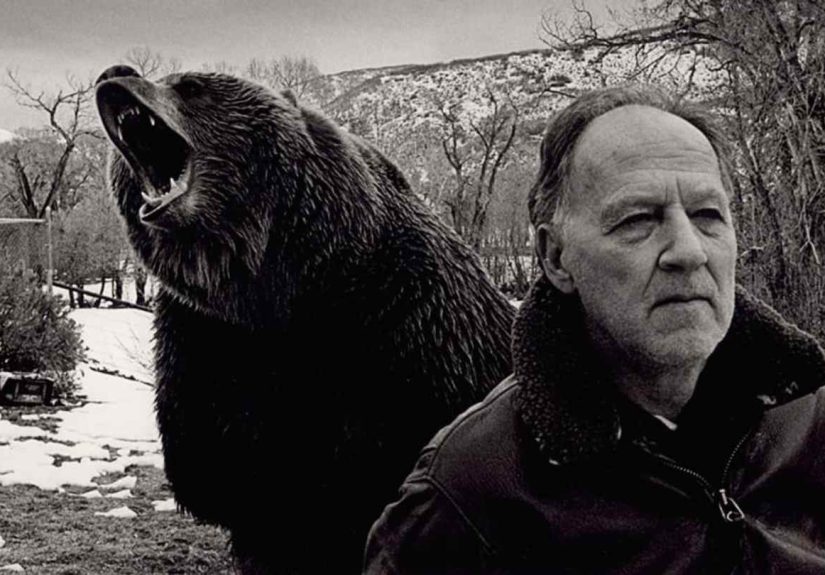
Directed by Werner Herzog, Grizzly Man tells the story of Timothy Treadwell, a self-styled bear protector who spent years filming himself among brown bears in Alaska’s Katmai National Park and Preserve. What makes the movie unforgettable is that it is never just about wildlife. It is about the stories people build around themselves, the risks they call purpose, and the uncomfortable truth that nature does not care about anyone’s personal brand.
If you have heard the title before but never pressed play, here are 10 fascinating facts about Grizzly Man that explain why this documentary still claws its way into film discussions, wildlife debates, and “movies that messed me up a little” lists.
1. Grizzly Man Is Not Really a Bear Movie
Yes, there are bears. Lots of them. Enormous ones. Fluffy-looking ones. Bears with names that sound like they should be running a small-town diner. But Grizzly Man is not a standard nature documentary. It is a character study disguised as a wildlife film, and that distinction matters.
Instead of explaining migration patterns, salmon runs, and bear biology in a neat classroom voice, the movie focuses on Timothy Treadwell himself. Herzog is interested in Treadwell’s mind, not just his habitat. The result feels less like a National Park brochure and more like a front-row seat to a very complicated human drama.
That is part of what makes the documentary so gripping. You are not simply learning about the wilderness. You are watching one man try to invent a new identity inside it. And the wilderness, being the wilderness, refuses to play along.
2. The Film Was Built from Timothy Treadwell’s Own Footage
One of the most remarkable facts about Grizzly Man is that much of its power comes from footage Treadwell shot himself. He did not just visit Alaska and snap a few scenic photos. He spent years recording his camps, his speeches, his encounters with bears, and his increasingly theatrical relationship with the wild.
That gives the movie an intimacy most documentaries never get. Treadwell is not being interpreted from a distance. He is presenting himself, sometimes sincerely, sometimes dramatically, and often with the energy of a man who seems to be directing his own myth in real time.
His footage swings wildly between beautiful and unnerving. One moment, it captures stunning close-ups of animals and landscapes. The next, it feels like a video diary from someone standing one emotional gust away from the edge. Herzog turns that footage into something bigger than a biography. He turns it into a dialogue between filmmaker and subject, even though one of them is no longer alive to answer back.
3. Timothy Treadwell Spent More Than a Decade in Bear Country
Treadwell was not a one-summer adventurer with a camcorder and an attention span problem. He spent 13 summers in Alaska, returning again and again to live near brown bears in Katmai. That long commitment is one reason people still debate him today.
To some viewers, he looks fearless and devoted. To others, he looks reckless and catastrophically overconfident. The truth is that both impressions can exist at the same time. Treadwell clearly cared about the animals, and he also repeatedly put himself in situations that wildlife professionals would call a giant red flag wearing hiking boots.
His long stay in bear country also helps explain why the film is so compelling. This was not a stunt, at least not in his own mind. It was a lifestyle, a mission, and maybe even a spiritual calling. That seriousness makes the story harder to dismiss and much harder to forget.
4. Katmai Is Real Bear Country, Not a Cute Wilderness Backdrop
One of the most important things to understand about Grizzly Man is the setting. Katmai National Park and Preserve is not some vague cinematic “wild place.” It is one of the premier brown bear viewing areas in the world. In other words, this is not a petting zoo with dramatic weather.
That matters because the film can tempt viewers into seeing the environment through Treadwell’s romantic lens. He talks to the bears, names them, and acts as if he has entered into a fragile but meaningful friendship with them. The park’s actual safety culture says something much less poetic: keep your distance, respect the animals, and do not act like you are auditioning for a doomed remake of The Jungle Book.
In Katmai, people are prohibited from approaching bears within 50 yards in key situations, especially around concentrated food sources. That rule exists because bears are wild, powerful, and unpredictable. Grizzly Man becomes even more striking when you realize that Treadwell was not simply living near bears. He was rejecting the logic that people use to survive around them.
5. Werner Herzog and Timothy Treadwell Are Basically Arguing Through the Whole Film
Here is one of the smartest things about Grizzly Man: Herzog does not turn Treadwell into a saint, a clown, or a villain. He lets him remain complicated. At the same time, Herzog clearly disagrees with Treadwell’s view of nature.
Treadwell seems to believe that the natural world contains affection, kinship, and a sort of mystical harmony. Herzog, meanwhile, sees indifference, danger, and chaos. So the documentary quietly becomes a philosophical argument. Treadwell says the wilderness can love you back. Herzog says the wilderness does not know your name, and it is not learning it today.
That tension gives Grizzly Man its bite. The movie is not merely asking what happened to Treadwell. It is asking whether his entire worldview was doomed from the start. That is why the film continues to spark debates long after the credits roll. It is not just about a man and some bears. It is about how humans insist on projecting meaning onto a world that does not always return the favor.
6. The Documentary Refuses to Exploit the Worst Moment
The story behind Grizzly Man includes an audio recording from the fatal attack that killed Treadwell and Amie Huguenard. The camera was running, but the lens cap was on, so only the sound was captured. Herzog chose not to include that audio in the film.
That decision is one of the reasons the documentary feels serious instead of sensational. A lesser film would have dangled the recording like a cheap horror gimmick. Herzog does the opposite. He lets the viewer understand its existence without turning tragedy into spectacle.
The choice preserves a sense of dignity, and it also makes the film more disturbing in a strange way. By refusing to show or play everything, Grizzly Man reminds the audience that some boundaries should remain intact. In a movie about a man who kept crossing boundaries, that restraint lands hard.
7. It Is Weirdly Funny in Places
Calling Grizzly Man funny sounds almost rude, but the movie absolutely has humor. Dark humor, awkward humor, accidental humor, and the kind of humor that sneaks up on you and then makes you feel a little guilty for laughing.
Treadwell can be theatrical, charming, corny, and unintentionally hilarious. Herzog’s narration adds another layer, because his grave, philosophical delivery often collides with footage that is bizarrely earnest. The contrast creates a tone that is unlike almost any other documentary. It is tragic, but it is also absurd in the way human behavior often is when people are trying very hard to turn themselves into legends.
This tonal complexity is one reason the film has lasted. Grizzly Man is not emotionally flat. It can make you laugh, then wince, then think, then stare into the middle distance like you just got assigned a term paper on the meaning of wilderness.
8. The Movie Became a Critical Favorite Almost Immediately
Grizzly Man did not quietly wander into the film world and mumble hello. It premiered at Sundance, won the Alfred P. Sloan Feature Film Prize, and earned major praise from critics. Reviewers admired the way Herzog transformed unusual source material into a layered meditation on nature, obsession, and identity.
Its critical reputation has remained strong. That is notable because many documentaries fade once the awards season confetti gets swept away. Grizzly Man did not. It kept showing up in conversations about the best documentaries of the 2000s, the most distinctive Herzog films, and the strangest true stories ever captured on screen.
In other words, this is not just a film-school favorite for people who own three turtlenecks and say “cinematic language” a lot. It is a documentary that genuinely stuck in the culture.
9. It Was a Modest Box Office Hit with a Huge Cultural Footprint
By blockbuster standards, Grizzly Man did not stomp through theaters like a summer franchise giant. Its theatrical run was relatively modest. But for a documentary, it performed well and built a much larger legacy than its box office numbers might suggest.
That is often the mark of an important nonfiction film. It does not need superhero money to have staying power. It needs a strong voice, a memorable subject, and enough intellectual splinters to keep poking viewers for years. Grizzly Man has all three.
It also helped introduce many audiences to Herzog’s nonfiction work. For some viewers, this was the gateway documentary that made them realize nonfiction cinema could be funny, philosophical, unsettling, and artistically strange all at once. Not bad for a film that starts with a guy insisting he has a special relationship with bears.
10. The Real Fascination Is Human, Not Animal
The most fascinating fact about Grizzly Man may be the simplest one: the bears are not really the mystery. People are.
Treadwell remains compelling because he seems to embody several American myths at once. He is the self-invented outsider. The wounded dreamer. The activist-performer. The man who goes into the wilderness hoping to be purified by it, only to discover that nature does not hand out emotional participation trophies.
The documentary suggests that Treadwell was searching for something the human world had not given him. Respect, belonging, meaning, purpose, maybe all of the above. The bears became part of that search, but they were never actually reading the same script. That disconnect is the tragedy at the center of the film.
And that is why Grizzly Man still feels so alive. It is not just a story about wildlife gone wrong. It is a story about what happens when a person tries to escape ordinary life by entering a place that refuses to care about his personal reinvention arc.
Why Grizzly Man Still Matters Today
Nearly two decades after its release, Grizzly Man still feels relevant because modern audiences understand performance better than ever. Today, people constantly document themselves, narrate themselves, brand themselves, and build identities in front of cameras. Treadwell did that too, just with more mud, more foxes, and substantially worse safety planning.
Seen through a contemporary lens, the documentary feels eerily current. It asks whether a recorded life is ever the same as a lived one. It asks what happens when someone starts believing the version of themselves they perform for others. It asks whether sincerity and self-dramatization can exist in the same person. Spoiler: absolutely.
That is what makes Grizzly Man more than a cautionary tale. It is a haunting portrait of a man who wanted communion with the wild and ended up revealing something painfully familiar about human longing. The bears may get top billing, but the real subject is the risky, messy, deeply human desire to be chosen by something bigger than yourself.
Experiences Related to Grizzly Man: What the Film Feels Like to Watch
Watching Grizzly Man is an experience that lingers long after the movie ends, partly because it never settles into one emotional lane. It begins with the awe of Alaska, the hypnotic beauty of open land, thick brush, rough coastlines, and bears moving through the landscape with the confidence of creatures that belong there. For a while, the film can feel almost peaceful. It invites the viewer into Treadwell’s version of the wilderness, where every fox seems like a sidekick, every gust of wind feels meaningful, and every close bear encounter looks like proof that he has unlocked a secret code of trust.
Then the mood shifts. Not with jump scares or dramatic music, but with accumulation. Little moments begin to stack up. Treadwell gets too close. He talks too much like a man who believes affection can override biology. He performs for the camera in ways that are funny, then sad, then alarming. The experience of watching the documentary becomes less about observing wildlife and more about sensing that a collision is built into the story. You are not waiting to find out if something is wrong. You are watching to understand how a person can drift so far into a belief that danger starts to look like destiny.
There is also a strange intimacy to the film. Because so much of the footage was shot by Treadwell himself, the audience does not feel like it is watching an ordinary documentary assembled from clean interviews and polished archive clips. It feels closer, messier, and more personal. It is like finding a box of tapes from someone who wanted desperately to be seen and discovering that he revealed more than he understood. That can make the viewing experience uncomfortable, but in a productive way. The discomfort forces attention.
Another part of the experience is tonal whiplash. Grizzly Man is genuinely moving, but it is also unexpectedly funny. A viewer may laugh at one of Treadwell’s dramatic monologues, then immediately feel bad for laughing because the film keeps exposing the pain underneath the performance. That emotional instability is part of what makes the movie memorable. It never lets the audience relax into a simple opinion. Admiration, disbelief, sympathy, irritation, and sadness all take turns at the wheel.
By the end, the film often leaves viewers with a specific kind of unease. Not just grief, and not just shock, but a sharper awareness of how humans invent stories to survive themselves. Grizzly Man can make the wilderness feel majestic, terrifying, and morally neutral all at once. It can also make a living room feel very quiet. That is a rare effect. Plenty of documentaries inform. A few entertain. But only a handful create the sensation that you have just spent two hours staring at the border between wonder and delusion. Grizzly Man does exactly that, and that experience is a big reason people keep returning to it.
Conclusion
Grizzly Man remains one of the most fascinating documentaries ever made because it refuses to be simple. It is about Timothy Treadwell, but it is also about storytelling, identity, performance, wilderness, and the dangerous distance between loving nature and misunderstanding it. The film is beautiful, funny, unnerving, and deeply sad, sometimes all in the same scene.
If you are looking for a straightforward wildlife documentary, this is not it. But if you want a gripping film that explores the blurry line between devotion and delusion, Grizzly Man is still an unforgettable watch. It is the kind of documentary that leaves you thinking about bears, yes, but also about people, which is somehow much scarier.