Table of Contents >> Show >> Hide
- What Does “Ride or Die” Mean?
- Where Did “Ride or Die” Come From?
- Is “Ride or Die” Romantic?
- How to Use “Ride or Die” in a Sentence
- Ride or Die vs. Loyal: What Is the Difference?
- Is “Ride or Die” Always Positive?
- Healthy “Ride or Die” Loyalty Looks Like This
- Unhealthy “Ride or Die” Loyalty Looks Like This
- Common Ways People Use “Ride or Die” Today
- Similar Phrases and Synonyms
- Can You Use “Ride or Die” at Work?
- Should You Hyphenate “Ride-or-Die”?
- Examples of “Ride or Die” in Real-Life Situations
- When Not to Use “Ride or Die”
- Experience Section: What “Ride or Die” Teaches Us About Real Relationships
- Conclusion
If someone calls you their “ride or die,” congratulations: you have officially been promoted from ordinary human to emotional emergency contact, snack-sharing partner, late-night crisis consultant, and possibly the person they trust to tell them when their outfit is giving “laundry day.”
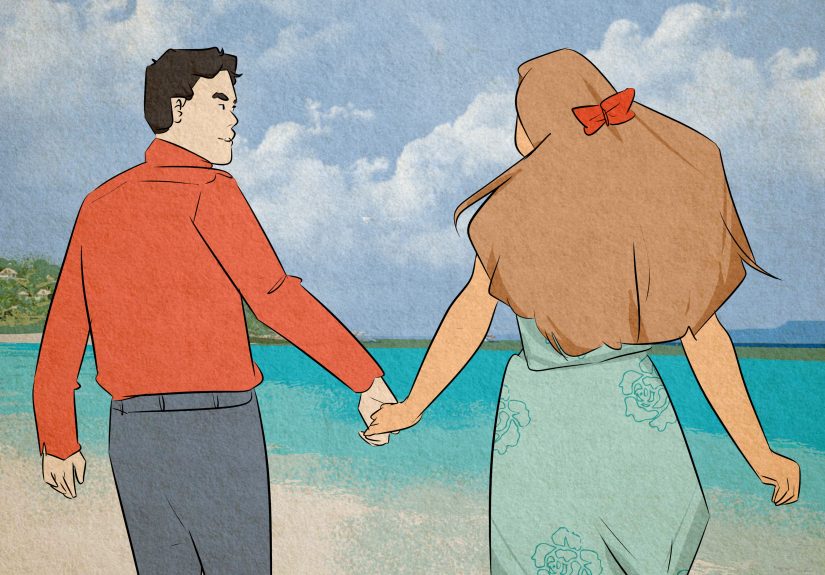
But what does ride or die actually mean? In modern American English, “ride or die” describes someone who is deeply loyal, supportive, and committed through good times, bad times, awkward group dinners, terrible haircuts, and life’s “please tell me this is not happening” moments. It can refer to a best friend, romantic partner, sibling, teammate, fan, or even a favorite product you refuse to abandon.
Still, the phrase has layers. It can be sweet, funny, intense, casual, romantic, or even a little unhealthy depending on how it is used. So before you tattoo it on a matching hoodie, let’s break down the meaning, origin, correct usage, examples, alternatives, and when “ride or die” needs a tiny seat belt called boundaries.
What Does “Ride or Die” Mean?
Ride or die means someone is extremely loyal and willing to stay by your side no matter what. A ride-or-die person is dependable, protective, emotionally present, and committed. They do not vanish the second life becomes inconvenient. They show up when the plan falls apart, when your confidence is hiding under the couch, and when everyone else suddenly “didn’t see your text.”
In simple terms, a ride or die is your most loyal person. They are the one who has your back, supports your growth, tells you the truth, and sticks with you through difficult seasons. The phrase can be used as a noun, adjective, or casual expression of devotion.
Quick Definition
A ride or die is a person who remains loyal, supportive, and committed through both easy and difficult situations.
Example: “Maya is my ride or die. She helped me move apartments, survived my breakup playlist, and still answers my calls.”
Where Did “Ride or Die” Come From?
The phrase “ride or die” became widely known through hip-hop culture, especially in the 1990s and early 2000s. In that context, it often described fierce loyalty, particularly in romantic relationships or street-life narratives. The idea was dramatic: someone would “ride” with you through danger or “die” trying.
Over time, the phrase moved from music and urban slang into mainstream American English. Today, people use it much more broadly. Your ride or die might be your spouse, your childhood best friend, your sister, your dog, your favorite coffee order, or the lip balm you buy in bulk because losing one feels like a national emergency.
The meaning has softened in everyday use. It no longer has to suggest danger, illegal behavior, or reckless sacrifice. Most people now use “ride or die” to mean strong loyalty, deep friendship, emotional dependability, and long-term support.
Is “Ride or Die” Romantic?
Sometimes, yes. “Ride or die” is often used in romantic relationships to describe a partner who stays loyal and supportive during hard times. For example, someone might say, “My wife is my ride or die,” meaning she has been there through challenges, changes, and the mysterious disappearance of every phone charger in the house.
But the phrase is not only romantic. It works just as naturally for friendship, family, fandom, work teams, pets, and personal favorites. A best friend can be your ride or die. A sibling can be your ride or die. A coworker who covers for you during a chaotic presentation can briefly become your corporate ride or die.
Romantic Example
“We have been through career changes, long-distance stress, and one truly cursed IKEA furniture build. He is my ride or die.”
Friendship Example
“Tasha is my ride-or-die best friend. She celebrates my wins and politely stops me from texting my ex.”
Funny Everyday Example
“This hot sauce is my ride or die. I put it on eggs, tacos, pizza, and probably one day cereal if life gets weird enough.”
How to Use “Ride or Die” in a Sentence
The phrase can function in several ways. The spelling may change slightly depending on how it appears in the sentence.
1. As a Noun
Use “ride or die” to refer to a person or thing you are deeply loyal to.
- “She is my ride or die.”
- “My brother has always been my ride or die.”
- “These sneakers are my ride or die for travel days.”
2. As an Adjective
When it comes before a noun, many writers hyphenate it as ride-or-die.
- “She is my ride-or-die friend.”
- “That is ride-or-die loyalty.”
- “They have a ride-or-die bond.”
3. With “For”
You can also say you are “ride or die for” a person, team, place, brand, or hobby.
- “I am ride or die for my hometown team.”
- “She is ride or die for iced coffee.”
- “He is ride or die for his family.”
Ride or Die vs. Loyal: What Is the Difference?
“Loyal” is the standard word. It sounds clean, serious, and appropriate in almost any setting. You can use it in a job interview, wedding toast, or professional email without making anyone wonder if you are about to start a motorcycle club.
“Ride or die” is more emotional, casual, and intense. It suggests loyalty with personality. It feels warmer, louder, and more dramatic than simply saying “loyal.” Calling someone loyal is nice. Calling someone your ride or die sounds like you have survived at least one emotional thunderstorm together and possibly a road trip with no air conditioning.
Use loyal when you want to sound polished. Use ride or die when you want to sound personal, affectionate, casual, or funny.
Is “Ride or Die” Always Positive?
Not always. In healthy relationships, “ride or die” means support, trust, and commitment. But the phrase can become unhealthy if it means ignoring your own needs, tolerating disrespect, enabling bad choices, or proving love through suffering.
Real loyalty does not require you to abandon your boundaries. A good ride-or-die relationship should include honesty, safety, respect, and mutual support. If someone expects you to be “ride or die” while they treat you badly, that is not love. That is emotional unpaid labor wearing sunglasses.
A healthy ride or die says, “I am here for you, and I will tell you the truth.” An unhealthy version says, “I will support anything you do, even if it hurts me or someone else.” The first one is loyalty. The second one is a red flag doing cartwheels.
Healthy “Ride or Die” Loyalty Looks Like This
- Showing up during hard times without keeping score.
- Encouraging someone to make better choices.
- Being honest, even when the truth is uncomfortable.
- Protecting the relationship without losing yourself.
- Supporting someone’s growth, not their chaos.
- Respecting boundaries, privacy, and personal values.
Unhealthy “Ride or Die” Loyalty Looks Like This
- Covering for harmful behavior.
- Staying silent when someone is being cruel or reckless.
- Believing love means never saying “no.”
- Feeling guilty for having boundaries.
- Letting another person’s drama control your life.
- Confusing sacrifice with devotion.
The best kind of ride-or-die bond is not blind loyalty. It is brave loyalty. It says, “I love you enough to stand beside you, and I respect you enough to be honest with you.”
Common Ways People Use “Ride or Die” Today
In Friendships
This is probably the most common modern use. A ride-or-die friend is the person who knows your history, your patterns, your coffee order, and the exact tone of voice that means you are pretending to be fine. They support you, hype you up, and lovingly drag you back to reality when needed.
In Relationships
Couples use the phrase to describe commitment and partnership. It can be romantic when both people are equally supportive. The key word is equally. A ride-or-die relationship should not mean one person rides while the other person keeps creating potholes.
In Family
People often use “ride or die” for siblings, cousins, parents, or chosen family. It captures the feeling of someone who has been there from the beginning and will still defend you even after seeing your middle school photos.
For Favorite Things
The phrase can also be playful. People say a skincare product, sports team, restaurant, TV show, or snack is their ride or die. This means it is a favorite they trust completely.
Example: “This moisturizer is my ride or die. My skin and I have signed a long-term contract.”
Similar Phrases and Synonyms
If “ride or die” feels too casual or intense, try one of these alternatives:
- loyal friend
- trusted companion
- best friend
- day one
- partner in crime
- real one
- constant supporter
- my person
- through thick and thin
- always in my corner
Each phrase has a slightly different flavor. “My person” feels emotional and intimate. “Day one” emphasizes someone who has been there since the beginning. “Partner in crime” is playful. “Through thick and thin” is classic and works well in more formal writing.
Can You Use “Ride or Die” at Work?
Yes, but carefully. In casual workplace conversation, you might say, “Our design team is ride or die,” meaning the team is dependable and collaborative. But in formal business writing, “ride or die” may sound too slangy. Use “highly committed,” “dependable,” “loyal,” or “deeply supportive” instead.
Good workplace use: “Our project manager is ride or die during launch week.”
Better formal version: “Our project manager is highly dependable during launch week.”
Should You Hyphenate “Ride-or-Die”?
Use hyphens when the phrase comes before a noun as a compound adjective.
- Correct: “She is my ride-or-die friend.”
- Correct: “That is ride-or-die energy.”
- Also correct: “She is my ride or die.”
When the phrase stands alone after a verb like “is,” people often write it without hyphens: “He is my ride or die.” In casual writing, you will see both versions. For polished content, hyphenate it before a noun and leave it open when it stands alone.
Examples of “Ride or Die” in Real-Life Situations
Text Message
“Thanks for picking me up after my car died. You are truly my ride or die.”
Instagram Caption
“Ten years of friendship, bad decisions, good outfits, and endless laughter. My ride or die forever.”
Birthday Post
“Happy birthday to my ride-or-die best friend. Life is less terrifying and more hilarious with you in it.”
Product Review
“This backpack is my travel ride or die. It has survived airports, rainstorms, and my inability to pack lightly.”
Sports Fan Talk
“I am ride or die for this team, even when they test my blood pressure weekly.”
When Not to Use “Ride or Die”
Avoid using “ride or die” in very formal situations, legal documents, academic essays, professional bios, or serious contexts where slang could sound unclear. It may also be inappropriate if the situation involves actual danger, abuse, manipulation, or pressure to ignore personal safety.
Also, do not call someone your ride or die if you barely know them. That is not loyalty; that is a networking event moving too fast.
Experience Section: What “Ride or Die” Teaches Us About Real Relationships
Most people learn the meaning of “ride or die” through experience long before they learn the phrase. You find out who your real people are when life becomes inconvenient. Not glamorous-inconvenient, like “my phone is at 3%.” Actually inconvenient. Moving-day inconvenient. Hospital-waiting-room inconvenient. Career-fell-apart inconvenient. Heartbreak-at-1-a.m. inconvenient.
A true ride or die is not always the loudest person in your circle. Sometimes it is the friend who quietly remembers the date of your big interview and texts, “You’ve got this.” Sometimes it is the sibling who makes fun of you relentlessly but shows up with soup when you are sick. Sometimes it is the partner who does not just celebrate your wins but also helps you rebuild after your losses. Real loyalty often looks less like a dramatic movie scene and more like someone bringing extra napkins, listening without checking their phone, or saying, “I’m coming over,” when you did not even know how to ask for help.
One of the biggest lessons connected to “ride or die” loyalty is that support should not be performative. The best people do not make you audition for their care. They do not show up only when there is an audience, a camera, or a chance to look noble. They are steady in small ways. They remember details. They tell you when you are wrong without humiliating you. They celebrate your success without secretly treating it like a personal attack.
At the same time, experience also teaches that being someone’s ride or die does not mean becoming their emotional storage unit. Loyalty is beautiful, but it should not require self-erasure. If a friend constantly expects rescue but never accountability, that is not a bond; that is a subscription service you forgot to cancel. If a partner says, “I thought you were ride or die” whenever you set a boundary, they are not asking for love. They are asking for permission to avoid consequences.
The healthiest ride-or-die relationships have balance. Both people give. Both people listen. Both people apologize. Both people grow. There is room for honesty, not just hype. There is room for “I love you,” but also room for “Please do not do that again.” That kind of loyalty is stronger because it is rooted in respect rather than fear of abandonment.
In everyday life, “ride or die” can also remind us to appreciate dependable people. Send the text. Say thank you. Buy the coffee. Write the birthday message that is slightly embarrassing but deeply deserved. The people who stay steady during your messy chapters are rare. They deserve more than a casual “lol thanks.” They deserve recognition, kindness, and maybe first dibs on the fries.
So, what does ride or die mean in real life? It means choosing people with care and showing up with integrity. It means loyalty with a backbone. It means standing beside someone without losing yourself. And sometimes, yes, it means answering the phone even though you know the story will begin with, “Okay, don’t be mad, but…”
Conclusion
“Ride or die” means loyal, committed, and supportive through thick and thin. It can describe a best friend, romantic partner, family member, fan, or even a favorite product you trust with your entire dramatic little heart. The phrase has roots in hip-hop culture and has grown into a mainstream expression for deep devotion.
Used well, “ride or die” is warm, funny, and meaningful. It celebrates the people who show up, stay honest, and stand beside us during life’s chaos. But the best version of ride-or-die loyalty includes boundaries. Real love does not ask you to disappear inside someone else’s problems. Real loyalty helps both people become better, safer, and stronger.
Note: This article uses “ride or die” as a language and relationship expression. Healthy loyalty should always include respect, safety, honesty, and personal boundaries.