Table of Contents >> Show >> Hide
- Why Decorate Plastic Containers?
- Before You Start: How to Prepare Plastic Containers
- 1. Paint Plastic Containers for a Custom Look
- 2. Cover Plastic Containers with Fabric, Paper, or Decoupage
- 3. Decorate Plastic Containers with Vinyl Labels, Rope, and Trim
- Safety and Durability Tips
- Best Decorating Method by Room
- Common Mistakes to Avoid
- Experience-Based Tips for Decorating Plastic Containers
- Conclusion
Plastic containers are the quiet workhorses of the home. They hold craft supplies, pantry snacks, holiday ornaments, bathroom extras, mystery cords, and occasionally that one lidless container everyone keeps “just in case.” Useful? Absolutely. Beautiful? Not always. The good news is that with a little creativity, those plain plastic bins, tubs, jars, and storage boxes can become stylish organizers that look like they belong on a shelfnot hidden behind one.
Decorating plastic containers is also a smart way to reuse what you already own. Instead of buying brand-new storage baskets every time your closet develops a personality crisis, you can refresh old containers with paint, fabric, vinyl labels, paper, rope, or simple trim. The trick is choosing the right decorating method for the type of plastic, the container’s purpose, and how much handling it will get.
Below are three practical, attractive, and beginner-friendly ways to decorate plastic containers. Each method includes tips for prep, materials, durability, and real-life use, so your finished project does not peel off faster than a toddler removes socks.
Why Decorate Plastic Containers?
Before we jump into the glue, paint, and “where did I put the scissors?” phase, let’s talk about why this project is worth doing. Plastic containers are affordable, lightweight, stackable, and easy to clean. But many of them look plain, mismatched, or too utilitarian for open shelving, laundry rooms, playrooms, bathrooms, offices, and kitchens.
Decorating them can help you:
- Make everyday storage look more intentional and stylish.
- Match containers to your home decor or seasonal theme.
- Create labeled systems for toys, pantry goods, tools, craft supplies, or toiletries.
- Reuse containers instead of throwing them away too soon.
- Turn basic bins into personalized gifts, party storage, or classroom organizers.
One important note: if a container is used for food, decorate only the outside and avoid placing paint, glue, vinyl, fabric, or sealers on surfaces that touch food. For lunch boxes, leftover containers, or pantry jars, focus on exterior labels, removable wraps, or decorative lids rather than coating the inside.
Before You Start: How to Prepare Plastic Containers
Plastic can be a little stubborn. Paint and glue do not always bond well to slick, shiny surfaces. That is why preparation matters. Think of it as the warm-up before the workout, except your plastic bin will not complain about burpees.
Clean the Surface Thoroughly
Wash the container with warm water and mild dish soap to remove dust, oil, sticker residue, and mystery grime. Dry it completely. For containers that have held food, make sure there is no grease left behind, because grease is the enemy of adhesion.
Lightly Sand Glossy Plastic
If the container is very smooth or shiny, lightly scuff the surface with fine-grit sandpaper. You are not trying to carve your initials into it; you just want to give paint or glue something to grip. Wipe away sanding dust with a clean cloth.
Test a Small Area First
Different plastics behave differently. A quick test patch helps you see whether paint sticks, vinyl lifts, or glue dries clearly. This is especially useful if you are decorating flexible plastic bins, takeout containers, or containers that will be handled often.
Choose the Right Method for the Job
For decorative display containers, you can use paint, fabric, decoupage, or trim. For containers that need frequent washing, removable labels or waterproof vinyl are usually better. For high-touch bins, avoid fragile embellishments that will snag, peel, or shed glitter like a craft-store snowstorm.
1. Paint Plastic Containers for a Custom Look
Painting is one of the fastest ways to transform plastic containers. It works especially well on storage bins, drawer organizers, plastic baskets, plant pots, toy tubs, and old containers that need a complete makeover. With the right primer and technique, a plain bin can look modern, colorful, or even high-end.
Best Containers for Painting
Painting is ideal for rigid plastic containers that will not be flexed constantly. It works well for:
- Plastic storage totes
- Drawer organizers
- Craft supply bins
- Bathroom caddies
- Plastic planters
- Office supply containers
Avoid painting surfaces that will bend often or be scrubbed heavily. Paint can chip if the plastic flexes too much, especially around corners and handles.
Supplies You’ll Need
- Mild soap and water
- Fine-grit sandpaper
- Plastic bonding primer or spray paint made for plastic
- Spray paint or acrylic paint suitable for plastic
- Painter’s tape
- Drop cloth or cardboard
- Clear protective sealer, optional
Step-by-Step Painting Method
Step 1: Clean and dry. Wash the container and let it dry completely. Paint does not bond well to dust, oil, or moisture.
Step 2: Sand lightly. Scuff glossy areas with fine-grit sandpaper. This improves adhesion and helps prevent peeling.
Step 3: Tape off areas. Use painter’s tape to protect handles, clear windows, labels, or areas you want to leave unpainted.
Step 4: Prime the plastic. Use a primer designed for plastic surfaces, especially if you are using regular spray paint or acrylic paint. Apply thin, even coats and let each coat dry according to the product instructions.
Step 5: Paint in light coats. Several thin coats usually look better and last longer than one heavy coat. Heavy paint can drip, bubble, or take forever to cure. Nobody wants a sticky storage bin that collects lint like it has a hobby.
Step 6: Let it cure. Drying and curing are not the same. Paint may feel dry quickly but still need extra time to harden fully. Give painted containers at least 24 to 48 hours before heavy use, or longer if the paint label recommends it.
Creative Paint Ideas
Paint gives you plenty of design options. Try a matte white finish for a clean pantry look, soft sage green for a laundry room, black or charcoal for a modern office, or bright colors for a kids’ playroom. You can also create stripes, color-blocked sections, stencil patterns, or faux ceramic effects.
For a stylish storage wall, paint several containers the same color and add matching labels. This creates a cohesive look even if the containers came from different brands, years, or mysterious garage corners.
Pro Tips for Better Results
Paint outdoors or in a well-ventilated area. Keep the spray can moving to avoid heavy patches. If you are painting a container that will sit on a shelf, paint the visible sides first. For clear plastic bins, you can paint only the inside of the front panel if the container will hold dry, non-food items; this gives a smooth glossy look from the outside. However, do not paint inside containers used for food, pet treats, or anything that may come in direct contact with the coating.
2. Cover Plastic Containers with Fabric, Paper, or Decoupage
If paint feels too permanent or you want texture, fabric and paper are excellent decorating choices. This method is perfect for turning plain plastic bins into cozy, decorative storage for shelves, closets, craft rooms, nurseries, bathrooms, and home offices.
Decoupage is the art of attaching paper or fabric to a surface using glue or a decoupage medium. It sounds fancy, but it is basically “glue with ambition.” When done carefully, it can make a plastic container look like a boutique organizer.
Best Containers for Fabric and Paper Covering
This method works best on containers that are mostly stationary, such as:
- Open-front storage bins
- Plastic cube organizer bins
- Desk supply boxes
- Bathroom storage tubs
- Seasonal decor containers
- Gift baskets or party favor boxes
It is less ideal for containers that are washed often or used in damp areas unless you seal them carefully and keep decorations away from wet surfaces.
Supplies You’ll Need
- Fabric, wrapping paper, scrapbook paper, wallpaper scraps, or decorative napkins
- Decoupage medium or craft glue suitable for plastic
- Foam brush
- Scissors or craft knife
- Ruler or measuring tape
- Fine-grit sandpaper
- Clear sealer, optional
Step-by-Step Decoupage Method
Step 1: Measure the container. Measure the sides you want to cover. Add a little extra material at the edges so you can trim cleanly.
Step 2: Cut your material. Cut fabric or paper panels before applying glue. This prevents panic-cutting, which is rarely a graceful art form.
Step 3: Prep the plastic. Clean the surface and lightly sand slick areas. Wipe away dust.
Step 4: Apply a thin layer of adhesive. Use a foam brush to spread a thin, even layer of decoupage medium or glue over one section at a time.
Step 5: Smooth the material. Place the fabric or paper on the glued area and gently smooth from the center outward to remove bubbles and wrinkles.
Step 6: Seal the surface. Once dry, brush another thin layer of decoupage medium over the top if the material allows it. Fabric may need extra smoothing, while delicate paper should be handled gently to avoid tearing.
Decorating Ideas with Fabric and Paper
Use linen-look fabric for a calm, modern storage bin. Try floral paper for craft supplies, gingham for picnic items, botanical wallpaper scraps for plant care tools, or kraft paper with black labels for farmhouse-style pantry storage. Decorative napkins can create a painted look without requiring painting skills, which is excellent news for those of us whose “freehand flowers” look like confused sea creatures.
You can also cover only the front panel of a bin instead of wrapping the whole container. This saves materials and keeps the project cleaner. For clear plastic containers, place decorative paper inside the front panel for a removable design that can be changed seasonally.
How to Make It Last Longer
Keep fabric-covered containers away from frequent splashes unless sealed. Avoid overloading covered bins, because heavy use can pull at glued edges. If the container has handles, cut around them neatly instead of covering them. For corners, fold fabric like gift wrap and secure edges with extra adhesive.
3. Decorate Plastic Containers with Vinyl Labels, Rope, and Trim
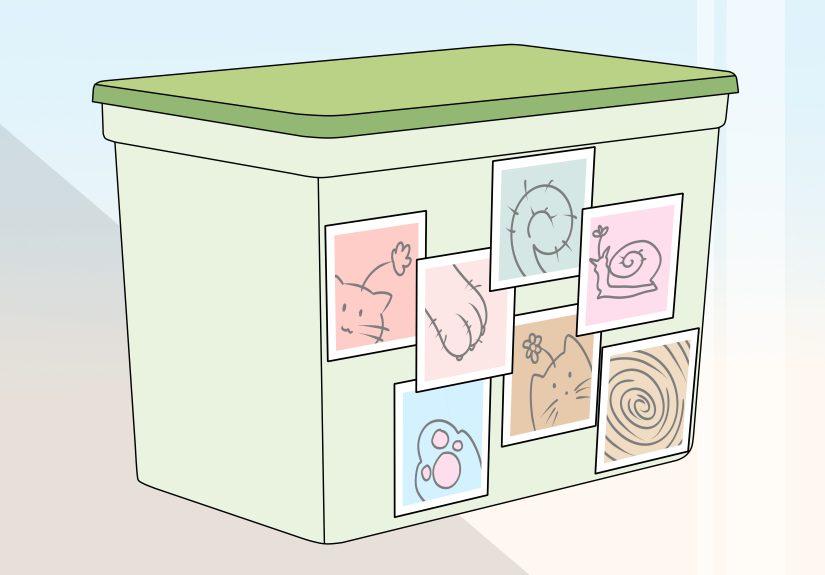
The third method is perfect for anyone who wants style without fully covering or painting the container. Vinyl labels, rope, ribbon, contact paper, washi tape, leather pulls, and decorative trim can upgrade plastic containers quickly while keeping them functional.
This is also the best option for organizing projects because labels make containers easier to use. A beautiful bin is nice. A beautiful bin that tells you exactly where the batteries are? That is domestic luxury.
Best Containers for Labels and Trim
This method works well for nearly any container, including:
- Pantry containers
- Clear storage boxes
- Bathroom bins
- Kids’ toy containers
- Garage and tool bins
- Office file boxes
- Closet organizers
Supplies You’ll Need
- Permanent vinyl, adhesive labels, or waterproof label stickers
- Transfer tape, if using cut vinyl
- Rubbing alcohol for cleaning label areas
- Rope, jute, ribbon, or decorative trim
- Hot glue or strong craft adhesive, if adding trim
- Scissors
- Measuring tape
Step-by-Step Vinyl Label Method
Step 1: Clean the label area. Wipe the surface with rubbing alcohol and let it dry. This removes oils that can prevent labels from sticking.
Step 2: Choose simple lettering. Use clear, readable words such as “Snacks,” “First Aid,” “Craft Paint,” “Batteries,” “Pet Supplies,” or “Winter Hats.” Avoid tiny fonts on textured plastic because they may lift at the edges.
Step 3: Apply slowly. Position the vinyl, press from the center outward, and smooth out bubbles. A small scraper or credit card works well.
Step 4: Let adhesive set. Give vinyl labels time to bond before washing or heavy handling. Many adhesives become stronger after resting.
Step-by-Step Rope or Trim Method
Step 1: Plan the placement. Rope looks great around the top rim, bottom edge, or handles. Ribbon works well as a border on front panels.
Step 2: Glue in small sections. Apply adhesive gradually and press the trim into place. Working too fast can lead to crooked trim, also known as “craft regret.”
Step 3: Hide the seams. Place the beginning and end of rope or ribbon at the back or underside of the container.
Step 4: Add a label. A hanging tag, chalkboard sticker, or vinyl word label gives the container a finished look.
Creative Label and Trim Ideas
For a clean pantry, use clear containers with white or black vinyl labels. For a playroom, use colorful labels with simple icons so children can help clean up. For bathroom bins, add jute rope around the top edge for a spa-inspired look. For office storage, try matte black labels and brass-style adhesive pulls. For holiday storage, use bold red, green, gold, or silver labels so you can find decorations quickly next year instead of opening six identical bins and discovering only tangled lights.
Safety and Durability Tips
Decorated plastic containers should stay useful, not become delicate museum pieces. Here are a few practical tips to help your project survive real life.
Decorate the Outside Only for Food Containers
If the container holds food, decorate only exterior surfaces. Do not apply paint, glue, sealers, fabric, or vinyl to areas that touch food or beverages. Labels on the outside are usually the safest and simplest choice.
Be Careful with Heat and Moisture
Heat can affect plastic and adhesives. Avoid microwaving decorated containers unless all materials used are specifically labeled safe for that purposeand even then, exterior decorations may not hold up well. Hand washing is often better than dishwashing for decorated containers.
Match the Finish to the Use
A painted container may look beautiful on a shelf but may not survive being tossed into a garage every weekend. For heavy-duty storage, use labels and minimal trim. For decorative storage in low-traffic areas, fabric and paint can shine.
Use Reusable Design When Possible
For containers that change purposes often, use removable labels, label sleeves, clip-on tags, or chalkboard stickers. This keeps your storage flexible. Today’s “Craft Supplies” bin may become tomorrow’s “Tax Documents” bin, which is less fun but admittedly necessary.
Best Decorating Method by Room
Kitchen and Pantry
Use waterproof labels, simple vinyl lettering, or removable tags. Keep decorations away from food-contact surfaces. Clear containers with matching labels create a tidy, easy-to-read pantry system.
Bathroom
Choose moisture-resistant materials. Vinyl labels, rope accents, and sealed painted finishes work well. Avoid untreated paper decorations near sinks or showers.
Kids’ Rooms and Playrooms
Use bright colors, picture labels, and durable finishes. Painted bins with large vinyl labels make cleanup easier. If children will handle the containers daily, skip fragile embellishments.
Home Office
Try neutral paint, fabric panels, or clean labels. Matching containers can make shelves look organized even when one bin secretly contains old chargers, sticky notes, and three pens that no longer work.
Garage and Laundry Room
Function comes first. Use large waterproof labels and high-contrast colors. Paint may work, but labels are usually more practical for containers exposed to dust, temperature changes, or frequent movement.
Common Mistakes to Avoid
Skipping Surface Prep
This is the most common reason paint peels or labels fall off. Clean first, sand if needed, and let everything dry fully.
Using the Wrong Paint
Not all paint bonds well to plastic. Use paint made for plastic or apply a plastic bonding primer before painting.
Applying Thick Coats
Thick paint, thick glue, and thick sealer can dry unevenly. Thin layers usually create a smoother, more durable finish.
Decorating High-Friction Areas
Handles, corners, and lids get touched constantly. Keep decorations simple in these zones or expect wear over time.
Forgetting the Container’s Purpose
A glamorous fabric-covered bin may be perfect for scarves but not ideal for muddy gardening tools. Choose style and materials based on how the container will actually be used.
Experience-Based Tips for Decorating Plastic Containers
After decorating plastic containers for closets, craft corners, pantry shelves, and the occasional “please make this garage look less chaotic” weekend project, one lesson stands out: the simplest design is often the one you will still like six months later. It is tempting to add paint, ribbon, labels, charms, stickers, and maybe a tiny bow because the craft drawer is open and everyone has lost supervision. But plastic containers usually look best when the design is clean, practical, and easy to maintain.
For example, painting an entire container can be dramatic, but painting only the front panel is often more useful. It gives the container a polished appearance on a shelf while leaving the sides flexible and less likely to chip. This approach works especially well for cube storage, office bins, and toy containers. A matte finish tends to look more modern, while satin paint is easier to wipe clean. Glossy finishes can look sharp, but they also show scratches and fingerprints more easily.
Fabric-covered containers are wonderful when you want softness and texture. I have found that heavier cotton, canvas, and linen-look fabrics are easier to work with than thin silky fabrics. Thin fabric can wrinkle, stretch, or reveal glue marks. If you are new to fabric covering, start with one flat front panel rather than wrapping the entire container. Once you get comfortable smoothing edges and corners, you can move on to full coverage. A patterned fabric is also forgiving because it hides small bubbles and uneven spots better than a solid color.
Vinyl labels are the most practical upgrade for everyday storage. They do not require much space, they look tidy, and they help everyone in the house understand the system. The secret is to label by category, not by overly specific item. “Baking” is better than “Flour, Sugar, Chocolate Chips, Sprinkles, Baking Powder, and That One Bag of Coconut.” Short labels are easier to read and easier to reuse later.
For kids’ rooms, picture labels are surprisingly helpful. A bin with the word “Blocks” is fine, but a bin with the word and a small block icon is easier for younger children. It also turns cleanup into less of a treasure hunt. Use large labels and place them at eye level when the container is on a shelf.
Another experience-based tip: do not decorate the bottom of containers unless they are purely decorative. The bottom gets scraped, stacked, and dragged. Any paint, paper, or fabric underneath will wear quickly. Put your energy where the eye goes first: front panels, lids, handles, and top rims.
If you are decorating containers for a pantry or bathroom, moisture matters. Even a beautiful paper label can curl if the room is humid. Laminated labels, vinyl, or sealed tags are better choices. In a pantry, clear containers with simple labels are usually more effective than fully covered containers because you can see what is inside. For closets, covered containers are great because the contents are not always display-worthy. Nobody needs to see the “random winter accessories and one lonely glove” collection.
For large storage totes, I recommend using bold labels rather than complicated decoration. Holiday bins, garage bins, and attic bins need to be readable from a distance. Use large vinyl letters or label holders that can be swapped out. If the tote is dark, use light labels. If it is clear, place a label on both the front and lid so you can identify it whether it is stacked or sitting on a shelf.
Finally, remember that decorated storage should make life easier, not more precious. If a container becomes too delicate to use, it has missed its calling. The best decorated plastic containers are attractive enough to leave out, durable enough to handle, and clear enough to help you find what you need without muttering dramatic things in the closet.
Conclusion
Decorating plastic containers is one of those small home projects that delivers a surprisingly big payoff. With paint, fabric or paper, and vinyl labels or trim, you can turn plain storage into something organized, personal, and attractive. The key is to prepare the plastic properly, choose materials that match the container’s use, and keep food safety in mind when decorating kitchen items.
Whether you want a coordinated pantry, a cheerful playroom, a calmer bathroom shelf, or a craft room that no longer looks like a glitter tornado passed through, these three methods give you flexible options. Start with one container, test your materials, and build from there. Before long, you may find yourself eyeing every empty tub in the house and asking, “Could this be cuter?” The answer, very often, is yes.
Note: For containers used with food, decorate only the exterior and avoid applying paint, glue, vinyl, sealers, or fabric to any surface that touches food.