Table of Contents >> Show >> Hide
- What Makes a Freebie Truly “Fab”?
- The Honest Company Angle: Why This Topic Still Works
- Let’s Be Honest About “Clean” Claims
- Freebies, Giveaways, and the Fine Print Nobody Wants to Read
- How to Judge a Clean-Home Product Before You Love It
- The Psychology of a Great Giveaway
- What “Honest” Should Mean to Consumers
- Practical Examples: Where a Fab Freebie Helps Most
- How Brands Can Make Freebies More Trustworthy
- Reader Experience: Testing the “Fab Freebie” Mindset at Home
- Conclusion: A Fab Freebie Should Feel Good After the Excitement Fades
Everybody loves a freebie. A good one feels like finding a twenty-dollar bill in last winter’s coat pocket, except without the lint and mystery mint. But Fab Freebie: Let’s Be Honest is more than a catchy giveaway-style title. It taps into something modern shoppers care about deeply: getting useful products without gambling their trust, their budget, or their cabinet space on items that only look good in a perfectly lit Instagram flat lay.
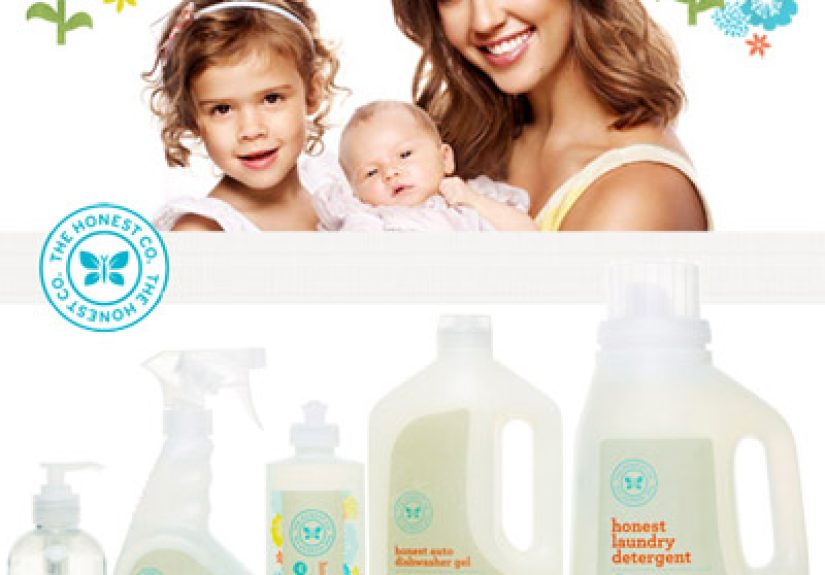
The phrase originally fits the spirit of a home-and-lifestyle giveaway: a chance to win products from The Honest Company, a brand known for family-focused personal care, diapers, wipes, household care, and “clean conscious” positioning. But the bigger idea still feels fresh today. We all want homes that are cleaner, calmer, safer, and less cluttered with questionable bottles promising to be “natural,” “green,” “pure,” “gentle,” and possibly blessed by a woodland fairy with a mop.
So let’s be honest. A fabulous freebie should not just be free. It should be useful. It should be transparent. It should not quietly enroll you in a subscription you forgot about until your card statement starts whispering, “Surprise.” And if it claims to be better for your family or the planet, it should give you more than soft colors, leafy graphics, and a label that looks like it drinks oat milk.
What Makes a Freebie Truly “Fab”?
A freebie becomes fabulous when it solves a real problem. In the home-care world, that might mean a bundle of baby wipes, diapers, personal care items, dish soap, surface cleaner, lotion, or laundry products that help a busy household run with fewer tiny disasters. Parents know this well. One minute the house is peaceful; the next minute there is applesauce on the wall, a suspicious smell near the couch, and a toddler proudly announcing, “I cleaned it!”
Free products can be a smart way to discover what works before committing to full-size purchases. This matters because household and personal care products are not one-size-fits-all. A detergent that works beautifully for one family may irritate another person’s skin. A scented cleaner may smell like a spa to one shopper and like a headache in a bottle to someone else. A diaper brand may fit one baby perfectly and turn another baby into a professional leak-testing consultant.
That is why the best freebies offer practical value. They let people test performance, texture, scent, packaging, durability, and comfort in real life. Not showroom life. Real life, where someone opens a cabinet with one hand while holding a baby, a snack, a phone, and the last shred of patience.
The Honest Company Angle: Why This Topic Still Works
The Honest Company built its public identity around cleanly formulated, thoughtfully designed family products. Its categories have included diapers, wipes, baby personal care, beauty, household care, wellness, and related essentials. That product mix makes sense for a giveaway because these are items people actually use. A free decorative object is nice. A free bundle of family-care products during a week of spills, laundry, diaper changes, and sticky fingerprints? That is the lifestyle equivalent of applause.
The brand’s modern product messaging emphasizes ingredient choices, material standards, fragrance-free options in certain products, responsibly sourced materials, recycled shipping materials, and a “NO List” of ingredients and materials it chooses not to use. These details matter because shoppers have become more careful. They want to know what is in a product, what is not in it, and whether the company can explain the difference without sounding like a chemistry textbook fell into a marketing meeting.
Let’s Be Honest About “Clean” Claims
The word “clean” is everywhere. Clean beauty. Clean baby care. Clean laundry. Clean living. Clean snacks. Clean fonts, probably. But consumers should understand that “clean” is often a brand-defined term, not a magic regulatory stamp. That does not mean every clean product is suspicious. It means shoppers should read beyond the front label.
For example, a product calling itself “green” or “eco-friendly” should ideally explain what that means. Is the bottle made with recycled plastic? Are ingredients screened for human health and environmental impact? Is the formula low-VOC? Is the fragrance disclosed? Is there a third-party certification? Or is the label simply wearing a leaf costume and hoping nobody asks follow-up questions?
Good consumer habits are simple: read the ingredient list, check directions, look for specific claims, compare certifications, and be cautious of vague promises. A phrase like “made without parabens” is specific. A phrase like “better for everything and everyone forever” is not a claim; it is a motivational poster wearing product packaging.
Freebies, Giveaways, and the Fine Print Nobody Wants to Read
Freebies are fun, but the word “free” deserves a polite side-eye. A legitimate giveaway should be clear about who is eligible, what the prize includes, when the entry period ends, how the winner is selected, and whether purchase is required. A free trial should clearly explain whether it turns into a paid subscription. If a promotion requires payment, surprise fees, shipping costs, or a credit card, shoppers should slow down and read the details.
This is especially important with personal care and household products because free trials sometimes lead to auto-renewals. The first box feels delightful. The second box arrives unexpectedly. The third box becomes a small financial haunting. Suddenly the “freebie” has become a monthly relationship you never meant to define.
A smart rule: if a free offer asks for payment information, set a calendar reminder before the trial ends. If it includes pre-checked boxes, uncheck anything you do not want. If a prize notification asks you to pay money to claim winnings, treat it as suspicious. Real freebies should not require you to solve a financial escape room.
How to Judge a Clean-Home Product Before You Love It
A beautiful label can get your attention, but performance keeps a product in your home. When evaluating a household or family-care item, consider five practical questions.
1. Does It Do the Job?
A cleaner should clean. A wipe should wipe. A diaper should contain chaos with the seriousness of a tiny security team. Sustainability matters, but so does performance. If a product is gentle but ineffective, you may use more of it, buy replacements faster, or go back to harsher options out of frustration.
2. Are the Claims Specific?
Look for clear language. “Fragrance free,” “hypoallergenic,” “dermatologist tested,” “made without chlorine bleach,” “low-VOC,” “certified,” or “plant-based substrate” are more useful than broad claims like “earth smart” or “naturally amazing.” Specifics help shoppers compare products instead of decoding label poetry.
3. Is There Ingredient Transparency?
Ingredient lists are not always easy reading. Some names look like they should be guarded by a dragon. Still, transparent brands make it easier to understand what is inside and why it is there. If a company provides a glossary, explains material choices, or shares standards, that is a good sign.
4. Does It Fit Your Household’s Needs?
A product can be excellent and still not be right for you. Sensitive skin, allergies, asthma, pets, young children, septic systems, surface types, and scent preferences all matter. The best product is not always the trendiest one. It is the one that behaves well in your actual home.
5. Is It Safe to Use as Directed?
Even gentle-looking products need proper use. Read labels, ventilate rooms when needed, keep cleaning products away from children and pets, and never mix chemicals casually. The internet loves cleaning hacks, but your bathroom is not a laboratory, and your toilet bowl does not need a science fair volcano.
The Psychology of a Great Giveaway
Why do people get so excited about a freebie? Because it lowers risk. Trying a new brand can feel like a tiny consumer gamble. Will it work? Will it smell weird? Will it irritate skin? Will the bottle leak under the sink and create a mysterious blue puddle named Gerald? A giveaway removes some of that hesitation.
Giveaways also create emotional connection. A brand that lets people try products feels more approachable. A blog or publisher hosting the giveaway feels helpful. Readers feel included, especially when the prize is practical rather than absurdly niche. Nobody wants to win a left-handed artisanal spoon warmer unless, of course, they are building a very specific kitchen empire.
For publishers, a giveaway can also encourage community. Readers comment, share opinions, tell funny stories, and compare experiences. In the original home-blog spirit, the “Let’s Be Honest” theme invited people to talk about trust. That was clever because the best lifestyle content is not just about products. It is about the daily situations products enter: messy kitchens, bedtime routines, laundry mountains, and the eternal question of whether that mystery stain is washable or now part of the family history.
What “Honest” Should Mean to Consumers
Honesty in consumer products should mean more than a brand name. It should mean clarity. If a product is fragrance free, shoppers should understand whether that means no added fragrance or simply no noticeable scent. If a package says plant-based, shoppers should know which part is plant-based and what percentage that represents. If a company claims better sustainability, it should share details about packaging, sourcing, manufacturing, or certifications.
Honesty also means acknowledging trade-offs. A product may use more responsible materials but cost more. A fragrance-free formula may smell plain. A sustainable package may be less glossy. A gentle cleaner may require a little more dwell time. That does not make the product bad. It makes the conversation more realistic.
Consumers are tired of being marketed to like they have never seen a label before. They want brands to speak plainly: “Here is what this product does. Here is what it does not do. Here is why we made these choices. Here is how to use it safely.” Revolutionary? Maybe not. Refreshing? Absolutely.
Practical Examples: Where a Fab Freebie Helps Most
A clean-home product bundle is especially useful in high-traffic areas of life. In the kitchen, a plant-forward dish soap or surface cleaner can help manage crumbs, grease, and the sticky aftermath of children discovering syrup. In the nursery, wipes and diapers are not luxury items; they are survival gear with cute patterns. In the laundry room, fragrance-free detergent can be helpful for households that prefer fewer scents or have sensitive skin concerns.
In the bathroom, gentle personal care products can help people test whether a lotion, shampoo, body wash, or balm fits their routine. That matters because personal care is personal. A product can have glowing reviews and still not work for your skin, hair, climate, water hardness, or patience level at 7:12 a.m.
A freebie gives room to experiment without turning the shopping cart into a financial trust fall. And when the prize comes from a brand known for family essentials, the odds are good that at least part of the bundle will be used quickly. Free products are most exciting when they do not sit in a closet until the next archaeological era.
How Brands Can Make Freebies More Trustworthy
Brands can improve freebie campaigns by making the rules simple and the product information easy to find. A strong giveaway page should clearly list the prize value, product types, entry requirements, start and end dates, eligibility, winner selection method, and privacy expectations. If entrant information may be shared with a sponsor, say so plainly. Nobody enjoys discovering their email address has gone on a promotional road trip without permission.
Brands should also avoid overpromising. A household product does not need to claim it will transform your entire life. If a dish soap cuts grease well, say that. If a diaper is designed for comfort and leak protection, explain the features. If a wipe is made with mostly water and a plant-based substrate, share the details. Clear claims build more trust than dramatic claims.
Finally, brands should welcome real feedback. Giveaways are not just marketing confetti. They are product research. If parents say a diaper fits well but the tabs could be softer, that matters. If shoppers love a cleaner but dislike the sprayer, that matters. If people want fragrance-free options, refill packaging, clearer ingredient explanations, or better value, that matters too.
Reader Experience: Testing the “Fab Freebie” Mindset at Home
Imagine receiving a clean-home freebie box on a normal Tuesday. Not a glamorous Tuesday. A regular one. The sink has dishes, the laundry is staging a quiet rebellion, and someone has left a trail of snack crumbs that suggests either a child walked through the room or a very small raccoon has joined the household. This is the perfect testing environment because real products should survive real life.
The first experience is usually packaging. Is the box easy to open? Are items packed securely? Is there too much plastic, or does the packaging feel thoughtful? This matters because sustainable intentions can fall apart fast when a small bottle arrives wrapped like it is being shipped to the moon. A good first impression says, “We planned this.” A bad one says, “We panicked near the tape dispenser.”
Next comes the label test. Before using anything, a careful shopper checks ingredients, warnings, directions, scent information, and surface recommendations. This step is not glamorous, but neither is accidentally using the wrong product on a stone countertop. A clear label saves time, protects surfaces, and prevents the classic household sentence: “Was it always that color?”
Then comes performance. A surface cleaner should handle everyday mess without requiring a dramatic arm workout. A wipe should be sturdy enough for sticky fingers, high-chair trays, and emergency car-seat situations. A diaper should fit comfortably and handle movement. A lotion should absorb without leaving hands so slippery that opening a doorknob becomes an Olympic event.
Scent is another big part of the experience. Many shoppers now prefer fragrance-free or lightly scented products, especially in homes with babies, pets, asthma concerns, or sensitive skin. A product does not need to smell like a tropical waterfall to prove it is working. Sometimes the best scent is “nothing happened, and my head does not hurt.” That may not sound poetic, but it is deeply underrated.
After a week of use, the most honest question is: would you buy it again? Free can make almost anything exciting for a moment. Repeat purchase is the real review. If the product fits your routine, performs well, avoids irritation, stores neatly, and feels fairly priced, the freebie has done its job. It introduced something useful rather than adding clutter.
The best part of a thoughtful freebie is not the retail value. It is the confidence it gives. You learn what your household likes, what it does not need, and which claims actually matter to you. Maybe you discover that fragrance-free wipes are a must. Maybe you decide a low-VOC cleaner is worth prioritizing. Maybe you realize you care more about refill packaging than botanical buzzwords. Or maybe you simply enjoy not paying full price to learn that a product is not your favorite.
That is the honest heart of the topic: freebies are fun, but informed freebies are better. They help shoppers test products, ask smarter questions, and reward brands that communicate clearly. In a marketplace packed with shiny claims, the most fabulous thing a product can offer is not perfection. It is transparency, usefulness, and the ability to clean up applesauce without turning the afternoon into a saga.
Conclusion: A Fab Freebie Should Feel Good After the Excitement Fades
Fab Freebie: Let’s Be Honest works as a lifestyle topic because it combines two things people love: free stuff and trustworthy stuff. But the real value is not just winning a bundle or trying a popular brand. It is learning how to shop more carefully in a world where every label wants to sound wholesome, safe, sustainable, and life-changing before breakfast.
A truly fabulous freebie is practical, transparent, easy to understand, and genuinely useful. It gives consumers a chance to test products without pressure. It encourages brands to be clearer about ingredients, materials, performance, safety, and sustainability. And it reminds all of us that “free” is only exciting when it does not come with hidden costs, confusing claims, or a cabinet full of products we never use.
So yes, let’s be honest: we still love a good giveaway. We love the thrill, the possibility, the tiny spark of “maybe I’ll win.” But the best freebies do more than sparkle. They earn a place in real homes, real routines, and real messy Tuesdays. That is what makes them fab.