Table of Contents >> Show >> Hide
- First: Is the Exposed Wire Dangerous?
- Before You Fix Anything: Safety Steps You Cannot Skip
- Option 1: Replace the Damaged Cord, Wire, or Device
- Option 2: Repair Minor Insulation Damage with Proper Electrical Materials
- Option 3: Enclose Exposed House Wiring in an Approved Electrical Box or Cover
- What Not to Do with Exposed Electrical Wire
- How to Decide Which Fix You Need
- Extra Tips to Prevent Exposed Electrical Wires
- Experience-Based Advice: What Homeowners Learn the Hard Way
- Final Thoughts
Exposed electrical wire is one of those home problems that instantly turns a normal Tuesday into a tiny suspense movie. One minute you are moving a lamp, checking a cord, or peeking behind an outlet cover, and the next minute you see bare metal where insulation should be. That is not a “maybe later” situation. Exposed wiring can cause electric shock, burns, short circuits, damaged appliances, and electrical fires.
The good news? Some minor exposed-wire problems have simple solutions. The very important catch? The power must be off, the damage must be limited, and you need to know when to stop and call a licensed electrician. Electricity is useful, invisible, and deeply uninterested in your confidence level.
This guide explains how to fix exposed electrical wire using three practical options: replacing the damaged cord or wire, using a proper electrical repair method for minor insulation damage, and enclosing or protecting wiring inside an approved electrical box or cover. We will also cover safety checks, common mistakes, and real-world experience tips so you can make a smart decision without turning your home into a science fair volcano.
First: Is the Exposed Wire Dangerous?
Yes. Exposed electrical wire should always be treated as dangerous until proven otherwise by safe inspection and testing. Bare copper or aluminum conductors may be energized, even if the device appears off. Damaged insulation can also create a path for electricity to arc, overheat, or contact nearby metal, moisture, pets, or people.
Exposed wiring is especially risky in these situations:
- The wire is connected to a wall outlet, switch, breaker, appliance, or light fixture.
- The insulation is cracked, melted, burned, frayed, or brittle.
- The wire is outdoors, near water, in a garage, basement, kitchen, bathroom, or laundry area.
- The cord feels hot, smells burnt, sparks, flickers, or trips a breaker.
- The exposed section is on permanent household wiring inside a wall, ceiling, attic, or crawl space.
If any of those apply, do not touch the exposed metal. Shut off power at the breaker if it is safe to do so, keep people away, and contact a licensed electrician. For damaged extension cords or appliance cords, the safest fix is often replacement, not patching.
Before You Fix Anything: Safety Steps You Cannot Skip
Before attempting even a small repair, follow these basic safety steps. They may feel boring, but boring is exactly what you want when dealing with electricity.
1. Turn Off the Power
For a plug-in cord, unplug it from the outlet. For house wiring, switch off the correct breaker at the electrical panel. Do not rely on a wall switch alone because the box may still contain live wires.
2. Confirm the Power Is Off
Use a non-contact voltage tester or a properly rated electrical tester to confirm the wire is not energized. Test the tester on a known live outlet first so you know it works. Then test the damaged area. If you are unsure how to test safely, stop and call a professional.
3. Check the Type of Wire
There is a big difference between a low-voltage speaker wire, a lamp cord, an appliance cord, and permanent branch-circuit wiring inside your home. Low-voltage wires may be simpler to repair, while household electrical wiring must follow code and often needs approved boxes, connectors, covers, and proper splicing methods.
4. Look for Heat, Burning, or Moisture
If you see melted insulation, black marks, smoke stains, water damage, or corrosion, do not patch it and hope for the best. Heat and moisture suggest a deeper problem, such as overload, loose connection, short circuit, or improper installation.
Option 1: Replace the Damaged Cord, Wire, or Device
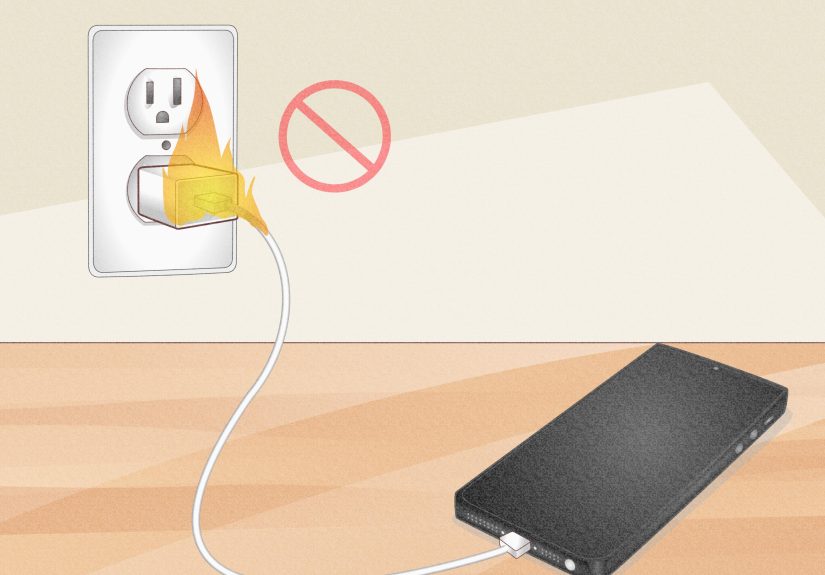
The easiest and safest repair for many exposed-wire problems is replacement. This is especially true for extension cords, phone chargers, power strips, small appliance cords, and lamp cords that are frayed, cracked, or chewed. If the insulation is damaged enough to expose metal, the cord has already failed at its most basic job.
When Replacement Is the Best Choice
Replace the item if the exposed wire is on:
- An extension cord
- A power strip or surge protector
- A phone, laptop, or tool charger
- A lamp cord with brittle or cracked insulation
- A small appliance cord
- Any cord that feels warm, sparks, flickers, or smells burnt
Many people are tempted to wrap damaged cords with electrical tape and call it a day. That can be a temporary visual improvement, but it is not always a safe long-term repair. Tape can loosen, shift, dry out, or fail under heat and movement. A damaged cord may also have broken internal strands you cannot see.
Example
Suppose your vacuum cord has a small area where the outer jacket is ripped and copper is visible. Because vacuum cords get dragged, bent, stepped on, and pulled around corners, a tape-only repair is not ideal. The better option is to replace the cord or have the vacuum serviced. A vacuum is already dramatic enough without adding sparks.
Why Replacement Wins
Replacement removes the damaged section entirely. It also avoids hidden issues like weakened copper strands, compromised grounding, or insulation damage farther along the cord. For inexpensive cords and chargers, replacement is usually cheaper than the risk.
Option 2: Repair Minor Insulation Damage with Proper Electrical Materials
If the wire is not part of permanent household wiring and the damage is minor, you may be able to repair the insulation using materials designed for electrical use. This option is best for low-risk situations where the conductor is not broken, the cord is not overheating, and the damaged area is small.
Common repair materials include:
- UL-listed electrical tape
- Heat-shrink tubing rated for electrical insulation
- Liquid electrical tape for certain flexible insulation repairs
- Manufacturer-approved cord repair kits where applicable
When This Option May Be Appropriate
A minor insulation repair may be reasonable when:
- The power is completely disconnected.
- The exposed area is small.
- The wire strands are not cut, burned, corroded, or loose.
- The wire is not part of a high-load appliance or permanent house wiring.
- The repaired area will not be bent, pulled, pinched, or walked on.
Heat-shrink tubing is often more durable than tape because it forms a tight sleeve around the damaged insulation. However, it usually requires sliding the tubing over one end of the wire before shrinking it into place, so it is not always practical for attached cords.
Basic Safe Approach
After disconnecting power and confirming the wire is not live, clean and dry the damaged area. If using electrical tape, wrap beyond the damaged section on both sides and overlap each layer smoothly. If using heat-shrink tubing, choose tubing that fits snugly after shrinking and is rated for the wire’s voltage and environment. Do not use ordinary household tape, duct tape, masking tape, or “whatever was in the junk drawer.” The junk drawer is not an electrical code authority.
What This Option Cannot Fix
This method does not fix wires that are burned, severed, wet, loose, overloaded, or damaged inside a wall. It also does not make an unsafe cord safe if the damage happened because the cord was overheating. If the cord became hot during use, replacement is the smarter move.
Option 3: Enclose Exposed House Wiring in an Approved Electrical Box or Cover
If the exposed electrical wire is part of your home’s permanent wiring, the repair is usually not as simple as wrapping it. Household wiring must be properly enclosed, supported, connected, and covered. Open splices, loose wires outside a junction box, missing outlet covers, and exposed conductors behind fixtures are all problems that need proper correction.
Common Household Situations
You may find exposed house wiring in places like:
- Behind a loose outlet or switch plate
- Inside an unfinished basement or garage
- Near a ceiling light or fan box
- In an attic or crawl space
- Where someone removed a fixture and left wires hanging
- At an old junction box with a missing cover
In many cases, the correct fix is to place the wiring inside an approved electrical box with proper connectors and a fitted cover plate. Wire splices should be made with approved connectors and remain accessible inside a covered junction box. They should not be buried loose behind drywall, taped together in open air, or hidden under insulation like a forbidden electrical sandwich.
When to Call an Electrician
Call a licensed electrician if the exposed wire is connected to your home’s electrical system, if you cannot identify the circuit, if the wire is aluminum, if the area is wet, if breakers keep tripping, or if you see signs of heat damage. Also call a professional if you need to extend, reroute, splice, or replace wiring inside walls or ceilings.
Permanent wiring has code requirements for box fill, grounding, cable clamps, conductor size, breaker rating, GFCI protection, AFCI protection, and accessibility. That is a lot to guess at while holding a screwdriver and pretending YouTube made you an apprentice.
What Not to Do with Exposed Electrical Wire
Some “quick fixes” are not fixes at all. Avoid these common mistakes:
- Do not touch bare wire to see if it is live.
- Do not use duct tape, packing tape, or painter’s tape as insulation.
- Do not keep using a damaged extension cord.
- Do not hide exposed wiring behind furniture, rugs, drywall, or insulation.
- Do not splice house wiring outside an electrical box.
- Do not ignore flickering lights, burning smells, buzzing, sparks, or warm outlets.
- Do not assume a wire is safe because a switch is off.
Electrical problems rarely improve with neglect. They are not like bananas ripening on the counter. If anything, insulation damage can spread as wires flex, heat, age, or rub against sharp surfaces.
How to Decide Which Fix You Need
Use this simple decision guide:
Choose Replacement If:
The exposed wire is on a damaged cord, charger, power strip, appliance, or extension cord. Replacement is usually safer, cleaner, and more reliable than patching.
Choose Minor Insulation Repair If:
The damage is small, dry, disconnected from power, not heat-related, and not part of permanent household wiring. Use only electrical-rated repair materials.
Choose Enclosure or Professional Repair If:
The exposed wire is part of a wall, ceiling, outlet, switch, breaker circuit, junction box, or light fixture. In these cases, proper boxes, covers, connectors, grounding, and code-compliant installation matter.
Extra Tips to Prevent Exposed Electrical Wires
Prevention is easier than repair, and it usually costs less than replacing electronics or explaining to your family why the living room smells like toasted plastic.
- Unplug cords by pulling the plug, not the cord.
- Keep cords away from chair legs, doors, windows, heaters, and sharp edges.
- Do not run cords under rugs where heat and damage can hide.
- Use outdoor-rated cords outdoors.
- Do not overload extension cords or power strips.
- Replace cords that are cracked, brittle, frayed, or loose at the plug.
- Install outlet covers and junction box covers where missing.
- Keep pets from chewing cords by using cord protectors or rerouting cables.
Experience-Based Advice: What Homeowners Learn the Hard Way
After dealing with exposed electrical wire in real homes, workshops, garages, and rental properties, one lesson stands out: the visible damage is not always the whole problem. A tiny exposed spot on the outside of a cord may be the only part you see, but the inside may have stretched conductors, loose strands, or heat damage. That is why experienced DIYers are often quicker to replace a damaged cord than repair it. It is not because they enjoy spending money. It is because they have learned that electricity rewards caution and punishes shortcuts.
Another common experience is finding exposed wiring during a completely unrelated project. You start by painting a room, replacing a light fixture, mounting shelves, or cleaning behind an appliance. Suddenly, there it is: a wire with cracked insulation, an outlet hanging loose, or a junction box cover missing. The temptation is to say, “I’ll deal with that after the project.” Unfortunately, exposed wiring does not care about your project timeline. The better move is to pause and make the area safe before continuing.
Many homeowners also underestimate movement. A cord that sits untouched behind a desk may seem fine after a tape repair, but cords rarely stay untouched forever. Someone moves the desk, vacuums, pulls a charger, rolls a chair, or wedges furniture against the wall. That repeated bending can loosen a patch and expose the wire again. For cords that move often, replacement is almost always the more reliable option.
Pet damage is another real-world issue. Cats, dogs, rabbits, and curious little teeth can turn a perfectly good cord into a hazard quickly. If a pet has chewed through insulation, do not assume the damage is only cosmetic. Unplug the cord immediately and inspect the full length. In many cases, replacing the cord or device is safer than trying to repair several bite marks. Afterward, use cord covers, bitter-tasting deterrent sprays made for pets, or cable management channels to prevent a repeat performance. Pets are adorable, but they are not licensed electricians.
Outdoor wiring brings its own set of lessons. A cord that works fine indoors may fail quickly outside because sunlight, moisture, temperature changes, and abrasion wear down insulation. If you see exposed wire on an outdoor extension cord, holiday light strand, landscape lighting cable, or power tool cord, stop using it. Outdoor conditions increase the risk of shock, especially around wet ground, metal ladders, pools, sprinklers, and damp concrete. Use outdoor-rated cords and GFCI-protected outlets, and never treat a damaged outdoor cord as “good enough for one more weekend.”
In older homes, exposed wiring can also be a clue that the electrical system needs a broader inspection. Brittle insulation, outdated cable types, overloaded outlets, loose boxes, and missing covers often appear together. One exposed wire may be the symptom you notice, not the only issue present. If your home has frequent breaker trips, flickering lights, warm outlets, or a burning smell, do not chase one tiny repair at a time. Bring in a qualified electrician to evaluate the circuit.
Finally, the most useful habit is labeling and documenting. If you shut off a breaker to investigate exposed wiring, label the circuit once you identify it. Take a photo before and after a professional repair. Keep receipts for replaced cords, fixtures, or electrical work. These small habits make future troubleshooting faster and safer. They are also helpful if you rent out property, sell your home, or simply want to remember which breaker controls the mysterious outlet behind the bookshelf.
Final Thoughts
Fixing exposed electrical wire starts with one rule: do not treat it casually. For damaged cords, replacement is usually the safest and simplest option. For minor insulation damage on low-risk wiring, electrical-rated tape, heat-shrink tubing, or approved repair materials may work when the power is off and the conductor is intact. For exposed house wiring, the correct fix usually involves proper electrical boxes, covers, connectors, and often a licensed electrician.
A safe repair should do more than hide the bare wire. It should restore protection, prevent movement, reduce fire risk, and match the electrical load and environment. When in doubt, choose the safer option. Electricity is not the place to audition your inner bargain hunter.