Table of Contents >> Show >> Hide
- What Is a Novatron White Umbrella?
- How the Novatron White Umbrella Works
- Why Photographers Use White Umbrellas
- Novatron White Umbrella vs. Softbox
- Best Uses for a Novatron White Umbrella
- How to Set Up a Novatron White Umbrella
- Common Mistakes to Avoid
- Practical Lighting Examples
- Buying and Compatibility Considerations
- Real-World Experiences With a Novatron White Umbrella
- Conclusion: Is the Novatron White Umbrella Still Worth Using?
A Novatron White Umbrella may not look like the flashiest piece of photography gear in the studio. It does not beep, sync with an app, generate a dramatic startup sound, or make you feel like you are launching a spaceship. It is simply a white photography umbrellausually associated with Novatron stuht. And in portrait photography, product photography, school portraits, small group shots, and budget studio setups, that little transformation is a big deal.
Think of bare flash like direct sunlight at noon: bright, efficient, and slightly rude. A white translucent umbrella steps in like a polite cloud. It spreads the light, softens shadows, and makes skin, fabric, products, and backgrounds look less like they were interrogated under a desk lamp. For photographers who use Novatron strobes or older pack-and-head lighting systems, a white umbrella remains one of the simplest ways to shape light without needing a complicated modifier collection.
This guide explores what the Novatron White Umbrella is, how it works, why photographers still use it, when it shines, where it struggles, and how to get better results from it. Whether you are building a small studio, reviving a classic Novatron kit, or trying to understand why photographers keep talking about “soft light” as if it were a dessert topping, this article will help you use a white umbrella with more confidence.
What Is a Novatron White Umbrella?
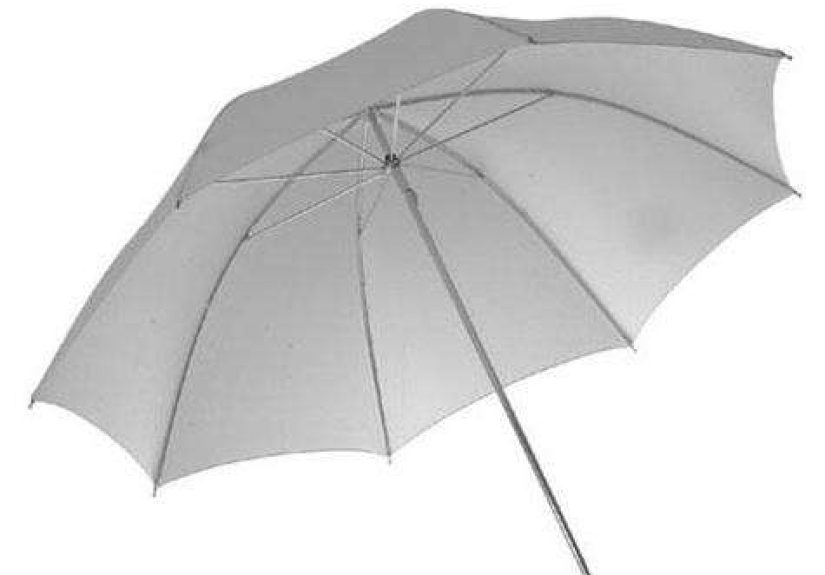
The term Novatron White Umbrella usually refers to a white translucent photography umbrella used with Novatron studio lights. One commonly referenced model is the 43-inch Novatron White Translucent Umbrella, a medium-sized light modifier designed to soften and disperse light for subjects such as head-and-shoulders portraits and small groups.
In plain English, it is a fabric umbrella made for light, not rain. Please do not take it outside during a storm unless your goal is to confuse both photographers and meteorologists. Its job is to sit between the light source and the subject, or sometimes to bounce light back toward the subject, depending on how it is positioned.
Why White Translucent Fabric Matters
A white translucent umbrella allows light to pass through the material. When a strobe or flash fires into the umbrella, the fabric scatters the beam. Instead of one small, intense light source, the subject sees a much larger glowing surface. Larger apparent light sources create softer shadows, smoother transitions, and a more flattering look.
This is why white shoot-through umbrellas are popular with portrait photographers. They are lightweight, affordable, fast to set up, and forgiving. They are not always as controlled as softboxes, but they are wonderfully practical. In a busy studio, “practical” is not boring. Practical is the reason your shoot does not turn into a small equipment-themed soap opera.
How the Novatron White Umbrella Works
A photography umbrella changes the size, direction, and quality of light. The Novatron White Umbrella can usually be used in two basic ways: as a shoot-through modifier or as a bounce modifier.
Shoot-Through Lighting
In a shoot-through setup, the flash or strobe points into the umbrella, and the umbrella points toward the subject. The light passes through the white fabric before reaching the subject. This creates a broad, soft wash of light that is excellent for portraits, quick headshots, and simple product images.
The biggest advantage is softness. Because the umbrella can be placed close to the subject, the apparent light source becomes larger. Close, large light produces gentle shadows and smooth skin tones. For a simple one-light portrait, placing the umbrella slightly above eye level and angled down at about 45 degrees can create a clean, natural look.
The downside is spill. A shoot-through umbrella throws light in many directions. In a small white room, that can be helpful because the walls bounce light around and make everything look bright. In a tiny room with green walls, orange curtains, and a suspiciously reflective poster, it can create color casts and lighting chaos. White umbrellas are friendly, but they are not always disciplined.
Bounce Lighting
In a bounce setup, the light points away from the subject into the umbrella, and the light reflects back toward the subject. A plain white translucent umbrella can reflect some light, though dedicated reflective umbrellas with black backing are more efficient and more directional.
Bouncing into a white umbrella often creates a gentle, natural look. The light is usually softer and less contrasty than a silver umbrella. However, it may also be less powerful. If your strobe has plenty of output, this is not a big problem. If you are using a small flash at low battery power, you may start negotiating with your ISO settings like they owe you money.
Why Photographers Use White Umbrellas
The appeal of a Novatron White Umbrella is simple: it gives good-looking light quickly. It is not the most glamorous modifier in the lighting world, but it has earned its place because it solves common problems without demanding a PhD in studio engineering.
It Softens Harsh Flash
Bare flash can create hard shadows, shiny skin, bright hotspots, and a look that says, “This photo was taken during a police lineup.” A white umbrella spreads that light over a larger surface, reducing harsh shadow edges and making the result more flattering.
It Is Easy to Set Up
Softboxes can be excellent, but many require rods, speed rings, tension, patience, and the emotional stability of a camping instructor. A photography umbrella opens almost instantly. Slide the shaft into the umbrella holder, tighten the bracket, aim the light, and you are ready to shoot.
It Works Well for Beginners
Lighting can feel intimidating because small changes create visible differences. A white umbrella is forgiving. If the angle is not perfect, the image may still look decent. That makes it a strong learning tool for students, hobbyists, school photographers, and anyone building a home studio.
It Is Useful in Small Studios
A 43-inch white umbrella is a practical medium size. It is large enough to soften light for portraits and small subjects, but not so large that it takes over the room like a fabric satellite dish. For small home studios, spare bedrooms, garage setups, and portable portrait corners, that balance matters.
Novatron White Umbrella vs. Softbox
One of the most common questions is whether a white umbrella or a softbox is better. The honest answer is: it depends on what kind of control you need.
Choose a White Umbrella When You Want Speed
A white umbrella is ideal when you need quick, soft, broad light. It is great for simple portraits, casual headshots, student photography, small group photos, and test shoots. If your goal is to set up fast and get flattering light without overthinking every shadow, the umbrella wins.
Choose a Softbox When You Need Control
A softbox usually gives more directional control. It limits spill better than a shoot-through umbrella and can be fitted with grids, inner diffusion, outer diffusion, and other accessories. For product photography, dramatic portraits, catalog work, and images where background control matters, a softbox can be the better tool.
That does not make the umbrella inferior. It simply means the umbrella behaves differently. A white umbrella is like a friendly flood of light. A softbox is more like a carefully aimed window. Both are useful. The trick is knowing whether your scene needs friendliness or discipline.
Best Uses for a Novatron White Umbrella
Portrait Photography
The Novatron White Umbrella is especially useful for portraits. Place it close to the subject, slightly above the face, and angled downward. This creates soft shadows under the nose and chin while keeping the eyes bright. If you want a classic headshot look, position the umbrella about 45 degrees to one side of the camera.
For softer beauty-style lighting, move the umbrella closer to the camera axis. For more depth and shape, move it farther to the side. The more side angle you use, the more shadow and drama you create. The umbrella will still soften the light, but direction controls mood.
Small Group Photos
A 43-inch white umbrella can cover a small group better than a tiny bare flash. Because it spreads light widely, it can help illuminate two or three people without making one person look like the chosen one and another look like they wandered in from a cave.
For groups, move the umbrella back slightly to widen the spread. Keep in mind that moving the light farther away makes it harder and reduces power. You may need to increase strobe output or adjust camera settings.
Product Photography
White umbrellas can work well for simple product photography, especially for handmade goods, clothing, small accessories, books, and matte objects. They create a soft, clean look that is useful for online listings and social media images.
Reflective products are more challenging. Glass, metal, glossy packaging, and jewelry can reveal the shape of the umbrella in reflections. In those cases, a softbox, diffusion panel, or light tent may offer more control. Still, for quick product shots, a Novatron White Umbrella is a strong starting point.
School and Event Portraits
Umbrellas are popular for school portraits, team photos, and event stations because they are portable and fast. A photographer can set up a Novatron strobe, light stand, and umbrella quickly, then photograph many subjects with consistent lighting. When time is tight and the line of people is long, simple lighting becomes a survival strategy.
How to Set Up a Novatron White Umbrella
Step 1: Mount the Light Securely
Attach your Novatron light or compatible strobe to a sturdy light stand. Make sure everything is tightened properly. Umbrellas catch air easily, so stability matters. If you are working around people, pets, doors, fans, or enthusiastic assistants, use a sandbag.
Step 2: Insert the Umbrella Shaft
Slide the umbrella shaft through the umbrella holder on the light or bracket. Adjust the distance between the flash tube and the umbrella fabric. A centered, even spread usually gives the most consistent light.
Step 3: Aim the Umbrella
For shoot-through use, the outside of the umbrella faces the subject. For bounce use, the inside of the umbrella faces the light, and the open side points toward the subject. Start at a 45-degree angle from the camera and slightly above eye level.
Step 4: Take a Test Shot
Do not trust your eyes alone. Take a test photo and check exposure, shadows, catchlights, and background brightness. If the shadows are too harsh, move the umbrella closer. If the light is too flat, move it to the side. If the background is too bright, control spill by changing the angle or switching to a more directional modifier.
Common Mistakes to Avoid
Placing the Umbrella Too Far Away
The farther the umbrella is from the subject, the smaller it appears as a light source. Smaller apparent light means harder shadows. If you bought a white umbrella for soft light, do not banish it across the room like it said something rude at dinner.
Ignoring Spill
Shoot-through umbrellas spread light widely. That is useful, but it can also brighten the background, bounce off walls, or reduce contrast. If your image looks washed out, the umbrella may be lighting more of the room than you intended.
Using It Outdoors Without Weight
Umbrellas and wind have a dramatic relationship. Outdoors, even a gentle breeze can turn a light stand into a sailing experiment. Always use sandbags or an assistant when shooting outside.
Expecting It to Replace Every Modifier
A Novatron White Umbrella is versatile, but it is not magic. It will not give the tight control of a gridded softbox, the crisp punch of a beauty dish, or the dramatic contrast of a silver reflector. Use it for what it does well: fast, soft, broad light.
Practical Lighting Examples
Classic One-Light Headshot
Place the Novatron White Umbrella about three to five feet from the subject, slightly above eye level, and 45 degrees to camera left or right. Use a reflector or white foam board on the opposite side to soften shadows. This creates a clean portrait suitable for LinkedIn profiles, school photos, business bios, and actor headshots.
Bright Product Setup
Place the product on a white or neutral surface. Put the umbrella close to the product at a slight front angle. Add a white card on the opposite side for fill. This setup works well for items such as ceramics, notebooks, candles, fabric products, and small handmade goods.
Small Family Portrait
Move the umbrella back enough to cover everyone evenly. Raise it slightly above the group and angle it down. Keep people close together so the light does not fall off too dramatically from one person to the next. A second fill light or reflector can help keep shadows soft.
Buying and Compatibility Considerations
If you are looking for a Novatron White Umbrella, pay attention to size, condition, and compatibility. A 43-inch umbrella is a useful middle-ground size for portraits and small groups. Larger umbrellas create softer light but need more space and stronger stands. Smaller umbrellas are easier to carry but create less softness.
Many Novatron systems are older studio lighting kits, so inspect used gear carefully. Check the umbrella ribs, shaft, fabric, and mounting hardware. A bent shaft can make aiming frustrating. Torn fabric can create uneven diffusion. Loose ribs can collapse at the exact moment your subject finally gives you the perfect expression, because photography gear has a sense of comedic timing.
Also consider the lighting system itself. Older pack-and-head strobes can still be powerful and useful, but they may lack modern conveniences such as wireless power control, battery operation, TTL, high-speed sync, and fine power adjustment. The umbrella will still shape the light, but your workflow may feel more manual than with newer monolights.
Real-World Experiences With a Novatron White Umbrella
Using a Novatron White Umbrella in real shoots teaches lessons that product descriptions never fully explain. The first lesson is that soft light is not just about owning a soft modifier. It is about distance. The first time many photographers use a white umbrella, they place it too far away because they are afraid it will appear in the frame. The result is better than bare flash, but not nearly as soft as expected. Then they move it closer, take another frame, and suddenly the subject looks more natural, the shadows calm down, and the whole image feels less like a passport photo taken during a power outage.
The second lesson is that a white umbrella changes the room, not just the subject. In a white-walled studio, this can be wonderful. Light bounces everywhere and creates an airy, cheerful look. It is perfect for children’s portraits, lifestyle headshots, casual branding photos, and simple family images. In a room with colored walls, the same umbrella may bounce unwanted color back onto the subject. A red wall can warm the shadows. A green wall can make skin tones look strange. A wooden ceiling can add a brown cast. The umbrella is innocent; the room is the accomplice.
The third experience is about speed. Compared with assembling a softbox, opening a white umbrella feels delightfully easy. For quick sessions, this matters. Imagine photographing a local business team where every person has “only two minutes” and somehow each person also needs a perfect photo. A Novatron light with a white umbrella can be set up quickly, adjusted easily, and used repeatedly. The light may not be as controlled as a gridded softbox, but the workflow is smooth. Sometimes the best modifier is the one that lets you keep moving.
The fourth lesson is that catchlights matter. A white umbrella creates a recognizable umbrella-shaped reflection in the eyes. Some photographers like it because it looks lively and classic. Others prefer the square or round reflection from a softbox or octabox. Neither choice is wrong. For traditional portraits, umbrella catchlights often look natural enough that most clients never notice. Photographers notice, of course, because photographers can spot a catchlight shape from across the room and then pretend they are normal at dinner.
The fifth lesson is about power. A white translucent umbrella can reduce effective light output because it spreads and diffuses the beam. With a powerful Novatron strobe, that is usually manageable. With smaller flashes, you may need to raise power, open the aperture, increase ISO, or move the umbrella closer. The good news is that moving it closer often improves softness anyway. The bad news is that if you move it too close, it may sneak into the frame like an uninvited guest with excellent diffusion.
The sixth lesson is emotional: a simple umbrella can build confidence. New photographers often feel overwhelmed by lighting diagrams, modifier comparisons, and technical debates. A white umbrella keeps the process approachable. Put it up, aim it, test it, adjust it, and learn from the result. Over time, you begin to understand direction, distance, shadow, spill, and exposure. That knowledge transfers to softboxes, reflectors, beauty dishes, and more advanced setups. In that sense, the Novatron White Umbrella is not just a tool; it is a teacher with ribs.
Conclusion: Is the Novatron White Umbrella Still Worth Using?
The Novatron White Umbrella remains a useful, practical, and beginner-friendly lighting modifier. It is especially valuable for photographers who want soft, broad light without a complicated setup. For portraits, small groups, basic product photography, and fast studio sessions, it delivers results that are clean, flattering, and easy to adjust.
It is not perfect. It spills light, offers less control than a softbox, and can be tricky in small colored rooms or windy outdoor locations. But its simplicity is exactly why it continues to matter. In a world full of advanced lighting gear, wireless systems, app-controlled strobes, and modifiers with names that sound like spacecraft parts, the white umbrella still does its job beautifully.
If you already have a Novatron lighting kit, the white umbrella is worth learning properly. Move it close. Watch the shadows. Control the spill. Add reflectors when needed. Use it as a starting point for understanding light, not just as an accessory tossed into the bag. With practice, this modest white umbrella can help create portraits and product images that look polished, natural, and professionalwithout making your studio feel like a NASA control room.
Note: This article is written for web publication in original, natural American English and is based on real product and photography-lighting information about Novatron white translucent umbrellas, studio strobes, and umbrella lighting techniques.