Table of Contents >> Show >> Hide
- Why Postgame Snacks Became a Big Deal
- The Calorie Math: How a Small Snack Gets Big Fast
- Calories Are Not the Only Issue
- Why Added Sugar Sneaks Into Youth Sports
- What Kids Actually Need After a Game
- Better Team Snack Ideas That Kids Will Actually Eat
- The Best Drink After Most Youth Games Is Boring, Beautiful Water
- How Parents Can Handle Snack Pressure Without Becoming “That Parent”
- When Treats Still Make Sense
- Specific Examples: Snack Swaps That Work
- What Leagues Can Do
- Field Notes: Real-World Experiences From the Sidelines
- Conclusion: Keep the Game Fun, Make the Snack Smarter
You know the scene: the whistle blows, tiny cleats stomp off the field, and a heroic parent opens the cooler like it contains buried treasure. Out come cupcakes, fruit snacks, sports drinks, chips, cookies, and maybe one lonely orange slice trying its best. The kids cheer. The adults smile. Everyone feels like a team player.
But here is the sticky, frosting-covered twist: postgame snacks can have more calories than kids burn playing sports. That does not mean snacks are evil, sports drinks are forbidden potions, or parents should start weighing grapes on the sidelines. It simply means the youth sports snack tradition has drifted away from “quick refuel” and into “mini birthday party with shin guards.”
Research on youth sports snacking found that children in observed games burned an average of about 170 calories while playing, while the postgame snacks and drinks offered averaged about 213 calories. Even more eye-opening, the average sugar provided was roughly 26 grams per game, which is close to or above common daily added-sugar recommendations for children. In plain English: a child can run, kick, tag, throw, sweat, and still leave the field with a calorie surplus before the car door closes.
This article takes a practical look at what is really happening after youth games, why it matters, and how families, coaches, and leagues can build a smarter snack culture without stealing the joy from childhood sports. Because kids deserve fun, food, and fuel. They just do not need a full concession stand after playing seven innings of right field and chasing one butterfly.
Why Postgame Snacks Became a Big Deal
Youth sports are wonderful for kids. They encourage movement, teamwork, confidence, discipline, friendship, and the life-changing discovery that soccer socks are impossible to remove when sweaty. Children and adolescents are encouraged to get at least 60 minutes of moderate-to-vigorous physical activity each day, and organized sports can help make that goal feel more like play and less like a lecture.
The snack tradition probably started with good intentions. A few orange slices after soccer. A bottle of water after baseball. A small treat after a tournament. Nothing dramatic. But over time, postgame snacks became a parent rotation, and the rotation became a performance. Nobody wants to be the “boring snack parent,” so snacks grew larger, sweeter, and more packaged.
That is how a simple after-game bite can become a brown paper bag containing a sports drink, chips, cookies, candy, and a fruit-flavored item that has never met a fruit in its life. Multiply that by a season of games, practices, weekend tournaments, and siblings stealing leftovers, and the snack habit becomes part of a child’s weekly food environment.
The Calorie Math: How a Small Snack Gets Big Fast
Many parents assume kids burn massive amounts of energy during every game. Sometimes they do. A competitive soccer match, a long swim meet, a cross-country race, or a hot-weather tournament can demand serious fuel. But many recreational youth games involve bursts of activity mixed with waiting, standing, sitting, rotating positions, listening to coaches, and occasionally looking for bugs in the grass.
That is not a criticism. It is normal. A third grader playing baseball may spend more time in the dugout than sprinting. A young soccer player may run hard for a few minutes, then slow down, then rotate out. A flag football player may have one thrilling touchdown run and several minutes of wondering when snack time starts.
Now compare that with common snack calories:
- A 12-ounce sports drink may contain around 80 calories and added sugar.
- A small bag of chips may contain 140 to 160 calories.
- A packaged cookie or brownie may add 100 to 250 calories.
- A fruit snack pouch may add 70 to 100 calories, often with added sugar.
- A cupcake can easily add 200 calories or more, depending on size and frosting enthusiasm.
One item may not be a big deal. The issue is the bundle. A sports drink plus chips plus a cookie can sail past 300 calories, which may exceed what many young children burned during the game. Suddenly, “just a snack” is closer to an extra meal, except without the staying power of balanced nutrition.
Calories Are Not the Only Issue
Calories matter, but they are not the whole story. Children are growing, and they need energy. Active kids should not be put on restrictive diets or made afraid of food. The better question is not “How do we make snacks tiny?” but “How do we make snacks useful?”
A useful postgame snack helps with hydration, steady energy, muscle recovery, and hunger management. It provides nutrients kids actually need, such as carbohydrates from whole grains or fruit, protein from dairy or lean foods, fiber, vitamins, minerals, and water. A less useful snack gives a quick sugar rush, a short-lived burst of excitement, and then the classic backseat meltdown when the blue sports drink wears off.
Sugary drinks are especially important because they go down quickly and do not make children feel as full as solid foods. Sports drinks, fruit drinks, soda, sweet teas, and sweetened waters can add sugar without much nutrition. For most routine youth sports lasting less than an hour, water is usually enough. Sports drinks may have a place during long, intense, hot, or endurance-based activity, but they are often unnecessary after ordinary recreational games.
Why Added Sugar Sneaks Into Youth Sports
Added sugar is everywhere in kid-friendly packaging. It appears in drinks, granola bars, fruit snacks, yogurts, cookies, crackers, cereals, and “healthy-looking” foods with cartoon athletes on the box. Food marketing knows that parents want convenience and children like sweet flavors. That combination is powerful.
After a game, parents are busy. They may have another child to pick up, uniforms to wash, dinner to solve, and a coach sending three messages about next week’s schedule. Convenience wins. Shelf-stable snacks are easy. Individually packaged snacks are tidy. Sweet snacks are popular. Nobody complains when cupcakes arrive.
The problem is repetition. A cupcake after one championship game is a celebration. A sugary snack bag after every Saturday game is a pattern. When kids learn that every burst of physical activity deserves dessert, sports can accidentally become linked with food rewards instead of skill, fun, and teamwork.
What Kids Actually Need After a Game
The right postgame food depends on the child, the sport, the weather, the game length, and what meal comes next. A child who played a 30-minute recreational game before lunch probably does not need much beyond water and a normal meal. A teen who just finished a two-hour intense practice may need a more substantial recovery snack or meal.
For Short Recreational Games
For younger children playing light or moderate games lasting about an hour or less, water is the first priority. If the child is not truly hungry and lunch or dinner is soon, skipping the team snack is perfectly reasonable. This may sound radical in modern youth sports culture, but children can survive a car ride without crackers. Ancient civilizations managed it. So can we.
For Hungry Kids After Moderate Activity
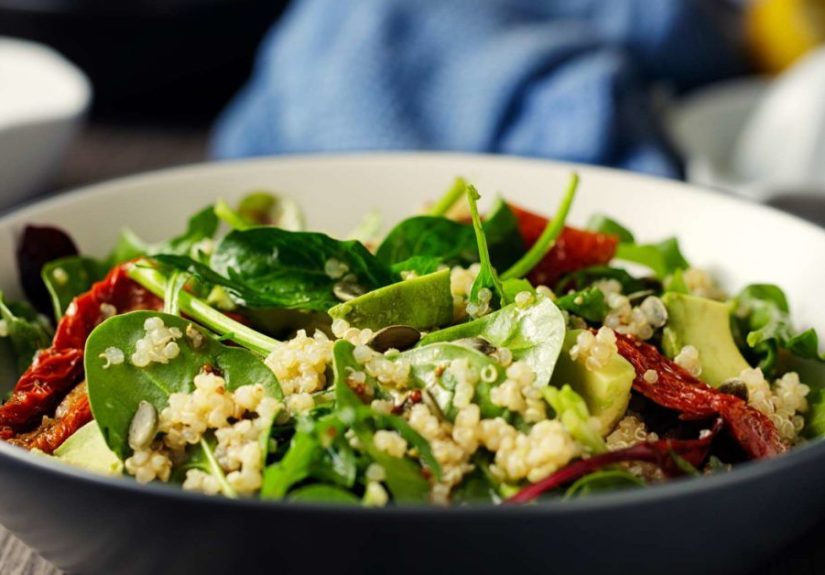
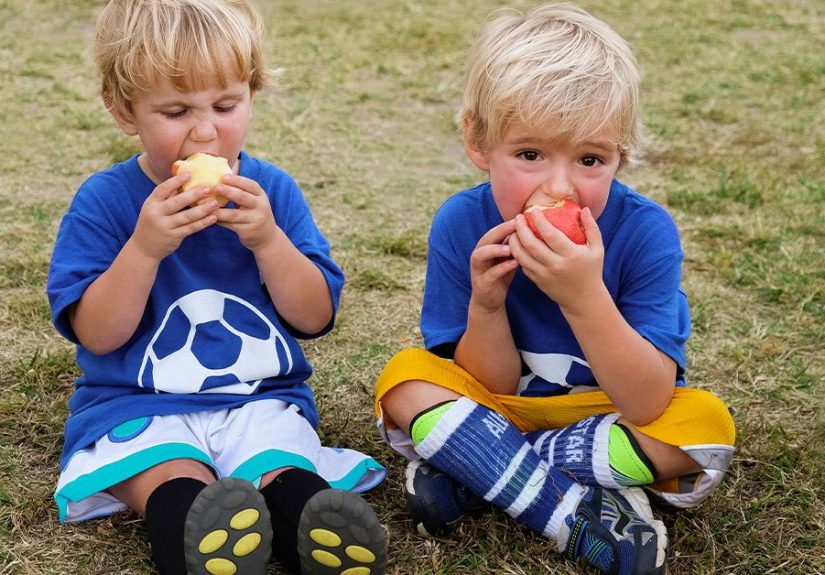
If kids are hungry, choose snacks that combine carbohydrates with a little protein or healthy fat. This helps satisfy hunger and supports recovery better than sugar alone. Good options include apple slices with cheese, yogurt with fruit, a banana with peanut butter, whole-grain crackers with string cheese, turkey roll-ups, hummus with pita, or a small homemade trail mix if allergies are not a concern.
For Long or Intense Sports
For older athletes, tournament days, long practices, hot-weather events, or back-to-back games, snacks should be more intentional. A balanced recovery snack within 30 to 60 minutes can help replenish energy. Chocolate milk, yogurt, sandwiches, fruit smoothies, rice cakes with nut butter, or wraps with lean protein can be appropriate depending on the child’s needs and tolerance.
Better Team Snack Ideas That Kids Will Actually Eat
Healthy postgame snacks do not have to look like punishment in a plastic bag. Kids like simple foods when they are fresh, familiar, and easy to grab. The goal is not to impress the nutrition professor hiding behind the bleachers. The goal is to fuel children well and keep snack duty realistic.
- Cold water bottles or a water cooler with cups
- Orange wedges, grapes, apple slices, bananas, or watermelon chunks
- Low-fat string cheese with whole-grain crackers
- Greek yogurt cups or yogurt tubes with lower added sugar
- Mini whole-grain bagels with cream cheese
- Turkey and cheese roll-ups
- Unsweetened applesauce cups
- Hard-boiled eggs, if the team is comfortable with them
- Hummus cups with pita or vegetables
- Small homemade snack bags with cereal, pretzels, and dried fruit
For allergy safety, teams should ask families about allergies before creating a snack schedule. Peanuts, tree nuts, dairy, eggs, sesame, and other allergens may be an issue for some children. A coach or team parent can keep a simple approved-snack list so nobody has to guess.
The Best Drink After Most Youth Games Is Boring, Beautiful Water
Water has terrible marketing. It has no neon color, no extreme lightning bolt on the label, and no promise to turn a nine-year-old into a professional athlete by Tuesday. Still, for most children after routine sports, water is exactly what the body needs.
Water hydrates without added sugar or calories. It is inexpensive, widely available, and easy to serve. Milk can also be useful with meals or recovery snacks because it provides protein, calcium, and other nutrients. Sports drinks should be treated as special-purpose tools, not default kid beverages. They may be useful for prolonged intense activity, especially in heat, but they are not necessary after every tee-ball game.
One simple team rule can change everything: water first. If families want to bring food, fine. But make water the default drink. That one shift can remove a large amount of added sugar from the postgame routine without creating drama.
How Parents Can Handle Snack Pressure Without Becoming “That Parent”
Snack culture is social. Parents may feel pressure to bring something exciting because they do not want their child to be embarrassed. Nobody wants to be remembered as the parent who brought plain water and a lecture. The trick is to make the healthier option feel normal, easy, and generous.
Instead of announcing, “I am fighting childhood obesity with carrot sticks,” try saying, “I’m bringing cold water, bananas, and cheese sticks this week.” That sounds helpful, not preachy. If another parent brings cupcakes later in the season, the world does not end. The goal is a better pattern, not snack perfection.
Coaches can help by setting expectations early. A preseason message might say: “Postgame snacks are optional. If you bring something, please keep it simple: water plus fruit, cheese, yogurt, or whole-grain snacks. Save sweets for special celebrations.” This removes guesswork and gives parents permission to stop competing in the Snack Olympics.
When Treats Still Make Sense
Children do not need a joyless sports life where every cookie is treated like a moral failure. Treats can absolutely fit. A cupcake after the final game, popsicles at a team picnic, or pizza at an end-of-season party can be part of a happy childhood. Food is cultural, social, emotional, and fun.
The difference is frequency and framing. When sweets are occasional celebrations, they stay special. When sweets show up after every routine game, they become expected. That expectation can make it harder for children to listen to hunger cues and understand what their bodies need after activity.
A helpful phrase is “fuel first, treats sometimes.” Fuel supports the body. Treats add enjoyment. Both can exist, but they should not switch jobs.
Specific Examples: Snack Swaps That Work
Instead of a sports drink and cookies, try cold water and orange slices. Instead of chips and fruit snacks, try whole-grain pretzels and string cheese. Instead of cupcakes after a regular-season game, try yogurt tubes and bananas. Instead of soda, bring a water cooler with cups and let kids add lemon slices if they want something fancy. Lemon water may not scream “championship energy,” but it does beat sticky blue mustaches in the minivan.
If the team really wants packaged convenience, choose lower-added-sugar options and watch serving sizes. Read labels for calories, added sugars, and portion counts. A box that looks like “one snack” may contain two servings. The FDA’s Nutrition Facts label now makes added sugars easier to identify, which helps parents compare products quickly in the grocery aisle.
What Leagues Can Do
Individual parents can make good choices, but leagues can make those choices easier. A youth sports league can create a simple snack policy that recommends water as the default drink and encourages fruit, dairy, whole grains, and protein-based snacks. Parks and recreation departments can share one-page snack guides during registration. Coaches can include snack expectations in the first team email.
Leagues should also consider whether postgame snacks are needed at all. For many recreational teams, especially when games are short and meals are nearby, the best policy may be: “Snacks are optional.” This single sentence can reduce pressure, cost, sugar, and waste.
Another smart option is “bring your own snack.” Families know their child’s appetite, allergies, schedule, and preferences. A child heading straight to lunch may need only water. A child going to another game may need something more substantial. Personalizing snacks makes more sense than giving every child the same cookie bag regardless of need.
Field Notes: Real-World Experiences From the Sidelines
Ask parents about postgame snacks and you will hear a funny mix of pride, confusion, guilt, and survival tactics. One parent may remember bringing apple slices and feeling triumphant until half the team asked where the cookies were. Another may admit they grabbed whatever was on sale at the warehouse club because the game started at 8 a.m. and nobody in the house could find matching socks, let alone prepare a balanced snack. A coach may confess that the team played for 45 minutes, but the snack negotiation lasted longer than the second half.
In many families, the postgame snack becomes part of the child’s sports memory. Kids talk about who brought popsicles, who brought donuts, and who brought the “good” juice boxes. That can make healthier changes feel risky. Parents do not want their child blamed for the boring snack. But the experience changes when adults set the tone together. When every family agrees that water and simple snacks are normal, children adjust quickly. They may still cheer for cupcakes, because they are children and cupcakes have frosting, but they will also eat cold grapes on a hot day with surprising enthusiasm.
One common experience is the “dinner spoiler.” A child finishes a game at 5:30 p.m., eats chips, a cookie, fruit snacks, and a sports drink, then refuses dinner at 6:15 p.m. Parents may think the child is being picky, but the child is simply full from a snack that behaved like a meal. Later, hunger returns at bedtime, and suddenly the kitchen reopens like a 24-hour diner. A lighter snack after evening games can prevent this cycle. Water and fruit may be enough when dinner is minutes away.
Another real-world issue is cost. Bringing snack bags for 12 to 15 kids can become expensive, especially if parents feel pressure to include multiple packaged items. Healthier does not have to mean pricier. Bananas, orange wedges, a large water cooler, homemade popcorn, whole-grain crackers, or bulk cheese sticks can be affordable. Sometimes the healthiest change is not buying more impressive snacks; it is buying fewer things.
There is also the emotional side. Food often becomes a way adults show care. Parents bring treats because they love the kids and want them to feel celebrated. That instinct is good. The goal is not to shame it but to redirect it. You can show care with cold water on a hot day, orange slices at halftime, a calm reminder to hydrate, and a team culture where children learn that movement is rewarding even without a sugar prize at the end.
The best sideline experiences happen when snacks support the sport rather than steal the spotlight. Kids leave feeling proud of how they played, not just excited about what they ate. Parents feel relieved because snack duty is simple. Coaches get fewer sugar-fueled cartwheels during the team talk. Everyone wins, including the minivan upholstery.
Conclusion: Keep the Game Fun, Make the Snack Smarter
Postgame snacks can have more calories than kids burn playing sports, but this is not a reason to panic. It is a reason to rethink a routine. Youth sports should help children enjoy movement, build confidence, make friends, and develop lifelong healthy habits. The snack table should support that mission, not quietly cancel it out with added sugar and oversized portions.
The smartest approach is simple: water first, snack only when needed, keep portions reasonable, choose foods with real nutritional value, and save sweets for occasional celebrations. Parents do not need perfection. Coaches do not need to become dietitians. Kids do not need a lecture after every game. A few small changes can make the postgame routine healthier, cheaper, easier, and still fun.
In the end, the best youth sports snack is one that helps children recover, respects their hunger, fits the schedule, and does not turn every game into a dessert ceremony. Let the kids play hard, hydrate well, eat smart, and enjoy the game. The trophy-shaped cupcake can wait for the team party.