Table of Contents >> Show >> Hide
- The Artist Behind The Transformations
- What Neglect Really Looks Like For Animals
- From “Before” To “After”: What Love Actually Changes
- How Adoption Changes Human Lives Too
- Why Visual Stories Like These Matter
- Thinking About Adopting? Here’s What To Know
- Little Stories Behind Big Transformations
- How You Can Support Rescue Transformations (Even If You Can’t Adopt)
- 500 Extra Words Of Real-World Experience With Rescue Transformations
- Conclusion
If you’ve ever ugly–cried over a “before and after” pet post, this one’s for you. One artist and photographer decided that the world needed to see what love, time, and a safe home can do for neglected animals. The result? A series of 17 incredible transformations that feel like someone turned the “sad shelter filter” off and switched “warm, wholesome, 4K happiness” on.
These stories aren’t just cute content for your feed. They’re living proof of how adoption changes everythingfor the animals and for the humans who let them in. In this article, we’ll walk through what makes these transformations so powerful, why neglected animals often look the way they do in those heartbreaking “before” shots, and how adoption can quite literally save lives and repair hearts on both sides of the leash (or the cat tree).
The Artist Behind The Transformations
The Bored Panda feature introduces us to a Brazilian photographer who decided to capture life-changing moments: the glow-up of animals that were once neglected, abandoned, or living on the streets, and then adopted into loving homes. Inspired after seeing one dramatic “before and after” rescue photo online, she realized that these stories needed more than a quick scrollthey deserved to be documented with care, style, and emotion.
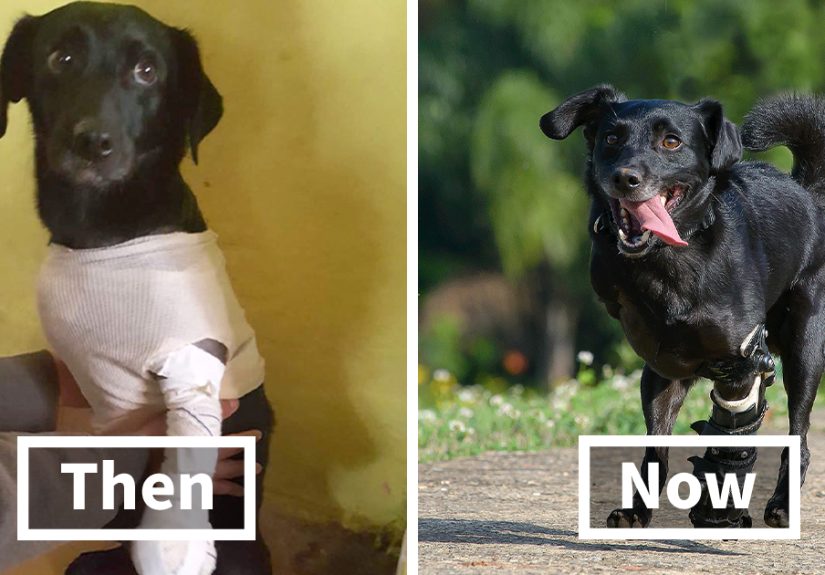
Instead of photographing perfectly groomed pets in staged studio shoots, she focuses on contrast. In many of the paired photos, the “before” image shows a dog or cat with dull fur, visible ribs, anxious eyes, or a stiff posture. The “after” shows a completely different animal: shiny coat, relaxed body, head held high, and usually a goofy grin or soft, content gaze. Same animal, new life.
Her goal isn’t just to make pretty pictures. It’s to show what happens between those two frames: veterinary care, nutritious food, patient training, consistent affection, and the simple miracle of finally feeling safe. When you put those pieces together, the transformation becomes art.
What Neglect Really Looks Like For Animals
Many of the animals in the artist’s project started life in situations that no living being deserveschained in backyards, born on the streets, or left behind when families moved away. U.S. shelters see millions of animals every year, and a huge share of them come from neglect, abandonment, or unsafe environments. Across the country, millions of dogs and cats enter shelters annually, and hundreds of thousands are still euthanized because there simply aren’t enough homes.
In the “before” photos, you can almost read their backstories on their bodies:
- Patchy or matted fur from parasites, skin disease, or months without grooming.
- Underweight frames that show every rib, hinting at long-term malnutrition.
- Injuries or scars that suggest accidents, harsh weather, or cruelty.
- Fearful posturetails tucked, bodies low, avoiding eye contactas a result of trauma and chronic stress.
This isn’t just cosmetic. Long-term neglect affects the immune system, digestion, skin health, and even brain chemistry. Many rescue organizations note that fearful, shut-down behavior is common when animals first arrive: they may cower, tremble, bark defensively, or shut down completely. But under the right conditions, the turnaround can be one of the most dramatic makeovers you’ll ever witness.
From “Before” To “After”: What Love Actually Changes
In each of the 17 transformations, the “after” photo is proof that animals are experts at healing when given the chance. Here’s what often happens between the first photograph and the second:
1. Medical Care And Proper Nutrition
Many adopted animals receive the first full veterinary checkup of their lives. Parasites are treated, infections cleared, wounds healed. With balanced food and regular meals, underweight animals slowly fill out. Skin conditions improve. Eyes that once looked dull or crusted become clear and bright.
One shelter story describes a small dog whose fur was so matted that he was literally a walking knot of hair. After a careful shave, baths, medication, and weeks of recovery, the “after” photo shows the same dog looking almost unrecognizablelight, bouncy, and finally able to move freely. That kind of change is common across rescue stories: when physical pain eases, personality finally has space to come out.
2. Safety, Routine, And Predictability
Imagine going from dodging cars and sleeping under stairs to having your own bed, regular meals, and a human who keeps coming back every day. For neglected animals, that’s the real magic. Behavioral experts say that predictable routines and stable environments help reduce anxiety and rewire fear-based reactions. Over time, the dog who once flinched at every sound may start wagging when the fridge door opens.
In the photographs, this emotional shift is obvious. In the “before” pictures, many animals stand frozen, muscles tense, unsure of what’s happening. In the “after” shots, they lean into their new humans, tongues out, paws mid-air, or sprawled comfortably on a couch. Their bodies say, “I belong here now.”
3. Training, Patience, And Trust
Neglected animals often don’t come with a “sit” and “stay” pre-installed. They might never have been indoors or walked on a leash. Adopters and rescuers put in work: gentle socialization, consistent rules, and a lot of positive reinforcement. The effort is realbut so are the rewards.
Many guardians report that once a formerly neglected pet starts to trust, they become fiercely loyal, almost as if they know exactly what they were saved from. In the pictures, that loyalty reads as soft eyes fixed on their person, bodies pressed against legs, and that “I found my human” look that no camera can fully capture but this artist comes very close to showing.
How Adoption Changes Human Lives Too
Here’s the twist: while we tend to talk about “saving animals,” the humans in these stories often say the animals saved them right back. Research on the human–animal bond shows that pets can reduce stress and anxiety, lower blood pressure, and ease feelings of loneliness. Many adopters say their rescued pets gave them a sense of purpose, structure, and emotional support that came exactly when they needed it.
Think about a person living alone who suddenly has a dog waiting at the door, tail wagging like a metronome of joy. Or a teenager struggling with anxiety who finds grounding comfort in a cat that curls up on their chest. These aren’t abstract benefits; they’re daily rituals that steady people through grief, breakups, burnout, and the random chaos of life.
The photos in this Bored Panda–style project capture that mutual rescue. Many of the “after” shots include humanshands resting on fur, arms wrapped around necks, faces pressed into fluffy coats. You can see that this isn’t just a petit’s family.
Why Visual Stories Like These Matter
We live in a scroll-heavy world where attention is short and emotions are constantly tugged in every direction. That’s exactly why projects like this matter. A single side-by-side rescue photo can communicate an entire story faster than a long article: neglect, rescue, healing, and joy in two simple frames.
Visual transformation stories do a few important things:
- They make the invisible visible. Instead of abstract statistics about shelter animals, you see one individual life changed.
- They normalize adoption. People see happy, thriving animals and realize that shelter pets aren’t “broken”they’re just waiting for a chance.
- They inspire action. Many adopters say they were motivated by before-and-after posts to visit their local shelter or donate.
For the photographer, each click of the shutter is a tiny piece of activism. The images encourage us not just to say “awww,” but to ask, “What can I do?”
Thinking About Adopting? Here’s What To Know
If these 17 transformations have your heart doing little cartwheels, you might be wondering whether adoption is right for you. The short answer: maybe yes, but only if you’re ready for the responsibilities that come with that adorable nose and those big eyes.
Questions To Ask Yourself
- Do I have time for daily walks, play, and training?
- Can I afford food, vet care, grooming, and emergencies?
- Is my home environment safe and pet-friendly?
- Am I prepared for a transition period with possible accidents, anxiety, or unexpected behaviors?
Shelters and rescues often help match you with an animal whose energy level, size, and temperament fit your lifestyle. Some are couch potatoes; others are born marathon partners. Some cats want to supervise you 24/7; others are more “I’ll see you at 3 a.m. when I sprint across the bed for absolutely no reason.”
Adoption Creates A Ripple Effect
When you adopt one dog or cat, you’re doing at least three things at once:
- You save that animal’s life. They get out of the shelter and into a home.
- You free up space. Another animal can take their place in the shelter and get a shot at adoption.
- You support the system. Adoption fees and donations help shelters care for more animals in need.
The artist’s 17 transformations are snapshots of that ripple effect. Every smiling “after” photo is the end of one hard chapterand the beginning of a much better one.
Little Stories Behind Big Transformations
Although the photographs focus on visuals, each one hints at a longer story. A scruffy dog with a chain mark around his neck becomes a confident family companion who now sleeps in a child’s bed. A cat found in a plastic crate, eyes crusted shut, grows into a sleek, bright-eyed feline who rules the windowsill. A shy mixed-breed pup who once hid from everyone now volunteers as a therapy dog, visiting hospitals and nursing homes.
What all these stories share is a simple formula:
Rescue + Care + Time + Love = Transformation.
It doesn’t mean everything instantly turns into a fairy tale. Some animals will always be nervous around loud noises or strangers. Some will need long-term medication or special diets. But the transformation isn’t about perfectionit’s about dignity, comfort, and joy.
How You Can Support Rescue Transformations (Even If You Can’t Adopt)
Maybe your landlord says “no pets,” you’re constantly traveling, or your resident cat has already filed paperwork stating, “I must be an only child.” You can still be part of these transformation stories:
- Foster. Short-term fostering helps animals decompress and makes them more adoptable.
- Volunteer. Walk dogs, socialize shy cats, take photos, or help manage social media for rescues.
- Donate. Money, food, blankets, toys, and even old towels can make a difference.
- Share. Spread before-and-after rescue stories onlineyes, even that one photo your friend keeps posting of their dog’s “glow-up.”
Every act, small or big, helps move an animal from the “before” column of life into the “after.”
500 Extra Words Of Real-World Experience With Rescue Transformations
Rescue transformations might look like overnight miracles on Instagram, but behind each glow-up is a journey filled with tiny wins, setbacks, and a lot of snacks. To really understand what these 17 rescued animals went through, it helps to look at what life with a previously neglected pet is actually like.
The First Days: “What Did I Just Do?”
Many adopters describe the first 48 hours as a mix of joy and mild panic. The dog might pace the house, refuse food, or hide under a table. A cat may vanish into the narrowest gap behind the wardrobe and stay there like a furry shadow for days. It’s completely normal. Neglected animals often don’t understand that the scary part is over yet.
This is where patience becomes your superpower. Experienced rescuers recommend setting up a quiet, cozy space for the new petthink soft bed, fresh water, and a corner where they won’t be overwhelmed by noise or traffic. One small routine, like offering treats at the same time every day, can become the first fragile thread of trust.
Watching Confidence Grow
The most heartwarming part of a rescue story isn’t always the dramatic “after” photoit’s the in-between moments. The first time a dog dares to fall asleep on their back, paws in the air, exposing their belly because they finally feel safe. The first time a cat kneads your lap and purrs so loudly that you can feel the vibration through your jeans.
People who adopt neglected animals often say that trust arrives in layers. At first, the pet might only follow one person around the house. Later, they start greeting other family members, guests, even the mail carrier (who did absolutely nothing to deserve such an enthusiastic welcome, but there we are).
One common pattern you’ll hear in real-life rescue stories: the day the animal “chooses” their human. Maybe it’s a dog who suddenly leans all their weight against your leg, or a cat who decides that your laptop is now their bed and deadlines are optional. That small, ordinary moment can feel more powerful than any staged photo shoot.
Healing Isn’t Always Linear
There’s also a side you don’t always see in viral posts: setbacks. A loud thunderstorm might trigger old fears. A certain scent or objectlike a broom or a raised handmight make the animal flinch or retreat. These reactions are echoes of their past, not signs that you’re doing something wrong.
Experienced guardians learn to meet these moments with compassion and consistency. They might work with trainers or behaviorists, use desensitization techniques, or simply give the animal more time and space. Over the months, those triggers usually lose their power. And every time the pet chooses curiosity over fear, it’s another step forward.
The Unexpected Gifts For Humans
Ask people who adopted neglected animals what surprised them most, and you’ll hear variations of the same answer: “I thought I was rescuing them, but they rescued me.”
Living with an animal who has survived neglect can shift your perspective. Little annoyancestraffic, emails, that one group chat that never stopsfeel less urgent when you come home to a creature who’s just happy you exist. Daily routines like walks or playtime become anchors that pull you out of your own stress spiral.
Some adopters say their rescue pet helped them manage grief after losing a loved one. Others credit their dog or cat with getting them through loneliness, breakups, or anxiety. Caring for a vulnerable animal teaches patience, empathy, and the kind of unconditional presence that humans sometimes struggle to give one another.
Why These 17 Stories Matter Beyond The Cuteness
The 17 transformations captured by the artist are more than just feel-good content for animal lovers. They’re visual proof of a bigger truth: neglect and suffering aren’t the final chapters for these animals. With the right support, they can move from fear to trust, from survival mode to full-on “living my best life” energy.
And they’re invitations. Each image says, “This could be the dog waiting in your local shelter. This could be the cat hiding in a cage at the rescue down the street.” Not everyone can adopt, but everyone can share, support, or advocate. Every time a transformation photo convinces one more person to choose adoption, another animal gets to move from before to after.
So yes, these photos might make you tear up at your desk. They might send you down a rabbit hole of rescue stories at 2 a.m. They might even nudge you toward your future best friend. If that happens, consider it art doing exactly what art is supposed to do: changing how you see the worldand maybe inspiring you to change it, just a little, for someone who really needs you.
Conclusion
The 17 incredible transformations captured by this artist are powerful reminders that love, care, and commitment can rewrite even the hardest beginnings. Behind every “after” photo is a shelter worker, a rescuer, a foster family, and an adopter who chose compassion over convenience.
If your heart feels a little warmer after seeing and imagining these stories, that’s the point. Whether you’re ready to adopt, foster, volunteer, or simply share rescue stories, you’re part of the bigger picture. Somewhere out there, a neglected animal is waiting for their own before-and-after momentand you might be the missing piece.
SEO Summary
sapo: Neglected, abandoned, and forgottenmany animals start life with stories that would break your heart. But for 17 lucky dogs and cats, everything changed the moment someone decided to bring them home. This article dives into the powerful before-and-after transformations captured by a dedicated artist, showing how medical care, patience, and unconditional love can turn fear into joy. Along the way, you’ll learn how adoption saves lives, why rescue pets often become the most loyal companions, and how you can help create more “after” photoswhether or not you’re ready to adopt.