Table of Contents >> Show >> Hide
- What Is Osteoporosis, Exactly?
- Osteoporosis by the Numbers
- Why Bone Health Matters More Than People Think
- Who Is Most at Risk for Osteoporosis?
- Bone Health Facts Everyone Should Know
- Screening and Diagnosis: When to Check Your Bones
- How to Support Bone Health at Every Age
- Common Myths About Osteoporosis
- The Human Side of Bone Health: Real-World Experiences and Lessons
- Final Thoughts
Bone health is one of those topics people tend to file under “I’ll worry about that when I’m older,” right next to retirement planning and learning how taxes actually work. Unfortunately, bones do not wait politely for us to get organized. By the time many people think about osteoporosis, they have already had a fracture, lost height, or heard their doctor say the phrase “bone density scan” in a tone that feels suspiciously serious.
Osteoporosis is common, costly, and often quiet. It weakens bones over time, increasing the risk of fractures in the hip, spine, wrist, and other areas. It is often called a silent disease because bone loss can happen without pain or obvious symptoms until a break occurs. That is why understanding the facts matters. Good bone health is not just about calcium commercials and drinking milk with noble intentions. It is about lifelong habits, smart screening, strength, balance, and knowing what the numbers actually mean.
This guide breaks down the most important osteoporosis facts and bone health statistics, explains who is most at risk, and shows what people can do to protect their bones before those bones start writing strongly worded complaints.
What Is Osteoporosis, Exactly?
Osteoporosis is a disease in which bone mineral density and bone quality decline, making bones weaker and more likely to break. Bones are living tissue, constantly being broken down and rebuilt. When you are younger, your body usually builds bone faster than it removes it. As you age, that balance shifts. If bone breakdown outpaces bone rebuilding for too long, bones become more fragile.
The fractures linked to osteoporosis are not tiny inconveniences. A broken hip can change mobility, independence, and quality of life in a hurry. Spinal fractures can cause pain, height loss, and a stooped posture. Wrist fractures often happen earlier and may be the first red flag that bone strength is slipping.
Osteoporosis by the Numbers
If osteoporosis seems like a niche problem, the numbers would like a word.
1. Millions of Americans are affected.
In the United States, an estimated 10.2 million adults age 50 and older had osteoporosis in 2010, and about 43.3 million more had low bone mass. Put those together, and you get a huge portion of the older adult population living with either osteoporosis or a clear warning sign that it could develop.
2. Women are affected more often, but men are absolutely not off the hook.
Among U.S. adults age 50 and older, the CDC reports osteoporosis of the femur neck or lumbar spine in 18.8% of women and 4.2% of men. Women account for the majority of cases, and around 80% of the roughly 10 million Americans with osteoporosis are women. Still, bone loss is not a “women only” club. Men can and do develop osteoporosis, often with less awareness and less screening.
3. Fractures are common and serious.
Osteoporosis causes an estimated 2 million broken bones in the United States each year. Bone Health & Osteoporosis Foundation data also show that about 1 in 2 women and up to 1 in 4 men over age 50 will break a bone because of osteoporosis during their lifetime. Those are not tiny odds. Those are “maybe stop treating bone health like optional homework” odds.
4. Low bone mass is the giant warning label many people ignore.
Low bone mass, often called osteopenia, does not mean a person will definitely develop osteoporosis, but it does mean bone strength is lower than normal and fracture risk can rise. This matters because many people feel fine, look fine, and assume their skeleton is thriving. Meanwhile, their bones are quietly asking for backup.
Why Bone Health Matters More Than People Think
Strong bones do more than keep you upright and vaguely athletic when climbing stairs. Bone health affects independence, mobility, posture, and recovery after injuries. In older adults, a fracture can trigger a chain reaction: pain, hospitalization, reduced movement, muscle loss, fear of falling, and loss of confidence. One broken bone can make the next one more likely.
That is why osteoporosis is not just a bone problem. It is a whole-life problem. A person may go from driving, walking daily, cooking, traveling, and living independently to needing major help after one bad fall and one weak hip. Bone health is deeply connected to healthy aging.
Who Is Most at Risk for Osteoporosis?
Some risk factors are built into the human experience, while others are more changeable.
Age
Risk rises with age because bone loss tends to outpace bone formation over time. Older adults, especially those over 65, are more likely to have osteoporosis or low bone mass.
Sex and Menopause
Women are more likely than men to develop osteoporosis, especially after menopause. Lower estrogen levels accelerate bone loss, which is one reason bone density can drop faster in the years after menopause.
Family History and Body Size
A family history of osteoporosis or fractures can raise risk. Smaller body size can matter too, partly because there may be less bone mass to begin with.
Lifestyle Factors
Smoking, heavy alcohol use, poor nutrition, too little exercise, and long stretches of inactivity can all work against healthy bones. Bones like movement. They are not fans of being treated like decorative props.
Dietary Gaps
Not getting enough calcium and vitamin D can make it harder to build and maintain strong bones. Calcium is a major building block of bone. Vitamin D helps the body absorb calcium and supports normal bone mineralization.
Medications and Health Conditions
Long-term glucocorticoid use and some medical conditions can increase bone loss. This is one reason a doctor may look at the whole picture, not just a bone scan result, when estimating fracture risk.
Bone Health Facts Everyone Should Know
Peak bone mass happens earlier than many people realize.
A lot of bone-building happens during childhood, adolescence, and young adulthood. By early adulthood, people have built most of the bone mass they will ever have. That means bone health is a lifelong project, not a retirement hobby.
Osteoporosis often has no symptoms until a fracture happens.
This is one of the most frustrating things about the disease. You can feel perfectly normal and still have fragile bones. Some people first learn they have osteoporosis after a wrist fracture from a small fall, a spinal compression fracture, or unexpected height loss.
Bone density matters, but so does fall risk.
A person can lower fracture risk by improving both bone strength and balance. That means bone health plans should include nutrition, exercise, medications when appropriate, and fall prevention. It is not glamorous, but better lighting, handrails, proper footwear, and balance training can do real work.
Screening and Diagnosis: When to Check Your Bones
Screening can catch bone loss before a major fracture does the announcing.
Who should be screened?
The U.S. Preventive Services Task Force recommends screening women age 65 and older for osteoporosis to help prevent fractures. It also recommends screening younger postmenopausal women who have one or more risk factors and are at increased fracture risk. For men, the USPSTF says current evidence is insufficient to assess the balance of benefits and harms of routine screening, which does not mean men have zero risk. It means the evidence for population-wide screening recommendations is still incomplete.
What test is used?
The standard test is a DXA, or dual-energy X-ray absorptiometry, scan. It measures bone mineral density, commonly at the hip and spine. Doctors may combine DXA results with clinical risk factors to estimate fracture risk and decide whether treatment is needed.
How to Support Bone Health at Every Age
1. Get enough calcium
For most adults, calcium needs land between 1,000 and 1,200 mg per day, depending on age and sex. Adults ages 19 to 50 generally need 1,000 mg daily. Women ages 51 to 70 need 1,200 mg, while men in that same age group generally need 1,000 mg. Adults 71 and older need 1,200 mg per day.
Good food sources include milk, yogurt, cheese, fortified plant milks, calcium-set tofu, canned fish with bones, and some leafy greens. Supplements can help in some cases, but food first is often the smarter starting point.
2. Do not forget vitamin D
Vitamin D helps the body absorb calcium. Adults ages 19 to 70 generally need 600 IU per day, while adults 71 and older need 800 IU. Some people may need more individualized guidance based on lab results, diet, sun exposure, medications, or health conditions.
Vitamin D is found in fortified foods, fatty fish, and supplements, but many people still fall short. This is one reason bone health conversations often end up wandering into supplement territory.
3. Do weight-bearing and muscle-strengthening exercise
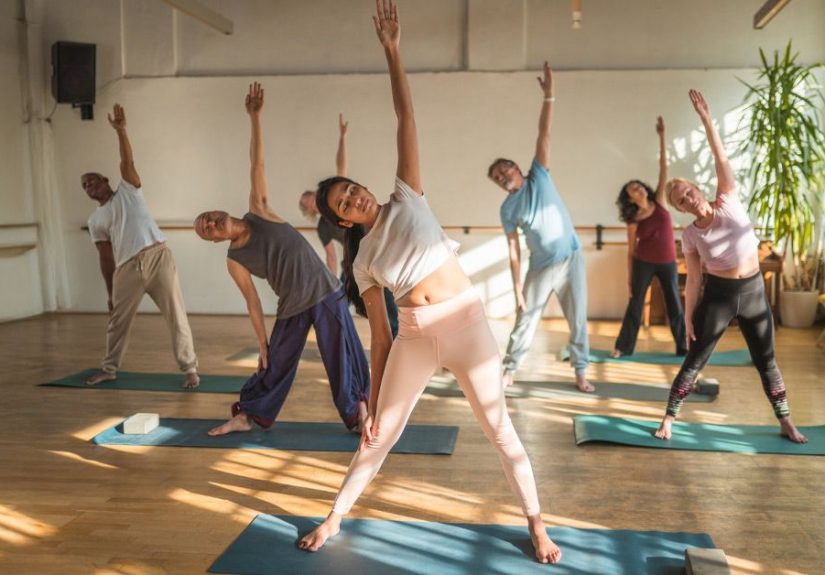
Walking, dancing, stair climbing, resistance training, and other weight-bearing activities help stimulate bone. Strength training helps muscles support the skeleton, while balance work can reduce falls. The dream team is not one magical workout. It is a mix of weight-bearing movement, resistance exercise, and balance training done consistently.
4. Avoid smoking and limit alcohol
Smoking harms bone health. Heavy alcohol use can increase bone loss and raise the risk of falling. Neither habit is doing your skeleton any favors.
5. Talk to a doctor after any low-trauma fracture
If you break a bone from a minor fall or routine movement, do not shrug it off as bad luck and weird flooring. It may be a signal to check bone density, assess fracture risk, and discuss treatment.
Common Myths About Osteoporosis
“It only affects very old women.”
Nope. It is more common in older women, but men get osteoporosis too, and prevention should start long before old age.
“If I do not have symptoms, my bones are fine.”
Also no. Osteoporosis can progress silently for years.
“I drink milk sometimes, so I’m covered.”
That is adorable, but no. Bone health depends on the bigger picture: total calcium and vitamin D intake, exercise, hormones, medications, smoking status, alcohol use, and fall risk.
“A fracture is just part of getting older.”
Not necessarily. Many fractures related to osteoporosis are preventable with screening, treatment, exercise, and fall prevention.
The Human Side of Bone Health: Real-World Experiences and Lessons
When people talk about osteoporosis in real life, they rarely start with bone density scores. They start with a moment. A grandmother reaches for a grocery bag, twists the wrong way, and suddenly has back pain that turns out to be a spinal fracture. A healthy-looking retired man slips on a wet patio, breaks his wrist, and is stunned to learn his bones are thinner than expected. A woman in her early sixties hears “osteopenia” after a routine scan and realizes she has been treating strength training like an optional side quest for about 20 years.
One common experience is surprise. Many people assume osteoporosis has obvious symptoms, but it often does not. They feel fine until they do not. That surprise is frequently followed by a second feeling: frustration. Patients may look back and wonder why nobody mentioned bone health earlier, especially after menopause, during long-term steroid use, or after a first low-trauma fracture. In hindsight, the warning signs can seem obvious. In real time, they are easy to miss.
Another common experience is fear of falling. After one fracture, people often move differently. They become cautious on stairs, nervous on wet pavement, and weirdly suspicious of throw rugs. That fear is understandable, but it can create a problem of its own. When people move less, muscles weaken, balance gets worse, and bone-supporting activity drops. In other words, fear can quietly build the conditions for another fall. That is why many clinicians encourage safe, progressive movement instead of total retreat from activity.
There is also the everyday hassle factor. Bone health management can feel less dramatic than other medical issues, but it is surprisingly demanding. People may need scans, medication reviews, calcium planning, vitamin D supplements, home safety changes, and exercise routines that focus on posture, strength, and balance. Some medications come with very specific instructions. Patients joke that taking the pill correctly can feel like auditioning for a role as “person who drinks water upright with intense dedication.” Humor helps, honestly.
Still, many people report real improvement once they get a plan. They feel steadier after resistance training. They gain confidence from balance work. They stop thinking of bone health as a doom-laden diagnosis and start seeing it as a manageable part of healthy aging. Families often get involved too, especially after a parent’s fracture. Adult children may help with safer shoes, brighter lighting, grab bars, or rides to appointments. That support matters.
Perhaps the biggest lesson from real-world osteoporosis experiences is that bone health is not just about avoiding catastrophe. It is about preserving ordinary life: walking the dog, carrying groceries, gardening, traveling, hugging grandkids without wincing, and getting out of a chair without negotiating with your knees and your spine like a hostage mediator. Strong bones support small freedoms. And small freedoms add up to a life that still feels like your own.
Final Thoughts
Osteoporosis and bone health deserve more attention than they usually get. The condition is common, especially in older adults and postmenopausal women, but it is not inevitable and it is not untouchable. Screening can help identify risk. Exercise can strengthen muscles and support bones. Calcium and vitamin D matter. Fall prevention matters. And taking a first fracture seriously may help prevent the next one.
If there is one takeaway, it is this: bone health is easier to protect than to rebuild after a major break. So yes, care about your bones now. They are doing a lot for you. The least you can do is return the favor.