Table of Contents >> Show >> Hide
- Why Gray and White Work So Well in a Nursery
- Choosing the Right Gray for Nursery Walls
- Using White Without Making the Room Feel Cold
- Safe Sleep Comes Before Styling
- Furniture Essentials for a Gray and White Baby Room
- Layering Texture in a Gray and White Nursery
- Lighting Ideas for a Peaceful Nursery
- Decor Themes That Pair Beautifully With Gray and White
- Storage That Keeps the Peace
- Adding Warmth With Natural Materials
- Wall Decor Ideas for a Gray and White Nursery
- How to Make a Small Gray and White Nursery Feel Bigger
- Budget-Friendly Ideas for a Peaceful Gray and White Nursery
- Healthy Materials and Indoor Air Quality
- Experience-Based Tips for Creating A Peaceful Gray & White Nursery
- Conclusion
A peaceful gray and white nursery sounds simple, but do not let the quiet color palette fool you. This style can be soft, elegant, practical, budget-friendly, and surprisingly full of personality. Gray brings calm structure. White adds light, freshness, and that “tiny human, big dreams” feeling every nursery deserves. Together, they create a soothing baby room that works for newborn days, toddler chaos, and even those mysterious years when a child insists every stuffed animal needs its own pillow fort.
The beauty of a gray and white baby room is its flexibility. It can lean modern, farmhouse, Scandinavian, coastal, classic, minimalist, or whimsical. It can welcome a baby boy, baby girl, twins, or a surprise-arrival nursery where the parents would rather not paint the room three times before breakfast. Best of all, gray and white make a calm backdrop for the real star of the room: your baby, who will eventually decorate the space with socks, board books, and one rogue pacifier hiding under the crib.
In this guide, we will explore how to design a peaceful gray and white nursery that is beautiful, safe, comfortable, and functional. From paint colors and furniture placement to storage, lighting, texture, and personal touches, here is how to build a nursery that feels serene without becoming sterile.
Why Gray and White Work So Well in a Nursery
Gray and white are popular nursery colors because they create visual calm. Babies do not need a room that looks like a toy store exploded in a rainbow tornado. Parents, meanwhile, need a space that feels restful during late-night feedings, early-morning diaper changes, and the occasional “why is everyone awake at 3:12 a.m.?” moment.
White reflects natural light and makes the nursery feel clean, open, and airy. Gray adds depth, softness, and balance. When used well, gray prevents an all-white nursery from feeling too clinical, while white keeps gray from feeling heavy or gloomy. The result is a peaceful nursery design that feels polished but not fussy.
A Gender-Neutral Color Palette With Longevity
A gray and white nursery is also wonderfully gender-neutral. That makes it ideal for parents who want a timeless baby room, families planning to reuse furniture for future children, or anyone who prefers a soft modern nursery over traditional pink-or-blue themes. Add sage green, dusty blue, blush, camel, black, brass, or natural wood accents, and the room can shift styles without requiring a full makeover.
Calm Does Not Mean Boring
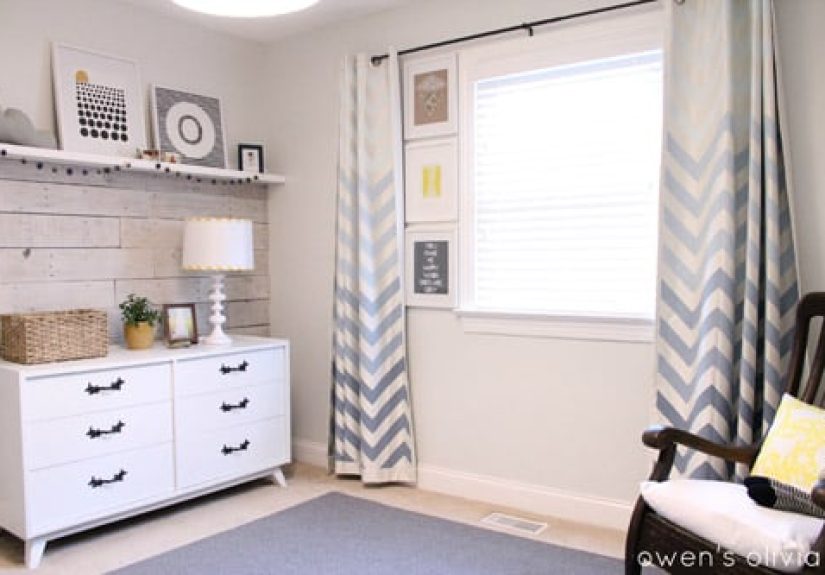
The secret to making a gray and white nursery feel warm is layering. Use different shades, finishes, and textures. A pale gray wall, white crib, woven basket, linen curtains, chunky knit throw on the rocking chair, and a soft rug can make the room feel rich and inviting. Think “peaceful retreat,” not “empty cloud warehouse.”
Choosing the Right Gray for Nursery Walls
Gray paint can be tricky. Some grays look blue in morning light, green at noon, purple by evening, and suspiciously like wet cement on a cloudy day. Before painting the whole nursery, test swatches on different walls and observe them for at least a day. Natural light, artificial lighting, flooring, and nearby furniture can all change how gray appears.
Warm Gray vs. Cool Gray
Warm gray has beige, taupe, or greige undertones. It feels cozy and soft, especially in rooms with limited natural light. Cool gray has blue or silver undertones and can feel crisp, modern, and fresh. For a nursery, warm gray is often the easier choice because it creates a gentle, comforting mood. Cool gray can still work beautifully, especially when paired with creamy white, wood tones, and textured fabrics.
Best Gray Paint Approach
For a peaceful gray and white nursery, choose a light to medium-light gray. Dark charcoal can be stunning as an accent, but using it on every wall may make a small nursery feel smaller. If you love deeper gray, try it behind the crib, on board-and-batten paneling, or through accents such as curtains, art frames, or a dresser.
Using White Without Making the Room Feel Cold
White is the quiet hero of this nursery style. It brightens the room, balances gray, and gives the eye a place to rest. However, too much stark white can make the space feel chilly. The fix is simple: choose soft whites and mix materials.
Instead of using bright gallery white everywhere, consider creamy white, warm white, ivory, or soft snow tones. A white crib, white bookshelf, or white changing table looks especially lovely against gray walls. If the walls are white, bring gray into the nursery through rugs, curtains, a glider, wall art, storage bins, and bedding accents outside the crib.
White Furniture That Works Hard
White nursery furniture is practical because it pairs with almost any future decor. A white crib can transition from newborn nursery to toddler room with new art, a different rug, or colorful book displays. White dressers and changing tables also make small nurseries look more spacious because they visually blend into the room instead of weighing it down.
Safe Sleep Comes Before Styling
A beautiful nursery should also be a safe nursery. The crib may be the visual centerpiece, but it should stay simple. For babies, a firm, flat sleep surface with a fitted sheet is the safest setup. Pillows, loose blankets, padded bumpers, comforters, and stuffed animals may look cute in photos, but they do not belong in the crib while an infant sleeps.
That does not mean the nursery has to look plain. Style the room around the crib rather than inside it. Use wall art above but safely out of reach, choose a beautiful fitted sheet, add a cozy rug, and place plush toys on a shelf or in a basket. The crib itself should remain calm, clear, and functional.
Where to Place the Crib
Place the crib away from windows, cords, blinds, heaters, shelves, and anything a baby could eventually grab. Babies become mobile faster than parents expect. One day they are tiny sleepy burritos; the next day they are tiny engineers testing every safety assumption in the room. Keep the crib area uncluttered and secure.
Furniture Essentials for a Gray and White Baby Room
A peaceful nursery does not need too much furniture. In fact, overcrowding a nursery can make it harder to use. Start with the basics: crib, dresser or changing station, comfortable chair, side table, storage, and soft lighting.
The Crib
A white crib creates a bright and classic look. A gray crib feels modern and grounded. A natural wood crib adds warmth and pairs beautifully with gray and white. Whatever style you choose, make sure the crib meets current safety standards and has a properly fitting mattress.
The Dresser and Changing Area
A dresser with a changing pad on top can save space and grow with your child. Choose drawers that glide smoothly because you may be opening them with one hand while holding a baby with the other. Anchor dressers and other heavy furniture to the wall. A peaceful nursery should not include furniture that can tip over when a curious toddler decides climbing is their new hobby.
The Glider or Rocking Chair
A comfortable glider is worth serious consideration. Late-night feeding sessions are easier in a chair that supports your back, arms, and neck. Choose gray upholstery for a seamless look, or pick cream, white boucle, or soft beige if you want extra warmth. Add a small side table for a water bottle, burp cloth, book, or phone charger.
Layering Texture in a Gray and White Nursery
Texture is what keeps a neutral nursery from feeling flat. Since the color palette is quiet, materials must do more of the talking. Mix smooth painted furniture with woven baskets, cotton curtains, a plush rug, linen crib sheets, wood frames, and a cozy throw on the chair.
A gray and white nursery should feel touchable. A soft rug helps define the room and gives future tummy-time sessions a comfortable landing place. Woven hampers add storage while warming up the palette. Fabric bins make shelves look neat even when they are secretly hiding baby socks, swaddles, and mysterious tiny mittens that never seem to have a matching partner.
Pattern Without Overload
Use pattern sparingly for a calm effect. Subtle stripes, tiny stars, soft clouds, simple gingham, delicate florals, or geometric prints can add personality. If the nursery has gray walls and white furniture, a patterned rug can become the statement piece. If the rug is plain, use patterned curtains, wall decals, or framed prints.
Lighting Ideas for a Peaceful Nursery
Nursery lighting should be layered. Overhead light is helpful for cleaning and organizing, but it can feel too bright during bedtime routines. Add a dimmable lamp, wall sconce, or night-light so nighttime care feels calm instead of stadium-bright.
Warm white bulbs generally feel softer than cool white bulbs. Blackout curtains or shades can help control daylight during naps, while sheer curtains can keep the room bright and gentle during playtime. The goal is flexibility: bright enough when you need to find the diaper cream, soft enough when you are trying not to fully wake the babyor yourself.
Lighting Safety
Keep cords tucked away and out of reach. Avoid placing lamps where they can be pulled down. If using plug-in night-lights or sound machines, position them safely and avoid cord loops near the crib or changing table.
Decor Themes That Pair Beautifully With Gray and White
Gray and white can support many nursery themes without looking overdone. The key is choosing one soft direction and repeating it lightly throughout the room.
Cloud and Sky Nursery
A cloud theme is a natural match for gray and white. Use cloud wall decals, a pale gray rug, white curtains, and soft blue accents. Keep it dreamy, not stormy. Nobody wants the nursery to feel like a weather alert.
Woodland Nursery
Gray walls, white furniture, and forest animal prints create a sweet woodland nursery. Add natural wood shelves, woven baskets, and a touch of sage green. Foxes, rabbits, bears, and deer can appear in art or books rather than taking over every inch of the room.
Modern Minimalist Nursery
For a modern nursery, use clean lines, simple furniture, black accents, and abstract wall art. A white crib against a light gray wall can look crisp and sophisticated. Add one sculptural lamp or a graphic rug to keep the room interesting.
Scandinavian Nursery
Scandinavian design works beautifully with gray and white. Think pale wood, soft textiles, open shelves, simple shapes, and practical storage. The result feels cozy, organized, and effortlessly calm.
Storage That Keeps the Peace
A nursery can look peaceful in photos, but real life includes diapers, wipes, burp cloths, swaddles, toys, laundry, and baby gear with names that sound like spaceship parts. Good storage is what keeps a gray and white nursery looking serene after the baby arrives.
Use drawer dividers for tiny clothes. Store extra diapers in baskets near the changing area. Place books on forward-facing shelves so they become decor and entertainment. Add labeled bins if you enjoy organization, or unlabeled bins if your parenting style is more “put the thing somewhere before the baby eats the receipt.” Both are valid.
Open and Closed Storage
Open shelves are great for pretty items: books, framed art, small baskets, and keepsakes. Closed storage is better for the less glamorous but very necessary items, such as extra wipes, backup crib sheets, medicine supplies, and seasonal clothing. A peaceful room usually needs both.
Adding Warmth With Natural Materials
Gray and white can become too cool if every surface is painted, glossy, or metal. Natural materials bring the room back to earth. Add a wood crib, cane-front dresser, rattan basket, bamboo shade, jute rug, or oak picture frames. Even a small wooden stool beside the glider can soften the space.
Warm metals also work well. Brass, antique gold, or champagne hardware can make a gray and white nursery feel elegant. Matte black hardware creates a modern look. Brushed nickel keeps the palette cool and classic.
Wall Decor Ideas for a Gray and White Nursery
Wall decor is where the nursery can become personal. Choose art that feels gentle, meaningful, and easy to update. Framed animal prints, watercolor landscapes, alphabet posters, moon-and-star artwork, family photos, or a custom name sign can all work well.
Accent Walls
An accent wall can add depth without overwhelming the nursery. Consider gray board and batten, white shiplap, peel-and-stick wallpaper, or a painted arch behind the crib. If you use wallpaper, choose a subtle pattern that supports the peaceful mood. Tiny dots, soft botanicals, stars, or simple line drawings are all excellent choices.
Keep Decor Secure
Any wall decor near the crib should be securely installed. Avoid heavy objects directly over the crib if there is any risk of them falling. Lightweight art, decals, or murals can offer style with less worry.
How to Make a Small Gray and White Nursery Feel Bigger
Small nurseries can be charming, but they need smart design. Use light gray or white walls to reflect light. Choose furniture with slim profiles. Select a dresser that doubles as a changing station. Use vertical storage to free up floor space.
Mirrors can help bounce light around the room, but install them securely and away from the crib. Keep the palette consistent so the room feels open. Too many contrasting colors can visually chop up a small space.
Small-Room Layout Tip
Place the crib on the most open wall, the dresser near the closet, and the glider where it has enough clearance to move. Leave a clear path between the crib, changing station, and chair. During late-night wakeups, your shins will thank you.
Budget-Friendly Ideas for a Peaceful Gray and White Nursery
A beautiful nursery does not require a luxury budget. Paint is one of the most affordable ways to transform a room. A simple white crib, secondhand dresser, new hardware, washable rug, and framed printable art can create a polished look for less.
Spend more where safety and daily use matter most: crib, mattress, chair comfort, and storage. Save on decorative accents that can be changed later. Babies do not know whether the wall art came from a boutique or a printable download. They are mostly interested in ceiling fans, your face, and the label on a toy.
Healthy Materials and Indoor Air Quality
Because babies spend a lot of time indoors, it is wise to think about air quality. When painting, choose low-VOC or zero-VOC paint when possible, ventilate the room well, and finish painting well before the baby arrives. New furniture, rugs, and mattresses can also have odors, so unpack items early and allow time for airing out.
Look for furniture, mattresses, or textiles with credible low-emission certifications when available. Wash baby fabrics before use, vacuum regularly, and avoid heavily scented room sprays or plug-ins. A peaceful nursery should smell clean, not like a perfume counter got nervous.
Experience-Based Tips for Creating A Peaceful Gray & White Nursery
Designing a peaceful gray and white nursery is not only about choosing paint and furniture. It is about imagining how the room will feel at 2 a.m., when the house is quiet, the baby is sleepy, and you are trying to operate on three hours of rest and one heroic cup of coffee. From real-life nursery planning experience, the most successful rooms are not the ones that look perfect on day one. They are the ones that make daily care easier.
First, test everything before the baby arrives. Sit in the glider and pretend you are feeding a baby. Can you reach the lamp? Is there a place for water? Can you set down a burp cloth? Is the footrest comfortable? A nursery chair may look beautiful online, but if it feels like sitting on a decorative rock, it will not be your friend. Comfort matters more than the angle of the chair legs.
Second, organize the changing station like a tiny command center. Keep diapers, wipes, cream, extra outfits, and burp cloths within reach, but not where a baby can grab them later. Drawer dividers are incredibly helpful. So are small baskets. The goal is to avoid opening six drawers during a diaper emergency. Babies have a talent for turning “just a quick change” into a full laundry situation.
Third, do not overbuy decor before the baby arrives. A gray and white nursery can grow slowly. Start with the essentials, then add personality once you learn how the room functions. You may discover that you need more storage, a better blackout shade, an extra hamper, or a second changing pad cover long before you need another framed quote about dreaming big. Lovely words are nice. Clean sheets at midnight are nicer.
Fourth, choose washable materials whenever possible. A white nursery can stay beautiful, but only if the fabrics are realistic. Washable rugs, wipeable chair fabric, removable cushion covers, and easy-clean surfaces make a huge difference. Babies are adorable, but they are not famous for respecting upholstery.
Fifth, leave breathing room in the design. A peaceful nursery should not be packed wall to wall. Negative space is part of the style. Empty floor space gives you room for tummy time now and play later. Open shelves should not be stuffed. The room should feel calm even when a few toys are out, because once the baby grows, a few toys will always be out. This is not a design failure. This is called “a child lives here.”
Finally, add one or two meaningful details. A family photo, a handmade blanket displayed safely away from the crib, a framed note, a favorite childhood book, or a small piece of art can make the nursery feel loved. Gray and white provide the peaceful background, but personal touches give the room its heart.
Conclusion
A peaceful gray and white nursery is timeless because it balances beauty, comfort, and practicality. The palette is calm enough for sleep, flexible enough for different themes, and stylish enough to grow with your child. By choosing soft paint colors, safe furniture, layered textures, warm lighting, smart storage, and meaningful decor, you can create a nursery that feels gentle without being dull.
The best nursery is not the one that wins the internet for five minutes. It is the one that supports your family every day. It helps you find the wipes, rock the baby, enjoy a quiet story, and breathe a little easier in the middle of a very full season. Gray and white simply make that season look beautifully peaceful.