Table of Contents >> Show >> Hide
- What Is a Nose Job, Really?
- When Is a Teen Old Enough for Rhinoplasty?
- Emotional Readiness: The Part No One Should Skip
- What Parents Should Ask Before Saying Yes
- Choosing the Right Surgeon
- What Happens During a Nose Job?
- Risks Teens and Parents Should Understand
- Recovery: What Teen Life Looks Like After Surgery
- Cost and Insurance: Who Pays for What?
- Social Media, Filters, and the “Perfect Nose” Problem
- How Teens Can Prepare for a Consultation
- Parent-Teen Communication: How to Talk About It Without Starting World War III
- Realistic Examples of Teen Rhinoplasty Decisions
- Experience-Based Advice for Teens and Parents Considering Nose Jobs
- Conclusion: A Nose Job Is a Family Decision, Not a Trend
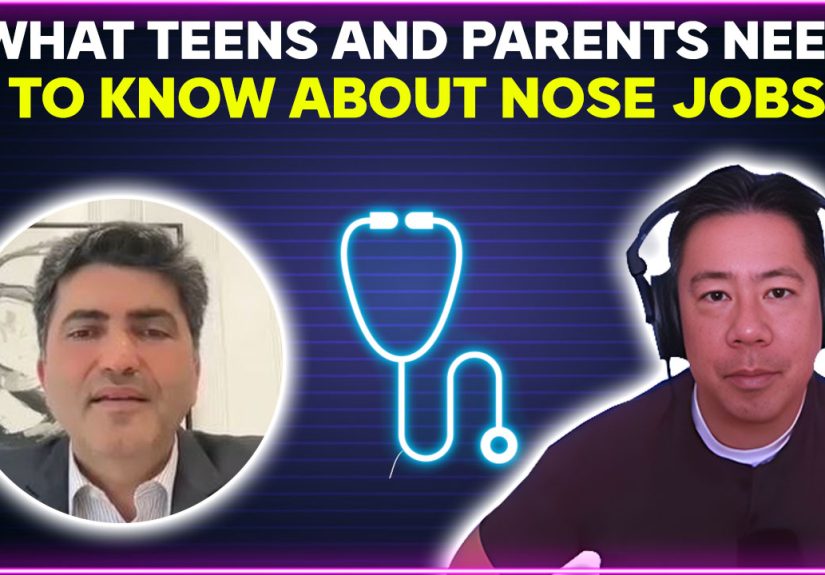
Thinking about teen rhinoplasty? Before anyone starts saving screenshots of celebrity noses or whispering “just a tiny bump removal” at the dinner table, teens and parents should understand what a nose job can do, what it cannot do, and why timing, emotional readiness, and surgeon choice matter just as much as the final profile photo.
What Is a Nose Job, Really?
A “nose job” is the everyday name for rhinoplasty, a surgical procedure that changes the shape, structure, or function of the nose. For some teens, rhinoplasty is cosmetic: smoothing a bump, refining the nasal tip, narrowing the bridge, or improving facial balance. For others, it is functional: correcting breathing problems caused by a deviated septum, nasal trauma, congenital differences, or nasal valve weakness.
Sometimes the procedure is both cosmetic and functional. For example, a teen who broke their nose during soccer may have a crooked bridge and trouble breathing on one side. In that case, the surgeon may discuss septorhinoplasty, which addresses both appearance and nasal airflow. That is why parents should avoid assuming every nose job is “just vanity.” Noses are busy little architectural projects: they affect how we look, breathe, sleep, exercise, and sometimes how confident we feel walking into a cafeteria full of professional-level teenage observers.
Cosmetic vs. Functional Rhinoplasty
Cosmetic rhinoplasty focuses on appearance. It may adjust the bridge, nostrils, tip, width, symmetry, or overall proportion of the nose. Functional rhinoplasty focuses on breathing and structure. It may involve the septum, turbinates, nasal valves, or cartilage support. Parents and teens should be clear about the main goal because it affects planning, cost, insurance, recovery expectations, and how success is measured.
When Is a Teen Old Enough for Rhinoplasty?
Age matters because the nose continues developing during adolescence. Operating too early may interfere with growth or create results that change as the face matures. In general, many surgeons consider rhinoplasty only after nasal growth is mostly complete, often around 15 to 16 for girls and 16 to 18 for boys. These are not magic numbers carved into a surgical stone tablet. Puberty, facial development, height changes, and individual anatomy all matter.
A responsible surgeon will evaluate physical maturity rather than simply asking for a birthday. They may look at growth patterns, facial proportions, menstrual history for girls, recent height changes, and whether the nose and face appear stable. If a teen is still growing rapidly, the best answer may be: “Not yet.” That answer can be frustrating, but waiting can protect the final result.
Exceptions Can Exist
Some teens may need earlier nasal surgery because of injury, breathing obstruction, congenital conditions, or severe functional problems. In those cases, the medical need may outweigh the benefit of waiting. However, elective cosmetic changes usually deserve a slower, more cautious decision-making process.
Emotional Readiness: The Part No One Should Skip
A teen may be physically ready for rhinoplasty but emotionally unprepared. That difference is huge. A good candidate should understand the procedure, have realistic expectations, and want surgery for personal reasonsnot because of bullying, pressure from friends, social media filters, or a parent’s opinion.
The healthiest motivation sounds like: “This feature has bothered me for a long time, I understand surgery has limits, and I want a natural improvement.” A more concerning motivation sounds like: “If I fix my nose, everyone will like me, I’ll become popular, and my entire life will turn into a movie montage.” Surgery can improve nasal shape, but it cannot repair self-worth, social anxiety, family tension, or the emotional chaos of junior year.
Watch for Red Flags
Parents should pay attention if a teen is obsessively checking mirrors, editing every photo, refusing social activities, or repeatedly finding new “flaws” to fix. These patterns may suggest body image distress or body dysmorphic disorder. In that situation, a mental health professional should be part of the conversation before surgery is considered. Ethical surgeons often screen for unrealistic expectations and may decline to operate if they believe surgery will not truly help the patient.
What Parents Should Ask Before Saying Yes
Parents do not need to become nasal anatomy experts overnight, but they should be active decision-makers. For patients under 18, parental consent is required in the United States. More importantly, parents help teens slow down, ask practical questions, and think beyond the exciting “after” photo.
Important Questions for the Consultation
- Is my teen’s nose fully developed enough for surgery?
- Is the goal cosmetic, functional, or both?
- What changes are realistic for this face?
- Will breathing be protected or improved?
- What are the risks in this specific case?
- How many teen rhinoplasty procedures has the surgeon performed?
- Where will the surgery take place, and is the facility accredited?
- What is the recovery timeline for school, sports, band, theater, or work?
- What happens if the result is not what we expected?
These questions are not rude. They are responsible. If a surgeon seems irritated by thoughtful questions, that is information too. The nose may be small, but the decision is not.
Choosing the Right Surgeon
Teen rhinoplasty should be performed by a qualified, board-certified plastic surgeon or facial plastic surgeon with experience in nasal surgery and adolescent patients. Rhinoplasty is widely considered one of the most technically demanding cosmetic procedures because the nose must look good and function well. A tiny change in cartilage support can affect breathing. A tiny overcorrection can make the result look unnatural. Basically, this is not the time to bargain-shop like you are hunting for discounted sneakers.
Credentials Matter
Parents should verify board certification, training, surgical facility accreditation, and before-and-after photos of patients with similar concerns. Ask whether the surgeon performs open rhinoplasty, closed rhinoplasty, preservation rhinoplasty, structural rhinoplasty, or other techniquesand why one approach is recommended. The best technique depends on anatomy and goals, not trends.
Natural Results Usually Win
For teens, conservative changes often age better. The goal is usually facial harmony, not a nose that announces itself from across the room. A good teen rhinoplasty should still look like the teenjust more balanced, comfortable, and natural.
What Happens During a Nose Job?
Rhinoplasty is typically an outpatient procedure, meaning the patient usually goes home the same day. It may be performed under general anesthesia or sedation, depending on the case and surgeon preference. The surgeon reshapes bone, cartilage, and soft tissue to achieve the planned result. If breathing issues are involved, the septum, turbinates, or nasal valves may also be addressed.
Open vs. Closed Rhinoplasty
In closed rhinoplasty, incisions are hidden inside the nostrils. In open rhinoplasty, a small incision is made across the columella, the tissue between the nostrils, allowing the surgeon more visibility. The scar usually heals discreetly when performed properly. Neither approach is automatically better; the right choice depends on the complexity of the nose and the surgeon’s plan.
Risks Teens and Parents Should Understand
Rhinoplasty is common, but it is still surgery. Risks include bleeding, infection, anesthesia complications, scarring, numbness, prolonged swelling, asymmetry, poor cosmetic outcome, and breathing problems. Some patients may need revision surgery, especially if healing is unpredictable or expectations were unrealistic.
Teens should also understand that the final result takes time. The nose may look swollen, stiff, or slightly strange in the early weeks. Tip swelling can last for months. Final refinement may take up to a year or longer. Translation: do not judge the final result while eating soup in pajamas three days after surgery.
Breathing Should Never Be an Afterthought
A beautiful nose that does not breathe well is not a win. Parents should make sure the surgeon discusses airway function before surgery. This is especially important for teens who already have allergies, chronic congestion, snoring, sports-related breathing issues, or a history of nasal trauma.
Recovery: What Teen Life Looks Like After Surgery
Most teens need about one week away from school and social activities. Swelling, bruising around the eyes, congestion, mild discomfort, and fatigue are common during the first week. A splint is often worn on the outside of the nose, and internal splints or packing may be used in some cases.
Back to School
Many teens return to school after 7 to 10 days, depending on swelling, bruising, energy level, and comfort. Parents may want to schedule surgery during summer break, winter break, or another quiet period. This helps avoid awkward hallway questions like, “Did you get hit by a volleyball?” when the answer is actually “No, I got elective cartilage refinement, thanks for asking.”
Sports and Activities
Exercise is usually limited at first because increased heart rate can worsen swelling or bleeding. Contact sports must be avoided longer because a healing nose is vulnerable to injury. Teens involved in soccer, basketball, wrestling, cheerleading, dance, martial arts, or marching band should ask for a specific activity timeline. Glasses may also need special handling because pressure on the nasal bridge can affect healing.
Cost and Insurance: Who Pays for What?
Cosmetic rhinoplasty is usually paid out of pocket. Functional nasal surgery may be covered partly by insurance if there is documented medical necessity, such as breathing obstruction, trauma, or structural abnormality. When cosmetic and functional work are combined, insurance may cover only the medically necessary portion.
Families should ask for a detailed estimate that separates surgeon fees, anesthesia, facility fees, follow-up care, prescriptions, imaging, and possible revision policies. Do not assume the consultation quote includes everything. Nose surgery is not a surprise-party expense; nobody enjoys confetti made of unexpected bills.
Social Media, Filters, and the “Perfect Nose” Problem
Modern teens are growing up in a world where faces are constantly photographed, filtered, zoomed, cropped, and judged. That can distort expectations. A nose that looks “perfect” in a front-facing filtered selfie may not look natural in real life or from the side. Surgeons often warn against choosing a celebrity nose because noses do not exist in isolation. The same nose can look elegant on one face and completely out of place on another.
Better Goal: Facial Balance
The best rhinoplasty goal is not “make my nose look like someone else’s.” It is “make my nose fit my face better while protecting breathing and expression.” A teen’s ethnic background, facial proportions, skin thickness, chin projection, and natural features all influence what result will look balanced.
How Teens Can Prepare for a Consultation
Teens should come prepared to explain what bothers them and why. It can help to identify specific concerns: a bump on the bridge, a droopy tip, a crooked appearance, nostril asymmetry, or trouble breathing. Vague statements like “I hate my nose” are emotionally real, but they are not surgically specific.
Bring Honest Expectations
A consultation is not a sales appointment. It is a medical evaluation. Teens should be honest about health history, medications, vaping, smoking, allergies, previous injuries, and mental health concerns. Nicotine use is especially important because it can interfere with healing. Yes, that includes vaping. The nose knows.
Parent-Teen Communication: How to Talk About It Without Starting World War III
Parents may feel protective, worried, or even offended when a teen asks for cosmetic surgery. Teens may feel dismissed if parents respond with “You’re beautiful, stop thinking about it.” Both reactions are understandable, but neither ends the conversation well.
A better approach is curiosity. Parents can ask, “How long have you felt this way?” “What change are you hoping for?” “Do you feel pressured by anyone?” “Would you still want this if social media disappeared tomorrow?” Teens can ask parents for help researching surgeons, understanding risks, and planning recovery. The goal is not instant approval or instant rejection. The goal is a thoughtful decision.
Realistic Examples of Teen Rhinoplasty Decisions
Example 1: The Athlete With a Broken Nose
A 17-year-old soccer player has a crooked nose after two injuries and struggles to breathe through one side. In this case, evaluation by an ENT or facial plastic surgeon may reveal a deviated septum or nasal valve issue. Surgery may be both functional and cosmetic, and insurance may cover part of the medical portion if properly documented.
Example 2: The Teen With a Long-Term Cosmetic Concern
A 16-year-old has disliked a prominent bridge bump since middle school. She is physically mature, emotionally steady, and wants a subtle change. If the surgeon confirms nasal growth is complete and expectations are realistic, she may be a reasonable candidate.
Example 3: The Teen Chasing a Filtered Face
A 15-year-old wants a tiny upturned nose after comparing herself to influencers online. Her preferences change every few weeks, and she believes surgery will make her popular. This teen may benefit more from time, counseling, and a break from the magnifying mirror of social media before considering surgery.
Experience-Based Advice for Teens and Parents Considering Nose Jobs
One of the most valuable lessons families learn during the rhinoplasty process is that the decision feels different at every stage. At first, it may seem exciting and simple: find a surgeon, pick a nose shape, schedule the procedure, and emerge looking refreshed. In reality, the experience is more layered. There are medical appointments, emotional conversations, cost discussions, recovery logistics, and moments of uncertainty. Families who do best are usually the ones who treat rhinoplasty as a serious medical choice, not a quick beauty upgrade.
For teens, the most helpful experience is learning how to describe the concern clearly. Instead of saying, “My nose is ugly,” it is better to say, “The bridge bump bothers me from the side,” or “I feel like the tip droops when I smile,” or “I cannot breathe well through my left nostril.” This kind of specific language helps the surgeon understand the goal and helps the teen separate a fixable feature from a broader feeling of insecurity.
Parents often discover that listening first works better than lecturing first. A teen who asks about a nose job may already feel nervous, embarrassed, or afraid of being judged. When parents immediately say “absolutely not,” the teen may shut down or seek information from less reliable sources. A calmer response might be, “I want to understand what you’re feeling, and then we can learn about the risks and timing together.” That does not mean parents must agree to surgery. It means the conversation stays open and safe.
Another real-world lesson is that recovery requires patience. The first week can be uncomfortable and emotionally weird. The teen may feel stuffy, swollen, bruised, tired, and unsure whether the result looks right. This is normal, but it can be stressful. Families should prepare for a “do not panic” period. Stock soft foods, create a comfortable recovery space, follow medication instructions, and keep the teen away from intense mirror-checking. Healing is not a daily beauty contest.
School planning also matters. Even confident teens may feel self-conscious returning with visible swelling or questions from classmates. Scheduling surgery during a break can reduce pressure. Parents can help by discussing what the teen wants to say if people ask. Some teens prefer honesty: “I had nose surgery.” Others prefer privacy: “I had a medical procedure.” Both are valid. No teen owes the entire cafeteria a press conference.
The most satisfying outcomes usually happen when the teen’s expectations are realistic, the surgeon is skilled, and the family supports the process without rushing it. A good nose job does not create a new person. It helps the same person feel more comfortable in their own face. That may sound less dramatic than a movie makeover, but in real life, subtle confidence often beats dramatic transformation.
Conclusion: A Nose Job Is a Family Decision, Not a Trend
Teen rhinoplasty can be appropriate for the right patient at the right time, especially when nasal growth is complete, expectations are realistic, and the surgeon is highly qualified. It can improve facial balance, repair injury-related changes, and sometimes help breathing. But it is not a shortcut to confidence, popularity, or perfection.
For parents, the best role is not to panic or rubber-stamp the request. It is to guide, research, ask questions, and protect the teen’s long-term well-being. For teens, the best approach is honesty: know why you want surgery, understand what it involves, and give yourself permission to wait if the timing is not right. A nose job may change a profile, but a thoughtful decision can protect something even more important: health, confidence, and peace of mind.