Table of Contents >> Show >> Hide
- Why Carrie Ann Inaba’s Heartfelt Note Mattered
- Season 33 Brought Back the Familiar DWTS Formula Fans Love
- The Emotional Core of Dancing With the Stars Season 33
- Carrie Ann Inaba’s Judging Style: Heart First, But Technique Still Counts
- How Season 33 Ended: Joey Graziadei and Jenna Johnson Took the Mirrorball
- Why Fans Connected With Carrie Ann’s Season 33 Optimism
- The Bigger Meaning Behind the Heartfelt Note
- What Carrie Ann Inaba’s Note Teaches About Great Reality TV
- Experience Section: Why This Season Felt Like a Shared Living-Room Event
- Conclusion
- SEO Tags
When Carrie Ann Inaba shares her feelings about Dancing With the Stars, fans tend to listen. After all, she is not a casual observer sitting on the couch with popcorn and a glittery score paddle she bought online. She has been part of the show’s judging DNA since its earliest days, helping define what viewers expect from ballroom critiques: warmth, technique, emotional honesty, and the occasional comment that makes the live audience gasp louder than a dropped lift.
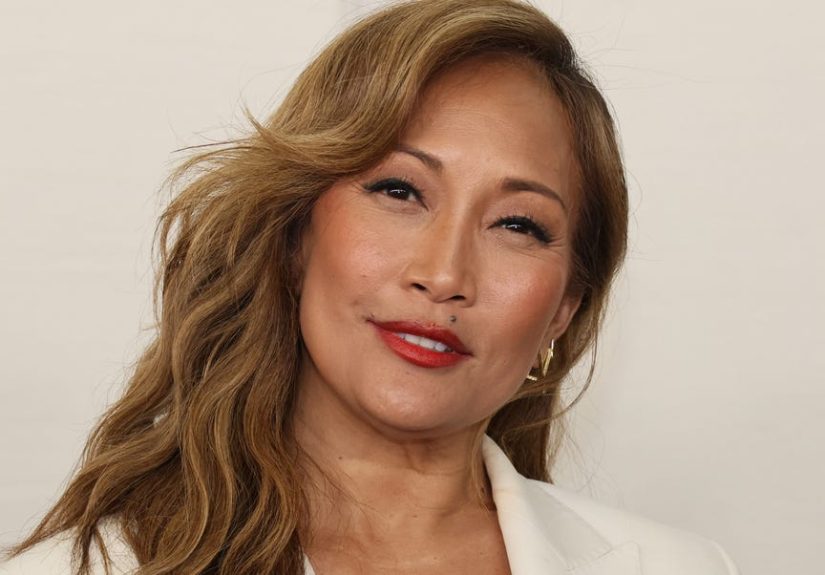
That is why her heartfelt note about Dancing With the Stars Season 33 landed with so much sparkle. Shortly after the season premiered in September 2024, Carrie Ann Inaba posted an enthusiastic message on Instagram saying she believed Season 33 could become one of her favorite seasons ever. She praised the cast, the energy, the entertainment value, and the simple joy of seeing mirrorballs, sequins, smiles, and celebrities bravely learning how not to trip over their own feet on live television.
Her message was more than a cheerful social media caption. It captured what made Season 33 interesting from the start: a lively celebrity lineup, a trusted judging panel, emotional performances, fan debates, and a finale that crowned Joey Graziadei and Jenna Johnson with the Len Goodman Mirrorball Trophy. For a show that has survived format changes, host changes, streaming experiments, and enough rhinestones to decorate a small moon, Season 33 reminded viewers why DWTS still has its own kind of magic.
Why Carrie Ann Inaba’s Heartfelt Note Mattered
Carrie Ann Inaba’s Instagram note arrived right after the Season 33 premiere, which aired on September 17, 2024, on ABC and Disney+. In the post, she expressed excitement about the new cast and suggested the season was already off to a strong start. She also playfully called the contestants “superstars,” which was a fitting description for a cast that blended reality TV personalities, athletes, actors, models, and one famously controversial ankle-monitor-wearing participant.
The timing was important. Premiere nights are not just about first dances; they are about first impressions. Viewers are deciding who feels naturally charming, who looks terrified, who has secret dance ability, and who may need a friendly reminder that hips are allowed to move independently from shoulders. Inaba’s message helped set the tone: this season was not just another round of celebrities learning the cha-cha. It was a feel-good TV event with potential.
Her note also reflected her long relationship with the show. Carrie Ann has judged countless routines, watched celebrities transform from nervous beginners into confident performers, and witnessed the ballroom become a place where personal stories are told through movement. When she says a season feels special, it carries weight. She is not only judging steps; she is reading the emotional temperature of the ballroom.
Season 33 Brought Back the Familiar DWTS Formula Fans Love
Dancing With the Stars Season 33 premiered with Alfonso Ribeiro and Julianne Hough returning as co-hosts. The judging panel featured Carrie Ann Inaba, Bruno Tonioli, and Derek Hough. That lineup gave the season a balanced rhythm: Alfonso brought game-show polish and former-champion credibility, Julianne brought dance expertise and backstage warmth, Bruno delivered his signature theatrical flair, Derek offered technical precision, and Carrie Ann remained the emotional truth-teller at the center of the panel.
The show also continued its modern broadcast strategy, airing live on ABC and Disney+ with episodes available the next day on Hulu. That mattered because DWTS now lives in two worlds at once: traditional live television and streaming-era conversation. Fans can vote, react, clip moments, argue about scores, and create viral commentary almost instantly. In other words, a single paddle score can travel farther online than some contestants travel during a quickstep.
A Cast Built for Conversation
Season 33’s cast was designed to get people talking. Joey Graziadei from The Bachelor partnered with Jenna Johnson. Jenn Tran from The Bachelorette joined Sasha Farber. Olympic gymnast Stephen Nedoroscik, already beloved online as the “pommel horse guy,” danced with Rylee Arnold. Olympic rugby player Ilona Maher partnered with Alan Bersten. Actress Chandler Kinney joined Brandon Armstrong. Former NFL player Danny Amendola competed with Witney Carson.
The lineup also included Tori Spelling, Reginald VelJohnson, Eric Roberts, Brooks Nader, Dwight Howard, Phaedra Parks, and Anna Delvey. That mix gave producers everything a reality competition needs: nostalgia, athleticism, social media buzz, redemption arcs, and at least one casting choice that made viewers tilt their heads and say, “Wait, are we doing this?” Yes, ballroom friends. We were doing this.
Carrie Ann’s early enthusiasm made sense because the cast had range. Some contestants had athletic discipline. Some had performance backgrounds. Some had fan bases ready to vote like their Wi-Fi depended on it. And some were walking into the ballroom with more curiosity than technique, which is often where DWTS finds its most memorable growth stories.
The Emotional Core of Dancing With the Stars Season 33
The best seasons of Dancing With the Stars are not only about who gets the highest score. They are about transformation. Season 33 leaned heavily into that tradition. Viewers watched contestants face stage fright, improve posture, build chemistry with their professional partners, and connect personal stories to choreography.
Dedication Night was one of the clearest examples. Former pro and three-time Mirrorball champion Mark Ballas returned as a guest judge, and the episode focused on routines honoring meaningful people, memories, and milestones. Carrie Ann later revealed that she passed Ballas a note during the show referencing the late Len Goodman, writing that Len would have been proud of him. The gesture was small, but it showed how deeply the DWTS family still feels Len’s presence.
That moment also tied Season 33 to the show’s broader legacy. Len Goodman’s name now lives on through the Len Goodman Mirrorball Trophy, and the show continues to honor his standard of ballroom discipline. Carrie Ann’s note to Mark Ballas showed that the judges’ table is not just a row of celebrity critics; it is a place filled with history, friendships, grief, respect, and the shared language of dance.
Carrie Ann Inaba’s Judging Style: Heart First, But Technique Still Counts
Carrie Ann Inaba has always been one of the most emotionally responsive judges on Dancing With the Stars. She is often the first to call out a breakthrough, the first to acknowledge vulnerability, and, yes, sometimes the first to point out when a lift happened where a lift was not supposed to happen. Her judging style blends empathy with rules, which is exactly why fans can both love her and argue with her in the same episode.
Season 33 highlighted that tension. At the beginning of the season, Carrie Ann’s heartfelt note showed her excitement and affection for the cast. By the finale, she was also at the center of debate after giving candid criticism to Joey Graziadei and Jenna Johnson’s freestyle. While Derek Hough and Bruno Tonioli responded more favorably to the routine, Carrie Ann described it as less impactful than expected. The audience booed, fans debated, and social media did what social media does best: turned a judging comment into a mini weather system.
Still, the controversy actually reinforced her role on the show. Carrie Ann is not there only to cheer. She is there to evaluate. A judge who loves the contestants but still gives honest criticism is part of what keeps the competition credible. If every routine were treated like a masterpiece, the Mirrorball would start to feel like a participation trophy wearing spray tan.
How Season 33 Ended: Joey Graziadei and Jenna Johnson Took the Mirrorball
The Season 33 finale aired on November 26, 2024, and featured five couples competing for the Len Goodman Mirrorball Trophy: Joey Graziadei and Jenna Johnson, Ilona Maher and Alan Bersten, Chandler Kinney and Brandon Armstrong, Stephen Nedoroscik and Rylee Arnold, and Danny Amendola and Witney Carson. It was a packed finale, with redemption dances, freestyles, returning cast members, and enough emotion to make even the glitter on the set look misty-eyed.
Joey Graziadei and Jenna Johnson won the season, making Joey the first male lead from The Bachelor franchise to take home the trophy. Jenna Johnson also earned a major professional milestone with the win. Ilona Maher and Alan Bersten finished second, Chandler Kinney and Brandon Armstrong placed third, Stephen Nedoroscik and Rylee Arnold came in fourth, and Danny Amendola and Witney Carson finished fifth.
Joey’s win made narrative sense. He entered the show known primarily as a reality TV romantic lead, not a trained dancer. Over the season, he improved, built trust with Jenna, and became a polished performer. That is the classic DWTS arc: arrive with nerves, survive the spray tan, learn the frame, find the rhythm, and leave with a trophy that looks like it was designed by a disco ball with royal ambitions.
Why Fans Connected With Carrie Ann’s Season 33 Optimism
Carrie Ann Inaba’s early note worked because it tapped into what many viewers want from Dancing With the Stars: comfort, spectacle, and emotional payoff. The world can be heavy. A ballroom full of sequins, live music, family stories, and celebrities trying to master the Viennese waltz can feel like a two-hour vacation from doomscrolling.
Her phrase about the show being what the world needed reflected the emotional function of entertainment. DWTS is not just a competition; it is communal television. Families watch together. Fans pick favorites. Viewers debate scores. Former contestants return. Pros become beloved characters in their own right. The show creates a shared weekly ritual, and Season 33 gave that ritual fresh energy.
The season also benefited from contestants who represented different kinds of aspiration. Ilona Maher showed strength, humor, and elegance beyond the stereotypes attached to athletes. Stephen Nedoroscik brought Olympic discipline and internet charm. Chandler Kinney delivered polished performance and historic significance as part of the first Black couple to reach a DWTS finale. Joey Graziadei offered the beginner-to-champion transformation fans love to root for.
The Bigger Meaning Behind the Heartfelt Note
Inaba’s note was not just about Season 33’s cast. It was also about the show’s staying power. Dancing With the Stars has been on the air long enough to become generational television. Some viewers grew up watching Carrie Ann, Bruno, and Len behind the judges’ table. Others discovered the show through Disney+, TikTok clips, or a favorite celebrity joining the cast.
That multigenerational appeal is rare. Many shows burn brightly and disappear. DWTS keeps reinventing itself while holding on to familiar elements: the judges’ table, the ballroom, the live band energy, the pro-celebrity partnerships, the dramatic elimination music, and the suspense of waiting for names to be called under studio lights.
Carrie Ann’s heartfelt post reminded fans that the people inside the ballroom feel that history, too. For her, Season 33 was not just a job assignment. It was another chapter in a long-running dance family, one that continues to expand with new pros, new contestants, new hosts, and new viewers.
What Carrie Ann Inaba’s Note Teaches About Great Reality TV
Reality competition shows work best when they offer more than winning and losing. They need stakes, personalities, progress, vulnerability, and moments that feel unscripted even inside a carefully produced format. Season 33 had all of that.
Carrie Ann’s note highlighted the emotional contract between the show and its audience. Viewers are not tuning in only to see perfect technique. They want to see effort. They want to see celebrities try something difficult. They want judges who care enough to praise and critique. They want glitter, but they also want growth.
That is why Dancing With the Stars continues to matter in pop culture. It turns celebrity into vulnerability. It turns athletic discipline into artistry. It turns weekly routines into mini character arcs. And when someone like Carrie Ann Inaba says she feels something special happening, fans understand she is speaking from years of watching the ballroom transform people.
Experience Section: Why This Season Felt Like a Shared Living-Room Event
The experience of following Dancing With the Stars Season 33 was a reminder that television can still feel communal. In a media world where everyone seems to be watching different shows at different speeds, DWTS creates a rare live-TV rhythm. You do not just watch a dance; you watch it while thousands of other fans are reacting, voting, cheering, complaining, and typing “underscored!” with the urgency of a national emergency.
Carrie Ann Inaba’s heartfelt note captured that feeling early. It was the kind of message that made the season feel welcoming before the competition became intense. Her excitement gave viewers permission to lean in, pick favorites, and believe that the new cast might deliver something memorable. That matters because the first week of DWTS is always slightly chaotic. Some celebrities look surprisingly graceful. Some look like they are mentally apologizing to their knees. Some partnerships click immediately, while others need time to become believable. Carrie Ann’s optimism helped frame all that nervous energy as part of the fun.
One of the most enjoyable parts of Season 33 was watching different types of confidence emerge. Joey Graziadei’s journey worked because he did not arrive as an obvious ballroom ringer. His improvement felt earned. Ilona Maher brought a refreshing mix of power, humor, and self-awareness, showing that elegance does not have to fit one narrow mold. Stephen Nedoroscik had the appeal of someone who could conquer Olympic pressure but still look charmingly human under ballroom lights. Chandler Kinney often performed with the polish of someone who understood how to tell a story through movement.
The judging also shaped the viewing experience. Carrie Ann’s critiques sometimes sparked debate, but that is part of the show’s heartbeat. Fans may disagree with her, but disagreement keeps the ballroom alive after the credits roll. A perfect reality competition judge is not someone everyone agrees with all the time. A good judge makes the audience think, argue, rewatch, and decide what they value more: difficulty, emotion, improvement, entertainment, or technical cleanliness.
Season 33 also showed how DWTS blends nostalgia with fresh energy. Longtime viewers could feel the absence of Len Goodman while still seeing his legacy honored. Newer fans could discover why pros like Mark Ballas and Jenna Johnson mean so much to the show’s history. Families could watch together and root for different contestants without needing a complicated plot recap. The premise remains beautifully simple: famous people learn dances, judges judge, fans vote, and somebody cries in a rehearsal package. Television does not always need to reinvent the wheel. Sometimes it just needs to polish the Mirrorball.
That is why Carrie Ann Inaba’s heartfelt note about Season 33 resonated. It was not just excitement from a judge. It was a reminder of what the show does best: bring people together for a few hours of music, movement, sincerity, sparkle, and harmlessly passionate arguments over whether a nine should have been a ten.
Conclusion
Carrie Ann Inaba’s heartfelt note on Dancing With the Stars Season 33 perfectly captured the mood of a season that mixed joy, legacy, debate, and transformation. Her early excitement proved understandable as the season unfolded with a standout cast, emotional theme nights, memorable judging moments, and a historic win for Joey Graziadei and Jenna Johnson.
Season 33 reminded fans that DWTS is at its best when it balances technique with heart. Carrie Ann’s role in that balance remains essential. She celebrates growth, honors the show’s history, challenges contestants, and occasionally starts a fan debate that could power a ballroom chandelier. In other words, she is doing exactly what a great reality TV judge should do.
Note: This article is written for web publication in standard American English and avoids embedded source links, citation artifacts, or unnecessary reference tags.