Table of Contents >> Show >> Hide
- What Is a Diabetes Alert Dog?
- How Do Diabetes Alert Dogs Detect Blood Sugar Changes?
- What Tasks Can a Diabetes Alert Dog Perform?
- Who Might Benefit Most from a Diabetes Alert Dog?
- What Does the Science Actually Say?
- Diabetes Alert Dogs vs. CGMs: Not a Competition, More Like a Tag Team
- Training: What Makes a Good Diabetes Alert Dog?
- How Much Do Diabetes Alert Dogs Cost?
- How to Choose a Reputable Program
- Legal Rights and Public Access in the United States
- Real-Life Benefits and Real-Life Challenges
- Experiences People Often Report With Diabetes Alert Dogs
- Conclusion
Diabetes management is already a full-time job disguised as a medical condition. There are numbers to check, meals to time, insulin to calculate, symptoms to catch, and the occasional 3 a.m. blood sugar plot twist that nobody invited. That is exactly why diabetes alert dogs have captured so much attention. These highly trained service dogs are more than adorable sidekicks with terrific noses. For some people, they add an extra layer of safety, independence, and peace of mind in a world where blood sugar can turn dramatic with very little warning.
Still, the topic is surrounded by equal parts hope, hype, and confusion. Can a dog really detect changing glucose levels? Are diabetes alert dogs accurate? Who should consider one? How much do they cost? And perhaps most importantly, are they a replacement for devices like continuous glucose monitors? The short answer is no, but the long answer is much more interesting. This guide breaks down everything you need to know about diabetes alert dogs in a clear, practical way, without the fluff and without pretending that every Labrador is secretly an endocrinologist.
What Is a Diabetes Alert Dog?
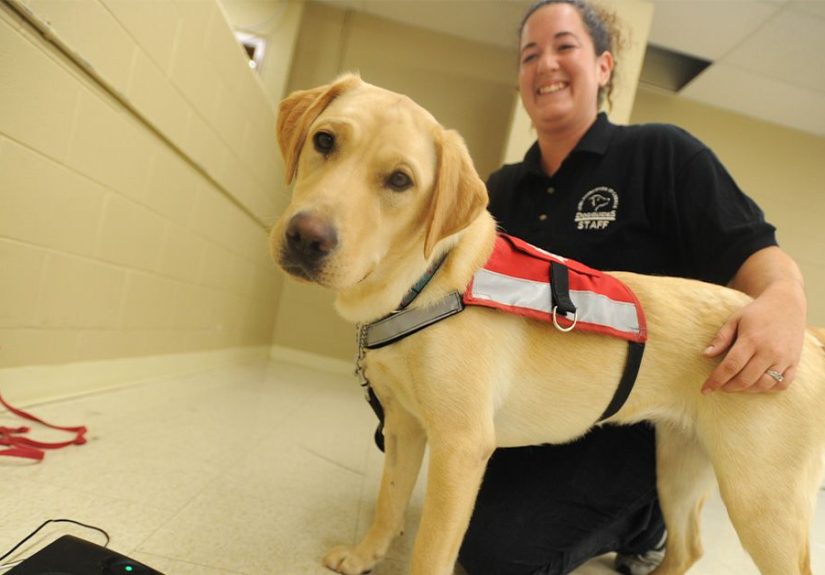
A diabetes alert dog, sometimes called a diabetic alert dog or diabetes service dog, is a specially trained service dog that helps a person with diabetes detect changes in blood sugar. Most people first associate these dogs with hypoglycemia, or low blood sugar, because lows can become dangerous fast. But many diabetes alert dogs are also trained to respond to hyperglycemia, or high blood sugar, depending on the handler’s needs and the training program.
The dog’s primary job is to alert the handler when glucose moves out of the person’s safe range. The alert itself can look different from dog to dog. Some paw at a leg. Some nudge with their nose. Some lick, stare, jump onto the bed, retrieve a kit, or go find another person for help. The magic is not in the theatrics. The magic is in the timing. A useful alert gives the person enough warning to check glucose, confirm what is happening, and act before the situation gets dangerous.
In the United States, a properly trained diabetes alert dog may qualify as a service animal if it performs tasks directly related to the handler’s disability. That distinction matters because a true service dog is not the same thing as a pet, a therapy dog, or an emotional support animal. A diabetes alert dog can be comforting, sure, but its legal role is task-based, not just vibes-based.
How Do Diabetes Alert Dogs Detect Blood Sugar Changes?
Dogs do not read glucose numbers, and they do not have tiny internal spreadsheets. What they do have is an astonishing sense of smell. Researchers and trainers believe diabetes alert dogs respond to scent changes linked to glucose shifts, especially during hypoglycemia. One compound often discussed in this conversation is isoprene, a naturally occurring chemical in human breath that appears to rise when blood sugar drops. Humans will not notice it. A trained dog just might.
That said, scent detection is not always as simple as “dog smells one thing and saves the day.” Real life is messy. Sweat, movement, stress, routine, sleep, food, illness, and environment can all influence behavior. Some dogs may respond to a cluster of scent and behavioral cues, not a single magic odor. That helps explain why some teams perform beautifully while others are less reliable.
The best training programs use scent samples, repeated reinforcement, public-access training, and handler education. In other words, the dog is not only trained to notice the change. It is trained to notice the change, communicate it clearly, and keep doing that task in the real world, not just in a quiet room where nothing smells like coffee, airport pretzels, or wet winter coats.
What Tasks Can a Diabetes Alert Dog Perform?
The headline task is alerting to low or high blood sugar, but many dogs learn much more than that. Depending on the program and the handler’s needs, a diabetes alert dog may:
- alert to dropping or rising blood sugar with a trained behavior
- wake the handler during nighttime lows
- retrieve a glucose meter, phone, juice, glucagon, or other supplies
- get another family member or caregiver for help
- lead a parent to a child who is experiencing a glucose problem
- alert to alarms from diabetes devices
- provide grounding and routine support during stressful moments
That range is part of the appeal. Technology can beep, vibrate, and send data. A dog can do those things technology cannot do, like physically wake someone up, fetch help, or turn an alert into immediate action. But this is where perspective matters. A diabetes alert dog is not better than medical technology. It is different from medical technology. In the strongest setups, each covers the other’s blind spots.
Who Might Benefit Most from a Diabetes Alert Dog?
Not every person with diabetes needs a service dog, and that is perfectly fine. A diabetes alert dog tends to make the most sense for people who have a specific risk profile or daily challenge that a trained dog can help address. Common examples include people with type 1 diabetes, people who use insulin and experience recurring lows, people with hypoglycemia unawareness, children who cannot always describe symptoms well, and families who worry most about overnight blood sugar events.
These dogs can also be especially valuable for people who live alone, sleep through alarms, have hearing issues that make device alerts harder to catch, or need a more physical form of backup. For some families, the dog becomes part of a larger safety plan that includes a CGM, regular glucose checks, emergency glucagon, and a clear care routine.
But let’s be honest: a service dog is also a lifestyle decision. If someone does not want the daily responsibility of feeding, grooming, exercising, reinforcing training, planning public outings, and answering strangers’ questions like “What breed is that?” twelve times before lunch, then a diabetes alert dog may not be the right solution. A dog can reduce one kind of stress while adding another. Both truths can exist at the same time.
What Does the Science Actually Say?
This is where the conversation gets interesting. Research on diabetes alert dogs is promising, but it is not a fairy tale with a perfectly neat ending. Studies suggest that some trained dogs can detect episodes of both hypoglycemia and hyperglycemia and may improve independence, quality of life, and confidence. However, the evidence also shows considerable variation between dogs. Some teams perform impressively. Others are mediocre. A few may be no better than chance in certain conditions.
That variability is important because it keeps the discussion honest. A well-trained dog paired with a skilled, consistent handler may perform very well. A poorly trained dog, an inconsistent reinforcement routine, or a mismatch between dog and person can reduce reliability. Research also suggests handler behavior matters. When owners regularly confirm alerts and reinforce them correctly, the working relationship tends to stay sharper.
So, are diabetes alert dogs real? Yes. Are they guaranteed? No. The safest way to think about the science is this: a strong diabetes alert dog can be a meaningful medical support, but it is not a flawless biological gadget. It is a living partner. That means capability comes with variation, maintenance, and responsibility.
Diabetes Alert Dogs vs. CGMs: Not a Competition, More Like a Tag Team
One of the biggest myths online is that diabetes alert dogs can replace glucose meters or continuous glucose monitors. That is the kind of claim that sounds dramatic enough for social media and risky enough for real life. The smarter view is that a diabetes alert dog is an additional layer of support, not a substitute for standard diabetes care.
A CGM can provide trend lines, numbers, alarms, and data sharing. A dog can detect something physically, wake a sleeping handler, retrieve supplies, or get another person. A CGM might catch patterns over time that a dog cannot quantify. A dog might react in situations where a person ignores an alarm, sleeps through one, or needs help immediately. That combination is why many experts and handlers describe the dog as an added safety net.
If a dog alerts, the correct next step is usually to check glucose and confirm the reading. Rewarding the dog for accurate work matters. Confirming the situation medically matters even more. This is not about distrust. It is about using every tool the smart way.
Training: What Makes a Good Diabetes Alert Dog?
Not every friendly dog is cut out for service work. A successful diabetes alert dog needs the nose, temperament, focus, stamina, confidence, and emotional steadiness to work in public and at home. That means the dog must ignore distractions, handle crowds, settle quietly in restaurants or classrooms, travel safely, and perform trained tasks reliably around noise, food, children, other animals, and daily chaos.
Many programs favor breeds and mixes known for trainability and stable temperaments, especially Labradors, Golden Retrievers, Poodles, and crosses. But breed is not destiny. Under U.S. disability law, service dogs are not limited to one breed. Temperament, health, and training quality matter more than a label.
Training usually includes:
- scent work using low and sometimes high blood sugar samples
- clear alert behaviors
- public-access manners
- task generalization in different environments
- handler instruction and teamwork practice
- ongoing reinforcement after placement
This is why waitlists can be long. A good program is not baking cookies. It is building a medically useful working team. Fast is not always better. In this world, suspiciously quick can mean suspiciously sloppy.
How Much Do Diabetes Alert Dogs Cost?
The price range is all over the map. Some nonprofit organizations place service dogs at no upfront cost to qualified recipients, though families still pay for travel, daily care, food, grooming, and routine veterinary needs. Other programs, private trainers, or owner-training paths can cost many thousands of dollars. Fundraising is common. So is sticker shock.
And the purchase or placement fee is only the opening act. Long-term costs include food, preventive veterinary care, emergency care, gear, grooming, refresher training, boarding plans, travel logistics, and the simple reality that dogs are living beings with needs every day, not just when your blood sugar decides to get theatrical.
Before applying, families should ask about total costs, training standards, follow-up support, health guarantees, public-access expectations, and what happens if the dog is not a fit. A legitimate program should welcome good questions. A sketchy program usually prefers urgency, vague promises, and impressive marketing photos of dogs wearing heroic-looking vests.
How to Choose a Reputable Program
If you are considering a diabetes alert dog, do not shop the way you would shop for sneakers. Interview programs. Ask hard questions. Look for transparency. Accreditation, ethical training methods, clear task descriptions, and post-placement support all matter. So does honesty about limitations. A trustworthy organization does not promise perfection. It promises process, standards, and support.
Ask about how the dogs are selected, how alerts are trained, how success is measured, what public-access preparation looks like, and how often follow-up occurs. Ask whether the program has experience with children, adults, type 1 diabetes, nighttime lows, or hypoglycemia unawareness if those are relevant to your situation. Ask what the handler is expected to do to maintain alerting behavior after placement.
If a seller claims a dog can fully replace your CGM, guarantees flawless alerts in every setting, or pressures you to pay quickly, back away like the dog just growled at your sandwich. Reputable providers know that service dogs are powerful tools, but not magical shortcuts.
Legal Rights and Public Access in the United States
Under the Americans with Disabilities Act, a diabetes alert dog may be recognized as a service animal if it is individually trained to do work or perform tasks related to a person’s disability. Businesses and public entities generally must allow service dogs in areas where the public is allowed. The dog must be under control, and the handler is responsible for care and supervision.
Just as important, the ADA does not require a service dog to wear a vest, carry certification paperwork, or be registered in a mandatory national database. Those internet “official service dog ID” schemes are often more costume than substance. Businesses are limited in what they can ask when the service is not obvious. They cannot demand medical records, ask about the specific diagnosis, or require the dog to prove its skills on command like a very furry contestant on a talent show.
That said, public access is not permission for chaos. A legitimate service dog must be housebroken, controlled, and able to work safely in public. If the dog is disruptive, the law does not require a business to tolerate the disruption. Rights and responsibility travel together.
Real-Life Benefits and Real-Life Challenges
The emotional benefit of a good diabetes alert dog is hard to overstate. Many handlers describe sleeping better, worrying less, and feeling more confident going out in public. Parents of children with diabetes often talk about the relief of having another set of eyes, or rather another extraordinary nose, on a child’s glucose safety. Adults with hypoglycemia unawareness may feel less isolated and more secure.
But dogs do not eliminate diabetes distress. They change its shape. Owners still have to manage supplies, glucose checks, device alarms, appointments, and emergencies. They also have to care for a working dog every day. The dog may need bathroom breaks during a long event, refresher training after an illness or life change, and retirement planning later on. Working dogs age. Some wash out. Some need a lighter schedule over time.
The healthiest mindset is neither “this dog will fix everything” nor “this is just a pet with a vest.” The best mindset is “this is a trained teammate that can make diabetes management safer and more livable when matched and maintained well.”
Experiences People Often Report With Diabetes Alert Dogs
One of the most fascinating parts of the diabetes alert dog world is not the science alone. It is the lived experience. People who work with these dogs often describe a relationship that feels part medical support, part daily routine, and part emotional anchor. That combination is why the dog can become so meaningful in a household.
A common experience is the nighttime alert. Families often say this is the moment they truly understand the dog’s value. A child is asleep, the house is quiet, nobody hears a faint device alarm, and the dog suddenly becomes very insistent. Maybe it jumps on the bed. Maybe it paws the parent. Maybe it stares and nudges until someone wakes up and checks glucose. The number on the meter or CGM confirms the dog was onto something. Those moments tend to stick in memory because they feel less like convenience and more like intervention.
Another experience people talk about is increased confidence outside the home. Going to school, work, church, a grocery store, or an airport can feel less intimidating when the dog is part of the routine. Handlers often say the dog helps them feel less alone with diabetes. It is not that the dog removes risk completely. It is that the dog makes the handler feel supported in real time. For many, that shift reduces anxiety in a very practical way.
Parents also describe a mixed emotional experience. There is relief, but there is also responsibility. A diabetes alert dog can help a family breathe easier, yet the dog adds another living schedule to the day. Meals, walks, grooming, training refreshers, public behavior, school planning, and vet care all become part of the picture. The dog may make diabetes management feel less scary, but not less structured.
Adults who have lived with diabetes for years sometimes describe the dog as a bridge between technology and intuition. They still rely on a CGM, fingersticks, insulin, and emergency plans. But the dog gives them another signal, another nudge, another reason to pause and check before a mild problem becomes a bigger one. People with hypoglycemia unawareness often mention that the dog restores a sense of warning they no longer trust their body to provide.
There are also social experiences that surprise new handlers. Strangers ask questions. A lot of questions. Some are kind. Some are nosy. Some see a cute dog and forget that the dog is working. Handlers learn to advocate, set boundaries, and explain service-dog rules more often than they expected. In that sense, life with a diabetes alert dog can turn a private medical issue into a more public one.
Then there is the bond itself. Over time, many handlers say the dog becomes woven into how they understand safety, companionship, and independence. It is not just about alerts. It is about trust. The best teams often describe a rhythm that develops slowly, through repetition, reinforcement, and ordinary daily life. That may be the most honest experience of all: a diabetes alert dog is not a miracle in a cape. It is a skilled partner whose greatest strength comes from consistent teamwork.
Conclusion
Diabetes alert dogs are one of the most compelling examples of how service animals can support real medical needs. They can detect scent changes linked to blood sugar shifts, alert to dangerous lows and highs, wake sleeping handlers, retrieve supplies, and offer a unique kind of practical reassurance. For the right person, that can be life-changing.
But the strongest case for a diabetes alert dog is not built on hype. It is built on fit, training, evidence, and expectations. These dogs are not replacements for CGMs, glucose meters, insulin, glucagon, or a thoughtful diabetes care plan. They are an added layer of support that works best when paired with solid medical management and a handler ready for the long-term commitment.
In other words, diabetes alert dogs are not a shortcut around diabetes. They are a remarkable way to navigate it with more backup, more confidence, and, yes, a lot more fur on your black pants.