Table of Contents >> Show >> Hide
- The short answer: Yes, fruit can help, but it is support, not a cure
- Why fruit can be useful during cancer treatment
- Which fruits may be most helpful?
- When fruit may need to be adjusted
- Can fruit improve cancer treatment outcomes?
- Smart ways to eat fruit during treatment
- What people often experience with fruit during cancer treatment
- Final thoughts
Cancer treatment can turn eating into a full-time side quest. One day toast sounds perfect, the next day even water seems suspicious. So it is no surprise that many people ask a very practical question: can fruit help during cancer treatment?
The honest answer is yes, but with an important asterisk the size of a watermelon. Fruit is not a cancer treatment by itself, and it does not replace chemotherapy, radiation, immunotherapy, surgery, targeted therapy, or medications prescribed by your care team. What fruit can do is support your body while treatment does its job. Depending on the type of fruit, the form you eat it in, and the side effects you are dealing with, fruit may help with hydration, digestion, appetite, calorie intake, and overall nutrition.
In other words, fruit is not a magic strawberry. But it can be a smart, useful part of a treatment-friendly eating plan.
The short answer: Yes, fruit can help, but it is support, not a cure
When people are going through cancer treatment, the goal of nutrition is usually not to build the world’s most photogenic smoothie bowl. The goal is to help the body maintain strength, preserve muscle, stay hydrated, support healing, and make treatment easier to tolerate. Fruit can absolutely fit into that picture.
Many fruits provide water, natural carbohydrates for energy, vitamins, minerals, and plant compounds. Some are gentle on the stomach. Some are easier to eat when chewing feels like homework. Some work well in smoothies, sauces, or soft snacks when your appetite is low. And for people struggling with constipation, certain fruits can help keep things moving without requiring a heroic effort.
Still, fruit is only one piece of the puzzle. During treatment, people often need enough protein and calories just as much as they need produce. A bowl of berries is lovely, but if you are losing weight, you may need berries plus Greek yogurt, nut butter, cottage cheese, or another calorie- and protein-rich food. Fruit works best when it joins the team instead of trying to play every position.
Why fruit can be useful during cancer treatment
1. It helps with hydration
Many cancer treatments can cause dehydration directly or indirectly. Nausea, vomiting, diarrhea, fever, dry mouth, and poor appetite all make it harder to take in enough fluid. Fruits with a high water content, such as watermelon, cantaloupe, oranges, grapes, peaches, and strawberries, can help close the gap. They are not a replacement for fluids, but they can make hydration feel less like a chore.
For someone who cannot face another glass of plain water, cold melon cubes or a fruit smoothie may be a small victory. And in cancer care, small victories count.
2. It provides easy-to-digest carbohydrates
When treatment side effects hit, heavy meals may sound impossible. Fruit can be easier to tolerate because it often offers quick energy in a relatively simple form. Bananas, applesauce, canned peaches, pears, and ripe melon are common favorites when appetite is low or the stomach feels fragile.
This matters because eating too little for too long can lead to weight loss, fatigue, and slower recovery. A banana with peanut butter, applesauce with cinnamon, or a smoothie with fruit and yogurt may go down more easily than a full plate of dinner.
3. It can help with constipation or irregular digestion
Some cancer medicines, pain medications, reduced activity, and low fluid intake can all lead to constipation. Fruit can help by adding fiber and fluid, especially prunes, pears, kiwi, berries, and apples. That said, not every digestive problem wants more fiber. If diarrhea is the issue, a lower-fiber choice such as bananas, applesauce, or canned fruit may work better for a while.
Translation: fruit helps, but the “best” fruit depends on what your digestive system is doing that week.
4. It may be easier to eat than heavier foods
Mouth sores, swallowing trouble, taste changes, and fatigue can make regular meals feel like an obstacle course. Fruit can be adapted in ways that make eating easier: blended into smoothies, cooked into compote, mashed into applesauce, frozen into pops, or served soft and chilled. For sore mouths, cool and soft foods often feel more manageable than anything crunchy, spicy, or very hot.
5. It contributes valuable nutrients
Fruit contains vitamins, minerals, and naturally occurring plant compounds. That does not mean one specific fruit can “fight” cancer on its own, despite what dramatic headlines may suggest. It means fruit helps people build an overall eating pattern that supports health during and after treatment. Color variety matters here. Berries, citrus, melons, apples, grapes, and stone fruits all bring something slightly different to the table.
Which fruits may be most helpful?
There is no single best fruit for everyone with cancer. The better question is: which fruit helps you eat and drink enough right now?
Bananas
Bananas are soft, portable, and usually pretty easy on the stomach. They can be useful during nausea, diarrhea, or low appetite, and they blend smoothly into shakes and smoothies.
Berries
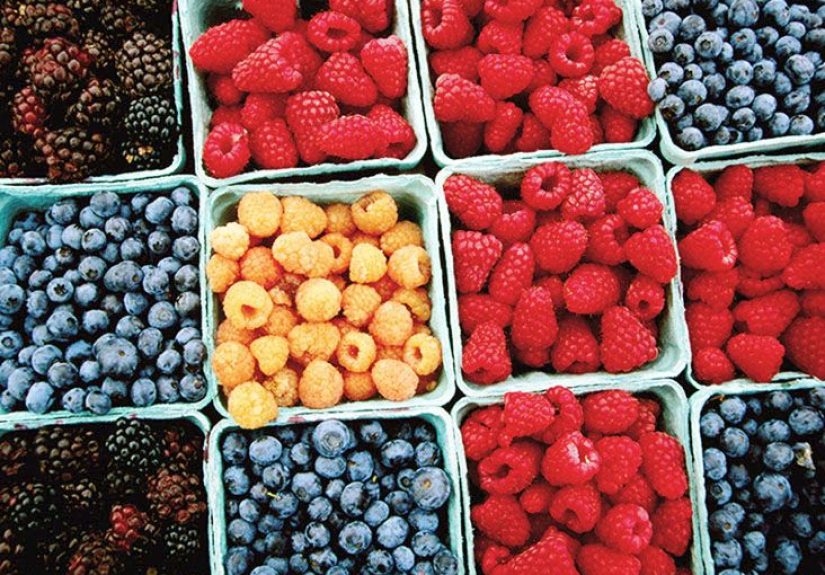
Blueberries, strawberries, raspberries, and blackberries bring fiber and a range of beneficial plant compounds. They are great in yogurt, oatmeal, and smoothies. If tiny seeds bother your mouth or throat, blending or straining may help.
Melons
Watermelon and cantaloupe are stars when hydration is a struggle. Served cold, they can feel refreshing when nothing else sounds appealing.
Apples and applesauce
Raw apples may be too crunchy for some people, but unsweetened applesauce is a classic for a reason. It is soft, mild, and often easier to tolerate during stomach upset.
Pears and peaches
Fresh ripe pears and peaches can be gentle options, and canned versions packed in juice can be especially helpful if chewing is difficult. Soft texture can matter as much as nutrition.
Citrus fruits
Oranges, mandarins, and grapefruit may taste refreshing when food seems bland. But citrus can sting badly if you have mouth sores or a tender throat. Grapefruit also deserves its own warning label because it can interact with certain medications.
Avocado
Yes, avocado is technically a fruit, and this is its moment. It is especially helpful if you need calories, healthy fat, and a soft texture. It can be mixed into smoothies, spread on toast, or eaten with eggs and soups. If your weight is dropping, avocado may quietly become your overachieving kitchen sidekick.
When fruit may need to be adjusted
Mouth sores or a sore throat
If you have mucositis, acidic fruits and juices may feel like you accidentally brushed your teeth with fireworks. Citrus, pineapple, and tomato-based foods can sting. In that case, soft and less acidic options such as bananas, canned peaches, melon, or smoothies made without citrus are often better choices.
Diarrhea
When diarrhea is active, too much fiber or too much dried fruit may make things worse. Lower-fiber fruit choices, including bananas, applesauce, and canned fruit, may be easier to tolerate temporarily. Hydration becomes especially important here.
Low white blood cell counts or immunosuppression
Some patients, particularly those receiving intensive treatment or who have a severely weakened immune system, may be told to avoid raw produce or unpasteurized juices for safety reasons. This does not apply equally to everyone, which is why personalized advice matters. If your oncology team gives food safety instructions, follow those instead of generic internet wisdom. The internet is many things, but it is not your oncologist.
Medication interactions
Grapefruit and grapefruit juice can interact with some medications, including certain cancer-related drugs and supportive medications. Always check with your care team or pharmacist before making grapefruit a daily ritual.
False promises and “miracle fruit cures”
This is the part where we gently but firmly escort internet nonsense out of the room. No fruit cures cancer by itself. Apricot kernels and laetrile, for example, have been promoted for cancer despite a lack of proven benefit in human trials, and they can be dangerous. Whole fruit is one thing. High-risk alternative treatments dressed up as “natural cures” are something else entirely.
Can fruit improve cancer treatment outcomes?
Fruit is best understood as part of supportive care, not as a direct anti-cancer treatment. A nutritious eating pattern may help people maintain weight, improve energy, manage side effects, and recover better after treatment. That can matter a great deal in real life. Someone who stays nourished may be better able to tolerate treatment and preserve quality of life.
There is also broader evidence that eating patterns rich in plant foods, including fruits and vegetables, are linked to better overall health and may support long-term wellness for many cancer survivors. But that is very different from saying fruit can shrink tumors on its own. It cannot replace evidence-based treatment, and it should never delay it.
A helpful way to think about it is this: fruit supports the person who is getting cancer treatment. The treatment targets the cancer. Both matter, but they do different jobs.
Smart ways to eat fruit during treatment
- Pair fruit with protein or fat: Try fruit with yogurt, cottage cheese, nut butter, or cheese to make it more filling.
- Use smoothies strategically: Blend fruit with milk, soy milk, yogurt, protein powder, oats, or avocado for extra calories and easier swallowing.
- Choose texture wisely: Fresh, frozen, canned, cooked, mashed, or blended fruit can all count.
- Go cold if nausea is a problem: Chilled fruit may smell less intense and feel easier to tolerate.
- Wash produce carefully: Food safety matters more during treatment.
- Pick what sounds good: During treatment, the best fruit is often the one you can actually eat today.
What people often experience with fruit during cancer treatment
Many people in treatment describe fruit as one of the few foods that still seems approachable when everything else tastes strange. A person who once loved coffee and eggs may suddenly find both revolting, yet still manage a bowl of cold watermelon. Someone else may say that toast feels dry, meat feels too heavy, but a banana and a spoonful of peanut butter are manageable. These are not glamorous meals, but they can be lifesavers on rough days.
One common experience is that fruit becomes less about “healthy eating” in the Instagram sense and more about survival in the practical sense. When nausea shows up, cold grapes may feel better than hot food. When fatigue makes cooking impossible, applesauce or canned peaches may be the easiest thing to open and eat. When treatment changes taste, tart flavors such as citrus or pomegranate may cut through the metallic or flat feeling in the mouth. Then, just to keep everyone humble, mouth sores can arrive and suddenly make citrus feel like a terrible idea. Cancer treatment has a talent for changing the rules mid-game.
Another frequent experience is learning that form matters as much as food. A person who cannot tolerate raw berries might do fine with a smoothie. Someone who cannot chew an apple may be perfectly happy with applesauce. A patient with a sore throat may do better with chilled melon, while another with diarrhea may lean heavily on bananas. These are not contradictions. They are reminders that nutrition during treatment is highly personal and often symptom-driven.
Caregivers often notice this before patients do. They may find themselves stocking the refrigerator with whatever fruit works this week, then changing course the next week when treatment side effects shift. Today it is pears and yogurt. Tomorrow it is watermelon popsicles. Next week it may be smoothies with banana, berries, and Greek yogurt because everything else tastes like cardboard with an attitude problem.
There is also an emotional side to fruit during treatment. Fresh fruit can feel normal when life does not. A bowl of strawberries at breakfast or sliced peaches in the afternoon can create a sense of routine and comfort. For some people, fruit tastes clean and refreshing when heavier foods feel overwhelming. For others, it becomes one of the few foods that still connects them to family habits, favorite seasons, or familiar meals. That emotional comfort is not trivial. Eating is deeply tied to identity, pleasure, and daily rhythm, and treatment can disrupt all of that.
At the same time, many people discover that “healthy” advice has to bend to reality. If all you can manage is canned fruit, that is still useful. If juice diluted with water is the only way you can stay hydrated today, that may be a smart temporary solution. If a high-calorie smoothie with fruit is easier than a full meal, that counts as progress, not cheating. During cancer treatment, perfection is not the goal. Adequate nourishment is.
The most consistent real-world lesson is simple: fruit can help, but flexibility helps even more. The best approach is to work with your symptoms, your appetite, your treatment plan, and your care team. Some days fruit will be the hero. Some days it will be one supporting actor among several. Either way, it can play a meaningful role in helping you get through treatment with a little more strength and a little less frustration.
Final thoughts
So, can fruit help during cancer treatment? Absolutely. It can support hydration, provide easy energy, contribute useful nutrients, and sometimes make eating possible on days when regular meals feel impossible. But fruit is not a stand-alone cancer therapy, and it is not a cure hidden in your produce drawer.
The smartest approach is to use fruit as part of a broader nutrition plan tailored to your symptoms and treatment. Choose forms that are easiest to tolerate, pair fruit with protein and calories when needed, follow food safety instructions carefully, and ask your cancer care team about any restrictions or medication interactions.
In short, fruit may not do the heavy lifting of cancer treatment, but it can be an excellent member of the support crew. And during treatment, a good support crew is no small thing.