Table of Contents >> Show >> Hide
- What Is a Heat Resistant Decanter?
- Why Material Matters More Than Looks
- Heat Resistant Decanter vs. Regular Decanter
- Common Uses for a Heat Resistant Decanter
- What Makes a Good Heat Resistant Decanter?
- Can a Heat Resistant Decanter Break?
- Heat Resistant Decanter for Coffee: What to Look For
- Heat Resistant Decanter for Tea: What to Look For
- Safety Tips for Using a Heat Resistant Decanter
- Cleaning and Maintenance
- Buying Guide: How to Choose the Best Heat Resistant Decanter
- Common Mistakes to Avoid
- Real-Life Experience: Living With a Heat Resistant Decanter
- Final Thoughts
A heat resistant decanter sounds like one of those kitchen items that should be simple: it holds hot liquid without making a dramatic exit across your countertop. But anyone who has ever poured boiling water into the wrong glass pitcher knows the truth. Glass can be elegant, useful, and beautifully transparent, but it can also be a diva when temperatures change too fast.
The good news? Modern heat-resistant decanters are designed to handle hot coffee, tea, infused water, mulled cider, and even some cold-to-hot transitions without cracking under pressure. The secret usually comes down to material, construction, thickness, and how the decanter is used. A great decanter is not just a pretty vessel; it is part science, part serving tool, and part “please do not explode before brunch.”
Whether you are shopping for a borosilicate glass decanter, a heatproof glass carafe, or a stylish coffee server for your pour-over setup, this guide explains what matters, what to avoid, and how to choose one that looks good while surviving everyday kitchen reality.
What Is a Heat Resistant Decanter?
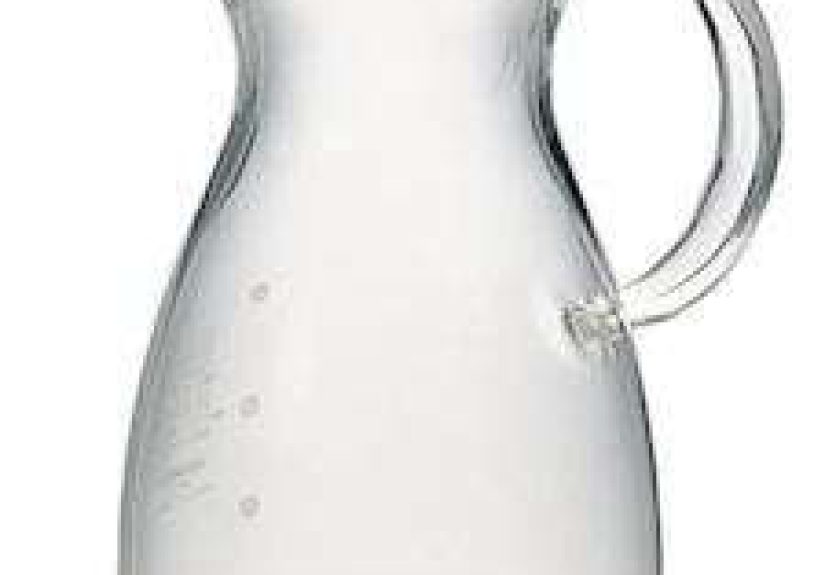
A heat resistant decanter is a glass, stainless steel, or ceramic serving vessel designed to hold hot liquids safely. In most kitchens, the term usually refers to a glass decanter or carafe made for coffee, tea, hot water, or warm beverages. Unlike a decorative wine decanter, which may only be intended for room-temperature liquids, a heat-resistant model is built to tolerate high temperatures and temperature changes.
The best-known examples include pour-over coffee servers, glass coffee decanters, tea carafes, and multi-purpose hot beverage pitchers. Brands in the coffee world often use heatproof borosilicate glass because it is lightweight, clear, and more resistant to thermal shock than ordinary soda-lime glass. That means it can handle hot coffee much better than the random glass pitcher hiding in the back of your cabinet.
Why Material Matters More Than Looks
Let’s be honest: looks matter. A sleek glass decanter makes coffee feel more intentional, tea look more refined, and even plain hot water seem like it has a lifestyle blog. But when heat is involved, material matters more than design.
Borosilicate Glass
Borosilicate glass is the superstar of heat-resistant drinkware. It is made with silica and boron trioxide, giving it a low coefficient of thermal expansion. In plain English, it expands less when heated and contracts less when cooled. That makes it more resistant to cracking when hot liquid is poured inside.
This is why borosilicate glass is commonly used in laboratory glassware, premium coffee servers, teapots, measuring cups, and bakeware. It is valued for thermal shock resistance, chemical durability, and clarity. For a decanter, that combination is excellent: your beverage stays pure-tasting, the glass stays clear, and the vessel can handle the heat of daily brewing.
Tempered Glass
Tempered glass is strengthened through controlled heating and cooling. It is generally tougher than standard glass and, when broken, tends to crumble into smaller pieces rather than long sharp shards. Some heat resistant decanters use tempered glass, and some combine tempered construction with heatproof design.
However, tempered does not automatically mean “safe for every hot situation.” A tempered serving glass may be more durable than ordinary glass, but you should still check whether the product is specifically labeled heat resistant, microwave safe, stovetop safe, or dishwasher safe.
Soda-Lime Glass
Soda-lime glass is the most common household glass. It is affordable and widely used in jars, drinking glasses, and decorative pieces. But it is not ideal for sudden heat changes. Pouring boiling water into a thin soda-lime glass pitcher is basically asking physics to clear its throat and make a point.
If a decanter is meant mainly for wine, juice, or room-temperature water, assume it is not heat resistant unless the manufacturer clearly says otherwise.
Heat Resistant Decanter vs. Regular Decanter
A regular decanter is usually designed for presentation, aeration, or serving. Wine decanters, for example, are shaped to expose wine to oxygen and separate sediment. They are beautiful, but they are not built for boiling water, hot coffee, or thermal swings.
A heat resistant decanter, on the other hand, is designed for function under temperature stress. It may include thicker or specially formulated glass, a heat-safe handle, a drip-resistant spout, measurement markings, a fitted lid, or compatibility with brewing devices. A coffee decanter may be shaped to fit under a drip brewer, support a pour-over cone, or keep liquid easy to swirl and serve.
The difference is simple: a wine decanter wants to impress your guests; a heatproof glass carafe wants to survive Monday morning coffee.
Common Uses for a Heat Resistant Decanter
Pour-Over Coffee
This is one of the most popular uses. A borosilicate glass coffee decanter pairs beautifully with cone drippers, flat-bottom drippers, and manual brewing setups. It lets you watch the coffee bloom, drip, and collect below. It also makes serving easier because you can brew once and pour multiple cups.
Many glass coffee servers come in capacities between 400 ml and 700 ml, which is enough for one to four cups depending on serving size. Some include measurement marks, which are helpful when brewing by ratio. Coffee people love scales, timers, and tiny adjustments, so a decanter with markings is like giving them a spreadsheet with a handle.
Tea Brewing and Serving
A heat resistant glass decanter is also excellent for loose-leaf tea, herbal infusions, and flowering teas. Clear glass makes the experience visual. You can see the color deepen, the leaves unfurl, and the infusion develop. For green tea, black tea, oolong, chamomile, mint, and fruit blends, a heatproof decanter adds both practicality and ceremony.
Hot Water Service
If you entertain often, a heatproof decanter can hold hot water for tea, instant coffee, cocoa, or lemon water. It looks much better than placing a kettle in the middle of the table like it has been invited to dinner.
Mulled Drinks and Warm Infusions
Warm cider, mulled cranberry juice, spiced tea, and hot citrus infusions can all be served in the right decanter. Just remember that “heat resistant” does not always mean “safe on direct flame.” Unless the product specifically says stovetop safe, heat the drink separately and pour it into the decanter.
What Makes a Good Heat Resistant Decanter?
1. Clear Heat-Safe Labeling
Look for words like borosilicate glass, heatproof glass, thermal shock resistant, or heat resistant. Even better, check the manufacturer’s care instructions. A reliable product will tell you whether it is safe for microwave use, dishwasher cleaning, direct heat, freezer storage, or oven temperatures.
2. Practical Capacity
For solo coffee drinkers, a 400 ml decanter may be enough. For couples or small households, 600 ml to 700 ml is more flexible. For serving tea or hot drinks at the table, a 1-liter carafe may be better. Bigger is not always better, though. A huge glass decanter can feel awkward when full, especially if it has a narrow neck or delicate handle.
3. Comfortable Handle
A heat resistant decanter should be easy to hold when filled with hot liquid. Some designs use glass handles; others use silicone bands, wooden collars, cork wraps, or plastic grips. A handle should keep your fingers away from heat and offer a secure grip.
4. Drip-Controlled Spout
A good spout matters more than people think. A beautiful decanter that dribbles coffee down the side every time you pour is not elegant; it is just rude. Look for a narrow, shaped, or angled spout that supports controlled pouring.
5. Stable Base
Heat-resistant glass may tolerate hot liquid, but it still dislikes being knocked over. Choose a decanter with a stable base, balanced weight, and enough width to sit securely on a counter, table, or coffee scale.
6. Easy Cleaning
Wide openings make cleaning much easier. Coffee oils, tea tannins, and mineral deposits can build up over time. Dishwasher-safe models are convenient, but hand washing may extend the life of delicate pieces, especially those with wood, cork, or silicone accessories.
Can a Heat Resistant Decanter Break?
Yes. Heat resistant does not mean magic-proof. Even borosilicate glass can break if dropped, struck, scratched deeply, heated unevenly, or exposed to extreme temperature changes beyond its rating.
The most common danger is thermal shock. This happens when one part of the glass expands or contracts faster than another part. For example, pouring boiling water into an ice-cold decanter may create stress. Placing a hot glass decanter on a cold stone countertop can also be risky. So can moving a hot decanter directly into the refrigerator.
To reduce risk, warm the decanter with hot tap water before adding boiling liquid, avoid sudden cold surfaces, and let hot glass cool gradually. Treat it like a talented but sensitive musician: excellent performance, no sudden shocks.
Heat Resistant Decanter for Coffee: What to Look For
If your main goal is coffee, choose a decanter that fits your brewing style. Pour-over users should consider whether the top opening supports popular drippers. Automatic coffee maker users should check compatibility with their machine. French press owners may need replacement borosilicate carafes designed for that specific press frame.
Measurement markings are especially useful for coffee. They help you track yield and maintain consistency. A lid is also helpful if you want to retain heat for a few extra minutes. However, glass decanters do not insulate as well as double-wall stainless steel thermal carafes. If you need coffee to stay hot for hours, a thermal carafe may be better. If you value flavor clarity, visual brewing, and table presentation, glass wins the beauty contest.
Heat Resistant Decanter for Tea: What to Look For
Tea drinkers should prioritize clarity, pour control, and cleaning ease. Some decanters include built-in strainers or pair well with removable infusers. Borosilicate glass is a strong choice because it does not easily retain odors or flavors. That means your smoky lapsang souchong is less likely to haunt tomorrow’s jasmine green tea.
For tea service, shape matters. A wider body allows leaves and color to be seen clearly, while a narrow spout improves pouring. If you often brew delicate teas, choose a decanter that feels lightweight and controlled rather than oversized.
Safety Tips for Using a Heat Resistant Decanter
Pre-Warm Before Boiling Water
Rinse the decanter with warm or hot tap water before adding boiling water. This reduces sudden temperature stress and helps the vessel adjust gradually.
Avoid Direct Flame Unless Approved
Many heat resistant glass decanters are safe for hot liquid but not safe for gas burners, electric coils, induction cooktops, or broilers. Unless the manufacturer specifically states stovetop safety, do not place it over direct heat.
Use a Trivet or Towel
Do not place a hot decanter directly on cold marble, granite, metal, or wet surfaces. Use a trivet, wooden board, towel, or silicone mat.
Inspect for Damage
Small chips, cracks, or scratches can weaken glass. If your decanter has visible damage, retire it from hot-liquid duty. It may still work as a flower vase, which is a graceful second career.
Do Not Overfill
Leave room at the top for safe pouring and expansion. Overfilling increases spill risk and makes the handle harder to control.
Cleaning and Maintenance
Cleaning a heat resistant decanter is usually simple. For daily use, warm water, mild dish soap, and a soft sponge are enough. Avoid harsh abrasives that can scratch glass. For coffee stains, use a mixture of warm water and baking soda, then rinse thoroughly. For mineral deposits, white vinegar diluted with water can help dissolve buildup.
If the decanter has a wood collar, cork band, silicone sleeve, or plastic lid, remove those parts before dishwashing unless the manufacturer says they are dishwasher safe. Let all parts dry completely before reassembling. Moisture trapped under collars or bands can lead to odors or wear.
Buying Guide: How to Choose the Best Heat Resistant Decanter
Start with your main use. If you brew pour-over coffee, choose a borosilicate glass coffee server with measurement marks and a compatible opening. If you serve tea, choose a wide, clear body and smooth spout. If you need long heat retention, consider a double-wall or insulated thermal carafe instead of a single-wall glass decanter.
Next, check the care instructions. A good product page or manual should explain temperature limits, cleaning rules, and safety warnings. Do not rely on vague marketing phrases like “premium glass” or “kitchen safe.” Premium glass can still be premium confetti if used incorrectly.
Finally, think about ergonomics. A decanter should feel balanced, easy to pour, and simple to clean. The prettiest option is not always the best if it is awkward to hold or impossible to scrub.
Common Mistakes to Avoid
The first mistake is assuming all glass is heatproof. It is not. The second mistake is pouring boiling water into a cold decorative decanter. The third is placing hot glass on a cold counter. The fourth is using a cracked decanter because “it still looks fine.” Glass does not negotiate; it waits.
Another common mistake is confusing heat resistance with insulation. A heat resistant decanter can handle hot liquid, but it may not keep that liquid hot for long. If you want heat retention, look for double-wall construction or a vacuum-insulated carafe.
Real-Life Experience: Living With a Heat Resistant Decanter
Using a heat resistant decanter changes the way hot drinks feel at home. It sounds dramatic, but it is true. Before owning one, many people brew coffee directly into a mug, a machine pot, or whatever container is clean and within reach. After switching to a proper borosilicate glass decanter, the process becomes calmer, cleaner, and more repeatable.
For pour-over coffee, the difference is immediate. Brewing into a clear decanter lets you see the total volume, color, and flow. If the coffee is dripping too slowly, you notice. If the brew looks thin, you notice. The decanter turns coffee from “brown liquid appears” into a small ritual. That may sound fancy, but it is also practical. You can swirl the finished coffee gently before serving, which helps balance the brew before pouring it into cups.
One helpful habit is pre-warming the decanter. At first, it feels like an extra step. Then you realize it takes about ten seconds and keeps the coffee warmer while reducing thermal stress. A quick rinse with hot tap water makes the glass feel ready for boiling water. It is like stretching before exercise, except the athlete is transparent and full of caffeine.
A heat resistant decanter also improves hosting. When friends come over, serving coffee or tea from a clear glass carafe looks intentional without being fussy. You can place it on a wooden tray with cups, sugar, lemon slices, or milk, and suddenly your kitchen looks like it has its life together. The decanter does not need to be expensive to create that effect. Clean design, clear glass, and a confident pour do most of the work.
There are a few lessons you learn quickly. First, glass handles can get warmer than expected, especially if the decanter is small and freshly filled. A silicone sleeve, cork collar, or wide handle helps. Second, narrow-neck decanters are beautiful until cleaning day. If you drink coffee daily, choose a shape that allows a sponge or bottle brush to reach the bottom. Coffee oils are stubborn little artists; they like to paint the inside of glass if ignored.
Another experience-based tip: do not let tea sit too long in the decanter unless you enjoy mystery bitterness. Heat resistant glass will not save over-steeped tea. For loose-leaf tea, brew in a separate infuser or remove the leaves once the flavor is right. The decanter should serve the tea, not turn it into a punishment.
For cold drinks, the same decanter can often be used beautifully. Iced tea, fruit water, cold brew concentrate, and citrus drinks look excellent in clear glass. Just avoid extreme temperature jumps. If the decanter just held hot coffee, let it cool before filling it with ice. The reverse is also true: do not pull an ice-cold decanter from the refrigerator and immediately pour boiling water into it. That is not convenience; that is a science experiment with cleanup.
Over time, the best heat resistant decanter becomes the one you reach for without thinking. It pours cleanly, fits your hand, survives the dishwasher or cleans easily by hand, and does not make you nervous when hot water enters the picture. It may not be the flashiest item in the kitchen, but it earns its place through daily usefulness. And unlike many trendy kitchen gadgets, it does not require an app, a subscription, or a firmware update. It just holds hot liquid nicely. Honestly, that is refreshing.
Final Thoughts
A heat resistant decanter is one of those kitchen tools that combines beauty and function. It can elevate coffee brewing, improve tea service, make hosting easier, and reduce the risk of using the wrong glass for hot liquids. The best options are usually made from borosilicate glass or properly rated heatproof glass, with practical features like a stable base, comfortable handle, clean-pouring spout, and easy-care design.
Just remember: heat resistant does not mean unbreakable. Choose the right material, follow the care instructions, avoid sudden temperature shocks, and your decanter should reward you with years of clear, elegant service. In a kitchen full of gadgets that promise the moon and need three drawers of accessories, a good heatproof glass carafe is refreshingly honest. It holds, pours, and looks good doing it.
Note: Always follow the manufacturer’s temperature and care instructions for your specific decanter, especially before using it in a microwave, dishwasher, oven, refrigerator, or on any direct heat source.