Table of Contents >> Show >> Hide
- What Makes Frangipani So Special?
- Best Conditions for Growing Plumeria
- How to Plant Frangipani the Right Way
- Watering Plumeria Without Drowning It
- How to Fertilize Frangipani for Better Blooms
- Pruning and Shaping Plumeria
- How to Overwinter Plumeria
- Common Plumeria Problems and How to Fix Them
- How to Propagate Frangipani
- Landscape and Container Design Ideas
- Practical Growing Tips for Bigger, Better Blooms
- Gardeners’ Experiences With Frangipani: What You Learn After Living With One
- Final Thoughts
Plumeria, also called frangipani, is the kind of plant that makes a garden feel like it booked a vacation without telling you. Its thick sculptural branches, glossy leaves, and famously fragrant flowers can make even an average patio feel faintly tropical and just a little smug. The good news is that learning how to care for frangipanis is not especially difficult. The better news is that once you understand what this plant wants, it becomes one of the most rewarding bloomers you can grow.
If you have ever killed a tropical plant with kindness, usually in the form of too much water and too much fussing, take heart. Plumeria care is less about pampering and more about restraint. Give it heat, sunshine, sharp drainage, and a little common sense, and it will do the rest. Try to keep it soggy in heavy soil, and it will protest like a diva asked to perform in wet socks.
This guide covers everything you need to know about growing plumeria successfully, from choosing the best planting site to watering, fertilizing, pruning, winter protection, and solving common plumeria problems. Whether you are growing a tree in the ground in a warm climate or keeping a potted frangipani on a sunny deck in a cooler region, these care tips will help you grow fuller plants and better blooms.
What Makes Frangipani So Special?
Frangipani is a tropical shrub or small tree prized for its intensely fragrant flowers and bold architecture. Depending on the species and growing conditions, plumeria can stay container-sized or mature into a small landscape tree with branching trunks and clusters of blooms at the tips. Flower colors range from white and cream to yellow, pink, coral, red, and multicolor blends that look hand-painted.
Beyond the flowers, plumeria has a striking form. Even in winter dormancy, the bare branches have a sculptural look that suits courtyards, pool areas, and sunny patios. During the growing season, the leaves create a lush, tropical effect. During blooming season, the flowers do the heavy lifting and often perfume the air in the evening. This is not a wallflower of a plant. It walks into the yard and expects applause.
Best Conditions for Growing Plumeria
Sunlight: Give It the Brightest Spot You Have
One of the biggest secrets to gorgeous plumeria is simple: more sun, more flowers. Frangipanis perform best in full sun, ideally with at least 6 to 8 hours of direct light each day. In very warm climates, they can handle intense sun just fine. In cooler or marginal climates, full exposure is even more important because heat and light help drive flowering.
If your plumeria is producing lots of leaves but very few blooms, lack of sunlight is often the culprit. A shady porch may keep the plant alive, but it will not usually keep it glamorous.
Soil: Drainage Matters More Than Richness
The best soil for plumeria is loose, fast-draining, and never waterlogged. In the ground, sandy or gritty soil is ideal. In containers, use a sharply draining potting mix such as a cactus or succulent blend, or amend a standard potting mix with coarse perlite or pumice.
Plumeria roots dislike sitting in wet soil, and root rot is one of the fastest ways to turn a healthy plant into a cautionary tale. If your garden soil is heavy clay, grow plumeria in a raised bed or container instead of forcing a tropical plant into a swampy situation it never asked for.
Temperature: Warmth Is Non-Negotiable
Frangipani thrives in warm weather and is best suited to frost-free or nearly frost-free climates. It grows most actively from spring through early fall when days are bright and temperatures are warm. Cold snaps can damage leaves, stems, and even entire plants if the freeze is severe enough.
Gardeners in tropical and subtropical regions can grow plumeria outdoors year-round. In cooler areas, the smartest move is to grow plumeria in pots so the plant can be brought inside or protected before cold weather arrives.
How to Plant Frangipani the Right Way
Planting in the Ground
Choose a site with excellent drainage and full sun. Dig a hole as deep as the root ball and a little wider, then set the plant at the same depth it was growing in its container. Backfill gently and water thoroughly to settle the soil.
Do not bury the trunk too deeply, and do not pile mulch right against the base. A little breathing room helps reduce moisture problems around the stem.
Planting in Containers
Container-grown plumeria is popular for good reason. It gives gardeners flexibility, especially in places with cool winters. Use a pot with generous drainage holes and a gritty mix that dries out well between waterings. Terracotta pots are particularly useful because they allow excess moisture to evaporate faster than plastic containers.
Start with a container only slightly larger than the root ball. A giant pot full of wet soil around a small plant can stay damp too long, which is exactly what plumeria hates. Think snug, not swimming pool.
Watering Plumeria Without Drowning It
During the Growing Season
Water plumeria deeply, then allow the soil to dry somewhat before watering again. This rhythm is especially important for container plants. The goal is to support active growth without keeping the roots wet all the time.
How often that means watering depends on your weather, soil, and container size. A plumeria in a hot, breezy patio pot may need water much more often than one planted in sandy ground. Instead of watering on autopilot, check the soil. If the top layer is dry and the pot feels lighter, it is probably time.
During Dormancy
In winter, plumeria often slows down or goes fully dormant, especially in cooler conditions. At this point, watering should be reduced dramatically. Dormant plants need very little moisture, and overwatering during dormancy is one of the most common plumeria care mistakes.
If your frangipani has dropped leaves and stopped actively growing, resist the urge to keep treating it like it is July. A sleepy plant in cold or cool weather does not want regular drinks. It wants rest.
How to Fertilize Frangipani for Better Blooms
Plumeria is not a heavy feeder, but it does appreciate thoughtful fertilizing during the growing season. Many experienced growers use a fertilizer that is lower in nitrogen and higher in phosphorus to encourage flowering. Too much nitrogen tends to produce lots of leaves and fewer blooms, which is great only if your dream was a tropical stick with excellent foliage.
Feed during active growth from spring into summer, following label directions and avoiding overdoing it. Slow-release fertilizers can work well in containers, while liquid feeds are popular for plants that need a more frequent but lighter touch. Once growth slows in fall and winter, reduce or stop fertilizing.
If your plant looks healthy but bloom production is disappointing, review the basics before blaming the fertilizer. Plumeria that lacks enough direct sun or sits in overly rich, wet soil will rarely flower to its full potential no matter how many plant snacks you provide.
Pruning and Shaping Plumeria
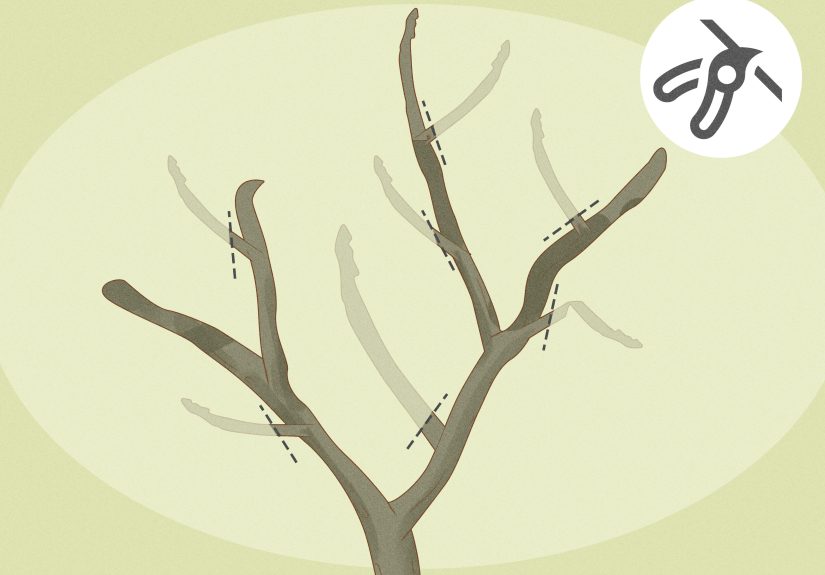
Plumeria usually needs only light pruning. Remove dead, damaged, or crossing branches, and shape lightly if the plant becomes awkward or too tall for its space. The best time to prune is generally late winter or early spring, before vigorous new growth begins or just as the plant wakes up.
Because flowers form at branch tips, heavy pruning can reduce blooming for a season. So if you want more flowers, do not get too enthusiastic with the shears. This is not a hedge. It is a flowering showpiece.
Also note that plumeria has a milky sap that can irritate skin in some people. Wear gloves when pruning or taking cuttings, and keep the sap away from your face and eyes.
How to Overwinter Plumeria
If you live where frost is a real possibility, winter care is essential. Potted frangipani should be moved indoors or into a sheltered garage, sunroom, or greenhouse before temperatures dip too low. In colder regions, many gardeners allow plumeria to go dormant indoors in a cool, dry place.
A dormant plumeria may lose its leaves, and that is normal. It may look dramatic about it, but do not panic. Keep watering minimal until spring growth returns. Once new leaves begin to emerge and the weather warms, you can gradually reintroduce the plant to outdoor conditions.
If your plumeria is planted in the ground in a borderline climate, frost cloths, strategic placement near heat-retaining walls, and protection from wind can help. But severe freezes may still cause damage, so container growing remains the safest route outside warm regions.
Common Plumeria Problems and How to Fix Them
No Flowers
The usual reasons are not enough sun, too much nitrogen, or a plant that is still immature. Increase light, review your fertilizer routine, and be patient with younger plants.
Yellow Leaves
Some yellowing is normal during seasonal transition or dormancy. If yellow leaves appear during active growth, check for drainage issues, overwatering, or nutrient imbalance.
Rust
Plumeria rust is a common fungal problem that often appears as yellow or orange pustules on the undersides of leaves. Good sanitation helps a lot. Remove fallen leaves, improve airflow, and avoid wetting foliage late in the day. In recurring cases, gardeners may use labeled fungicidal products appropriate for ornamental plants.
Spider Mites and Other Pests
Spider mites, whiteflies, mealybugs, and similar pests can occasionally bother plumeria, especially stressed or indoor plants. Start with the least aggressive solution: inspect often, isolate infested plants, wash foliage when appropriate, and use insecticidal soap or horticultural oil according to label directions.
Root Rot
This is the classic result of poor drainage and overwatering. If the stems become mushy or the soil stays wet for too long, act fast. Improve drainage, reduce watering, and repot container plants into a much faster-draining mix if needed.
How to Propagate Frangipani
Plumeria is often propagated from cuttings, which is the easiest way to clone a favorite plant. Hardwood or semi-hardwood cuttings are commonly taken during dormancy or quiet growth periods. After cutting, let the cut end dry and callus for several days to a couple of weeks, depending on thickness and conditions, before planting into a sharply draining medium.
Freshly planted cuttings should be kept warm and not overwatered. Too much moisture before roots develop can lead to rot. This is one of those gardening moments when patience beats enthusiasm by a mile.
Growing plumeria from seed is possible too, but seedlings vary and do not necessarily come true to type. If you want a specific flower color or fragrance, cuttings are the more reliable path.
Landscape and Container Design Ideas
Frangipani works beautifully as a specimen plant where its shape and flowers can be appreciated up close. In the landscape, it pairs well with gravel, warm-colored walls, tropical foliage plants, and sunny courtyards. In containers, it can anchor patios, balconies, pool decks, and entryways.
Because the scent is such a major part of the plant’s charm, place it where people actually pass by. Near a seating area, beside a sunny walkway, or close to an open window is far better than banishing it to the back corner of the yard where only the fence gets to enjoy the perfume.
Practical Growing Tips for Bigger, Better Blooms
- Give plumeria as much direct sun as possible.
- Use fast-draining soil and containers with excellent drainage.
- Water deeply during active growth, then let the soil dry somewhat between waterings.
- Cut way back on water during dormancy.
- Feed lightly during the growing season, especially with bloom-supporting fertilizer.
- Protect from frost and prolonged cold.
- Watch leaves for rust, mites, and other early warning signs.
- Prune lightly so you do not remove too many future flower tips.
Gardeners’ Experiences With Frangipani: What You Learn After Living With One
Ask a group of gardeners about their experience with plumeria, and you will hear the same lesson dressed in different outfits: the plant usually does best once you stop trying to micromanage it. New growers often assume a tropical plant must want constant water, rich soil, and a lot of attention. Then they meet plumeria, which politely declines all three.
One of the most common experiences is the surprise of dormancy. A first-time grower sees the leaves yellowing and dropping in fall or winter and immediately assumes disaster. In reality, many frangipanis are simply going to sleep. Gardeners who succeed with potted plumeria quickly learn that a leafless plant in winter is not necessarily a dead plant. It is often just waiting for warmth to stage its comeback.
Another familiar story happens in spring. The weather warms, and the owner begins checking the bare branches every day, convinced that nothing is happening. Then, almost overnight, little green points appear at the tips. New leaves unfurl, stems plump up, and what looked like a bundle of dry antlers suddenly becomes tropical again. That moment turns many people into lifelong plumeria fans.
Gardeners also learn that sun exposure changes everything. A plant grown in partial shade may survive and even look decent, but once it is moved into stronger light, the difference in flowering can be dramatic. Bloom clusters become more frequent, stems sturdier, and the overall plant more compact and attractive. It is one of those before-and-after moments that feels almost rude. The plant was capable of this all along; it just wanted better real estate.
Container growers often talk about the balance between growth and restraint. A frangipani in a pot can be wonderfully portable, but it also teaches you to pay attention. Hot patios dry pots faster. Summer storms can soak them more than expected. A plant may be thriving in June and suddenly need a different rhythm in September. Over time, experienced growers stop using a fixed watering schedule and start reading the plant and the pot instead. That shift usually marks the moment when care becomes much easier.
There is also the fragrance factor, which tends to make people sentimental. Many gardeners grow plumeria because it reminds them of a trip, a family member, a wedding lei, or a beloved old yard in a warm climate. The flowers are beautiful in photographs, but the scent is what creates loyalty. Once a plant blooms near a patio chair on a summer evening, it becomes less of a plant and more of an annual event everyone waits for.
Even the setbacks teach useful lessons. Rust outbreaks encourage better cleanup. Sparse flowering leads to more sunlight. Root rot usually results in a new respect for gritty potting mixes and drainage holes. In other words, plumeria can be a forgiving teacher if the gardener pays attention.
Perhaps the most satisfying experience is watching a cutting become a real plant. At first it looks like a stick with ambition. Then roots form, leaves emerge, branches develop, and eventually one season brings the first flower cluster. It feels surprisingly triumphant, as though you and the plant quietly agreed to build something lovely together. And once that happens, most gardeners do what gardeners always do when they succeed with one beautiful plant: they start wondering where they can fit another.
Final Thoughts
If you want a flowering plant that brings fragrance, drama, and a little tropical swagger to your garden, frangipani is hard to beat. The key to successful plumeria care is not complexity. It is giving the plant what it naturally prefers: bright sun, excellent drainage, careful watering, warm weather, and a calm winter rest when needed.
Once you understand that formula, growing gorgeous plumeria becomes far less mysterious. With a little patience and the right conditions, your frangipani can reward you with sculptural branches, lush foliage, and blooms so fragrant they make the whole yard feel like summer has moved in for good.