Table of Contents >> Show >> Hide
- Why Your Scalp Itches after Hair Dye
- 1. Rinse Your Scalp Thoroughly with Cool or Lukewarm Water
- 2. Stop Using the Product That Triggered the Reaction
- 3. Apply a Cool Compress to Calm Itching
- 4. Use a Mild, Fragrance-Free Shampoo
- 5. Try Over-the-Counter Hydrocortisone Carefully
- 6. Consider an Oral Antihistamine for Itch Relief
- 7. Do Not Scratch, Pick, or Over-Treat the Scalp
- 8. See a Dermatologist for Patch Testing and Future Dye Planning
- When to Call a Doctor
- How to Prevent an Itchy Scalp the Next Time You Dye Your Hair
- Real-Life Experience Notes: What an Itchy Scalp after Hair Dye Can Feel Like
- Conclusion
- SEO Tags
There are few beauty plot twists more annoying than admiring your fresh new hair color in the mirror and then realizing your scalp feels like it has joined a tiny fire-ant parade. An itchy scalp after using hair dye is common, uncomfortable, and sometimes a sign that your skin is not happy with something in the formula.
The cause may be simple irritation from chemicals, dryness after processing, leftover dye sitting on the scalp, or allergic contact dermatitis. One ingredient often linked with hair dye reactions is para-phenylenediamine, commonly called PPD, which is used in many permanent and darker hair dyes. But PPD is not the only possible culprit. Fragrances, preservatives, ammonia, peroxide, and even shampoos or conditioners used during the coloring process may also trigger itching, burning, redness, flaking, or swelling.
The good news: mild itching often improves with gentle care, cool compresses, and avoiding further irritation. The important part is knowing when a scalp reaction is just a cranky scalp and when it deserves medical attention. Here are eight practical ways to treat an itchy scalp after hair dye without making the situation worse.
Note: This article is for general education and web publishing. It is not a substitute for medical advice. If you have trouble breathing, swelling of the face, lips, tongue, throat, or eyes, widespread hives, severe pain, pus, fever, or blistering, seek medical help immediately.
Why Your Scalp Itches after Hair Dye
An itchy scalp after coloring usually falls into one of three buckets: irritation, allergy, or dryness. Irritant contact dermatitis happens when the skin barrier is bothered by a chemical or product. Allergic contact dermatitis happens when the immune system reacts to an ingredient. Dryness can happen because dyeing, bleaching, washing, heat styling, and scrubbing all remove oils from the scalp.
Symptoms can show up during coloring, a few hours later, or even a day or two after dyeing. You might notice itching, tingling, redness, tightness, flaking, tenderness, bumps, swelling around the hairline, or irritation behind the ears and on the neck. If the reaction involves the eyelids or face, take it more seriously. Hair dye reactions sometimes travel beyond the scalp because rinse water, dye residue, towels, or pillowcases can spread irritants.
1. Rinse Your Scalp Thoroughly with Cool or Lukewarm Water
If your scalp starts itching soon after dyeing, the first step is simple: rinse well. Leftover dye can continue irritating the skin, especially around the hairline, behind the ears, and at the nape of the neck. Use cool or lukewarm water, not hot water. Hot water may feel dramatic and satisfying for three seconds, but it can strip the scalp and make inflammation feel worse.
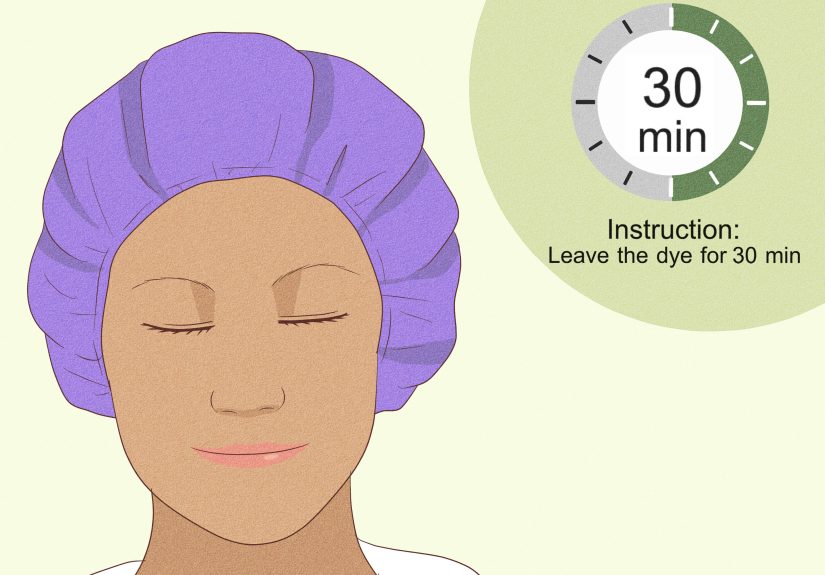
Use your fingertips gently. Do not scratch with your nails, and do not attack your scalp like you are scrubbing a pan after Thanksgiving dinner. Rinse until the water runs clear. If you used boxed dye, follow the product instructions for rinsing and conditioning. If the itching began while the dye was still processing, rinse it out right away rather than trying to “push through” the timing.
Best example
If your scalp burns five minutes into a 25-minute dye session, do not wait another 20 minutes for better color. Rinse immediately. Healthy skin beats perfect espresso-brown roots every time.
2. Stop Using the Product That Triggered the Reaction
Once itching appears, avoid using the same dye again until you understand what caused the reaction. Repeated exposure can make allergic reactions worse in some people. This matters even if you have used that color for years. Your skin can become sensitized over time, and formulas can change without you noticing.
Put the dye box, bottle, or salon formula details aside so you can check the ingredient list later. Look for common triggers such as PPD, toluene-2,5-diamine, ammonia, peroxide, fragrance, resorcinol, preservatives, and other dye intermediates. If you had your hair colored at a salon, ask the stylist for the exact brand, shade, developer strength, and any additives used.
Also pause other scalp products for a few days: styling sprays, dry shampoo, fragranced oils, scalp scrubs, strong dandruff shampoos, and leave-in treatments. Your scalp is already irritated; do not invite the entire bathroom shelf to the party.
3. Apply a Cool Compress to Calm Itching
A cool compress can help reduce itching, warmth, and irritation. Soak a clean soft cloth in cool water, wring it out, and place it on the itchy area for 10 to 15 minutes. Repeat several times a day as needed. This is especially useful around the hairline, behind the ears, and at the base of the scalp.
Avoid ice directly on the skin. Direct ice can irritate or even injure sensitive skin. You want “calm spa towel,” not “frozen vegetable emergency.” If your hair is thick, part it gently so the cool cloth reaches the scalp. Afterward, let the area air-dry or pat gently with a clean towel.
4. Use a Mild, Fragrance-Free Shampoo
When your scalp is itchy after hair dye, switch to a gentle shampoo for the next several washes. Choose a mild, fragrance-free formula designed for sensitive skin if possible. Avoid clarifying shampoos, strong exfoliating scalp washes, heavily scented products, and anything that leaves a tingle. A “tingle” on irritated skin is often not freshness; it is your scalp asking why you have betrayed it.
Wash with lukewarm water and massage lightly with the pads of your fingers. Rinse completely because leftover shampoo can also cause scalp itching. If your hair feels dry after dyeing, apply conditioner mainly to the mid-lengths and ends. If your scalp is dry and flaky but not broken or oozing, a small amount of a bland, fragrance-free moisturizer or scalp-safe soothing product may help. Keep products away from open, raw, or blistered skin unless a clinician tells you otherwise.
5. Try Over-the-Counter Hydrocortisone Carefully
For mild itching and redness along the hairline or small exposed areas, over-the-counter 1% hydrocortisone cream may help calm inflammation. Use it only as directed on the label, and avoid getting it in your eyes. Do not apply it to open wounds, infected-looking skin, deep scratches, or large areas of the scalp unless a healthcare professional recommends it.
Hydrocortisone can be messy in hair, so it is easiest to use around the forehead, temples, ears, and nape. For irritation hidden under thick hair, a dermatologist may recommend a prescription liquid, foam, or solution that is easier to apply to the scalp. If itching is severe, spreading, or not improving, skip the guessing game and contact a healthcare provider.
6. Consider an Oral Antihistamine for Itch Relief
An oral antihistamine may help if itching is keeping you awake or if the reaction seems allergy-related. Non-drowsy options are often used during the day, while some older antihistamines can cause sleepiness. Always follow the label instructions and avoid mixing sedating antihistamines with activities that require alertness.
Antihistamines may reduce the urge to scratch, but they do not remove the trigger or cure a true hair dye allergy. Think of them as the volume button, not the off switch. If symptoms include swelling of the face, lips, eyes, tongue, or throat, difficulty breathing, dizziness, or widespread hives, that is not a “take an antihistamine and see” situation. Get urgent medical care.
7. Do Not Scratch, Pick, or Over-Treat the Scalp
Scratching feels useful in the moment, but it can break the skin, create scabs, increase inflammation, and raise the risk of infection. Keep nails short, avoid tight hats, and sleep on a clean pillowcase. If you are tempted to scratch at night, try a cool compress before bed and keep your room comfortably cool.
Do not layer multiple remedies at once. Vinegar rinses, essential oils, alcohol-based tonics, baking soda pastes, lemon juice, and “detox” scalp treatments can irritate already inflamed skin. Natural does not always mean gentle. Poison ivy is natural too, and nobody invites it to brunch.
Also avoid heat styling near the scalp for a few days. Blow-dryer heat, curling irons, and flat irons can make tenderness worse. Give your scalp a low-drama recovery window: gentle washing, cool comfort, minimal products, and no chemical services until symptoms are gone.
8. See a Dermatologist for Patch Testing and Future Dye Planning
If your itchy scalp after hair dye happens more than once, lasts longer than a few days, comes with a rash, or involves swelling, make an appointment with a dermatologist or allergist. Patch testing can help identify whether you are allergic to PPD, fragrance, preservatives, or another ingredient. This is different from the quick at-home “spot test” listed on dye boxes. Medical patch testing is more controlled and can test a wider range of allergens.
A dermatologist may recommend prescription topical steroids, medicated shampoos, or other treatments depending on what your scalp looks like. They can also help you choose safer hair-color options. Some people need to avoid permanent oxidative dyes. Others may tolerate certain semi-permanent, demi-permanent, vegetable-based, or PPD-free products, but “PPD-free” is not a magic force field. Some alternatives contain related chemicals that can still cause reactions.
Before future coloring, always follow the dye instructions and do a patch test every time. Do not dye your hair if your scalp is irritated, scratched, sunburned, or damaged. Do not dye eyebrows or eyelashes with regular hair dye. Hair dye belongs on hair, not near eyeballs. Your eyes are not interested in becoming part of your beauty experiment.
When to Call a Doctor
Call a doctor or dermatologist if your itchy scalp after hair dye is severe, keeps you from sleeping, lasts more than several days, or does not improve with gentle care. Also call if you have painful swelling, oozing, crusting, pus, fever, spreading redness, or blisters. These can suggest a stronger reaction or possible infection.
Seek emergency help right away if you have trouble breathing, wheezing, chest tightness, dizziness, fainting, swelling of the lips, tongue, throat, eyes, or face, or hives over large areas of the body. Severe allergic reactions can escalate quickly.
How to Prevent an Itchy Scalp the Next Time You Dye Your Hair
Prevention starts before the dye touches your head. Read the instructions, do the recommended skin test, and avoid coloring over irritated or broken skin. Do not scratch or brush the scalp aggressively before dyeing. Small scratches can make chemicals sting more and may increase irritation.
If you color at home, wear gloves, use a timer, and rinse thoroughly. Do not mix different dye products. If you go to a salon, tell your stylist about any previous itching, burning, rash, swelling, eczema, or sensitivity. A good stylist would rather adjust the formula than accidentally turn your scalp into a complaint department.
Consider spacing out chemical services. Bleaching, relaxing, perming, and dyeing close together can be rough on both hair and scalp. If your scalp tends to be sensitive, ask about lower-irritation options, highlight techniques that avoid direct scalp contact, or glosses that deposit color with less processing.
Real-Life Experience Notes: What an Itchy Scalp after Hair Dye Can Feel Like
Many people describe the first sign as a tiny prickling feeling while the color is processing. At first, it may seem normal because hair dye often has a chemical smell and a slightly warm sensation. But there is a difference between mild awareness and true discomfort. If the scalp starts burning, stinging sharply, or itching so badly that you want to scratch through the cape, the safest move is to rinse.
One common experience is delayed itching. You leave the salon feeling fabulous, take a few mirror selfies, maybe flip your hair with unnecessary confidence, and then later that night the scalp begins to feel tight. By morning, the hairline may be red or flaky. The ears may itch. The back of the neck may feel irritated where rinse water touched the skin. This delayed pattern can happen with allergic contact dermatitis, which does not always appear immediately.
Another experience is dryness after color. The scalp may not look very red, but it feels tight and flaky, especially after shampooing. In that case, harsh follow-up products often make things worse. People sometimes panic and try clarifying shampoo, dandruff shampoo, oil treatments, and scalp scrubs in the same weekend. That usually turns one irritated scalp into a full committee meeting. A gentler plan works better: mild shampoo, lukewarm water, cool compresses, minimal styling products, and time.
Some people notice itching mostly around the hairline, temples, ears, or nape. These areas are easy to miss during rinsing and easy to irritate with dye overlap. Applying petroleum jelly or a protective barrier around the hairline before future dyeing may reduce staining and limit skin contact, though it will not prevent a true allergy on the scalp. If you react every time, protection around the edges is not enough; you need to identify the ingredient.
People who cover gray roots often face a special challenge because they color frequently and apply dye directly to the scalp. If you suspect sensitivity, talk to a dermatologist before your next appointment. You may need patch testing, a different color method, a longer gap between sessions, or a technique such as foils or balayage that keeps dye away from the scalp. Your roots may be persistent, but your skin gets a vote too.
The most important lesson from real-life hair dye reactions is this: do not ignore a pattern. If the same brand, shade, or salon service makes your scalp itch every time, your body is giving you useful information. Treat the current itch gently, document what was used, and plan smarter before the next color session.
Conclusion
An itchy scalp after hair dye is usually manageable, but it deserves attention. Start by rinsing thoroughly, cooling the skin, switching to gentle products, avoiding scratching, and using over-the-counter itch relief carefully when appropriate. Watch for signs of a stronger allergic reaction, especially swelling, breathing trouble, severe rash, blistering, or symptoms that spread beyond the scalp.
The best long-term treatment is prevention. Identify the ingredient or product that caused the reaction, avoid dyeing irritated skin, patch test before each use, and get professional advice if reactions repeat. Great hair color should make you feel confident, not make your scalp file a formal complaint.