Table of Contents >> Show >> Hide
- What Is a Lucid Dream Mask?
- The Science Behind Lucid Dreaming
- Core Parts Needed to Build a Lucid Dream Mask
- A Beginner-Friendly Build Concept
- How to Train Your Brain to Notice the Mask Cue
- Testing and Adjusting the Mask
- Common Mistakes When Building a Lucid Dream Mask
- Safety and Sleep Quality Considerations
- Better Results: Combine the Mask With Proven Lucid Dreaming Habits
- Realistic Expectations: What a Lucid Dream Mask Can and Cannot Do
- of Experience: What It Feels Like to Build and Use One
- Conclusion
Imagine waking up inside your dream, looking around, and realizing, “Wait a second… my refrigerator is floating, my dog is wearing sunglasses, and I can fly. This must be a dream.” That moment of awareness is called lucid dreaming, and for many people, it feels like unlocking a secret bonus level in the brain.
Lucid dreaming is the experience of becoming aware that you are dreaming while the dream is still happening. It most often occurs during REM sleep, the stage associated with vivid dreams, active brain patterns, and rapid eye movements. Researchers have studied lucid dreaming for creativity, nightmare management, consciousness research, and the strange-but-fascinating question of whether dreamers can respond to the outside world while still asleep.
That brings us to one of the most interesting DIY sleep-tech ideas: building a mask to induce lucid dreaming. The basic concept is simple. A mask detects or predicts when you are likely in REM sleep, then gives you a gentle cueusually flashing light, soft vibration, or quiet soundwithout fully waking you. Ideally, that cue appears inside your dream as a blinking streetlight, a glowing moon, a pulsing spaceship dashboard, or some other odd signal that makes you think, “Aha, I’m dreaming.”
Of course, “simple” is a brave word when electronics, sleep stages, and human brains are all invited to the same party. A lucid dream mask is not magic. It is a tool. Used well, it can support lucid dreaming techniques such as reality testing, dream journaling, mnemonic induction of lucid dreams, and wake-back-to-bed routines. Used poorly, it can become an expensive face flashlight that mostly teaches you how grumpy you are at 3:17 a.m.
What Is a Lucid Dream Mask?
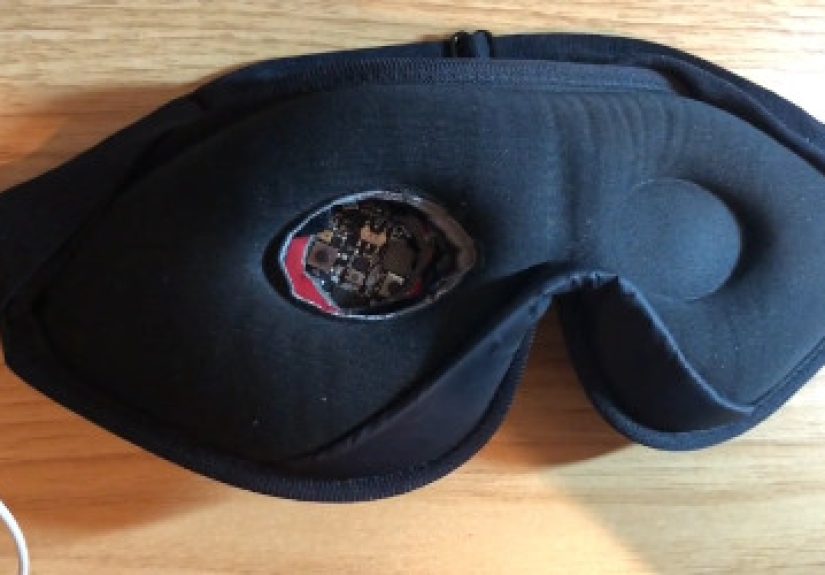
A lucid dream mask is a wearable sleep device designed to deliver subtle cues during dream-rich sleep. Commercial and experimental versions have used LEDs, small speakers, vibration motors, eye-movement sensors, accelerometers, and sometimes EEG-style sensors to estimate when the sleeper is in REM sleep. DIY versions usually keep things simpler: a soft eye mask, a microcontroller, a few low-power LEDs, a battery, and a timing or motion-detection system.
The purpose is not to force a dream to happen. Instead, the mask attempts to insert a recognizable signal into an already occurring dream. Think of it like sending a polite postcard to your sleeping brain: “Hello from the waking world. Please remember you are dreaming.”
How the Cue Works
During REM sleep, the eyes move behind closed eyelids. A gentle light cue can sometimes pass through the eyelids and become part of the dream scene. The dreamer may see flashing lights, colored patterns, a glowing object, or an unusual visual event. If the dreamer has trained themselves to associate that cue with lucid dreaming, the cue may trigger awareness.
This is why the best lucid dream mask is not only a gadget. It is part of a habit system. Without mental training, a dream cue may simply become dream decoration. Your brain is remarkably good at explaining weird things. A blinking red light might become a police car, a nightclub, a UFO, or your microwave demanding emotional support.
The Science Behind Lucid Dreaming
Lucid dreaming has been studied for decades, and researchers generally describe it as a hybrid state where features of dreaming and waking awareness overlap. REM sleep is especially important because it is when many vivid dreams occur. During REM, the brain can be highly active, while most voluntary muscles are temporarily inhibited. This is one reason dreams can feel intense even though the body stays mostly still.
Lucid dreams are not equally common for everyone. Some people experience them naturally, while others need training. Common induction methods include keeping a dream journal, practicing reality checks during the day, setting an intention before sleep, and waking briefly before returning to bed. Devices such as masks attempt to add external stimulation at the right time.
Research on lucid dream induction devices is promising but mixed. Some studies suggest that sensory cues delivered during REM sleep may increase the chance of lucidity, especially when paired with pre-sleep training. However, no consumer mask can guarantee lucid dreams. Sleep varies from night to night, and REM detection outside a sleep lab is imperfect.
Core Parts Needed to Build a Lucid Dream Mask
A DIY lucid dream mask can be built at different difficulty levels. Beginners can create a timer-based mask that flashes lights after several hours of sleep. More advanced builders can add movement sensors or eye-movement detection. The safest and most practical approach is to start simple, low-power, and comfortable.
1. A Comfortable Sleep Mask
The mask body matters more than many beginners expect. If it scratches, squeezes, overheats, or shifts around, you will not sleep well. And if you do not sleep well, your dream mask has failed its first job: letting you dream.
Choose a soft, breathable sleep mask with enough space between the eyelids and the fabric. A contoured mask is often better because it leaves room for blinking and avoids pressing electronics directly into the face. The mask should block outside light, fit securely, and allow the electronics to be mounted away from sensitive areas.
2. Microcontroller
The microcontroller is the small programmable board that controls timing, sensors, and cues. Popular maker boards include Arduino-compatible boards, ESP32 boards, or small wearable-focused boards. For a sleep mask, smaller is better. Lightweight boards reduce discomfort and make the mask less likely to slide around.
The microcontroller can run a simple program: wait for a set amount of time, flash LEDs in a pattern, pause, and repeat. With sensors, it can also monitor movement patterns and attempt to cue when REM sleep is likely.
3. LED Light Cues
Low-brightness LEDs are the classic cue method. The lights should be gentle enough to avoid waking the sleeper. They should never shine harshly into the eyes. Diffused light is better than sharp points of brightness. Some builders place LEDs toward the outer edges of the mask so the cue is visible through the eyelids without feeling aggressive.
A simple cue pattern might be three soft pulses, a pause, then three more pulses. The goal is consistency. If you train yourself during the day to recognize that pattern as a dream sign, you may be more likely to notice it at night.
4. Vibration Motor
A tiny vibration motor can provide a non-visual cue. This may work well for people who wake too easily from light. The vibration should be very gentle and placed away from the eyes. Many builders position it near the temple area or along the strap. As with light cues, subtlety is the secret. The mask should whisper, not shout.
5. Battery and Power Safety
Use a small, reliable, rechargeable battery module designed for wearable electronics. Keep the battery away from direct skin pressure, avoid loose wiring, and make sure everything is insulated. The device should not heat up during use. Any DIY wearable used during sleep should be built conservatively because you are not awake to troubleshoot it.
Do not use high-power lights, exposed wires, unstable battery packs, or anything that feels warm against the face. A lucid dream is not worth turning bedtime into a science-fair hazard.
6. Optional Sensors
More advanced masks may include an accelerometer, infrared-based eye movement detection, or pressure sensors. These can help estimate REM sleep, but they also increase complexity. REM detection is difficult outside a sleep lab because movement, breathing, mask shifting, and random noise can confuse the system.
For many DIY builders, a time-based approach is easier. Since REM periods tend to become longer in the second half of the night, the mask can wait four to six hours before delivering cues. This is not perfect, but it is simple and often good enough for experimentation.
A Beginner-Friendly Build Concept
Here is a practical design for a basic lucid dreaming mask:
Design Goal
Create a soft sleep mask that delivers gentle LED cues after several hours of sleep. The mask should be comfortable, low-power, and easy to adjust.
Suggested Components
- One contoured sleep mask
- One small microcontroller
- Two low-brightness LEDs
- Two resistors matched to the LEDs
- One small rechargeable battery module
- Thin flexible wire
- Soft fabric pocket or removable electronics pouch
- Optional: small vibration motor
Basic Behavior
The mask waits for a chosen delay, such as five hours after activation. Then it plays a cue pattern: soft LED pulses for a few seconds, followed by a long pause. This cycle can repeat several times. The user can adjust brightness and timing after testing.
For example, the mask might wait five hours, flash gently for eight seconds, pause for ten minutes, then repeat for one hour. This targets the later part of sleep, when REM dreams are often more common and longer.
How to Train Your Brain to Notice the Mask Cue
Building the mask is only half the project. The other half is training your brain. A dream cue works better when it is linked to a habit.
Practice Reality Checks
During the day, perform reality checks when you see flashing lights or unusual visual patterns. Ask yourself, “Am I dreaming?” Then test reality. Look at text twice, count your fingers, check a clock, or notice whether your surroundings make sense. The point is not to be dramatic. The point is repetition.
If you practice this enough while awake, the habit may carry into dreams. When the mask flashes during REM sleep, you may respond automatically: “There is the signal. I should check whether I am dreaming.”
Use a Dream Journal
A dream journal improves recall. Keep it beside your bed and write down anything you remember immediately after waking. Even fragments count: a hallway, a color, a conversation, a penguin selling real estate. Over time, patterns emerge. These patterns are called dream signs.
If you often dream about schools, elevators, beaches, old friends, or impossible architecture, use those as reality-check triggers. The more familiar you become with your dream world, the easier it becomes to recognize it.
Set an Intention Before Sleep
Before wearing the mask, repeat a clear intention: “When I see the light cue, I will realize I am dreaming.” Keep it simple. The sleeping brain does not need a legal contract. It needs a memorable instruction.
Testing and Adjusting the Mask
The first version of your mask will probably need tuning. That is normal. Sleep is personal. A cue that wakes one person may be too weak for another. The ideal cue is strong enough to appear in the dream but gentle enough to preserve sleep.
Test Brightness Before Sleeping
Put the mask on in a dark room while awake. Close your eyes and activate the cue. The light should be visible but comfortable. If it feels harsh, reduce brightness, add diffusion, move the LEDs farther from the eyes, or shorten the pulse duration.
Track Results for Two Weeks
Do not judge the mask after one night. Track results for at least ten to fourteen nights. Record bedtime, wake time, cue settings, dream recall, whether you noticed lights or vibration in dreams, and whether sleep felt disrupted.
Useful questions include:
- Did I remember more dreams than usual?
- Did the cue wake me?
- Did the cue appear inside a dream?
- Did I become lucid?
- Did I feel rested the next day?
Adjust One Variable at a Time
If the mask wakes you, reduce brightness or vibration intensity. If you never notice the cue, increase it slightly or change the timing. Avoid changing everything at once. Otherwise, you will not know what helped.
Common Mistakes When Building a Lucid Dream Mask
Mistake 1: Making the Cue Too Strong
Many beginners assume brighter lights equal better results. In reality, the opposite is often true. A strong cue may wake you before it can become part of the dream. Gentle, repeated cues usually work better than one dramatic blast of light.
Mistake 2: Ignoring Comfort
A bulky mask can ruin sleep quality. If wires poke, components press into the face, or the battery pulls the mask sideways, the build needs redesigning. Comfort is not a luxury feature. It is the foundation.
Mistake 3: Expecting Instant Lucid Dreams
A mask can help, but it cannot do all the work. Lucid dreaming is a skill. Some people notice results quickly, while others need weeks of journaling and reality checks. Treat the mask as a training partner, not a dream remote control.
Mistake 4: Using Random Cue Timing
REM sleep is more likely later in the night, so cue timing matters. A mask that flashes too early may interrupt deep sleep. A better approach is to delay cues until the second half of the night.
Safety and Sleep Quality Considerations
Any sleep device should respect the main purpose of sleep: recovery. If the mask causes frequent awakenings, eye discomfort, headaches, anxiety, or daytime tiredness, stop using it and revise the design. People with sleep disorders, seizure sensitivity, serious insomnia, or medical concerns should be especially cautious and seek professional guidance before experimenting with light-based sleep devices.
Keep the electronics low-power, insulated, removable, and cool. Do not place hard components directly over the eyes. Do not use intense flashing. Do not sacrifice sleep quality for the idea of lucidity. The best lucid dream mask supports healthy sleep rather than competing with it.
Better Results: Combine the Mask With Proven Lucid Dreaming Habits
The most effective approach combines technology with behavior. Use the mask alongside dream journaling, daytime reality checks, and intention setting. You can also experiment with wake-back-to-bed, where you wake after several hours, stay awake briefly, focus on lucid dreaming, then return to sleep. Because REM sleep is often stronger later in the night, this method can increase the chance of entering a vivid dream.
A sample routine might look like this:
- Write in a dream journal every morning.
- Perform five to ten reality checks during the day.
- Before sleep, repeat your intention to notice the mask cue.
- Set the mask to begin cues after five hours.
- After waking, record whether the cue appeared in any dream.
This routine gives your brain multiple reminders. The mask becomes one piece of a larger system designed to increase awareness during dreams.
Realistic Expectations: What a Lucid Dream Mask Can and Cannot Do
A lucid dream mask can increase opportunities for lucidity, but it cannot guarantee control over dreams. It may help you notice that you are dreaming. It may improve dream recall by making you pay closer attention to sleep. It may also simply wake you up until you fine-tune it.
The best mindset is experimental. Think like a sleep scientist with a cozy blanket. Change settings gradually, record results, and learn what your own sleep patterns are telling you. Some nights will be boring. Some dreams will be weird. Occasionally, the cue may appear perfectly, and you may find yourself standing in a dream, fully aware, trying to decide whether to fly, explore, or ask your dream characters why they always choose such strange wallpaper.
of Experience: What It Feels Like to Build and Use One
Building a mask to induce lucid dreaming feels like a mix of electronics project, sleep experiment, and personal curiosity quest. The first surprise is usually how much comfort matters. On paper, the project looks like a simple circuit: microcontroller, LEDs, battery, code, done. In real life, your face immediately becomes a very strict product reviewer. A wire that seems harmless on the desk can feel like a tiny metal noodle of doom when you are trying to sleep. A battery that looks small in your hand can feel like a brick when attached to a loose mask strap.
The second surprise is that the first successful test may not happen during sleep. It often happens while lying in a dark room, eyes closed, testing the LEDs and realizing that even a small light can be very noticeable through the eyelids. That is when the project becomes real. You start thinking less like a gadget builder and more like a dream designer. How bright should the cue be? Should it pulse slowly like a lighthouse, or quickly like a sci-fi control panel? Should the cue repeat once or several times? The answers are not universal. They depend on how lightly you sleep, how much light you notice, and whether your brain treats flashing signals as important or just adds them to the dream scenery.
The third surprise is patience. A lucid dream mask may not produce results immediately. The first few nights might bring nothing more than ordinary dreams, partial awakenings, or a vague memory of seeing light somewhere. That can feel disappointing until you realize that the data itself is useful. If the cue wakes you, reduce it. If you never notice it, strengthen it slightly. If you remember more dreams, the mask may already be helping you pay attention.
One practical experience is that dream journaling makes the mask far more interesting. Without a journal, dreams disappear quickly after waking. With a journal, even small details become clues. Maybe the mask cue appeared as lightning in a dream. Maybe it became a blinking traffic signal. Maybe it showed up as a phone notification from someone who has never texted you in real life. These details help you train your waking mind to recognize dream logic.
Another useful experience is learning not to chase lucidity too aggressively. If you go to bed thinking, “Tonight must be the night,” you may become too alert to sleep naturally. A calmer attitude works better. Set the mask, repeat your intention, and let the night do what it does. Lucid dreaming is easier when sleep remains the priority.
The most rewarding moment is not necessarily controlling the dream. It is the instant of recognition. You see the cue, question reality, and realize that the world around you is being generated by your own mind. Even if the dream fades quickly, that moment can feel astonishing. It is like catching the brain in the act of painting a universe.
Conclusion
Building a mask to induce lucid dreaming is a fascinating project for anyone interested in sleep, dreams, electronics, and the strange creativity of the mind. The basic idea is to deliver gentle cues during REM-rich sleep so the dreamer can recognize the dream state. A good DIY mask should be comfortable, safe, low-power, and adjustable. It should use subtle signals, not sleep-destroying alarms disguised as innovation.
The real secret is combining the mask with mental training. Dream journaling, reality checks, and intention setting turn the device from a blinking gadget into a meaningful cue system. Results vary, and patience is essential, but the process itself can teach you a lot about sleep patterns, dream recall, and how flexible awareness can be.
A lucid dream mask will not hand you instant dream control. But with careful design and consistent practice, it can become a doorwayone that opens quietly in the middle of the night, just bright enough for your dreaming mind to notice.