Table of Contents >> Show >> Hide
- Who Is Matt Rife, and Why Was Everyone Watching?
- What Was Matt Rife Accused Of?
- Why Ralphie May’s Name Carries Weight
- How the Netflix Special Changed the Conversation
- Joke Theft in Stand-Up: Why It Is Such a Big Deal
- Parallel Thinking vs. Plagiarism
- Why the Internet Makes Joke Theft Accusations Explode
- Did Matt Rife Respond to the Ralphie May Allegation?
- What This Means for Matt Rife’s Brand
- Why Audiences Care About Originality
- Specific Lessons From the Controversy
- Experience-Based Reflections: Watching a Joke Theft Debate From the Audience Side
- Conclusion
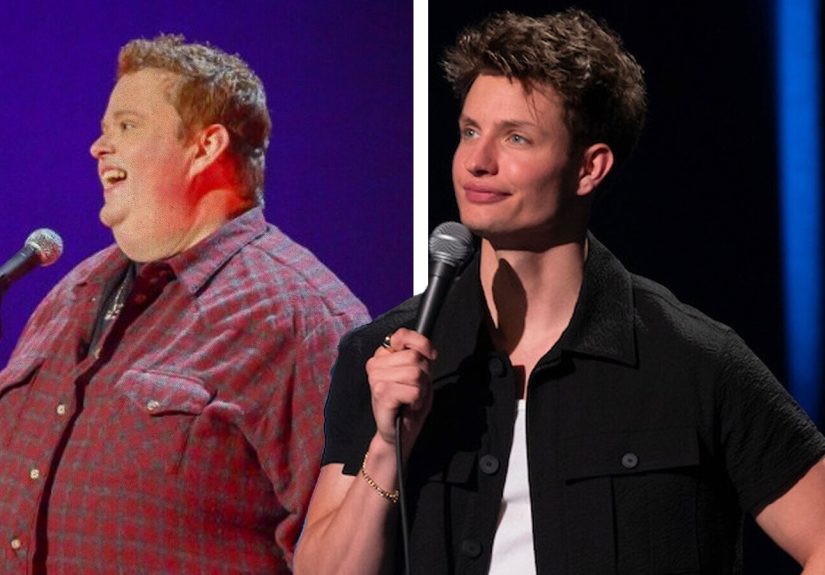
In comedy, timing is everything. Unfortunately, so is originality. When Matt Rife released his Netflix special Natural Selection, the conversation quickly became bigger than crowd work, cheekbones, or whether TikTok fame can survive a full hour onstage. Online critics accused Rife of swiping jokes from the late Ralphie May, sparking a familiar but always messy debate in stand-up comedy: when does a similar premise become joke theft?
The accusation did not come from a courtroom, a formal complaint, or a comedy guild tribunal with a tiny gavel and a two-drink minimum. It emerged the modern way: through social media posts, side-by-side comparisons, fan arguments, and entertainment coverage. Some viewers claimed that parts of Rife’s material, including a controversial bit involving disability-related humor, sounded too close to Ralphie May’s earlier work. Others argued that comedy is full of overlapping premises, shared cultural references, and parallel thinking.
This article looks at what happened, why the allegation gained traction, why Ralphie May’s legacy matters, and what the controversy says about modern comedy in the TikTok era.
Who Is Matt Rife, and Why Was Everyone Watching?
Matt Rife was not an overnight success, even if his rise looked like one to casual viewers. Before he became a viral name, Rife spent years performing stand-up, appearing on television, and building a fan base through short-form clips. His biggest breakout came through social media, especially TikTok, where his crowd-work videos attracted millions of viewers. The format worked perfectly for him: fast reactions, flirty audience exchanges, polished confidence, and punchlines short enough to survive the attention span of someone scrolling while pretending to watch a movie.
By 2023, Rife had become one of comedy’s most marketable young stars. His fan base was large, loud, and unusually digital-first. Many people discovered him through clips before ever watching a traditional stand-up special. That matters because a viral crowd-work clip and a structured comedy hour are very different beasts. Crowd work can feel spontaneous, charming, and personal. A special asks a tougher question: can the comedian write, shape, and sustain original material for an entire hour?
That question became central to the backlash around Natural Selection. The special arrived with high expectations. It also arrived at a moment when Rife was trying to prove he was more than a handsome crowd-work comic whose best punchlines came from audience participation. Then the allegations about Ralphie May’s material entered the conversation, and the comedy internet did what it does best: it turned a debate into a bonfire.
What Was Matt Rife Accused Of?
The core accusation was that Rife allegedly used jokes or joke structures that resembled material previously performed by Ralphie May. Coverage of the controversy pointed to online posts that compared Rife’s Netflix material with May’s older routines. The claim was not simply that both comics touched on edgy subjects. Critics argued that the setup, rhythm, and punchline approach appeared noticeably similar in at least one or more bits.
It is important to say this clearly: being accused of joke theft is not the same as being proven guilty of joke theft. Comedy has gray areas. Two comedians can arrive at a similar idea independently. They can also write from the same cultural stereotype, news story, or social observation. Sometimes a premise is so obvious that multiple comics find it, like raccoons discovering the same trash can.
But joke theft accusations become more serious when the similarities involve not just a topic, but the specific route from setup to punchline. In stand-up, the architecture matters. A joke is not only the idea; it is the wording, timing, escalation, misdirection, and character voice. If two comics use the same unusual path, listeners naturally start asking questions.
Why Ralphie May’s Name Carries Weight
Ralphie May was not a minor figure in American stand-up. He became widely known after finishing as runner-up on the first season of Last Comic Standing and built a long career through albums, specials, late-night appearances, and relentless touring. His official biography lists multiple Comedy Central specials, including Girth of a Nation, Prime Cut, Austintatious, and Too Big to Ignore, along with Netflix specials such as Imperfectly Yours and Unruly.
May’s style was big, blunt, and often intentionally uncomfortable. He worked with taboo subjects, social hypocrisy, race, sex, politics, family, and personal vulnerability. His comedy was not designed to tiptoe. It stomped into the room wearing boots and asked why everyone looked nervous.
That is part of why the accusation involving Rife drew attention. May had a recognizable voice. His fans knew his cadence and his appetite for risky premises. When a younger comedian is accused of echoing a late comedian’s material, the issue becomes more emotional. The original performer is not around to respond, defend the work, or say, “Relax, I gave him that one in a dream.”
How the Netflix Special Changed the Conversation
Matt Rife: Natural Selection premiered on Netflix in November 2023. Netflix described the special as raunchy, irreverent stand-up in which Rife covered subjects ranging from protection crystals to social media trolls. Rotten Tomatoes lists the special as a one-hour comedy release directed by Erik Griffin. On paper, it was a major career milestone for Rife.
Instead, much of the public conversation focused on controversy. The most widely discussed backlash involved a domestic violence joke near the start of the special. Critics argued that the joke made light of abuse, especially because Rife’s audience included many women who had helped fuel his rise online. Rife’s later Instagram response, which directed offended viewers to a site selling helmets for people with special needs, drew additional criticism and accusations of ableism.
The Ralphie May allegation landed inside that already heated environment. When a special is receiving negative attention for offensive material, audiences become more willing to scrutinize everything else. Suddenly, viewers were not just asking, “Is this joke funny?” They were asking, “Is this joke his?” That is a much more dangerous question for a stand-up comic.
Joke Theft in Stand-Up: Why It Is Such a Big Deal
In music, artists can sample, license, remix, and credit. In comedy, a punchline depends heavily on surprise. Once the audience knows the destination, the joke loses power. A stolen joke is not like borrowing a lawn mower; it is more like borrowing a birthday cake, eating it, and returning the plate with crumbs and confidence.
Stand-up comedy has long relied on informal rules. Legal protection can be complicated because copyright law protects expression more than general ideas. A comedian may own the specific wording of a joke if it is recorded or written down, but broad premises are harder to protect. That is why the comedy community often polices originality through reputation rather than lawsuits.
Among comics, being labeled a joke thief can be brutal. Bookers may hesitate. Other comedians may refuse to share bills. Fans may question the performer’s entire catalog. Even if the accusation is later disputed or softened, the stain can linger. Comedy is built on trust: the audience trusts that the performer is showing them a unique point of view, not reheating someone else’s leftovers and calling it artisanal.
Parallel Thinking vs. Plagiarism
Not every similar joke is stolen. Parallel thinking happens all the time. Comedians observe the same world, use the same apps, date the same kinds of chaotic people, fly through the same terrible airports, and complain about the same hotel pillows that feel like folded tax documents.
Two comedians might independently write jokes about dating apps, airplane boarding, family group chats, or astrology. Those topics are common. The difference lies in specificity. If the setup, progression, imagery, wording, and punchline all line up, the coincidence argument becomes harder to sell. If only the topic overlaps, the accusation is weaker.
That is why joke theft debates are rarely simple. Fans may see a side-by-side clip and immediately declare guilt. Defenders may insist that all comedy overlaps. The truth often depends on details: access, timing, wording, performance history, and whether the bit contains a distinctive comedic fingerprint.
Why the Internet Makes Joke Theft Accusations Explode
In the old comedy-club world, joke theft accusations traveled through green rooms, late-night diner conversations, and whispered warnings from one comic to another. Today, the internet turns the accusation into public content. A clip can be compared, stitched, reposted, debated, mocked, and monetized before anyone involved has finished breakfast.
That speed changes the stakes. It can help expose real copying. It can also flatten nuance. A joke that took years to develop may be judged in a 20-second clip. A coincidence can be framed as theft. A serious allegation can become a meme. The internet is a courtroom where everyone is the judge, jury, bailiff, and guy selling popcorn outside.
For Rife, the timing was especially rough. He was already facing criticism over tone, audience expectations, and the gap between viral charm and special-length material. The Ralphie May accusation gave critics a sharper weapon: not just “I did not like it,” but “I do not believe it was original.”
Did Matt Rife Respond to the Ralphie May Allegation?
As of the public coverage surrounding the controversy, the most widely reported response from Rife addressed the broader backlash to his Netflix special, especially criticism of the domestic violence joke. The Ralphie May allegation itself did not become a formal legal dispute in mainstream reporting. That leaves the discussion in the murky territory of public perception.
That murkiness matters. Without a direct admission, legal finding, or detailed public explanation from the comedian, responsible coverage should avoid declaring the accusation proven. The safer and more accurate framing is that Rife was accused online of using material similar to Ralphie May’s, and entertainment outlets discussed those allegations in the context of the larger reaction to Natural Selection.
What This Means for Matt Rife’s Brand
Matt Rife’s brand has always contained tension. He is a club comic who became a social media star. He is known for crowd work but wants recognition as a joke writer. He has a large female fan base but released material that many women found alienating. He built momentum through short clips, then faced the longer judgment of a Netflix special.
The joke-swiping allegation hits directly at the most sensitive part of that brand: credibility. A comic can survive bad reviews. Many great comedians have released uneven specials. A comic can even survive offensive jokes if the audience believes the work is honest, sharp, and original. But if people begin to doubt the originality, the brand shifts from “edgy” to “untrustworthy.” That is a much harder label to shake.
Still, controversy does not always end a career. Sometimes it hardens a fan base. Rife’s supporters may view criticism as overblown, politically motivated, or driven by people who never liked his comedy in the first place. His critics may see the situation as evidence that viral popularity does not equal artistic depth. Both reactions can exist at the same time, which is why modern celebrity controversies often feel less like endings and more like subscription plans.
Why Audiences Care About Originality
Audiences may not know the technical process of writing stand-up, but they can feel when a comedian has a point of view. Original comedy carries a personal charge. It sounds like someone has lived with an idea, wrestled with it, polished it, and finally found the funniest way to release it into the wild.
When a joke is perceived as borrowed, that charge disappears. The audience may still laugh, but the laugh feels cheaper once doubt enters the room. Comedy is intimate because it asks people to follow a mind in motion. If the audience suspects the mind is following someone else’s map, the magic fades.
This is especially true with comics like Ralphie May, whose voice was so tied to his personality. May’s material was not clean-room comedy assembled by committee. It was messy, loud, personal, and unmistakably his. Fans who believe his work was echoed without credit are reacting not only to a possible professional violation, but to a perceived disrespect toward a comedian who can no longer speak for himself.
Specific Lessons From the Controversy
1. Viral fame invites forensic attention
The larger a comedian becomes, the more closely people inspect the work. A joke that might pass unnoticed in a small club can become a headline when performed on Netflix. Fame is a magnifying glass, and sometimes it is held by people who already brought matches.
2. Edgy comedy needs stronger writing, not weaker writing
Audiences may accept dark or offensive premises when the joke has insight, surprise, and craft. But when edgy material feels lazy, recycled, or mean without a fresh angle, the reaction changes. Shock alone is not a punchline. It is just a fire alarm with a Netflix budget.
3. Comedy history matters
Younger audiences may discover stand-up through TikTok, but the art form has decades of history. Comics who know that history can avoid accidental overlap and better understand the lineage of certain premises. Ignorance is not always theft, but it is not a great defense for professionals either.
4. Allegations should be handled carefully
Joke theft is serious, but accusations can also be damaging if made carelessly. The best conversations compare material with context, avoid exaggeration, and distinguish between similar premises and distinctive copying. Comedy deserves accountability, but it also deserves accuracy.
Experience-Based Reflections: Watching a Joke Theft Debate From the Audience Side
For many comedy fans, the Matt Rife and Ralphie May controversy feels familiar because it mirrors something audiences have experienced before: the uneasy feeling of hearing a joke that seems to arrive with a ghost attached. You may be watching a special, scrolling through clips, or sitting in a club when a punchline rings a bell. At first, you cannot place it. Then your brain starts flipping through memory like a messy filing cabinet. Did you hear that from another comic? Was it on an old special? Was it a meme? Did your uncle say it at Thanksgiving before everyone silently agreed to discuss mashed potatoes instead?
That experience is strange because comedy depends on trust. When a comedian steps onstage, the audience does not ask to inspect a certificate of originality. We simply assume the material belongs to the person holding the microphone. That assumption allows us to relax and laugh. When the assumption cracks, even a funny line can start to feel suspicious.
Comedy fans also know that memory is imperfect. A joke can feel familiar because it uses a common structure. Many comics use misdirection, exaggeration, rule-of-three patterns, or deliberately offensive reversals. Similar tools can produce similar rhythms. That is why responsible viewers should be careful before turning a hunch into a public accusation. “This reminds me of something” is not the same as “this was stolen.” The first is a reaction; the second is a claim.
At the same time, audiences are not wrong to care. Stand-up is one of the few entertainment forms where authorship feels immediate. A movie has writers, editors, actors, producers, and executives. A joke has a comic, a microphone, and a crowd. When it works, the connection feels direct. That directness is why joke theft feels personal, even to fans who have never written a punchline in their lives.
The Rife controversy also shows how different generations experience comedy. Older fans may remember Ralphie May’s albums and specials as part of a long stand-up tradition. Younger fans may know Rife primarily through fast, flirtatious, viral clips. When those worlds collide, the debate becomes bigger than one joke. It becomes a conversation about craft versus virality, history versus algorithm, and whether online fame can skip the apprenticeship that comedy usually demands.
There is also a practical lesson for aspiring comedians. Keep records of your work. Date your notes. Record sets when allowed. Study the comics who came before you. If you write a joke and later discover that someone else did something very similar, retire it or reshape it until it is undeniably yours. Comedy is already hard enough without walking onto a stage carrying someone else’s shadow.
For audiences, the best approach is curiosity with caution. Compare, question, and discuss, but do not confuse a viral thread with a verdict. For comedians, the lesson is even simpler: originality is not optional. A comic’s voice is the product. If the voice sounds borrowed, the whole act starts wobbling.
In the end, the accusation that Matt Rife swiped jokes from Ralphie May matters because it touches the nerve center of stand-up comedy. The art form survives on surprise, trust, and the belief that the person onstage has earned the laugh honestly. Whether one views the Rife allegation as convincing, exaggerated, or unresolved, the controversy is a reminder that in comedy, the oldest rule still stands: write your own jokes, because the internet has a very good memory and absolutely no chill.
Conclusion
The controversy around Matt Rife Accused of Swiping Jokes From Ralphie May is not just celebrity gossip with a punchline attached. It is a window into how stand-up comedy protects originality, how social media amplifies allegations, and how quickly public perception can shift when a performer’s credibility is questioned. Rife’s Netflix special became a flashpoint for multiple debates: offensive comedy, audience expectations, TikTok fame, and the difference between writing jokes and surviving crowd work.
Ralphie May’s legacy gives the accusation extra weight. He was a major stand-up voice with a distinct style, a deep catalog, and a fan base that still remembers his material. When a younger star is accused of echoing that work, comedy fans pay attention. The allegation remains an allegation, but the larger lesson is clear: originality is the currency of stand-up. Spend someone else’s, and sooner or later, the comedy economy comes knocking.