Table of Contents >> Show >> Hide
- What Is White Vinegar, Exactly?
- White Vinegar Uses in the Kitchen
- White Vinegar Uses Around the House
- Benefits of White Vinegar
- What White Vinegar Cannot Do
- How to Use White Vinegar Safely
- How to Choose and Store White Vinegar
- Everyday Experiences With White Vinegar: What It’s Really Like to Use
- Final Thoughts
- SEO Tags
White vinegar is the quiet overachiever of the pantry. It does not have the rustic charm of balsamic or the trendiness of apple cider vinegar, but it shows up, does the job, and asks for very little praise. One bottle can brighten pickles, sharpen salad dressings, cut through mineral buildup, and rescue a crusty faucet that looks like it has been personally attacked by hard water. Not bad for a liquid that is basically clear, cheap, and a little dramatic in the smell department.
Still, white vinegar is often misunderstood. Some people treat it like a miracle elixir. Others think of it as nothing more than pickle fuel. The truth sits somewhere in the middle. White vinegar is useful, versatile, and surprisingly interesting, but it also has limits. It can help in the kitchen, around the house, and in a few practical wellness conversations, yet it is not magic in a bottle. If only cleaning the oven, fixing your diet, and organizing your life were all that simple.
This guide breaks down the ingredients in white vinegar, how it is made, where it shines, where it does not, and the realistic benefits you can expect from keeping a bottle nearby.
What Is White Vinegar, Exactly?
White vinegar, often labeled as distilled white vinegar, is a clear vinegar known for its sharp taste, strong acidity, and all-purpose usefulness. In food, it is prized for being colorless and assertive. In cleaning, it is popular because acid is good at dissolving certain kinds of grime, especially mineral residue. In everyday life, it is the product that somehow ends up in both your potato salad recipe and your cleaning caddy.
At its core, vinegar is created through fermentation. A source of alcohol is transformed by acetic acid bacteria into acetic acid, the compound that gives vinegar its signature smell and sour bite. Commercial white vinegar is then refined into a clear product that is usually diluted to a standard acidity suitable for cooking, pickling, and household use.
Main Ingredients in White Vinegar
The ingredient list in white vinegar is refreshingly short. Most bottled white vinegar contains:
Water: This makes up most of the bottle and dilutes the vinegar to a usable strength.
Acetic acid: This is the star of the show. It creates the sour taste, the strong smell, and many of vinegar’s useful properties.
Trace compounds: Depending on processing, there may be tiny amounts of flavor or fermentation byproducts, but white vinegar is usually cleaner-tasting and more neutral than darker, more complex vinegars.
That simplicity is part of why white vinegar is so handy. It is not trying to bring fruity notes, oak aging, or artisanal flair to the party. It is there to add acid, brightness, and function.
How White Vinegar Is Made
White vinegar is made through a two-step fermentation process. First, sugars are converted into alcohol. Then bacteria convert that alcohol into acetic acid. After that, the vinegar is filtered and diluted to a consistent strength.
The result is a vinegar that is clear in color, sharply acidic, and especially useful when you do not want extra color or competing flavors in the final dish. That is why white vinegar is common in pickling, preserving, and recipes where appearance matters. If you want your pickled onions bright, your brine reliable, and your herb vinegar visually clean, white vinegar earns its keep.
White Vinegar Uses in the Kitchen
1. Pickling and Food Preservation
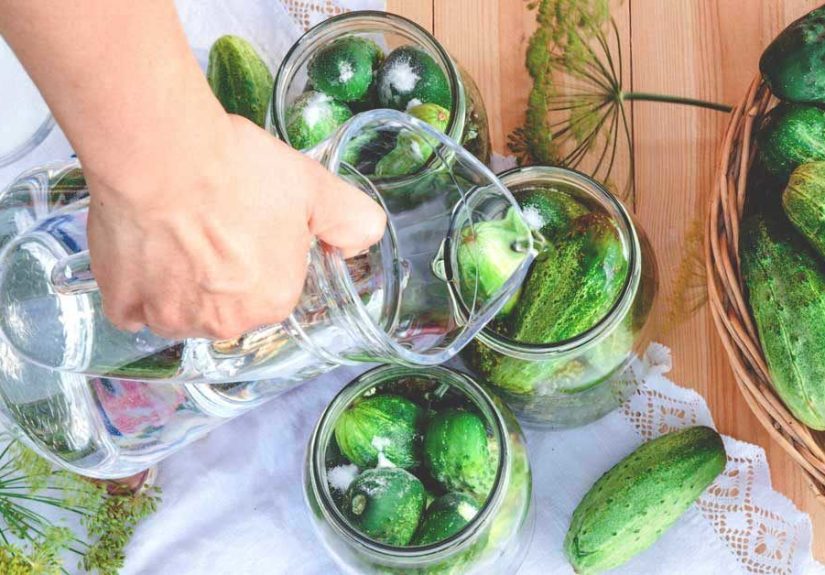
This is white vinegar’s headline act. Its acidity helps create an environment that slows bacterial growth in properly tested pickling recipes. That is why home food preservation guides often specify distilled white vinegar at a certain acidity level. When a recipe says to use white vinegar, it is not being picky for sport. The acidity matters for both safety and quality.
White vinegar is especially useful in quick pickles, cucumber pickles, pickled onions, pickled peppers, and tangy slaws. Its clean flavor lets the herbs, spices, garlic, dill, mustard seed, and vegetables do the talking. It also keeps pale foods from turning muddy in color, which is a small cosmetic miracle if you have ever watched a gorgeous jar of vegetables turn oddly beige.
2. Salad Dressings, Marinades, and Sauces
Acid balances fat, salt, and sweetness, which is why white vinegar works so well in vinaigrettes, barbecue sauces, and marinades. A small amount can wake up a dressing that tastes flat or rescue a sauce that seems heavy. It is the culinary equivalent of opening a window.
In marinades, white vinegar can add brightness and help season the surface of foods. That said, more is not always better. Too much acid for too long can make delicate proteins or vegetables taste harsh. The goal is lively, not lip-puckering punishment.
3. Baking and Cooking
White vinegar also plays a practical role in baking. Combined with baking soda, it creates carbon dioxide, which helps add lift to certain cakes, quick breads, and batter-based recipes. It is especially useful in recipes that rely on that acid-base reaction for a lighter texture.
In savory cooking, a small splash of white vinegar can brighten soups, bean dishes, braises, and sautéed greens. If a finished dish tastes dull, heavy, or one-note, acid is often the missing piece. Salt gets all the glory, but vinegar frequently does the real emotional labor.
4. Washing Produce: Useful, but Not the Main Rule
White vinegar sometimes appears in home produce-washing routines, especially for leafy greens. It may help reduce some surface contamination when used properly and followed by a clean water rinse. Still, plain running water remains the standard starting point for washing fresh produce.
So if you like a vinegar rinse for certain fruits or greens, fine. Just do not treat it like a universal requirement. And definitely skip soap. Your salad should taste fresh, not like a squeaky clean bubble bath.
White Vinegar Uses Around the House
1. Removing Mineral Buildup
White vinegar is especially useful against mineral deposits caused by hard water. If your faucet aerator, showerhead, kettle, or coffee maker is collecting chalky residue, vinegar can help loosen that crusty buildup. It is one of the most satisfying cleaning jobs because the before-and-after difference can be downright theatrical.
A simple soak often does the trick. The acid helps break down mineral deposits so they can be scrubbed away more easily. It is affordable, easy to find, and much less intimidating than a cabinet full of specialized cleaners with names that sound like comic book villains.
2. Cutting Grease and Odors
White vinegar can help with light grease, stale odors, and some grimy surfaces. Many people use it on refrigerators, microwaves, trash cans, and other places where funk likes to settle in and sign a long-term lease. When diluted appropriately, it can be a practical all-purpose cleaner for many non-porous household tasks.
Its smell does linger at first, which is admittedly not charming. But once it dries, the odor usually fades. Think of it as a blunt but effective roommate: not elegant, but surprisingly dependable.
3. Freshening Certain Surfaces
White vinegar is commonly used to wipe down glass, help remove some stains, and reduce soap scum or waxy residue. It is also handy for simple maintenance jobs like cleaning a faucet screen or freshening a fridge interior.
But let us keep the halo in the drawer. White vinegar is not the best product for every surface in the home. Acids can be too harsh for some materials, and vinegar should not automatically replace products designed for true sanitizing or disinfecting jobs.
4. Garden and Tool Use: Proceed With Common Sense
White vinegar sometimes gets promoted as a natural fix for weeds, garden cleanup, and tool care. Here, nuance matters. Standard household white vinegar is usually not strong enough to kill weeds at the root, so results are often short-lived. It may scorch top growth, but that is not the same as solving the problem.
It can also be a questionable choice for some metal tools because acidity may contribute to rust on susceptible items. In other words, white vinegar is useful, but it is not your garden’s wise old wizard.
Benefits of White Vinegar
1. It Is Inexpensive and Multi-Use
One of the biggest benefits of white vinegar is simple economics. It is affordable and wildly versatile. A single bottle can contribute to cooking, preserving, routine cleaning, deodorizing, and minor household maintenance. For budget-conscious households, that kind of flexibility is a win.
2. It Has a Clean Flavor Profile
Because white vinegar is clear and sharply acidic without many extra flavor notes, it is ideal when you want acid without color or sweetness. That makes it especially useful in pickling, brines, delicate herb infusions, and recipes where appearance matters.
3. It Can Support Food Preservation Goals
In tested recipes, white vinegar plays an important role in acidified foods and pickled items. That makes it not just flavorful but functional. It is one of those pantry ingredients that can do real work beyond taste.
4. It Can Help With Light-Duty Cleaning
For mineral buildup, odor control, and general freshening, white vinegar is practical and easy to use. It may not replace every specialized cleaner, but it performs well in plenty of everyday situations.
5. It May Have Modest Wellness Value, but Hype Gets Ahead of Reality
This is where the internet tends to sprint past the facts. Research on vinegar, especially apple cider vinegar, suggests acetic acid may modestly affect digestion, fullness, and post-meal blood sugar in some situations. But the evidence is limited, the effects are usually small, and white vinegar should not be marketed as a cure-all.
It is fair to say vinegar can be part of a healthy eating pattern when used in place of heavier sauces or as a way to add flavor without much sugar or fat. It is not fair to say a spoonful of vinegar will melt pounds away, detox your body, or replace sound medical care. If wellness fads had a favorite intern, vinegar would definitely be on the shortlist.
What White Vinegar Cannot Do
White vinegar is useful, but it is not a universal sanitizer, disinfectant, or medical treatment. It can kill some germs under some conditions, but it does not kill all germs and is not strong enough to meet food-surface sanitizing standards on its own. For true disinfecting needs, follow product labels and public health guidance.
It also should not be mixed with bleach. That combination can release harmful chlorine gas, which can irritate the eyes, nose, throat, and lungs. This is one of those household mistakes that deserves a giant red “absolutely not.”
And while vinegar supplements and home-remedy lore are everywhere, more is not better. Undiluted vinegar can irritate tissue, bother the stomach, and in some cases contribute to burns or other problems if used carelessly.
How to Use White Vinegar Safely
In Food
Use white vinegar as directed in tested recipes, especially when preserving food. Do not casually substitute strengths or rewrite preservation formulas because your inner kitchen rebel feels inspired. In pickling and canning, precision is not bossy. It is protective.
In Cleaning
Use it for suitable tasks like mineral buildup, light grease, odor removal, and selected hard-surface cleaning. Avoid mixing it with bleach or other cleaners unless a product is specifically designed for that use. Ventilation is always smart.
On the Body
Do not assume white vinegar belongs on skin, burns, rashes, or as a homemade treatment just because the internet says someone’s aunt swears by it. “Natural” does not automatically mean gentle or safe.
How to Choose and Store White Vinegar
For cooking and pickling, look for distilled white vinegar labeled for food use, often with a standard acidity around 5%. Store it tightly closed in a cool, dry place. Because of its acidity, vinegar keeps well, which is another reason it is such a reliable pantry staple.
If you keep separate bottles for cooking and cleaning, label them clearly. This is not because white vinegar is hard to identify. It is because life gets busy, and nobody wants to season coleslaw with the bottle that just helped descale the coffee machine.
Everyday Experiences With White Vinegar: What It’s Really Like to Use
In real life, white vinegar earns its reputation through small victories, not dramatic speeches. It is the bottle you reach for when the faucet starts wearing a chalky necklace, when the fridge smells vaguely suspicious, or when a pot of pickled onions needs that sharp, clean bite. The experience of using white vinegar is often less about one huge transformation and more about a steady stream of practical moments that make you think, “Well, that worked better than expected.”
Take the kitchen, for example. A lot of people first appreciate white vinegar when they start cooking more at home. You make a salad dressing and realize it tastes brighter than the bottled stuff. You add a splash to a pan sauce and suddenly dinner tastes awake. You toss cucumbers with vinegar, salt, and a little sugar, and somehow a humble side dish starts acting like it deserves applause. White vinegar has a way of making simple food taste cleaner, sharper, and more intentional.
Then there is the cleaning side. If you have ever soaked a crusty faucet aerator or kettle in white vinegar, you already know the oddly satisfying magic of watching mineral buildup loosen up. It is not glamorous, but it is deeply rewarding. Few household experiences compare to scrubbing away something that looked permanent fifteen minutes earlier. White vinegar makes you feel like a very thrifty detective solving a mystery no one else in the house noticed.
There is also a learning curve. Most people who use white vinegar regularly discover pretty quickly that it is useful, but not unlimited. The smell is strong. The first time you clean with it, you may briefly wonder whether your kitchen now smells like an aggressively opinionated sandwich shop. The good news is that the smell usually fades. The better news is that once you see what it can do with residue, odor, and dull-tasting recipes, you tend to forgive the temporary tang in the air.
Experienced home cooks and cleaners also learn its boundaries. White vinegar is not a replacement for every cleaner, and it is not a wellness miracle in a bottle. It is more like a dependable utility player. It is great at certain jobs, mediocre at others, and a bad choice for a few. That honesty is part of the appeal. White vinegar is not flashy. It is functional.
Over time, people tend to build their own white-vinegar routines. Some keep a bottle in the pantry for pickling and dressings. Others keep one under the sink for mineral deposits and odor control. Plenty of people keep both, because life is easier when your cooking vinegar has not been moonlighting as a faucet cleaner. In the end, the experience of using white vinegar is about trust. You learn what it does well, where it saves time and money, and why this sharp-smelling staple has quietly stayed relevant for generations.
Final Thoughts
White vinegar is one of the most useful low-cost staples you can keep on hand. Its ingredients are simple, its uses are broad, and its benefits are real when you understand them clearly. It can brighten food, support pickling, loosen mineral buildup, reduce odors, and handle a surprising number of practical tasks around the home.
At the same time, it deserves realistic expectations. White vinegar is not a cure-all, not a replacement for tested sanitation methods, and definitely not something to mix with bleach unless you enjoy terrible decisions. Used wisely, though, it is one of the most efficient little workhorses in both the pantry and the cleaning cabinet.
If there were an award for “Most Likely to Be Underrated While Quietly Doing Everything,” white vinegar would win by a landslide.