Table of Contents >> Show >> Hide
- What Are Nawrap Binchotan Charcoal Cloths?
- Why Binchotan Charcoal Makes These Cloths Special
- The Beauty of Japanese Kaya Weaving
- Design Appeal: Why Minimalists Love Them
- Nawrap Dishcloths vs. Sponges, Paper Towels, and Regular Cloths
- How to Use Nawrap Binchotan Dishcloths in the Kitchen
- How to Use the Binchotan Body Wash Towel
- Care Tips: How to Keep Nawrap Cloths Fresh
- Are Nawrap Binchotan Cloths Eco-Friendly?
- Why These Cloths Make Great Gifts
- Buying Tips: What to Look For
- Real-Life Experience: Living with Nawrap Binchotan Cloths
- Final Verdict: A Small Luxury That Earns Its Keep
Some home goods walk into your life quietly. Others arrive like a tiny design sermon wrapped in soft fabric. Nawrap Binchotan charcoal dish and bath cloths from Japan belong to the second category. At first glance, they look simple: square dishcloths, long bath cloths, muted colors, no dramatic packaging, no flashing neon promise that your kitchen will become a temple of spotless enlightenment. But use one for a week, and suddenly the humble cloth becomes the main character.
These Japanese cloths combine traditional Nara weaving, quick-drying layered fabric, and binchotan charcoal, a prized Japanese oak charcoal known for odor-absorbing properties. The result is a dishcloth or bath cloth that feels lightweight, textured, practical, and oddly luxurious. It is the kind of object that makes you think, “Why have I been using that tired sponge that smells like regret?”
This article explores what makes Nawrap Binchotan cloths so appealing, how they work, why design lovers keep noticing them, and whether they deserve a place beside your sink, shower, or carefully curated “I swear I’m not obsessed with Japanese household goods” shelf.
What Are Nawrap Binchotan Charcoal Cloths?
Nawrap is a Japanese textile brand connected to long-standing weaving traditions in Nara, Japan. The brand is known for making kitchen and bath textiles inspired by kaya fabric, a gauzy material historically used in mosquito nets. That heritage matters because mosquito-net fabric is breathable, strong, and quick to drythree qualities that also happen to be excellent in dishcloths and bath towels.
The binchotan line adds another ingredient: charcoal-infused fibers. Binchotan charcoal is traditionally made from Japanese oak and is often associated with purification, deodorizing, and moisture control. In Nawrap cloths, the charcoal is not sprinkled on like kitchen seasoning. It is infused into the fibers, helping the cloth resist odor during normal use.
The Basic Product Details
Nawrap Binchotan dishcloths are commonly sized around 13.5 by 13.5 inches, making them easy to fold, wring, hang, and use for daily kitchen tasks. Many versions use a rayon and cotton blend, often described as 65% rayon and 35% cotton in the natural binchotan style. The dishcloths usually feature a multi-layer or six-layer weave, which gives them more absorbency and durability than a thin single-layer rag.
The body wash towel is longer and narrower, often around 12 by 34 inches. That length is intentional: it makes the cloth easy to use across the back in the shower. It is soft enough for daily washing, textured enough to feel effective, and quick-drying enough that it does not become a damp little swamp monster between uses.
Why Binchotan Charcoal Makes These Cloths Special
Binchotan charcoal has a long reputation in Japan for its purifying qualities. It is used in water filtration, cooking, deodorizing, and household products. In textiles, the main appeal is odor control. Dishcloths and bath cloths live difficult lives. They are constantly wet, squeezed, rubbed, hung, forgotten, and asked to perform emotional labor in the form of cleaning sauce, soap, crumbs, and whatever mysterious substance lives near the faucet.
The charcoal-infused fibers help the cloth stay fresher longer than many conventional cloths. That does not mean the cloth never needs washing. Let us not insult science. Kitchen towels and dishcloths should still be changed and washed frequently, especially if they touch raw meat juices, heavy food spills, or dirty surfaces. But the binchotan feature gives Nawrap cloths a practical edge for everyday odor resistance.
Anti-Odor, Not Magic
One important distinction: “anti-odor” is not the same as “self-cleaning.” A Nawrap Binchotan dishcloth still needs proper care. Rinse it well after use, wring it out, hang it where air can circulate, and wash it regularly. Treat it kindly and it rewards you. Leave it balled up in a dark sink corner and even the finest Japanese charcoal will raise a tiny white flag.
The Beauty of Japanese Kaya Weaving
Part of the charm of Nawrap cloths comes from their weave. The fabric may feel stiff when new, but it softens with water, washing, and regular use. This is not a flaw; it is part of the experience. The cloth breaks in like a favorite pair of jeans, except instead of making you look cool at a coffee shop, it makes wiping the counter feel strangely elegant.
The multi-layer construction improves absorbency while keeping the cloth breathable. That balance is what separates a great dishcloth from a sad towel scrap. A cloth needs to hold water, but it also needs to release moisture quickly so it does not develop odors. Nawrap’s layered weave is designed to do both.
Texture That Actually Works
The textured surface gives the dishcloth a gentle scrubbing quality. It is useful for wiping counters, cleaning plates, drying hands, or handling light kitchen messes. It is not a replacement for a heavy-duty scrubber when a pan has entered “archaeological excavation” territory, but for everyday cleaning, it performs beautifully.
The body wash towel offers a similar balance. It provides enough texture to feel refreshing without being harsh. For people who dislike fluffy washcloths that stay wet forever, a quick-drying Japanese bath cloth can feel like a revelation. It is light, practical, and easy to hang in small bathrooms.
Design Appeal: Why Minimalists Love Them
Nawrap Binchotan cloths are functional, but let us be honest: they are also very good-looking. The colors tend to be soft, earthy, and restrained. Natural gray, charcoal, white, moss green, muted blue, and gentle purple tones appear in different collections. These are not “look at me!” dishcloths. They are “I own a ceramic butter dish and know where the good olive oil lives” dishcloths.
That understated look makes them a favorite among design-minded homeowners. They fit easily into modern kitchens, rustic kitchens, Japanese-inspired interiors, and bathrooms where someone has definitely thought about soap placement. They also make excellent small gifts because they feel useful, unusual, and tasteful without screaming, “I panicked at the checkout line.”
The Object of Desire Factor
What makes an everyday object desirable? Usually, it is a mix of beauty, utility, story, and tactile pleasure. Nawrap Binchotan cloths check all four boxes. They are attractive without being fussy. They solve a real household problem. They carry a story of Japanese textile tradition. And they feel better with use, which is a rare and wonderful thing in a world where too many products seem to get worse the moment you open the package.
Nawrap Dishcloths vs. Sponges, Paper Towels, and Regular Cloths
Most kitchens rely on a chaotic team of sponges, paper towels, microfiber cloths, cotton towels, and one suspicious rag nobody wants to identify. Nawrap Binchotan dishcloths offer a cleaner, more attractive alternative for many daily tasks.
Compared with Sponges
Sponges are convenient, but they often trap food particles and stay damp. That dampness can create odor quickly. Nawrap dishcloths dry faster when hung properly, and their flat shape makes them easier to rinse thoroughly. They are also more pleasant to display by the sink. A sponge rarely looks intentional. A Japanese charcoal dishcloth looks like you have your life together, even if dinner is cereal.
Compared with Paper Towels
Paper towels are useful for certain messes, especially when food safety is involved. However, using disposable paper towels for every small wipe can create unnecessary waste. A reusable cloth works well for everyday counter cleaning, dish wiping, drying hands, and handling small spills. The key is to rotate and wash cloths properly.
Compared with Standard Cotton Dishcloths
Regular cotton dishcloths can be absorbent, but they may dry slowly depending on thickness. Nawrap’s breathable layered weave gives it an advantage in drying speed. The binchotan version also adds odor resistance, which is especially helpful in humid kitchens or busy households.
How to Use Nawrap Binchotan Dishcloths in the Kitchen
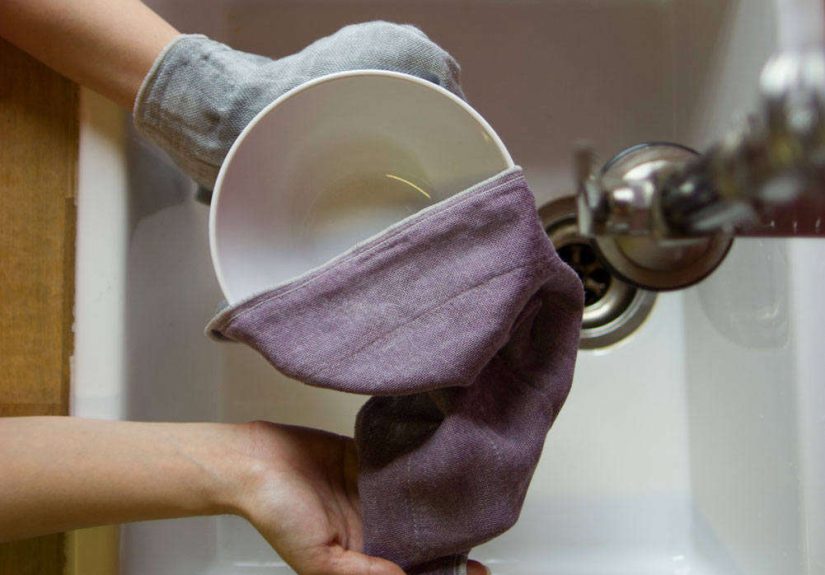
A Nawrap Binchotan dishcloth can handle many everyday kitchen jobs. Use it to wipe counters, clean plates, dry small items, polish a sink area, or replace a sponge for lighter washing tasks. It is especially good for people who prefer cloths over brushes because it gives tactile control. You can feel the surface you are cleaning, which is oddly satisfying when dealing with a stubborn coffee ring.
For best results, rinse the cloth after each use and hang it fully open. Do not leave it crumpled beside the faucet. A simple hook, towel bar, or edge of a dish rack works well. If the cloth feels stiff at first, soak it in hot water for a few minutes before using it. Over time, it becomes softer and more absorbent.
Where It Shines
The dishcloth shines in small, repeated tasks: wiping breakfast crumbs, cleaning a damp cutting board after vegetables, drying a mug, or freshening the counter before guests arrive. It also works well for people who enjoy keeping a tidy kitchen without turning cleaning into a military operation.
Where It Needs Backup
For raw meat cleanup, heavy grease, or sanitizing tasks, use proper food-safety methods. That may mean paper towels, hot washing, soap, sanitizing steps, or a separate cleaning cloth. A beautiful cloth is still a cloth, not a superhero in a tiny cape.
How to Use the Binchotan Body Wash Towel
The body wash towel is designed for bathing. Its long shape makes it easy to hold with both hands and move across the back, shoulders, legs, and arms. Add soap or body wash, wet the cloth, and use gentle pressure. The texture gives a clean feeling without requiring aggressive scrubbing.
After bathing, rinse the towel thoroughly and hang it open to dry. Avoid bleach and skip the dryer if the care instructions recommend air drying. The fabric is meant to be breathable and quick-drying, so it usually does not need much drama. Just give it air and a little respect.
Who Will Like It Most?
This bath cloth is ideal for people who like a light exfoliating feel, prefer fast-drying bathroom textiles, or live in small spaces where bulky towels never seem to dry. It is also a smart travel companion because it packs flat and dries faster than a plush washcloth.
Care Tips: How to Keep Nawrap Cloths Fresh
Proper care is simple. Rinse thoroughly, wring gently, hang dry, and launder regularly. Avoid bleach because it can damage fibers and affect the cloth’s natural qualities. Avoid machine drying if the product instructions warn against it, since heat may cause shrinking. Air drying is the safer route.
In the kitchen, rotate cloths frequently. If a cloth touches raw meat, poultry, seafood juices, or a dirty spill, move it directly to the laundry. For ordinary use, daily or frequent changing is still a good habit. The binchotan helps with odor, but cleanliness still comes from washing.
Simple Routine
Keep two or three dishcloths in rotation. Use one, hang it dry, then wash it after a day of active kitchen use. Keep bath cloths hung separately from heavy towels so they can breathe. If your bathroom is humid, place the cloth where airflow is strongest. Basically, do not imprison it in a damp corner and then act shocked when it complains.
Are Nawrap Binchotan Cloths Eco-Friendly?
Nawrap cloths can support a lower-waste home routine because they are reusable and durable. Replacing some paper towel use with washable cloths can reduce everyday waste. The cloths are also designed to last through repeated washing and use, which is better than constantly replacing disposable cleaning products.
However, eco-friendly living is not only about buying a greener product. It is also about using it well. Wash full loads when possible, air dry when appropriate, and avoid using the cloth for tasks that require immediate disposal for hygiene reasons. A reusable product becomes more sustainable the more thoughtfully it is used.
Why These Cloths Make Great Gifts
Nawrap Binchotan cloths are excellent gifts because they are practical but still feel special. Everyone needs dishcloths. Not everyone owns charcoal-infused Japanese dishcloths woven in a tradition connected to Nara textile craft. That difference turns a basic household item into a conversation piece.
They are good for housewarming gifts, holiday stocking stuffers, host gifts, college apartment upgrades, wedding shower baskets, or self-gifting after surviving a week that required emotional support dishwashing. Pair a dishcloth with Japanese dish soap, a ceramic soap dish, a wooden brush, or a simple linen towel for a polished gift set.
Buying Tips: What to Look For
When shopping for Nawrap Binchotan dish and bath cloths, look for clear product descriptions that mention Japanese production, binchotan charcoal-infused fibers, the rayon-cotton blend, and layered construction. For dishcloths, the common size is about 13.5 inches square. For body wash towels, look for the longer bath-friendly shape.
Check care instructions before buying. Some Nawrap textiles should not be bleached or placed in the dryer. Also, note that the fabric may feel crisp at first. That is normal. It softens with soaking, washing, and use.
Dishcloth or Bath Cloth: Which Should You Start With?
If you want daily practicality, start with the dishcloth. You will use it constantly, and it quickly proves its worth. If your bathroom has poor ventilation or you dislike soggy washcloths, start with the body wash towel. If you are already mentally adding both to your cart, congratulations. You have excellent taste and possibly a linen problem.
Real-Life Experience: Living with Nawrap Binchotan Cloths
The first thing you notice about a Nawrap Binchotan dishcloth is that it does not behave like a typical fluffy kitchen towel. Out of the package, it may feel structured, almost papery. That can be surprising if you expect cloud-soft cotton. But after a soak in hot water, it relaxes. After several uses, it becomes more flexible, softer, and easier to wring. It is less like buying a finished personality and more like making a polite new friend who opens up over time.
In the kitchen, the cloth feels especially useful around the sink. It wipes water spots cleanly, picks up crumbs without smearing them into a tragic paste, and handles everyday counter messes with confidence. Because it is thin and layered rather than thick and plush, it rinses clean quickly. That is one of its biggest pleasures. Some dishcloths seem to hold onto soap, food, and odor as if building a scrapbook. The Nawrap cloth lets go more easily.
The drying speed changes the rhythm of kitchen cleanup. After washing dishes, you can rinse the cloth, squeeze it out, and hang it over a faucet or rack. Instead of staying heavy and wet for hours, it begins drying in a way that feels efficient. In a humid kitchen, that matters. A cloth that dries faster is simply more pleasant to live with. It also looks tidy while drying, which is not something one can say about the average sponge, that damp yellow goblin of the sink.
Another experience worth noting is how the cloth encourages better habits. Because it feels thoughtfully made, you are more likely to rinse it properly and hang it up. This may sound silly, but good tools often improve behavior. A beautiful broom makes sweeping less annoying. A sharp knife makes chopping safer and faster. A well-made dishcloth makes cleaning feel less like punishment and more like a small domestic ritual.
The body wash towel brings a different kind of satisfaction. Its length makes it practical, especially for washing the back. The texture is present but not aggressive. It gives that “clean and awake” feeling without making skin feel attacked. People who dislike thick washcloths may appreciate how light it feels in the hand. It also rinses out quickly, which is helpful when using soap or body wash.
After a shower, the towel hangs neatly and dries faster than many plush bath accessories. In small bathrooms, this is a major advantage. Thick washcloths can stay damp, especially when hung too close together. The Nawrap bath cloth is slim and breathable, so it feels better suited to compact urban bathrooms, guest baths, gym bags, and travel kits.
There is also an emotional layer to these cloths. They make ordinary routines feel more intentional. Wiping a counter is not glamorous. Washing your back is not usually a design moment. Yet a well-made object can add quiet pleasure to both. That is the real appeal of Nawrap Binchotan cloths: they upgrade daily tasks without making them complicated.
Of course, they are not perfect for everyone. If you want a thick, plush towel, the bath cloth may feel too light. If you prefer disposable cleaning for most kitchen tasks, a reusable cloth may require more laundry discipline. And if you expect the charcoal to eliminate all washing needs, you will be disappointed, because reality remains annoyingly real.
But for people who enjoy functional design, natural textures, Japanese household goods, and low-waste routines, these cloths are easy to love. They are humble, useful, and quietly beautiful. In a home full of noisy gadgets and overdesigned products, Nawrap Binchotan cloths feel refreshingly calm. They do not beep. They do not need charging. They simply do their job, dry quickly, and look good while doing it.
Final Verdict: A Small Luxury That Earns Its Keep
Nawrap Binchotan charcoal dish and bath cloths are not flashy luxury items. They are better than that. They are practical luxuries: objects used every day, touched often, and appreciated more with time. Their appeal comes from a smart combination of traditional Japanese weaving, odor-resistant binchotan charcoal, absorbent layered fabric, and minimalist design.
For the kitchen, the dishcloth is a beautiful alternative to ordinary cloths and sponges. For the bathroom, the body wash towel is light, effective, and quick-drying. Both products prove that even the most ordinary household tools can be improved with thoughtful materials and better design.
If your home philosophy is “buy fewer things, but make them better,” Nawrap Binchotan cloths fit perfectly. They are not just dish and bath cloths from Japan. They are tiny reminders that daily routines deserve good design too. And honestly, if a dishcloth can make cleaning feel slightly more poetic, it has earned its hook by the sink.
Note: This article is written from synthesized product information, manufacturer details, Japanese textile context, and practical home-care guidance. It is intended for editorial and SEO publishing purposes, not as medical, dermatological, or food-safety advice.