Table of Contents >> Show >> Hide
- The Simple Answer: Sesame Seeds Grow Into Sesame Plants
- What Does a Sesame Plant Look Like?
- Can You Plant Sesame Seeds From the Grocery Store?
- The Sesame Plant Life Cycle
- Where Do Sesame Seeds Grow Best?
- Is Sesame a Herb, Grain, Vegetable, or Flower?
- What Happens Inside a Sesame Pod?
- How Long Does It Take Sesame Seeds to Grow?
- Can You Grow Sesame at Home?
- Common Myths About Sesame Seeds
- Why Sesame Seeds Matter
- So, What Do Sesame Seeds Grow Into?
- Personal Growing Experience: What It Feels Like to Grow Sesame
- SEO Tags
If you have ever stared at a hamburger bun and wondered, “Wait… what do sesame seeds grow into?” you are not alone. Sesame seeds are so tiny that they look more like kitchen confetti than future plants. But give the right seed warm soil, sunlight, and a little patience, and it can grow into a sesame plantan upright, warm-season plant known botanically as Sesamum indicum.
The simple answer is this: sesame seeds grow into sesame plants, which produce bell-shaped flowers and small seed pods filled with more sesame seeds. In other words, that little seed on your bagel is part of a full plant life cycle. It does not grow into a tree, a grain stalk like wheat, or a bushy herb like basil. It grows into a leafy annual plant that loves heat, dislikes soggy soil, and eventually makes capsules packed with tiny edible seeds.
That may sound straightforward, but sesame has a surprisingly fascinating story. It is one of the oldest cultivated oilseed crops in the world, grown for food, oil, flavor, and even ornamental garden interest. And yes, the phrase “open sesame” makes more sense once you learn how mature sesame pods split open and spill their seeds. Nature was doing dramatic reveals long before movie trailers.
The Simple Answer: Sesame Seeds Grow Into Sesame Plants
A sesame seed can grow into a sesame plant if it is alive, untreated, raw, and planted under the right conditions. The plant is typically grown as an annual crop in warm regions, meaning it completes its life cycle in one growing season. It sprouts, grows leaves, flowers, forms seed pods, matures, dries down, and produces harvestable seeds.
The sesame plant has an upright growth habit. Depending on the variety and growing conditions, it may grow only a couple of feet tall in a home garden or several feet tall in a field. Some plants branch, while others remain more vertical and simple. The leaves can vary in size and shape, but the plant is usually easy to recognize once it begins flowering.
The flowers are one of the prettiest surprises. Sesame plants produce tubular or bell-shaped blooms that may be white, pale pink, rose, lavender, or light purple. These flowers usually appear along the stem where leaves meet the stalk. After pollination, the flowers give way to narrow, grooved seed capsules. Inside those capsules are rows of small sesame seeds.
What Does a Sesame Plant Look Like?
If you are imagining a sesame plant as a tiny herb with sprinkle-sized leaves, think bigger. A healthy sesame plant can look like a slim, leafy garden plant with a sturdy central stem. In warm weather, it grows upright, develops side branches depending on the variety, and produces flowers along the stem.
Leaves and Stems
Young sesame plants start small and delicate, but once established, they grow more confidently. Their leaves may appear opposite one another on the lower part of the plant and more alternate higher up. Some leaves are broader near the base, while others are narrower toward the flowering portion of the stem. The stems can become firm as the plant matures.
Flowers
The flowers are often described as bell-shaped, tubular, or foxglove-like. They are not huge, but they are showy enough to make sesame an attractive edible plant. In a garden, sesame can look like a plant that forgot it was supposed to be practical and decided to audition for the flower border.
Seed Pods or Capsules
After the flowers fade, the plant develops slender seed pods, often called capsules. These capsules are the real treasure boxes. Each one can contain many seeds, sometimes more than 50 or even 100 depending on the variety and conditions. When old-fashioned “shattering” types mature, the dry capsules split open and release the seeds. That is the botanical magic behind the famous phrase “open sesame.”
Can You Plant Sesame Seeds From the Grocery Store?
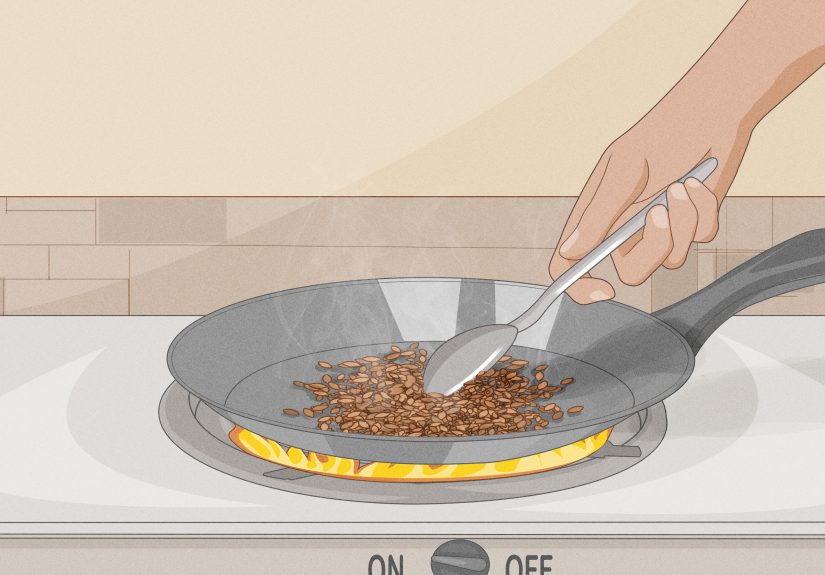
Sometimes, yesbut there is a catch. Grocery-store sesame seeds are often hulled, processed, heat-treated, or toasted. Toasted sesame seeds will not sprout because heat has killed the embryo inside the seed. Hulled seeds may also have poor germination because the outer seed coat has been removed or damaged.
If you want to grow sesame at home, choose raw, unhulled, untreated sesame seeds or buy seeds specifically sold for planting. Seeds packaged for gardening are usually the safest choice because they are selected for germination rather than shelf appeal. Your spice jar may be delicious, but it is not always a reliable nursery.
The Sesame Plant Life Cycle
Sesame follows a clear life cycle, and understanding it makes the answer to “what do sesame seeds grow into?” much easier to picture.
1. Seed Germination
The life cycle begins when a viable sesame seed absorbs moisture and wakes up. Sesame needs warm soil to germinate well. In many growing guides, gardeners are advised to wait until the soil is around 68 to 70 degrees Fahrenheit or warmer. Cold soil slows growth, and wet cold soil can ruin the seed before it gets a chance to become anything exciting.
Because sesame seeds are tiny, they should not be buried too deeply. Many home-garden instructions suggest a shallow planting depth, often around half an inch. The goal is to keep the seed in contact with moist soil without suffocating it under a dirt blanket worthy of a potato.
2. Seedling Growth
Once the seed germinates, a small seedling emerges. Sesame seedlings are not very competitive with weeds at first, so keeping the planting area clean is important. If weeds crowd the young plants, they can steal sunlight, water, and nutrients. Sesame may be tough later, but in its baby stage, it appreciates a little bodyguard service.
3. Vegetative Growth
After establishment, sesame begins growing more quickly. The plant develops more leaves and builds a stronger root system. Sesame is known for drought tolerance once established, partly because it can develop an extensive root system. However, drought tolerant does not mean “plant it and ignore it forever.” It still needs enough moisture during germination and early growth.
4. Flowering
Flowers usually appear several weeks after planting, often around six to eight weeks depending on variety and climate. Sesame is mostly self-pollinating, which means a plant can usually set seed without needing another sesame plant nearby. Still, pollinators such as bees may visit the flowers, and a garden full of pollinator traffic is rarely a bad thing.
5. Pod Formation
After pollination, the flowers develop into seed capsules. These pods form along the stem and gradually fill with tiny sesame seeds. The plant may continue flowering while lower pods are already developing, which means the seeds do not all mature at exactly the same time.
6. Maturity and Harvest
Sesame generally needs a long, warm growing season. Many varieties require roughly 90 to 120 frost-free days, and some production recommendations note that full seed maturity can take around 100 days, with extra time for drying before harvest. In a home garden, harvest usually begins when the plant starts to dry, leaves yellow or drop, and the pods begin to mature.
Where Do Sesame Seeds Grow Best?
Sesame grows best in warm, sunny places with well-drained soil. It is commonly cultivated in tropical, subtropical, and warm temperate regions. In the United States, sesame has been grown commercially in warmer areas such as Texas, Oklahoma, Kansas, and parts of the Southeast, while home gardeners in other regions can experiment if they have enough summer heat.
The plant prefers full sun. Six hours of direct sunlight is a starting point, but more is usually better. Sesame is not a shade-loving crop. Put it in a gloomy corner and it may respond with the plant version of a dramatic sigh.
Well-drained soil is critical. Sesame may tolerate dry conditions better than many crops, but it does not tolerate waterlogged roots. Soggy soil can cause stress, root problems, and plant death. A raised bed, loose garden soil, or sandy loam can be helpful as long as moisture is managed carefully.
Is Sesame a Herb, Grain, Vegetable, or Flower?
Sesame can confuse people because we use its seeds like a spice, oilseed, garnish, and cooking ingredient. Botanically, sesame is an annual flowering plant in the Pedaliaceae family. Agriculturally, it is considered an oilseed crop because the seeds contain a high percentage of oil. In the kitchen, sesame seeds act like a condiment or ingredient. In the garden, the plant may look ornamental when it blooms.
So, what category should you use in everyday language? The easiest answer is: sesame is a seed-producing flowering plant grown as an oilseed crop. That sounds fancy enough for a gardening club meeting but still accurate enough for a fifth-grade science project.
What Happens Inside a Sesame Pod?
The sesame pod is where the familiar seeds form. After flowering, the fertilized flower develops into a narrow capsule. Inside, seeds are arranged in rows. As the capsule matures, the seeds dry and harden. Traditional varieties may split open naturally when fully mature, scattering seeds onto the ground.
This natural splitting is called shattering. It helps the plant spread its seeds in the wild, but it can frustrate farmers and gardeners who want to harvest every seed. Modern non-shattering or shatter-resistant varieties were developed to hold seeds longer, making mechanical harvesting easier and reducing losses.
How Long Does It Take Sesame Seeds to Grow?
From planting to harvest, sesame often takes about three to five months, depending on temperature, variety, and growing conditions. In a warm garden with a long summer, you may see seedlings emerge, plants grow steadily, flowers appear in midsummer, and pods mature later in the season.
Cool weather slows sesame down. Frost can end the crop, so gardeners in short-season regions may need to start seeds indoors and transplant carefully once outdoor conditions are warm. However, sesame does not always love transplant shock, so gentle handling is important.
Can You Grow Sesame at Home?
Yes, you can grow sesame at home if you can provide warmth, sun, and good drainage. It is not the most common backyard crop, which is part of the fun. Neighbors expect tomatoes. They do not expect you to say, “I’m growing sesame this year,” while casually becoming the most interesting person near the compost bin.
Basic Home-Growing Tips
Start with raw, viable planting seed. Choose a sunny spot after the soil has warmed. Plant shallowly in well-drained soil and keep the seedbed lightly moist during germination. Once plants are established, water moderately and avoid soggy conditions. Thin seedlings so they have room for airflow and root development.
Because sesame grows slowly at first, weed control matters. Mulch can help once plants are established, but avoid burying the stems or keeping the soil too wet. Watch for aphids, leaf spots, root rot, and other stress signs, especially in humid or overly wet areas.
Common Myths About Sesame Seeds
Myth 1: Sesame Seeds Grow on Trees
Nope. Sesame seeds grow on annual plants, not trees. The plant has stems, leaves, flowers, and pods, but it does not become woody like a fruit tree.
Myth 2: Every Sesame Seed Can Grow
Not every sesame seed is capable of sprouting. Toasted, hulled, old, or treated seeds may not germinate. For gardening, use seeds intended for planting.
Myth 3: Sesame Is Only a Topping
Sesame is much more than a bun decoration. The seeds are used in tahini, sesame oil, sweets, breads, sauces, spice blends, and many global cuisines. The plant has agricultural, culinary, and historical importance.
Why Sesame Seeds Matter
Sesame seeds are small, but they carry a lot of value. They are rich in oil, have a nutty flavor when toasted, and are used in foods across the Middle East, Asia, Africa, Europe, and North America. Sesame oil is prized for cooking, dressings, and flavor. Ground sesame seeds become tahini, the creamy paste that gives hummus its signature depth.
There is also an important food safety note: sesame is recognized as a major food allergen in the United States. People with sesame allergies must avoid sesame seeds, sesame oil, tahini, benne, and foods that may contain hidden sesame ingredients. For everyone else, sesame remains a flavorful and versatile foodbut labeling awareness matters.
So, What Do Sesame Seeds Grow Into?
Sesame seeds grow into sesame plants. Those plants grow upright stems and leaves, produce bell-shaped flowers, form seed pods, and eventually create more sesame seeds. The complete journey is a tidy little loop: seed, plant, flower, pod, seed again.
It is one of those answers that seems simple at first, then becomes more interesting the longer you look at it. The sesame seed on your bread is not just decoration. It is a tiny plant package, a bit of agricultural history, and, under the right conditions, the beginning of a warm-season crop with flowers and pods of its own.
Personal Growing Experience: What It Feels Like to Grow Sesame
Growing sesame for the first time feels a little like planting a secret. The seeds are so small that it is almost hard to believe anything substantial will come from them. You sprinkle them into warm soil, cover them lightly, water with care, and then spend the next few days looking at the bed like a detective waiting for clues. At first, nothing happens. Then, one morning, tiny green seedlings appear, and suddenly the humble sesame seed seems far more impressive than it did on a cracker.
The early stage teaches patience. Sesame seedlings are delicate, and they do not leap out of the ground with the confidence of beans or sunflowers. They need warmth, light, and protection from weeds. In a home garden, the biggest mistake is treating sesame like a desert cactus from day one. Yes, mature sesame is drought tolerant, but young sesame still needs steady moisture to germinate and establish. The trick is to keep the soil lightly moist without turning the bed into soup.
Once the plants settle in, they become more rewarding. The upright habit gives the garden a tidy look, and the flowers are a genuine surprise. Many people grow sesame for the seeds and forget that the flowers are beautiful. When those pale tubular blooms appear along the stem, the plant suddenly looks ornamental. Bees and other insects may visit, and the sesame patch begins to feel alive in a new way.
The seed pods are the most exciting part. Watching them form after the flowers fade makes the whole process click. This is the moment when the answer to “what do sesame seeds grow into?” becomes visible. They grow into plants that make pods, and inside those pods are more seeds. It is simple, but it feels almost magical when you see it happening in your own garden.
Harvesting sesame requires timing and gentleness. If the pods dry too much on shattering varieties, they can split and drop seeds before you collect them. If you harvest too early, the seeds may not be fully mature. A practical approach is to watch the plant as it yellows and dries, then cut stems and let them finish drying in a protected place with a tray or paper underneath. When the pods open, the seeds can be shaken out. It is not a high-speed process, but it is satisfying in the way shelling peas or saving tomato seeds is satisfying.
The biggest lesson from growing sesame is respect for small things. A teaspoon of sesame seeds looks ordinary in the kitchen, but each seed represents a plant that needed months of sun, soil, flowers, pods, drying, and careful handling. After growing it once, you may never look at a sesame bagel the same way again. You might even pause before eating it and think, “Tiny seeds, big résumé.”
Note: This article is written for educational gardening and general food knowledge. Growing results vary by region, seed quality, soil, and weather, so local extension guidance is helpful before planting sesame as a serious crop.