Table of Contents >> Show >> Hide
- What Is a Bee Lawn, Exactly?
- Why Plant a Bee Lawn?
- Before You Plant: 5 Smart Questions to Ask
- How to Plant a Bee Lawn
- How to Maintain a Bee Lawn
- Common Bee Lawn Mistakes (and How to Avoid Them)
- Is a Bee Lawn Right for Your Yard?
- Conclusion
- Real-World Experiences With Bee Lawns (Extra 500+ Words)
- Experience #1: “I thought I failed in the first year.”
- Experience #2: “Mowing less felt weird… then amazing.”
- Experience #3: “Neighbors asked if I forgot to mow.”
- Experience #4: “The bees were not as scary as I expected.”
- Experience #5: “I started with one patch and ended up rethinking my whole yard.”
- Experience #6: “The lawn looked better after I matched the seed mix to my site.”
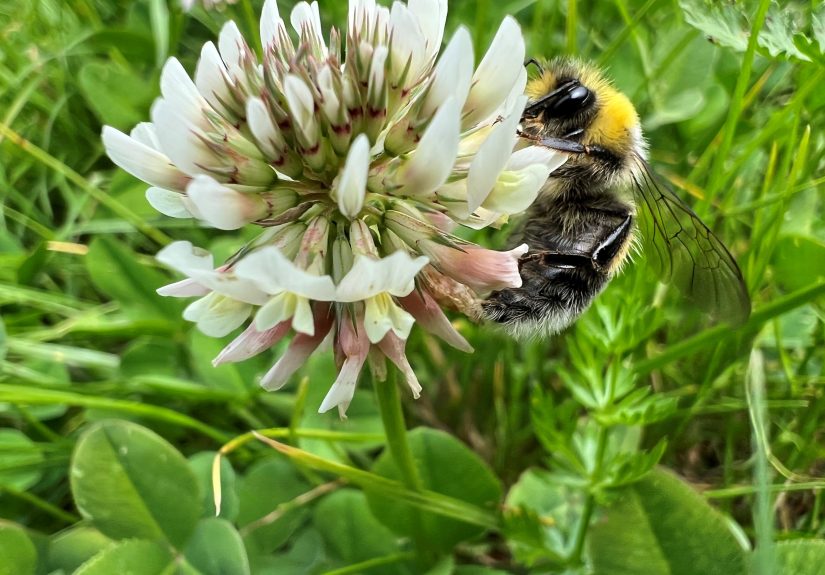
If your lawn currently looks like a green carpet that’s one strict HOA letter away from military formation, a bee lawn might be your new favorite rebellion. A bee lawn is not a wild, waist-high meadow. It’s also not a “never mow again” fantasy. Instead, it’s a practical middle ground: a lawn made of turfgrass plus low-growing flowering plants that can tolerate mowing and foot traffic while offering nectar and pollen for pollinators.
In other words, your yard can still be a yard. You can still walk on it, mow it, and enjoy it. It just becomes less of an ecological food desert and more of a neighborhood snack bar for bees. Nice upgrade.
This guide explains what a bee lawn is, why people love it, what plants to use, and how to plant one successfully without turning your weekend into a landscaping horror movie. I’ll also include a practical, step-by-step plan and real-world experience-based scenarios at the end so you know what to expect in year one (spoiler: it may look a little patchy before it looks amazing).
What Is a Bee Lawn, Exactly?
A bee lawn is a mixed lawn system that combines turfgrass (often lower-input grasses like fine fescues) with short flowering plants that can survive regular mowing. The goal is to keep the function of a lawn while increasing biodiversity and food sources for pollinators.
What makes a plant suitable for a bee lawn?
Not every pretty flower belongs in a lawn. Plants used in bee lawns generally need to:
- Stay relatively low to the ground
- Tolerate mowing and light foot traffic
- Compete with turfgrass
- Provide nectar and/or pollen
- Come back reliably (usually perennials)
Common bee lawn flowers often include Dutch white clover, self-heal, and sometimes creeping thyme (depending on your region and winter conditions). Some regions also experiment with violets, yarrow, or other mowing-tolerant flowering species. The exact mix should match your climate, soil, and local extension recommendations.
Bee lawn vs. clover lawn vs. pollinator lawn
These terms overlap, but they’re not always identical:
- Clover lawn: Usually mostly clover (or clover mixed with grass).
- Bee lawn: A more intentional mix of turfgrass + multiple bee-friendly flowering plants.
- Pollinator lawn: Broad umbrella term; can include bee lawns and other flowering lawn approaches.
Think of a clover lawn as one flavor and a bee lawn as the full sampler platter.
Why Plant a Bee Lawn?
1) It supports pollinators without giving up your lawn
Traditional turfgrass lawns can look tidy, but they usually offer little food for bees and other pollinators. Bee lawns add low flowers that bloom through parts of the growing season, helping provide forage in places that were previously all grass and no snacks.
2) It can reduce inputs and maintenance
Many bee lawn mixes rely on lower-input grasses and plants like clover that can help with nitrogen cycling. Once established, bee lawns often need less fertilizer, less frequent mowing, and less irrigation than high-maintenance turfgrass lawns. That means fewer chores and fewer arguments with your hose.
3) It still looks like an intentional landscape
One reason bee lawns are popular is that they can fit neighborhoods where a full meadow might not. A bee lawn can be mowed, edged, and kept tidy while still being more wildlife-friendly. Translation: your yard can be both “eco-conscious” and “yes, I do own a mower.”
4) It’s a great gateway to bigger habitat upgrades
Many homeowners start with a small bee lawn patch, then later add pollinator beds, native shrubs, or reduced-mow edges. It’s a realistic entry point if a complete yard transformation feels overwhelming.
Before You Plant: 5 Smart Questions to Ask
1) How much of the lawn do you actually use?
You do not need to convert the entire yard. Keep play areas, paths, or dog zones as conventional turf if you want. Start where your lawn is underused, thin, or hard to maintain. A small test area is often the best teacher.
2) Does the site get enough sun?
Bee lawns generally perform best in sun to part sun, though some components (like white clover) can tolerate some shade. Deep shade and heavily compacted areas are usually poor candidates. If your backyard is mostly dense shade, you may be better off with shade-tolerant groundcovers or a woodland planting approach.
3) Is your existing lawn healthy enough to overseed?
If the current lawn is fairly healthy with relatively few problem weeds, overseeding is usually easier and cheaper. If it’s full of bare spots, heavy weed pressure, compaction, or grading issues, renovation (starting over) may be the better move.
4) What are your local rules?
Check HOA rules, city ordinances, and neighborhood expectations before planting. Some communities are fine with flowering lawns, while others are… still emotionally attached to turf monoculture. Yard signs that explain your bee lawn is intentional can help avoid confusion and awkward fence-side debates.
5) Which plants actually work in your region?
This is the most important question. A bee lawn mix that performs well in Minnesota may not behave the same way in Texas, Arizona, or coastal Georgia. Use local extension guidance and regional seed suppliers when choosing species.
How to Plant a Bee Lawn
Step 1: Choose your approach (Overseed vs. Renovate)
Overseed if:
- Your lawn is mostly healthy
- You have few non-beneficial weeds
- You want a lower-labor option
Renovate if:
- Your lawn is thin, weedy, or uneven
- Soil is compacted or drainage is poor
- You want a fresh start with better plant balance
Overseeding works by temporarily setting back the existing turf so new seeds have a chance. Renovation removes existing vegetation first, then reseeds the area.
Step 2: Pick a seed mix for your climate
Look for bee lawn or pollinator lawn seed mixes that include:
- Fine fescues (common in lower-input bee lawns)
- Dutch white clover (very common and mowing-tolerant)
- Self-heal (regionally appropriate in some areas)
- Other low-growing flowering species recommended locally
Don’t choose a mix based only on the front of the bag. Read the species list. If the mix includes plants that aren’t winter-hardy in your region, or species likely to outgrow your mowing height, your “bee lawn” may become a “what happened here?” lawn.
Step 3: Plant at the right time
Timing matters a lot. Regional guidance varies, but many extension recommendations favor:
- Dormant seeding (late fall): Seed goes down when it’s too cold to germinate, then emerges in spring.
- Spring seeding: Works, but often requires more watering and weed management.
- Late summer/early fall in some northern regions: Can be ideal depending on climate and seed mix.
The key point: follow your local extension calendar. Bee lawn flowers don’t always follow the best timing rules used for standard turfgrass alone.
Step 4: Prepare the site
For overseeding:
- Mow the lawn very short (often about 1 inch) to expose soil.
- Rake out excess thatch/clippings.
- Aerate or power-rake if the lawn is very dense or compacted.
- Aim for good seed-to-soil contact.
For renovation:
- Remove or kill existing vegetation (methods may include physical removal, solarization, or other site-prep strategies).
- Fix grading/compaction issues if needed.
- Rake smooth and remove debris.
- Prepare a seedbed that gives your new mix a fair start.
If you use herbicides during site prep, read and follow labels carefully, and plan around pollinator activity. Bee lawn goals and broad broadcast spraying usually do not make great roommates.
Step 5: Seed evenly
Use a drop or broadcast spreader for even coverage. Some mixes can also be hand-spread in small areas if you measure carefully. A common mistake is “eyeballing” seed rates and accidentally dumping half the bag in one corner like you’re feeding ducks.
After spreading:
- Lightly rake for seed-to-soil contact (if your planting method calls for it)
- Use erosion/germination blankets on slopes if needed
- Keep people and pets off the area during establishment
Step 6: Water like you mean it (at first)
During establishment, consistent moisture is critical. Newly seeded bee lawns may need frequent light watering at first, then a gradual transition to deeper, less frequent watering as seedlings establish. After the first season, many bee lawns need less irrigation than conventional turfexcept during prolonged drought.
Step 7: Be patient in Year 1
This is the step most people skip emotionally.
A bee lawn often looks patchy in its first year. You may see mostly grass, some clover, and not much “wow” yet. Many mixes really improve in year two and beyond as flowering plants establish and spread. If your first-year lawn looks like it’s “thinking about becoming pretty,” that is completely normal.
How to Maintain a Bee Lawn
Mow higher and mow less often
Bee lawns generally perform best with a higher mowing height (often around 3 inches or more) and less frequent mowing than a traditional weekly trim. Many homeowners mow every 2 to 4 weeks depending on weather, growth rate, and flowering cycles.
Helpful rule: avoid mowing when the lawn is in full bloom if you want pollinators to use it. Also, follow the one-third rule for mowing (don’t remove more than one-third of the leaf blade at one time).
Leave clippings on the lawn
Mulching clippings back into the lawn returns nutrients and organic matter. Bagging every clipping is like making your lawn cook dinner and then taking away the groceries.
Go easy on fertilizer
Too much fertilizer favors turfgrass over flowering plants, which can reduce blooms over time. Many established bee lawns need little to no fertilizer, or at most a light application depending on soil conditions. A soil test is your best guide.
Hand-weed during establishment
Weeding matters most in the first season. Hand-pulling is usually the safest approach because many common lawn herbicides target broadleaf plantswhich includes the flowers you just paid for and planted on purpose.
Use pesticides with extra caution
If you must treat a lawn issue, choose the least disruptive option, spot-treat rather than blanket-spray when possible, and avoid spraying during bloom when pollinators are actively visiting flowers. Some guidance also recommends mowing before treatment so flowering weeds or clover are less attractive to foraging bees.
Common Bee Lawn Mistakes (and How to Avoid Them)
1) Planting in the wrong season
Bee lawn mixes may have different ideal planting windows than standard turf. Follow local recommendations, not random internet confidence.
2) Mowing too low
Scalping an established bee lawn removes blooms and stresses the grass. Raise the deck.
3) Overfertilizing
Too much fertilizer can create “all grass, fewer flowers” results.
4) Using broadleaf weed-and-feed products
Those products are often designed to kill exactly the kinds of flowering plants you want in a bee lawn.
5) Expecting a perfect magazine lawn in 30 days
A bee lawn is a living system, not green paint. It changes with weather, mowing, bloom cycles, and season. It can still look neat, but the beauty is a little more dynamic.
Is a Bee Lawn Right for Your Yard?
A bee lawn is a great fit if you want to:
- Keep a functional lawn while supporting pollinators
- Reduce mowing frequency and inputs over time
- Try a more sustainable landscape without going fully meadow-style
- Start small and build confidence before larger habitat projects
It may not be ideal if you need a heavily used sports-turf surface, insist on a flower-free look, or live under strict rules that prohibit flowering plants in turf areas. In those cases, you can still support pollinators with border plantings, native beds, flowering shrubs, or reduced-mow zones.
Conclusion
A bee lawn is one of the most practical ways to make a yard more pollinator-friendly without giving up the benefits of a traditional lawn. It blends turfgrass with low-growing flowers, keeps mowing in the routine (just less aggressively), and gives bees a better food source where grass alone offers almost nothing. If you start with the right site, the right seed mix, and realistic expectations, a bee lawn can be easier to maintain, more interesting to look at, and far more alive than a standard lawn.
Start small, mow higher, be patient in year one, and let your lawn become a little less “golf course” and a little more “ecosystem.” Your weekend may still include mowingbut now it comes with pollinator side quests.
Real-World Experiences With Bee Lawns (Extra 500+ Words)
One of the most helpful ways to understand bee lawns is to hear what the experience feels like in real life. Not in a seed catalog. Not in a before-and-after photo taken during the one perfect week in June. Real life includes patchy spots, weather surprises, neighbors asking questions, and moments where you stare at tiny seedlings and whisper, “Please become a lawn.” Here are common experiences homeowners report when starting a bee lawn.
Experience #1: “I thought I failed in the first year.”
This is probably the most common reaction. Many people expect a lush flowering lawn in the first season, but bee lawns usually establish in stages. Early on, turf may dominate visually, while flowering species are still building roots and spreading. Clover may show up first, while other species take longer. The lesson most people learn: first-year bee lawns are often a patience test, not a beauty contest.
Experience #2: “Mowing less felt weird… then amazing.”
People used to weekly mowing often feel uneasy at first when switching to a higher cut and longer interval. The lawn may look differentsofter, less uniform, more textured. Then something funny happens: they realize they have more time, fewer clippings to manage, and a yard that still looks intentional. Once they see bees visiting the flowers, many homeowners become completely sold on the tradeoff.
Experience #3: “Neighbors asked if I forgot to mow.”
Bee lawns can trigger questions, especially in neighborhoods where everyone’s lawn is clipped like a putting green. The best response is friendly and simple: “It’s a bee lawnstill mowed, just managed to support pollinators.” Some people add a small sign, which helps a lot. Framing the yard as a planned environmental choicenot neglectchanges the conversation fast.
Experience #4: “The bees were not as scary as I expected.”
A lot of homeowners worry a bee lawn will turn their yard into a sting zone. In practice, most bees visiting bee lawns are focused on flowers, not people. Families often report that normal yard use continues just fine, especially when people wear shoes and avoid stepping directly on blooming clover patches. The experience is usually less “danger” and more “wow, I didn’t know this many pollinators were around.”
Experience #5: “I started with one patch and ended up rethinking my whole yard.”
This is the sneaky side effect of bee lawns. Once people see that a yard can be both attractive and ecologically useful, they start noticing other opportunities: a hot, dry strip near the driveway could become native plants; a back corner could be reduced-mow; a fence line could support flowering shrubs. The bee lawn often becomes the first step in a broader, more resilient landscape plan.
Experience #6: “The lawn looked better after I matched the seed mix to my site.”
Another common learning moment: success improves dramatically when homeowners stop chasing generic mixes and start choosing region-appropriate plants. A lawn in a snowy northern climate, a humid Midwestern yard, and a dry western site will not behave the same way. People who work with local extension recommendations and realistic site conditions usually have a much smoother experience than those who buy the prettiest bag online and hope for the best.
The big takeaway from real-world bee lawn experience is simple: bee lawns are practical, but they’re still living systems. They reward observation, patience, and small adjustments. If you can handle a little imperfection in exchange for a yard that buzzes with life, a bee lawn is not just a planting projectit’s a mindset upgrade.