Table of Contents >> Show >> Hide
- Before You Store Anything: The 5-Minute Pre-Game
- Quick Matchmaker: Which Storage Style Fits Your Life?
- 1) The “Comforter Kit” Bag: Store the Comforter with Its Whole Outfit
- 2) Breathable Cotton/Canvas Storage Bags (Your Comforter’s Favorite Pajamas)
- 3) Under-Bed Storage: The Secret Real Estate You’re Already Paying For
- 4) Vacuum-Seal Bags: Maximum Space Savings (With One Big Rule)
- 5) Hang It Up: Blanket Hangers and a “Back-of-the-Closet” Zone
- 6) Storage Bench or Ottoman: Bedroom-Friendly and Guest-Ready
- 7) Cedar Chest or Trunk: The Classic “Grown-Up” Move
- 8) Decorative Basket Storage: Cozy, Visible, and Weirdly Motivating
- 9) Linen Closet Level-Up: Dividers, Bins, and a “Most-Used Middle Shelf” Rule
- 10) Long-Term Storage Checklist: When the Comforter Is Going Off the Grid
- Common Comforter Storage Mistakes (and How to Dodge Them)
- Conclusion: Your Closet Deserves Peace (and So Do You)
- Extra: Experiences and Lessons That Make Comforter Storage Easier (500+ Words)
Comforters are basically the lovable, overgrown pets of the bedding world: warm, fluffy, and somehow always taking up
exactly the amount of space you were saving for literally anything else. If your linen closet looks like it lost a
wrestling match with a king-size duvet, you’re in the right place.
Below are 10 comforter storage ideas you can do yourselfno fancy renovation, no “buy a new house with more closets” energy.
Just practical, real-life solutions that keep your comforters clean, fresh, and easy to grab when the weather flips (or when
guests announce they’re “in the area”).
Before You Store Anything: The 5-Minute Pre-Game
The best storage method in the world can’t save a comforter that’s going into hibernation while still damp, dusty, or smelling
like last winter’s soup spill. Do this first:
- Wash (or at least air out) your comforter before storage. Body oils and dust can attract pests over time.
- Dry it completelylike, “zero hidden moisture” completely. This is the difference between “fresh bedding” and “mystery basement smell.”
- Check the tag for care instructions (especially for down, wool, or specialty fills).
- Pick the right spot: cool, dry, and away from big temperature swings.
- Label everything. Future-you will not remember which bag holds the “winter cloud comforter” vs. the “lightweight guest one.”
Quick Matchmaker: Which Storage Style Fits Your Life?
| Method | Best For | Space Savings | Comforter-Friendly? |
|---|---|---|---|
| Breathable fabric bag | Most homes, long-term storage | Medium | Yes (especially down) |
| Vacuum-seal bag | Seasonal/guest bedding, tight closets | High | Yes (but avoid long-term squish) |
| Under-bed storage | Apartments, small closets | High | Yes (measure bed clearance first) |
| Bench/ottoman | Daily convenience + tidy bedroom | Medium | Yes (don’t overpack) |
| Cedar chest/trunk | Classic style + extra protection | Medium | Yes (line it, keep it dry) |
1) The “Comforter Kit” Bag: Store the Comforter with Its Whole Outfit
One underrated trick: store your comforter like a complete set, not a lonely blob. Pair it with the duvet cover (and even the
shams) so you can make a bed fastespecially for guest rooms.
How to do it
- Fold the comforter into thirds lengthwise.
- Fold again into a rectangle that fits your storage bag.
- Add the duvet cover and pillow shams on top.
- Slide the whole “kit” into a breathable bag (or a clean cotton pillowcase if you’re improvising).
- Label it: “Guest Queen Set” or “Winter King Set.”
Why it works
It reduces the “Where is the duvet cover?” scavenger hunt to approximately zero minutes. That’s a luxury.
2) Breathable Cotton/Canvas Storage Bags (Your Comforter’s Favorite Pajamas)
For long-term storage, breathable fabric bags are the sweet spot: protection from dust, fewer musty surprises, and less risk of
trapping moisture. Bonus points if the bag has handles and a label pocket.
DIY-friendly setup
- Choose a bag that breathes (cotton or canvas).
- Don’t cram it: you want the comforter protected, not vacuum-packed into a new personality.
- Add a freshness helper: a lavender sachet or cedar block (kept away from direct contact with delicate fabrics).
Best for
Down comforters, wool-filled comforters, heirloom quilts, and anyone who hates the smell of sealed plastic.
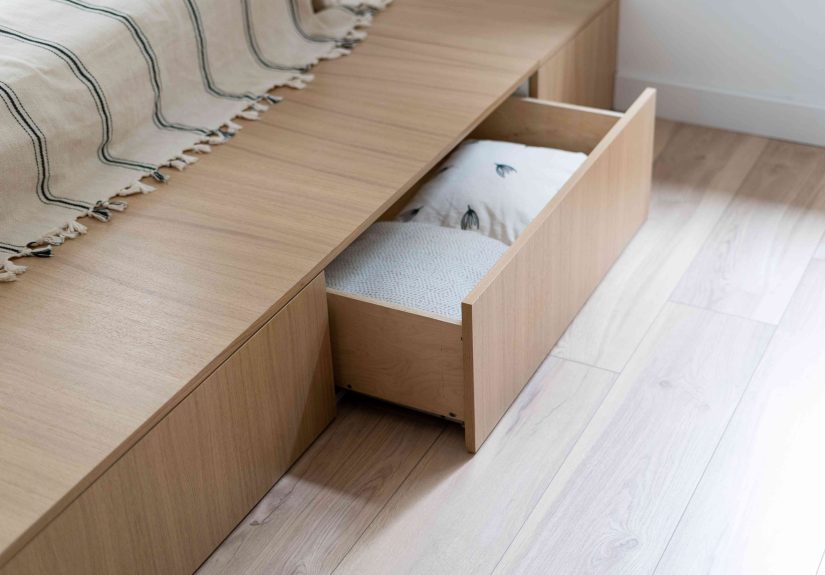
3) Under-Bed Storage: The Secret Real Estate You’re Already Paying For
Under-bed storage is the MVP for small spaces. It’s out of sight, easy to access, and doesn’t require you to negotiate with your
closet like it’s a hostile roommate.
Make it work without chaos
- Measure bed clearance before buying anything. (A storage case that’s ½ inch too tall is the villain origin story no one needs.)
- Use a zippered, dust-resistant caseideally one with a little ventilation.
- Store flat to keep the comforter evenly shaped and easier to stack.
Pro tip
Put “most-used seasonal comforter” closest to the edge. Don’t bury it like a time capsule.
4) Vacuum-Seal Bags: Maximum Space Savings (With One Big Rule)
Vacuum storage bags can shrink a bulky comforter down dramaticallygreat for seasonal swaps and guest bedding. The key is using
them strategically, not forever.
How to do it right
- Make sure the comforter is fully dry and cool (no warm-from-the-dryer moisture).
- Fold loosely so the fill isn’t sharply creased.
- Don’t overstuff the bagzippers work best when they’re not fighting for their lives.
- Vacuum out the air, then label the bag.
- If storing beyond a season, open and refold occasionally to help prevent stress on fibers and fill.
Best for
Synthetic fills, spare comforters, guest bedding, dorm life, and anyone playing closet Tetris on hard mode.
5) Hang It Up: Blanket Hangers and a “Back-of-the-Closet” Zone
If you have a spare closet (or even a sliver of space in a clothing closet), hanging can be a surprisingly gentle storage method
for bulky beddingespecially heavier blankets and some comforters.
What you need
- Sturdy hangers (wood or heavy-duty plastic)
- Blanket hangers or clamp-style hangers for bulky items
- A dust cover (breathable garment bag is ideal)
Why it’s great
Hanging reduces hard fold lines and keeps bedding accessible. It’s also a strong choice if you rotate comforters often.
6) Storage Bench or Ottoman: Bedroom-Friendly and Guest-Ready
A storage bench at the foot of the bed (or an ottoman with hidden storage) is like having a tiny, polite closet that doesn’t talk
back. It’s ideal for the comforter you actually use, plus an extra throw or two.
Make it last
- Line the inside with a clean cotton sheet if the interior material feels rough or dusty.
- Don’t overpackcompression can flatten loft over time.
- Keep a “grab-and-go” set inside for surprise cold snaps.
7) Cedar Chest or Trunk: The Classic “Grown-Up” Move
A cedar chest (or even a well-made trunk) is timeless, looks great, and can help protect bedding. If you’re storing a comforter
long-term, this is a solid upgradeespecially when paired with breathable wrapping.
Do it safely
- Make sure the chest is dry and clean.
- Line it with a cotton sheet to avoid direct contact with wood oils or finishes.
- Layer smart: heavy items on bottom, lighter on top.
- Avoid damp basements unless the space is truly climate-controlled.
8) Decorative Basket Storage: Cozy, Visible, and Weirdly Motivating
If your comforter is more “quilted” or lightweight, basket storage can workespecially in living spaces where you want a cozy look
without blanket avalanches. Big baskets also make cleanup fast: fold, toss, pretend you’re effortlessly organized.
Tips for basket success
- Roll comforters to minimize wrinkles and maximize “Pinterest energy.”
- Pick a basket with enough structure so it doesn’t slump like a tired houseplant.
- Wash or rotate items occasionally if they’re in open air and collecting dust.
9) Linen Closet Level-Up: Dividers, Bins, and a “Most-Used Middle Shelf” Rule
Linen closets aren’t usually too small. They’re usually just… unmanaged. The fix: give bedding a simple system so it stacks
neatly and stays findable.
A simple closet map
- Middle shelves: everyday sheets, pillowcases, and the comforter you actually use.
- Top shelves: seasonal and guest comforters, extras, and bulky items.
- Bottom shelves: bins for odd pieces, backup pillows, and “I’ll deal with it later” items (but labeled).
Add two cheap upgrades
- Shelf dividers to stop stacks from toppling like a domino show.
- Structured bins with lids for rarely used itemstidy, stackable, and easy to pull out.
10) Long-Term Storage Checklist: When the Comforter Is Going Off the Grid
Storing a comforter for months (or longer) calls for a little extra careespecially if you’re using a guest room closet, storage
unit, or “we’ll-open-this-in-spring” corner.
The checklist
- Clean + fully dry before storage.
- Use breathable containment (cotton/canvas bag) for long-term; use vacuum only if you plan to rotate or open periodically.
- Choose a stable environment: cool, dry, dark, and away from major heat/cold swings.
- Keep it off the floor if possible (shelf or raised platform) to reduce moisture risk.
- Add a gentle freshness strategy: lavender sachets or cedar, plus moisture absorbers if your space runs humid.
- Label clearly: size, season, and room.
Common Comforter Storage Mistakes (and How to Dodge Them)
- Storing in thin plastic bags: they can trap moisture and lead to musty odors or worse. Choose breathable options for long-term storage.
- Stashing in hot attics or damp garages: temperature swings and humidity are rough on fibers and fill.
- Over-compressing delicate fills: down and lofty fills can lose fluff if crushed for too long.
- Skipping labels: you’ll “remember later” until later becomes never.
- Using harsh pest products: opt for safer freshness helpers like cedar or lavender instead of stinky, high-risk options around kids/pets.
Conclusion: Your Closet Deserves Peace (and So Do You)
The best comforter storage ideas aren’t complicatedthey’re consistent. Keep bedding clean and dry, pick breathable storage when
you can, use vacuum bags when you need the space, and create a simple system you’ll actually maintain. Once you do, seasonal
swaps stop being a sweaty, fabric-based boss fight.
Extra: Experiences and Lessons That Make Comforter Storage Easier (500+ Words)
Let’s talk about the part nobody warns you about: comforter storage isn’t just “where do I put it?” It’s “how do I keep it from
coming out of storage looking like it survived a shipwreck?” Here are a few real-world-style scenarios (the kind that happen in
totally normal homes) and the lessons they tend to teachsometimes the hard way.
Experience #1: The Musty Surprise (AKA: Moisture Is Sneakier Than You Think)
A common story: someone washes a comforter, dries it, folds it warm, seals it in a plastic bag, and pats themselves on the back.
Months later, it comes out with a faint “vintage gym locker” vibe. Why? Warm fabric can hold hidden moisture, and plastic can
trap that humidity. Even if it’s not visibly damp, it can still be damp enough to create musty odors over time.
Lesson: let comforters cool completely before storing. If you can, give them a short air-out period on a bed or
drying rack. And for longer storage, lean breathable (cotton/canvas bags or ventilated cases) over thin plastic.
Experience #2: The Down Comforter Pancake
Vacuum bags feel like magic. You put a giant comforter in, remove the air, and suddenly it’s the size of a thick pizza box.
Incredible. But sometimes, months later, you pull out a down comforter and it looks… discouraged. Not ruinedjust flatter than
you’d like, and clumpy until it’s aired and fluffed.
Lesson: vacuum storage is best treated like a seasonal strategy, not a decade-long retirement plan. If you’re
storing down, plan to rotate it: open it, shake it out, and refold it once in a while. When it comes back into rotation, give
it time to loft upsometimes a low-heat tumble with dryer balls helps restore fluff (always follow the care label).
Experience #3: Under-Bed Storage… That Doesn’t Fit Under the Bed
This one is almost a comedy sketch: you buy a sleek under-bed case, you pack it beautifully, you slide it toward the bed… and it
stops dead. Not because you did anything wrong, but because bed frames vary, rugs add height, and some “under-bed” products are
designed for beds that sit higher than yours.
Lesson: measure clearance first, then shop. If clearance is tight, choose lower-profile zippered bags instead of
rigid bins. If you’re committed to bins, bed risers can create extra spacejust make sure your bed remains stable and safe.
Experience #4: The Labeling Redemption Arc
Lots of people start with good intentions and no labels. They figure, “I’ll remember which one is which.” But “later” arrives at
11:30 p.m. when guests are sleeping over, and you’re holding two identical storage bags wondering which contains the queen
comforter and which contains the twin. You pick wrong. Now you’re doing bedding origami under pressure.
Lesson: label like you’re helping a stranger (because Future You is basically a stranger with less patience).
Add size + season + room: “King / Winter / Primary” or “Queen / Guest / All-Season.” If your bags have a clear pocket, even
better. If not, a simple tag tied to the handle works.
Experience #5: The “Where Did My Closet Go?” Moment
Comforters tend to multiply. You buy a spare for guests. You keep an older one “just in case.” You inherit a quilt. Suddenly
your closet is 30% bedding, 20% clothing, and 50% regret. The fix usually isn’t finding one perfect storage productit’s choosing
a storage method that matches how you actually live.
Lesson: if you rotate comforters often, store them accessibly (bench, closet shelf, breathable bag). If you only
need them seasonally, vacuum bags and under-bed storage can be game changers. And if you truly haven’t used a comforter in over a
year, it might be time to donate itbecause “just in case” is how closets become folklore.
Bottom line: the most successful comforter storage setups are the ones that reduce friction. Make it easy to put away, easy to
find, and hard for moisture and pests to cause trouble. Your comforters stay fresh, your space stays calm, and you stop having
dramatic late-night arguments with a zipper.