Table of Contents >> Show >> Hide
- Why “Knowing” Is Hard (and Why Your Notes Beat Your Gut)
- The 11 Steps to Tell If Something Could Be Cancer (and What to Do Next)
- Step 1: Start with the “Normal Functions” Checklist
- Step 2: Do a Nose-to-Tail “Hands-On” Check Once a Month
- Step 3: Investigate Any New Lump, Bump, or SwellingEspecially if It Changes
- Step 4: Watch for Sores That Don’t Heal (or Keep Returning)
- Step 5: Track Weight and Appetite Like You’re Training for the Olympics (Low Effort Version)
- Step 6: Pay Attention to Energy, Stamina, and “Personality Drift”
- Step 7: Check the Mouth, Nose, and “Other Openings” for Odor, Bleeding, or Discharge
- Step 8: Watch for Trouble Eating, Swallowing, or Chewing
- Step 9: Take Lameness SeriouslyEspecially Persistent Limping or Bone Pain
- Step 10: Notice Breathing Changes, Coughing, or Belly Swelling
- Step 11: Bring Your Vet the “Receipts” and Ask About Diagnostics
- What Not to Do (Because the Internet Is a Wild Place)
- When to Seek Care Fast (Same Day/Urgent)
- FAQ: The Questions Everyone Googles at 2:00 a.m.
- Conclusion
- of Real-World Experience (What Owners Notice First)
Quick reality check (with love): you can’t diagnose cancer at homeonly a veterinarian can. What you can do is notice early warning signs, track changes like a responsible detective, and get your dog seen sooner rather than later. That matters because many cancers respond better when caught early, and even when they don’t, early care can mean less pain and a better quality of life.
Also, please don’t panic-scroll yourself into a hole. A lump can be a benign fatty mass. Bad breath can be dental disease. Limping can be a sprain. The goal isn’t to declare “cancer!”it’s to recognize when something is not normal for your dog and deserves a vet visit.
Why “Knowing” Is Hard (and Why Your Notes Beat Your Gut)
Cancer in dogs can show up in obvious ways (like a growing mass) or in sneaky, boring ways (like “my dog is just… not himself lately”). Many warning signs overlap with infections, arthritis, allergies, or digestive problems. That’s why the most powerful tool you have isn’t a hunchit’s patterns over time:
- What changed?
- How fast did it change?
- Is it getting worse, staying the same, or coming and going?
- Does it affect eating, drinking, peeing, pooping, breathing, or sleeping?
The 11 Steps to Tell If Something Could Be Cancer (and What to Do Next)
-
Step 1: Start with the “Normal Functions” Checklist
If your dog’s normal routines suddenly changeespecially eating, drinking, urinating, defecating, breathing, or sleepingtreat it like a real clue, not a quirky phase. Big red flags include struggling to poop or pee, repeated vomiting/diarrhea, coughing that doesn’t quit, or new accidents in the house (especially in a previously reliable adult dog).
Do next: write down what changed and when. If breathing is labored, your dog collapses, the belly balloons suddenly, or there’s significant bleedingskip this article and go to urgent care now.
-
Step 2: Do a Nose-to-Tail “Hands-On” Check Once a Month
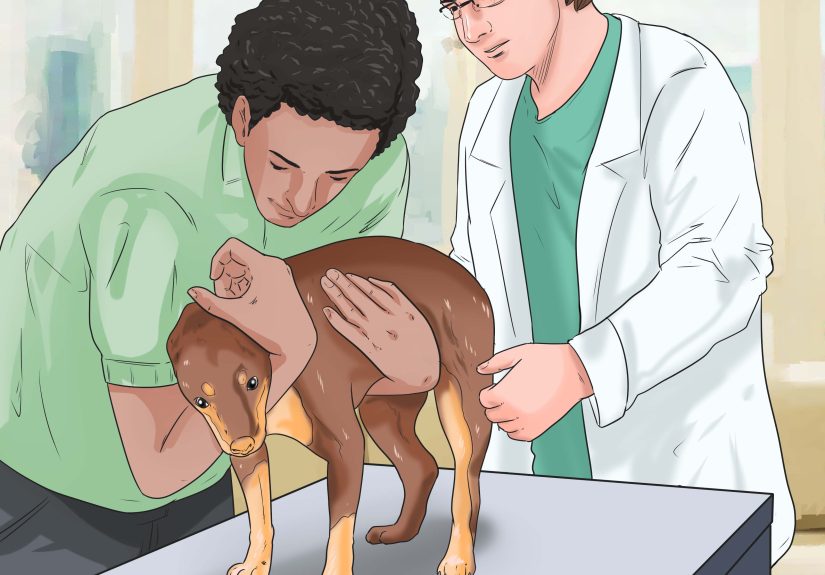
Petting is not the same as checking. A monthly quick exam helps you notice new lumps early. Run your hands over the neck, chest, belly, legs, and tail base. Feel under the jaw, in the armpits, and in the groin where lymph nodes can enlarge.
Pro tip: do it after a bath or during calm couch time. Your dog will assume it’s a spa day, not a medical investigation.
-
Step 3: Investigate Any New Lump, Bump, or SwellingEspecially if It Changes
Not all lumps are cancer. But you can’t reliably tell by feel alone. Concerning features include a mass that appears suddenly, grows quickly, changes shape/texture/color, ulcerates, or seems painful/itchy. Swelling anywhereespecially if it persistsalso deserves attention.
Do next: take a clear photo with a coin for size reference, measure it (yes, like a tiny science project), and call your vet if it’s new or changing.
-
Step 4: Watch for Sores That Don’t Heal (or Keep Returning)
A scrape that won’t heal, a “hot spot” that never fully resolves, or a wound that keeps reopening can be a red flag. Cancer isn’t the only causechronic infection, allergies, and immune issues can do this toobut non-healing skin problems should be evaluated.
Do next: avoid over-the-counter creams unless your vet recommends them (some can irritate skin or hide what’s really happening). Get it examined.
-
Step 5: Track Weight and Appetite Like You’re Training for the Olympics (Low Effort Version)
Unexplained weight loss is one of the most common “something’s wrong” signs in dogs, including cancer. Appetite changes can go either direction: some dogs eat less; others act hungry but still lose weight. Weight loss plus vomiting/diarrhea, or weight loss plus lethargy, is especially concerning.
Do next: weigh your dog monthly (many pet stores or clinics have scales). If your dog drops weight without a diet change, schedule a vet visit.
-
Step 6: Pay Attention to Energy, Stamina, and “Personality Drift”
Owners often describe early cancer signs as “He’s just not himself.” Maybe your dog stops begging for treats (tragic), sleeps more, avoids stairs, or quits mid-walk. Systemic illness can cause inflammation, anemia, or painleading to subtle behavior changes before anything obvious appears.
Do next: note what’s different (walk length, play interest, jumping ability) and how long it’s been going on.
-
Step 7: Check the Mouth, Nose, and “Other Openings” for Odor, Bleeding, or Discharge
Offensive odor isn’t automatically cancer (dental disease is extremely common), but tumors in the mouth, nose, or anal area can cause strong, unusual smells. Unexplained bleeding or discharge from the nose, mouth, urinary tract, or rectum should be taken seriously.
Do next: if you see blood, don’t “wait it out.” Call your vet. Bring notes: how much, how often, and from where.
-
Step 8: Watch for Trouble Eating, Swallowing, or Chewing
Dropping food, chewing on one side, pawing at the mouth, or new reluctance to eat hard kibble can point to oral pain. Dental problems are commonbut oral tumors exist too, and they’re easier to address early. Also watch for excessive drooling, especially if new.
Do next: schedule an oral exam. Don’t try to force the mouth open if your dog is painfulnobody needs that kind of drama.
-
Step 9: Take Lameness SeriouslyEspecially Persistent Limping or Bone Pain
Dogs sprain things. Dogs also get arthritis. But persistent lameness, swelling of a limb, or pain that doesn’t improve as expected can sometimes be linked to cancers involving bone or joints. If your large-breed dog suddenly refuses to bear weight, it’s worth prompt evaluation.
Do next: don’t keep “resting it” for weeks without improvement. If limping persists or worsens, get an exam and imaging as recommended.
-
Step 10: Notice Breathing Changes, Coughing, or Belly Swelling
Chronic cough, new exercise intolerance, or labored breathing can have many causes (heart disease, infection, airway disease), but cancer can also involve the chest. Abdominal swelling or a distended belly can signal fluid, organ enlargement, or massessome of which are urgent.
Do next: if breathing is difficult or the belly suddenly enlarges, treat it as urgent. For slower changes, schedule a visit soon and ask about imaging.
-
Step 11: Bring Your Vet the “Receipts” and Ask About Diagnostics
Here’s where you level up from “worried pet parent” to “helpful teammate.” Your vet may recommend:
- Physical exam (including lymph node checks)
- Bloodwork and urinalysis to assess organ function and detect problems like anemia or inflammation
- Imaging (X-rays, ultrasound; sometimes CT/MRI)
- Sampling a mass: fine-needle aspiration (FNA) for cytology, or a biopsy for histopathology
Many external lumps can be sampled quickly and safely. A biopsy may be needed to confirm the exact tumor type and guide treatment decisions.
Do next: bring photos, measurements, and a timeline. Ask, “What are the top causes you’re considering, and what test gets us the most useful answer first?”
What Not to Do (Because the Internet Is a Wild Place)
- Don’t assume a lump is “just a fatty tumor.” Many arebut confirmation matters.
- Don’t squeeze, lance, or pop anything. If it’s infected, you can spread bacteria; if it’s cancer, you can complicate sampling and healing.
- Don’t delay for months because your dog “acts fine.” Dogs are masters at hiding discomfort.
- Don’t self-medicate with human pain meds. Some are toxic to dogs.
When to Seek Care Fast (Same Day/Urgent)
Call your vet or an urgent clinic right away if you see:
- Labored breathing, blue/pale gums, or collapse
- Sudden, significant abdominal swelling or weakness
- Uncontrolled bleeding
- Repeated vomiting with inability to keep water down
- Severe pain or sudden inability to use a limb
FAQ: The Questions Everyone Googles at 2:00 a.m.
Can a dog have cancer and act normal?
Yes. Some cancers are slow-growing or internal and don’t cause obvious symptoms early. That’s why monitoring and routine exams matterespecially for older dogs.
Is one symptom enough to worry?
One symptom is a reason to pay attentionnot necessarily a reason to panic. The bigger concern is persistence, progression, or multiple symptoms together (like weight loss + lethargy + vomiting).
What’s the most common “first sign” owners notice?
A new or changing lump is a classic first discovery. Close runners-up: appetite changes, weight loss, and “my dog is slowing down.”
Conclusion
Knowing if your dog has cancer isn’t about becoming an amateur oncologistit’s about becoming a better observer. Do monthly hands-on checks, track changes in normal functions, and take persistent issues seriously. Most importantly, don’t carry the worry alone: your veterinarian can sort out what’s benign, what needs testing, and what needs treatment. When in doubt, get it checked. Peace of mind is a valid medical outcome, too.
of Real-World Experience (What Owners Notice First)
Below are common real-life patterns veterinarians and dog owners describenot a substitute for medical advice, but a way to recognize how cancer concerns often show up in everyday life.
1) The “It’s Probably Just a Lipoma” Lump
A family notices a soft, squishy lump on their senior dog’s side while scratching the “favorite spot.” Everyone’s calm because they’ve heard older dogs get harmless fatty tumors. The dog isn’t bothered, so they wait. Two months later, the lump is bigger and feels differentfirmer around the edgesand the dog has started licking it. The vet does a quick fine-needle sample. Sometimes it’s still benign (and everybody celebrates). Other times, it’s a tumor that needs removal while it’s small and easier to manage. The lesson owners repeat afterward is simple: the earlier they checked it, the fewer “what ifs” they carried around.
2) The “Bad Breath” That Isn’t Just Bad Breath
Another owner thinks their dog’s breath smells like a dumpster behind a seafood restaurant (said with affection). They assume it’s dental tartar and add a new chew. The smell persists, and the dog begins dropping kibble or chewing on one side. At the exam, the vet spots an abnormal growth in the mouth that needs further evaluation. Oral issues are tricky because dental disease is incredibly commonbut that also means it’s easy to miss something more serious if you never look. Owners often say the turning point wasn’t the odor itself; it was the new eating behaviorsubtle, but real.
3) The “Lazy Phase” That’s Actually Pain
A once-playful dog starts skipping the zoomies and hesitates before jumping into the car. The owner blames aging, weather, or “he’s being dramatic.” Weeks pass. The dog begins limping intermittently, especially after exercise. An exam and X-rays reveal a bone problem that can’t be shrugged off. Whether it’s cancer, arthritis, or injury, persistent pain deserves a diagnosis. Owners who go through this often wish they’d trusted the earliest sign: the dog didn’t become lazyhe became uncomfortable.
4) The “Everything’s Fine… Except the Bathroom Stuff” Clue
Some dogs don’t show a lump at all. Instead, they strain to poop, take longer to pee, or have accidents when they never used to. Owners sometimes try dietary tweaks, assuming it’s constipation or a sensitive stomach. But when the pattern keeps repeatingespecially with blood in stool/urine or ongoing diarrheavets start looking deeper. People are often surprised by how many serious conditions first look like “just a digestion issue.” The win here is noticing duration: a single off day happens; a persistent pattern is information.
Takeaway from these stories: the earliest signals are usually not dramatic. They’re small changes that persist. Your dog can’t say, “Hey, something feels off.” But they can show youthrough habits, appetite, energy, movement, and those weird little lumps you find during couch cuddles. Your job isn’t to diagnose; it’s to notice and act.