Table of Contents >> Show >> Hide
- What Is “Crusadia Connected” About?
- Why The “36 Pics” Format Works So Well
- The Secret Sauce: Why This Comic Feels Familiar In A Good Way
- How “Crusadia Connected” Fits The Modern Webcomic Boom
- What The Comic Gets Right From A Storytelling Standpoint
- The Creator Journey Is Part Of The Appeal
- Why Readers Love Watching A World Expand
- 500 More Words On The Real Experience Of Making And Following A Comic Like This
- Final Thoughts
- SEO Tags
Some creators launch a webcomic with a whisper. Others kick the door open, toss 36 images on the table, and say, “Here, I made this weird, ambitious fantasy thing. Please be nice, but also please be honest.” That is the energy behind Crusadia Connected, a fantasy webcomic that feels like it was raised on big anime swings, video game logic, and the deeply relatable human belief that saving the world would be easier with a good party lineup and snacks.
At first glance, the title sounds like a classic creator post: a little excited, a little nervous, and about three seconds away from refreshing the comments for validation. But the comic itself is more than a casual upload. It is a serialized fantasy webcomic built for digital readers, shaped around the fast, vertical-scroll rhythm that has helped platforms like WEBTOON Canvas and Tapas turn indie comics into a full-blown reading habit. And yes, that means this is the kind of comic you can devour on your phone while pretending to answer emails.
What Is “Crusadia Connected” About?
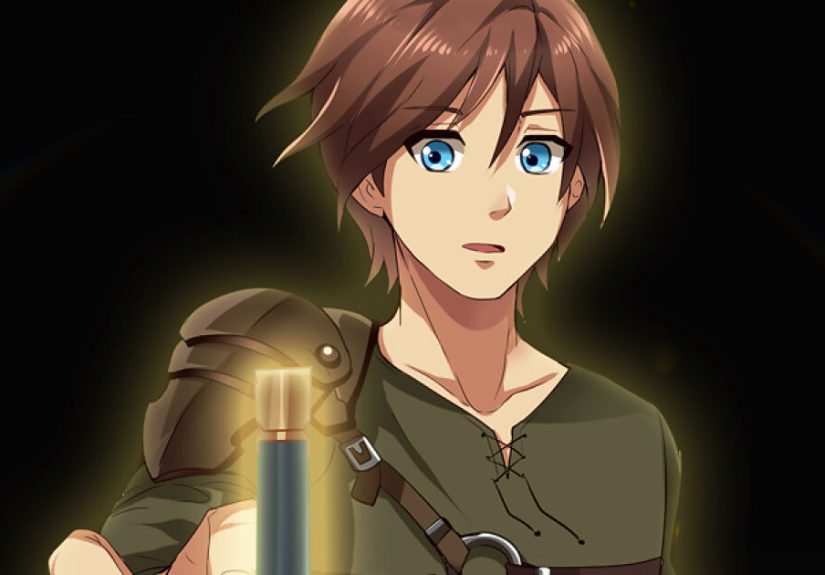
Crusadia Connected drops readers into a near-future world where an enormously popular virtual reality game has become a cultural event, a social hangout, and a battlefield all at once. The series centers on Alexander, a low-ranking but naturally gifted player who gets pulled into a global tournament centered on the legendary Hikari sword, an artifact tied to the power needed to defeat the evil demi-god Chronos. He is joined by allies including Alphonso, Mina, and Xixi, giving the story the team-based chemistry that every good adventure series needs. Because let’s be honest: a lone hero is dramatic, but a hero with friends is better for dialogue and way better for chaos.
The setup blends several recognizable influences without feeling like a carbon copy. The creator has described the project as a shonen-flavored hybrid with vibes reminiscent of Sword Art Online, Final Fantasy, and a little One-Punch Man. That combination tells you a lot right away. Expect tournament energy, friendship-fueled momentum, flashy powers, game mechanics, and a tone that can pivot from earnest to funny without needing a permission slip.
Why The “36 Pics” Format Works So Well
The “36 pics” packaging is not just a catchy headline. It is smart webcomic marketing. In the scrolling-comic world, readers do not always commit to a whole series immediately. They sample. They lurk. They say things like, “I’ll read one chapter,” and then wake up emotionally attached to a side character with suspiciously good hair. A gallery-style post is a low-friction entry point: fast, visual, and easy to share.
That matters because webcomics live or die by first impressions. The opening has to introduce tone, style, and stakes quickly. A reader on mobile is not sitting down with a hardcover and a latte. They are scrolling between tasks, notifications, and at least one message they really should answer. The best digital comics understand that reality and use it. Crusadia Connected benefits from that format because its fantasy premise is instantly legible: game world, rising stakes, energetic cast, big quest, go.
The Secret Sauce: Why This Comic Feels Familiar In A Good Way
There is a reason fantasy webcomics built around games, tournaments, and power systems perform well online. They tap into a structure readers already understand. Rules create momentum. Progress creates anticipation. Teams create emotional investment. In Crusadia Connected, the game setting gives the creator a flexible playground for action scenes, character growth, rivalries, lore drops, and those delicious “something is definitely not right here” moments that keep readers coming back.
The tone also helps. A lot of indie fantasy comics struggle because they take themselves so seriously that the panels begin to feel like they are wearing tuxedos. This one has a lighter pulse. Even when the stakes rise, the comic still leaves room for personality, banter, and visual fun. That balance is important. Readers want danger, sure, but they also want someone to say something ridiculous right before the boss fight.
How “Crusadia Connected” Fits The Modern Webcomic Boom
If you have spent any time around online comics lately, you have probably noticed that the vertical-scroll comic is no longer a niche format. It is a major storytelling lane. Platforms built around mobile reading changed how comics are consumed, and that shift has influenced everything from indie creator launches to big publisher strategy. The reason is simple: phone-friendly comics are easy to start, easy to binge, and easy to share.
That environment creates real opportunity for series like Crusadia Connected. A fantasy comic with strong hooks, consistent updates, and clear character dynamics is exactly the kind of work that can build a loyal audience one episode at a time. Digital comic readers often reward momentum. Give them a reason to care, a reason to laugh, and a reason to hit “next,” and suddenly you are not just posting art online. You are building a habit.
Built For The Thumb, Not The Page Turn
Traditional comics are paced around the page turn. Webcomics are paced around the scroll. That sounds like a technical distinction, but it changes everything. Suspense can be stretched with spacing. Jokes can land harder with timing. Reveals can appear one beat later than expected, which is how you get that tiny burst of delight every time a panel drop actually works. It is basically stage magic for people holding a phone in one hand.
Crusadia Connected is well matched to this format because its DNA is episodic and action-oriented. It wants cliffhangers. It wants dramatic entrances. It wants power reveals and rival confrontations and emotional turns that hit right before the reader can talk themselves into sleeping like a responsible person.
A Series That Understands Audience Discovery
Another advantage is discoverability. Webcomic culture rewards creators who can meet readers where they already are: big reading platforms, shareable social posts, community forums, and image-based previews. The original “36 pics” presentation works as a bridge between casual curiosity and long-term readership. It says, “You do not have to marry the comic on the first date. Just read a few pages and see if sparks happen.” That is a good strategy, because online readers are cautious with their time and recklessly generous with their obsessions.
What The Comic Gets Right From A Storytelling Standpoint
One of the most appealing things about Crusadia Connected is that it embraces clarity. In fantasy storytelling, clarity is not boring. It is oxygen. Readers need to know who matters, what the goal is, why the quest matters, and what emotional currents are driving the cast. This comic gives readers a recognizable core: a talented underdog, a dangerous world, a legendary objective, and a party dynamic full of room for conflict and growth.
It also understands the usefulness of familiar archetypes. That is not an insult; that is storytelling efficiency. Archetypes are like the starter kit for emotional investment. The trick is not avoiding them. The trick is putting enough specific personality into them that they stop feeling generic. The team in Crusadia Connected works because each character helps shape the comic’s rhythm. One brings loyalty, one brings quiet intensity, one brings fire, and together they keep the narrative from flattening into a single-note hero showcase.
The Creator Journey Is Part Of The Appeal
There is another layer to the story here, and it is one of the reasons the title resonates: this is also a comic about making a comic. The creator has talked about spending nearly two years on the series and described the process as a crazy learning experience. That matters because readers do not just connect to polished pages; they connect to artistic momentum. They like seeing ambition in motion.
Even better, the project openly reflects growth. The creator noted that some later-uploaded chapters showed an evolving art style, and that earlier chapters had already been remade. That is one of the most honest things a comic creator can admit. Webcomics are public records of improvement. You do not wait until you are perfect. You publish, you learn, you redraw, you keep going. Somewhere between episode ten and episode twenty, your linework gets stronger, your pacing tightens, and your younger self starts looking at the archive like, “Wow, buddy, we were really experimenting with anatomy, huh?”
Why Readers Love Watching A World Expand
A webcomic like Crusadia Connected thrives on expansion. The more readers understand the game world, the stronger the hook becomes. Virtual worlds are especially useful for serialized storytelling because they naturally support layers: rules, factions, quests, rivals, mythology, upgrades, secrets, and looming threats. You can reveal one piece at a time without making the audience feel lost. Better yet, every new detail can feel like both world-building and plot progression.
That structure is catnip for fantasy fans. It invites theories. It rewards memory. It turns comments into mini strategy meetings. And because the cast is moving through a competitive, high-stakes environment, the story can generate tension from both external danger and interpersonal friction. That combination keeps the engine running. A good fantasy webcomic is not just asking, “Can they win?” It is also asking, “Who will change along the way, and at what cost?”
500 More Words On The Real Experience Of Making And Following A Comic Like This
There is something wonderfully chaotic about following a comic that clearly comes from a creator who is still leveling up in public. You can feel the effort page by page. The early episodes usually carry that brave, slightly scrappy energy of someone trying to get the whole movie in their head to fit inside the limits of panels, dialogue, backgrounds, and actual human time. Then, gradually, things sharpen. Characters stand with more confidence. Action reads more cleanly. Jokes land faster. Emotional beats stop announcing themselves and start trusting the art. Watching that happen is one of the best parts of being an online comics reader.
And from the creator side, the experience is equal parts thrilling and absurd. Making a webcomic means becoming a writer, director, storyboard artist, editor, marketer, and occasional emergency therapist for your own motivation. One day you are plotting a dramatic reveal involving a legendary sword and ancient evil; the next day you are muttering at a screen because drawing hands still feels like negotiating with tiny cursed octopuses. It is glamorous in the way camping is glamorous: beautiful in photos, slightly feral in real life.
That is why a project like Crusadia Connected feels relatable even beyond its fantasy premise. At its core, it is about building something big before you are entirely sure you know how. A lot of creators start there. They begin with influences they love, a cast they believe in, and a story that feels too alive to leave alone. Then the hard part begins. They have to turn inspiration into routine. They have to keep producing when the exciting idea becomes actual labor. They have to make peace with the fact that the version in their head will always be shinier than the version they can finish this week.
Readers sense that effort. They may show up for the battle scenes or the game-world hook, but they often stay because they can see the creator caring in real time. Every revised chapter, every improved composition, every cleaner emotional beat becomes part of the experience. It is not just “read this comic.” It becomes “watch this comic become itself.” That is a powerful thing.
There is also a unique pleasure in seeing a fantasy webcomic embrace earnestness without apology. Modern internet culture loves irony, but stories like this work because they are willing to mean it. Friendship matters. Courage matters. Rivals matter. Legendary weapons are cool. Transformations are cool. A hero stepping up when it counts is still cool, and no amount of online cynicism can take that away. In fact, in a crowded digital world, sincerity can be the secret weapon.
So when a creator says, “I made a webcomic called Crusadia Connected,” what they are really saying is bigger than the headline. They are saying they committed to a long-form idea, learned in public, took creative risks, and built a world designed to entertain strangers one scroll at a time. That deserves attention. It also deserves the kind of feedback that helps a comic grow: honest, specific, and generous. Because every memorable series starts somewhere, and sometimes that “somewhere” is a 36-picture post that turns a curious scroll into a new fandom.
Final Thoughts
Crusadia Connected works because it understands both halves of the assignment. It has the ingredients fantasy readers want: quests, team dynamics, escalating stakes, lore, rivals, and a world built around a compelling game premise. But it also understands the digital side of modern comics: hook the reader quickly, pace for the scroll, stay visually inviting, and make each episode feel like an invitation rather than homework.
That balance is what gives the comic its charm. It feels ambitious without becoming unreadable, familiar without feeling stale, and personal without becoming self-indulgent. In a crowded online comics landscape, that is not a small achievement. It is the difference between a project that exists and a project that connects. And yes, the pun is absolutely intended. A webcomic called Crusadia Connected should probably connect. Thankfully, this one does.