Table of Contents >> Show >> Hide
- What an underactive thyroid actually does
- The biggest diet truth: there is no magic hypothyroidism menu
- Nutrients that deserve attention
- Foods and supplements that may affect thyroid medication
- So, where does alcohol fit in?
- A realistic eating pattern for hypothyroidism
- Common mistakes people make
- When to talk with your doctor or a dietitian
- What real-life experiences with underactive thyroid, diet and alcohol often feel like
- Conclusion
An underactive thyroid can make life feel like someone quietly swapped your batteries for decorative rocks. You are tired, cold, puffy, foggy, constipated, and somehow gaining weight while merely looking at toast. The good news is that hypothyroidism is treatable. The less-fun-but-still-helpful news is that diet does not magically “wake up” a sluggish thyroid all by itself. Food matters, yes. Alcohol matters, too. But neither replaces proper diagnosis, medication when prescribed, and a steady routine.
If you have hypothyroidism, the smartest approach is not a trendy cleanse, a seaweed obsession, or a fridge full of “thyroid booster” powders. It is a balanced eating pattern, sensible supplement choices, smart medication timing, and realistic alcohol habits. In other words: less miracle marketing, more consistency.
What an underactive thyroid actually does
Hypothyroidism happens when the thyroid gland does not make enough thyroid hormone. Those hormones help regulate how your body uses energy, so when levels run low, many body systems slow down. That is why symptoms can feel annoyingly broad: fatigue, weight gain, cold intolerance, dry skin, constipation, low mood, muscle aches, brain fog, and changes in menstrual cycles can all show up under the same hormonal umbrella.
In the United States, one of the most common causes is Hashimoto’s disease, an autoimmune condition in which the immune system gradually attacks the thyroid. Other causes include thyroid surgery, radiation treatment, thyroiditis, certain medications, and in rarer cases, problems involving iodine intake or the pituitary gland. That matters because the “best diet” depends partly on why your thyroid is underactive in the first place.
For most adults, treatment revolves around thyroid hormone replacement, usually levothyroxine. Think of it as replacing what your thyroid is no longer making reliably. Once the dose is right, many people feel dramatically better. But this is where diet enters the chat: certain foods, beverages, supplements, and eating patterns can affect how well your body absorbs that medication.
The biggest diet truth: there is no magic hypothyroidism menu
Let’s clear out the internet clutter first. There is no single “hypothyroidism diet” proven to cure an underactive thyroid. No berry, broth, powder, or dramatic carb funeral can replace thyroid hormone if your body truly needs it. That does not mean food is irrelevant. It means food supports treatment instead of replacing it.
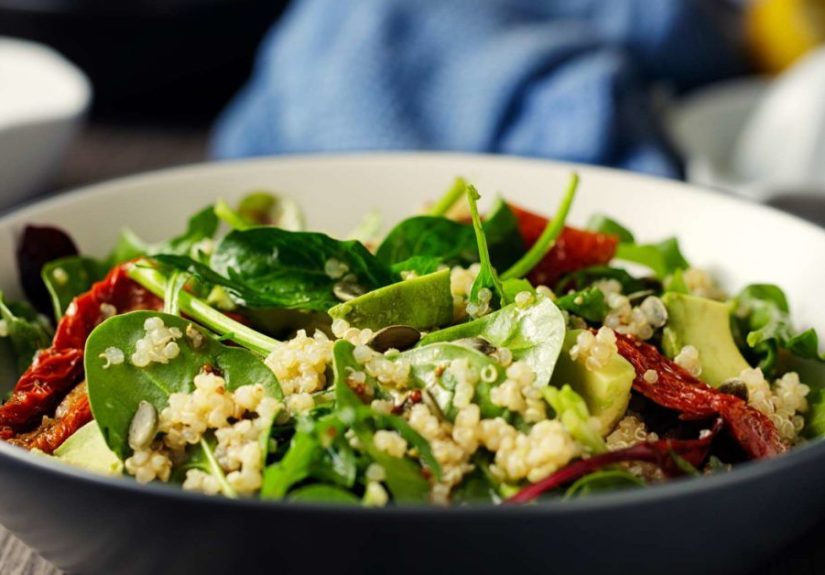
A helpful eating style for hypothyroidism is usually boring in the best possible way: vegetables, fruit, beans, whole grains, lean protein, dairy or fortified alternatives, nuts, seeds, and healthy fats. Not flashy. Not viral. Just effective. A balanced, anti-inflammatory pattern can help with energy, cholesterol, blood sugar, bowel regularity, and weight management, all of which matter because hypothyroidism can nudge those in the wrong direction.
If constipation is one of your least favorite thyroid souvenirs, enough fluids and a moderate amount of fiber can help. If fatigue is dragging you around like an emotional carry-on suitcase, balanced meals with protein and complex carbohydrates may feel steadier than living on pastries and caffeine. And if weight changes are part of the picture, portion awareness matters more than mythical “thyroid-burning foods.”
Nutrients that deserve attention
Iodine: essential, but not a free-for-all
Your thyroid needs iodine to make thyroid hormone. That part is true. The part social media forgets to mention is that more iodine is not automatically better. In the United States, iodine deficiency is relatively uncommon, and many people get enough from iodized salt, dairy, seafood, eggs, and fortified foods. Taking extra iodine when you do not need it can actually backfire and worsen thyroid problems.
That is why kelp supplements and “thyroid support” pills can be a bad bargain. They often contain very high amounts of iodine, and some are sold with a halo of wellness nonsense that they absolutely have not earned. If your clinician has not told you that you need iodine, do not assume a seaweed capsule is doing your thyroid a favor.
Selenium: useful, but food first makes sense
Selenium helps support normal thyroid function, and the thyroid uses it in hormone-related processes. Foods such as seafood, eggs, poultry, dairy, and some nuts contain selenium. Brazil nuts get talked about a lot because they are rich in selenium, but this is not a license to eat them like popcorn. More is not always merrier with trace minerals.
Most people do better focusing on selenium-rich foods rather than casually stacking supplements. If you are thinking about taking a selenium supplement for Hashimoto’s or thyroid health, that is a conversation for your healthcare professional, not the internet stranger selling moon-dusted capsules.
Protein, fiber, and overall quality still matter
Hypothyroidism can slow digestion and make weight management tougher. Protein helps with satiety and muscle maintenance. Fiber helps bowel regularity. Whole foods can support energy and make it easier to eat in a way that does not feel like nutritional chaos. None of this is glamorous. It is just what works in real kitchens.
Foods and supplements that may affect thyroid medication
This is where people accidentally sabotage a perfectly good treatment plan. Levothyroxine works best when you take it consistently. If one morning it goes down with water on an empty stomach and the next morning it shares a crowded brunch table with coffee, calcium, and a multivitamin, your absorption may become less predictable. Your thyroid labs may then look like they were organized by raccoons.
Here are the usual problem-makers:
- Calcium supplements and antacids with calcium: These can interfere with absorption. They should generally be taken several hours apart from thyroid medication.
- Iron supplements and multivitamins with iron: Same issue. Space them away from your pill.
- Coffee: Even coffee can interfere when taken too close to thyroid medication. Your mug can wait a bit.
- Soy foods: You do not need to fear tofu like it insulted your family. But taking soy right around your medication is not ideal.
- Very high-fiber meals or fiber supplements: Fiber is healthy, but timing matters if it crowds your medication window.
A practical routine for many people is to take levothyroxine with water on an empty stomach, then wait 30 to 60 minutes before breakfast. Another option, for some patients, is bedtime dosing several hours after the last meal. The exact plan should match your doctor’s instructions and your real life. The key word is not “perfect.” It is consistent.
So, where does alcohol fit in?
Alcohol is not automatically forbidden for everyone with hypothyroidism. It is also not a health food, a treatment, or a secret thyroid hack. If you drink, the better question is not “Can I ever have a glass of wine again?” It is “How much, how often, and what happens to my symptoms when I do?”
For many adults with well-managed hypothyroidism, light or moderate alcohol intake may be tolerated. But moderation is the boring hero here. U.S. dietary guidance defines moderate drinking as up to one drink a day for women and up to two drinks a day for men, and less is better for health than more. Heavy drinking and binge drinking are where the wheels come off faster.
Why alcohol can be tricky with an underactive thyroid
First, hypothyroidism already tends to overlap with fatigue, sluggishness, low mood, sleep issues, constipation, and weight changes. Alcohol is not exactly famous for improving those. It can worsen sleep quality, add extra calories without much nutrition, dehydrate you, and make next-day fatigue feel even more dramatic. If your body already operates like it needs a software update, alcohol may not improve the user experience.
Second, drinking can make routines less reliable. That matters because thyroid medication works best when taken consistently. If “just one drink” turns into late-night pizza, sleeping in, and forgetting your morning pill, the issue is not that alcohol chemically cancels out your medication like a villain in a superhero movie. The issue is that it can throw off the habits that keep treatment steady.
Third, some people with hypothyroidism also deal with high cholesterol, weight struggles, reflux, liver concerns, or other conditions that alcohol can aggravate. In those cases, alcohol becomes less of a thyroid question and more of a whole-body negotiation.
When you may want to cut back harder
- If alcohol makes your fatigue, sleep, bloating, anxiety, or reflux worse.
- If you are trying to lose weight and weekend drinks keep turning into liquid calories plus snack chaos.
- If you binge drink, because that is risky regardless of thyroid status.
- If you have liver disease, certain medication interactions, or a history of alcohol use disorder.
- If your symptoms are poorly controlled and you are still trying to stabilize your routine.
In plain English: alcohol is rarely the star of a thyroid-friendly lifestyle. At best, it is an occasional extra that fits only if it does not make the rest of your health messier.
A realistic eating pattern for hypothyroidism
If you want a practical template, aim for this:
- Breakfast: After your medication window, choose something balanced such as eggs and fruit, Greek yogurt with berries, or oatmeal with nuts and seeds.
- Lunch: Build around protein, vegetables, and a satisfying carbohydrate. Think salmon with rice and greens, or a bean bowl with avocado.
- Dinner: Keep it simple and whole-food focused: chicken, tofu, beans, fish, potatoes, quinoa, roasted vegetables, soup, or a hearty salad.
- Snacks: Use snacks strategically, not recreationally. Cottage cheese, fruit, nuts, hummus, or a boiled egg work better than a random parade of sugary convenience foods.
- Hydration: Water matters, especially if constipation and fatigue are part of your symptom list.
You do not need to ban bread, fear broccoli, or conduct a dramatic breakup with dairy unless you personally notice a problem or your clinician recommends a specific change. Cooked cruciferous vegetables are fine for most people. Soy can still fit. Gluten does not need to be exiled unless you have celiac disease, gluten sensitivity, or personalized medical advice telling you otherwise.
Common mistakes people make
- Taking levothyroxine with coffee and calling it “multitasking.”
- Using kelp or iodine supplements without medical advice.
- Assuming every symptom is “just thyroid,” when iron deficiency, sleep apnea, depression, menopause, stress, or other conditions may also be involved.
- Trying to out-diet a medication problem instead of checking whether the dose or timing needs adjustment.
- Drinking enough alcohol to wreck sleep, then blaming the thyroid for the next-day exhaustion.
When to talk with your doctor or a dietitian
Reach out if your symptoms persist despite treatment, if you are thinking about taking iodine or selenium supplements, if your diet is highly restricted, or if you are struggling with weight, cholesterol, constipation, or alcohol habits. A registered dietitian can help turn “eat healthier” into an actual plan instead of a vague life ambition. And if your symptoms suddenly worsen, it may be time for lab work rather than another internet rabbit hole.
What real-life experiences with underactive thyroid, diet and alcohol often feel like
People living with hypothyroidism often describe the experience less like a dramatic medical event and more like a long season of not quite feeling like themselves. The mornings can be the first clue. Someone who used to wake up ready to function may suddenly feel as if they are moving through wet cement. They sleep a full night, maybe even more than usual, and still wake up tired. Breakfast becomes less about appetite and more about trying to reboot a body that did not get the memo.
Then the daily food questions start. Many people notice that they become hyperaware of every bite, because weight gain can happen even when they do not feel like they are eating wildly differently. That can lead to frustration, guilt, and a parade of internet searches promising that cutting one random food group will save the day. In real life, though, the experience is usually more nuanced. Some people feel better when they stop skipping meals and start eating more protein. Others realize constipation improves when they drink more water and eat enough fiber. And many find the biggest difference comes not from a miracle food, but from finally taking medication the same way every day.
Alcohol can be part of that learning curve, too. A person may notice that one or two drinks hit differently than they used to. Maybe they feel more drained the next morning. Maybe sleep gets lighter and more broken. Maybe the glass of wine itself is fine, but the late-night snacks, missed medication routine, and next-day sluggishness are not. That does not mean everyone with hypothyroidism must swear off happy hour forever. It means many people learn that alcohol is less “harmless treat” and more “do I want tomorrow’s version of me to deal with this?”
Another common experience is supplement confusion. Someone buys iodine drops, a thyroid blend, selenium capsules, probiotics, magnesium, and three products with leaves on the label because the packaging looks trustworthy and vaguely spiritual. Then they learn, often from an endocrinologist, that too much iodine can make things worse and that calcium or iron taken too close to levothyroxine can interfere with absorption. It is a humbling moment. Also an expensive one.
Eventually, many people settle into a rhythm. Medication with water. Breakfast later. Coffee after the waiting period. Balanced meals most of the time. Alcohol occasionally, and more intentionally. Better labs. Better energy. Not perfect, but noticeably better. That is often the real story of hypothyroidism: not a dramatic transformation from one magic diet, but a collection of small, steady habits that help someone feel normal again. And honestly, normal can feel pretty glorious when you have spent months feeling like a sleepy ghost in your own body.
Conclusion
Underactive thyroid, diet, and alcohol all connect, but not in the dramatic way the wellness world likes to suggest. Diet supports thyroid health and helps manage symptoms, but it does not replace treatment. Alcohol is not automatically off-limits, yet it can make fatigue, sleep, calorie balance, and medication consistency harder to manage if you are not careful. The most effective strategy is refreshingly unsexy: take medication correctly, eat a balanced diet, avoid unnecessary high-iodine supplements, be smart about timing around coffee, calcium, iron, soy, and fiber, and treat alcohol like an optional extra rather than a daily entitlement. Your thyroid may be underactive, but your plan does not have to be.