Table of Contents >> Show >> Hide
- What Are Triglycerides?
- Why Calories Matter More Than People Think
- Fats: Choose the Right Ones
- Carbs: The Biggest Surprise for Many People
- Alcohol and Triglycerides
- Exercise Helps Clear the Traffic
- Sample Triglyceride-Friendly Day
- Common Mistakes That Keep Triglycerides High
- When to Talk to a Healthcare Provider
- Real-World Experience: Making the Plan Livable
- Conclusion
High triglycerides sound like something that should come with a warning light on your dashboard. In a way, they do. Triglycerides are a type of fat in your blood, and when levels climb too high, they may increase the risk of heart disease, stroke, fatty liver issues, metabolic syndrome, and, at very high levels, pancreatitis. The good news? Triglycerides often respond beautifully to everyday lifestyle changesespecially the way you manage calories, fats, and carbohydrates.
This does not mean you need to live on steamed broccoli and sadness. Lowering high triglycerides is less about punishment and more about smart swaps: fewer sugary drinks, better fats, smaller portions, more fiber, regular movement, and meals that do not make your bloodstream feel like rush-hour traffic. Let’s break it down in plain English.
What Are Triglycerides?
Triglycerides are fats your body uses for energy storage. After you eat, calories that are not immediately needed are converted into triglycerides and stored in fat cells. Later, hormones release them between meals for fuel. That system is normal and usefuluntil there is too much fuel coming in too often.
For adults, triglyceride levels are commonly grouped like this:
- Normal: Less than 150 mg/dL
- Borderline high: 150 to 199 mg/dL
- High: 200 to 499 mg/dL
- Very high: 500 mg/dL or higher
If your result is high, your doctor may look at your full lipid panel, blood sugar, thyroid function, kidney and liver health, medications, alcohol intake, weight, waist size, and family history. Triglycerides rarely tell the whole story by themselves, but they are an important clue.
Why Calories Matter More Than People Think
Calories are not “bad.” They are energy. The problem begins when the body regularly receives more energy than it can use. Extra caloriesespecially from sugar, refined starches, alcohol, and oversized portionscan be converted into triglycerides. This is why even “low-fat” foods can raise triglycerides if they are loaded with sugar or eaten in large amounts.
Modest Weight Loss Can Make a Big Difference
For many people with mild to moderate high triglycerides, losing even 5% to 10% of body weight can significantly improve triglyceride numbers. That does not require a dramatic diet makeover. A realistic calorie reduction may look like:
- Replacing soda or sweet tea with water or unsweetened tea
- Using a smaller dinner plate
- Choosing grilled chicken instead of fried chicken
- Adding vegetables before going back for seconds
- Swapping late-night chips for Greek yogurt, berries, or a small handful of nuts
The goal is not starvation. In fact, crash diets often backfire because they are hard to maintain and can trigger overeating later. A steady, moderate approach is more effective and far less dramaticyour refrigerator does not need to become a courtroom.
Build Meals That Keep You Full
The easiest calorie strategy is to eat foods that satisfy you. Protein, fiber, and healthy fats slow digestion and help reduce cravings. A triglyceride-friendly plate might include:
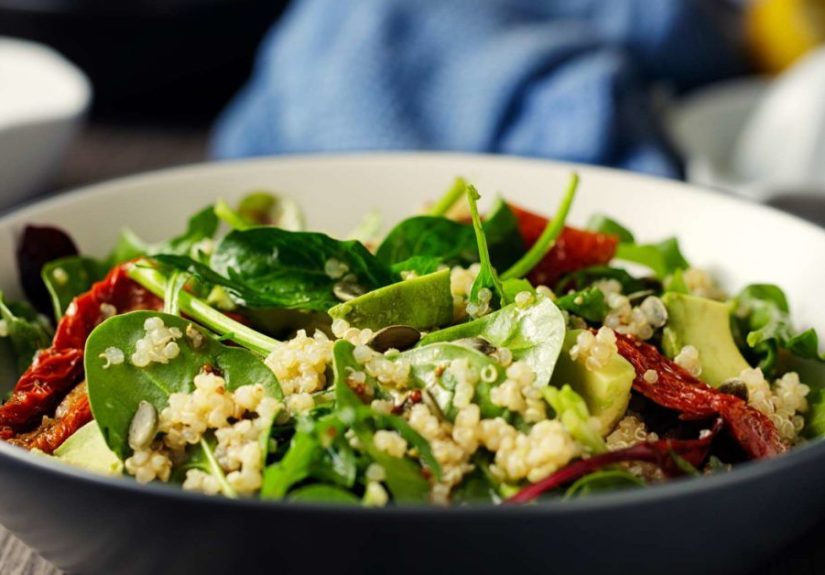
- Half the plate: Non-starchy vegetables such as broccoli, spinach, peppers, zucchini, salad greens, or green beans
- One quarter: Lean protein such as fish, chicken, turkey, tofu, beans, lentils, eggs, or low-fat Greek yogurt
- One quarter: High-fiber carbohydrates such as oats, brown rice, quinoa, barley, beans, sweet potato, or whole-grain bread
- A small amount of healthy fat: Olive oil, avocado, nuts, seeds, or nut butter
This structure naturally lowers calorie overload while improving nutrient quality. It also prevents the classic “I ate a salad and now I’m hungry enough to fight a vending machine” problem.
Fats: Choose the Right Ones
Fat is not the villain in the triglyceride story. The type and amount of fat matter. Some fats support heart health, while others can worsen cholesterol patterns and cardiovascular risk.
Limit Saturated and Trans Fats
Saturated fats are commonly found in fatty cuts of meat, bacon, sausage, butter, full-fat dairy, cheese-heavy meals, coconut oil, palm oil, and many packaged desserts. Trans fats, often listed as partially hydrogenated oils, are especially harmful and should be avoided as much as possible.
Instead of building meals around high-fat meats and fried foods, try:
- Salmon instead of ribs
- Turkey chili instead of sausage-heavy chili
- Olive oil instead of butter for cooking
- Low-fat yogurt instead of ice cream as a regular habit
- Roasted potatoes instead of French fries
Use Unsaturated Fats Wisely
Unsaturated fats from olive oil, canola oil, nuts, seeds, avocado, and fatty fish can fit well into a triglyceride-lowering eating pattern. But “healthy fat” still contains calories. Pouring olive oil like you are blessing the pasta may turn a smart choice into a calorie landslide.
A practical serving might be one tablespoon of olive oil, one quarter of an avocado, or a small handful of nuts. These portions add flavor and satisfaction without quietly doubling the meal’s calories.
Omega-3 Fats and Fish
Fatty fish such as salmon, sardines, trout, tuna, and mackerel contain omega-3 fatty acids. Eating fish a couple of times per week can support heart health. People with very high triglycerides may be prescribed high-dose omega-3 medication, but supplements should be discussed with a clinician because quality, dose, medication interactions, and LDL cholesterol effects can vary.
Very High Triglycerides May Require a Different Fat Plan
If triglycerides are 500 mg/dL or higher, diet advice may become stricter because pancreatitis risk rises. Some people with severe hypertriglyceridemia are advised by their healthcare team to follow a very-low-fat diet for a period of time, avoid alcohol completely, control blood sugar aggressively, and use medication. Do not self-treat very high triglycerides with a trendy diet. This is a “call the professional” situation, not a “let’s see what happens” situation.
Carbs: The Biggest Surprise for Many People
Many people assume triglycerides are mostly about eating fat. Actually, refined carbohydrates and added sugars are often the bigger drivers. Sugary drinks, white bread, candy, pastries, sweetened coffee drinks, fruit juice, large bowls of white rice, and frequent desserts can raise triglyceridesespecially when paired with excess calories or insulin resistance.
Cut Back on Added Sugar
Added sugar is one of the most important targets. It shows up in obvious places like soda, cookies, candy, and ice cream, but also in flavored yogurt, granola bars, bottled tea, sauces, cereals, and coffee drinks that are basically milkshakes wearing a business suit.
Simple sugar-cutting moves include:
- Choose water, sparkling water, or unsweetened tea instead of soda
- Use cinnamon, vanilla, or fruit to flavor plain yogurt
- Order coffee with less syrup or no syrup
- Choose whole fruit instead of fruit juice
- Save dessert for planned occasions instead of making it automatic
Choose High-Fiber Carbohydrates
You do not need to fear all carbs. Fiber-rich carbohydrates digest more slowly and are better for blood sugar, fullness, gut health, and long-term heart health. Good options include oats, barley, beans, lentils, peas, berries, apples, vegetables, quinoa, brown rice, and 100% whole-grain bread.
A helpful rule: choose carbs that still look close to how they came from nature. Oats beat frosted cereal. Beans beat chips. A baked sweet potato beats a pile of fries. Your triglycerides appreciate the upgrade.
Watch Portion Size
Even healthy carbs can become too much if portions are enormous. A bowl of brown rice the size of a small helmet is still a lot of starch. Try pairing smaller portions of starch with more vegetables and protein. For example, instead of two cups of rice with a little chicken, try one-half to one cup of rice with grilled chicken, vegetables, and a small amount of olive oil or avocado.
Alcohol and Triglycerides
Alcohol can raise triglycerides in some people, especially when intake is frequent, heavy, or paired with high-fat meals. Alcohol also adds calories and can make late-night eating more likely. If your triglycerides are high, reducing alcohol may help. If they are very high, your doctor may recommend avoiding alcohol completely.
This includes beer, wine, cocktails, and sugary mixed drinks. Unfortunately, a margarita does not become heart-healthy because it has lime in it.
Exercise Helps Clear the Traffic
Physical activity helps the body use triglycerides for energy and improves insulin sensitivity, weight management, blood pressure, HDL cholesterol, and overall cardiovascular health. Adults are commonly encouraged to aim for at least 150 minutes of moderate-intensity aerobic activity per week, such as brisk walking, cycling, swimming, or dancing.
You do not need to become a marathon runner. Start where you are:
- Walk 10 minutes after meals
- Take stairs when reasonable
- Use a standing break every hour
- Try two strength-training sessions per week
- Schedule exercise like an appointment
Post-meal walks are especially practical because they help with blood sugar and digestion. They also prevent the dangerous condition known as “becoming one with the couch.”
Sample Triglyceride-Friendly Day
Breakfast
Oatmeal topped with berries, chia seeds, and a spoonful of plain Greek yogurt. Coffee with little or no added sugar.
Lunch
Grilled chicken or tofu salad with leafy greens, beans, tomatoes, cucumbers, olive oil vinaigrette, and a small whole-grain roll.
Snack
An apple with a tablespoon of peanut butter, or carrots with hummus.
Dinner
Baked salmon, roasted vegetables, and a small serving of quinoa or sweet potato.
Dessert Option
Berries with plain yogurt or a small square of dark chocolate. Dessert can exist. It just does not need to run the household.
Common Mistakes That Keep Triglycerides High
Going Low-Fat but High-Sugar
Many low-fat packaged foods replace fat with sugar or refined starch. That may reduce fat grams on the label but still raise triglycerides. Look at added sugars and total carbohydrates, not just fat.
Drinking Calories
Soda, juice, sweet tea, sports drinks, energy drinks, and fancy coffee beverages can add hundreds of calories without making you feel full. Liquid sugar is one of the easiest things to reduce for faster improvement.
Ignoring Blood Sugar
High triglycerides often travel with insulin resistance, prediabetes, or type 2 diabetes. If blood sugar is high, triglycerides may stay high until glucose control improves. Ask your healthcare provider whether you need A1C testing or diabetes screening.
Depending Only on Supplements
Fish oil, fiber powders, and other supplements may help some people, but they cannot cancel out a diet high in sugar, alcohol, and excess calories. Lifestyle is the foundation. Supplements are not magic erasers.
When to Talk to a Healthcare Provider
Talk with a clinician if your triglycerides are 200 mg/dL or higher, and do so promptly if they are 500 mg/dL or higher. Also ask for medical guidance if you have diabetes, kidney disease, liver disease, thyroid disease, a history of pancreatitis, chest pain, pregnancy, or take medications that may affect triglycerides.
Medication may be recommended for some people, especially those with very high triglycerides or elevated cardiovascular risk. Lifestyle changes still matter even when medication is needed. Think of medication and lifestyle as teammates, not rivals competing for the trophy.
Real-World Experience: Making the Plan Livable
In real life, lowering high triglycerides is not a neat little checklist taped to the fridge. It is breakfast when you are late, lunch when coworkers order pizza, dinner when you are tired, and snacks when your brain starts whispering, “Just one cookie,” with suspicious confidence. The most successful approach is usually the one that fits into normal life without requiring a personality transplant.
A helpful first step is to identify the biggest triglyceride “leak” in your routine. For many people, it is not dinner. It is drinks. A sweet coffee in the morning, soda at lunch, juice in the afternoon, and a cocktail at night can quietly add a large amount of sugar and calories. Replacing just one or two of those with water, unsweetened tea, or sparkling water can create progress without changing every meal.
Another practical experience is learning to build a better default breakfast. Many common breakfasts are refined-carb festivals: white toast, sugary cereal, muffins, pastries, or sweetened coffee. They taste good, but they often leave you hungry again quickly. A better breakfast might be eggs with vegetables, oatmeal with berries, plain Greek yogurt with nuts, or whole-grain toast with avocado and a boiled egg. These meals provide protein and fiber, which help reduce cravings later.
Meal planning also helps, but it does not need to be fancy. You do not need 17 glass containers lined up like a social media photo shoot. Start with two proteins, two vegetables, and two high-fiber carbs for the week. For example: grilled chicken and beans; broccoli and salad greens; brown rice and sweet potatoes. Mix and match them with olive oil, salsa, herbs, lemon juice, or yogurt-based sauces. Simple beats perfect.
Restaurants can still fit. Choose grilled, baked, roasted, or steamed options more often than fried ones. Ask for sauces on the side. Split large portions or take half home. Choose water instead of a sugary drink. If you want dessert, share it and enjoy it slowly. The point is not to avoid pleasure; the point is to stop every meal from becoming a surprise calorie auction.
One underrated habit is a 10- to 15-minute walk after meals. It is short enough to feel doable and powerful enough to support blood sugar control, digestion, and daily calorie use. It also creates a psychological boundary: the meal is over, the kitchen is closed, and the couch must wait its turn.
Finally, track progress with labs, not guesswork. Triglycerides can improve within weeks to months, but changes vary. Keep notes on food, alcohol, activity, sleep, and weight, then review your results with your healthcare provider. When the numbers improve, you will know which habits are working. When they do not, you can adjust the plan instead of blaming yourself. Progress is data, not drama.
Conclusion
Lowering high triglycerides comes down to three major levers: calories, fats, and carbs. Reduce excess calories without crash dieting. Replace saturated and trans fats with reasonable portions of unsaturated fats. Cut back on added sugars, refined carbohydrates, and alcohol. Add regular movement, improve sleep, manage blood sugar, and work with your healthcare provider when levels are high or very high.
The best triglyceride-lowering plan is not extreme. It is repeatable. It lets you eat satisfying meals, enjoy real food, and still move your numbers in the right direction. Your blood does not need perfection. It needs consistencyand maybe fewer cookies pretending to be breakfast.