Table of Contents >> Show >> Hide
- Why This Balsamic and Mustard Vinaigrette Works
- Ingredients for Balsamic and Mustard Vinaigrette
- How to Make Balsamic and Mustard Vinaigrette
- Best Ratio for Balsamic Mustard Vinaigrette
- What Kind of Mustard Should You Use?
- Best Ways to Use Balsamic and Mustard Vinaigrette
- Recipe Variations
- Common Mistakes to Avoid
- Storage Tips
- Nutrition and Flavor Benefits
- Frequently Asked Questions
- Personal Experience: Why This Dressing Earns a Permanent Spot in the Fridge
- Conclusion
If your salad has ever looked at you with the emotional depth of plain lettuce in a rainstorm, this balsamic and mustard vinaigrette recipe is here to rescue dinner. It is tangy, smooth, lightly sweet, and bold enough to make mixed greens taste like they have a five-year plan. Best of all, it takes about five minutes, uses pantry-friendly ingredients, and does not require a culinary degree, a blender, or a tiny chef hatalthough nobody is stopping you.
A good homemade vinaigrette is more than oil and vinegar shaken together in a jar. The secret is balance. Balsamic vinegar brings sweetness and acidity. Dijon mustard adds sharpness, body, and that magic trick called emulsification, which helps the dressing stay creamy instead of splitting into a moody oil-and-vinegar divorce. Extra-virgin olive oil rounds everything out with richness, while honey, garlic, salt, and black pepper make the flavor feel complete.
This recipe is designed for everyday American kitchens: fast enough for a weeknight salad, polished enough for a dinner party, and flexible enough to use as a marinade, roasted vegetable glaze, grain bowl dressing, or sandwich drizzle. Once you learn the basic formula, you may never go back to bottled dressing again. Your refrigerator door might even file a complaint.
Why This Balsamic and Mustard Vinaigrette Works
The beauty of a balsamic mustard vinaigrette is that every ingredient has a job. Balsamic vinegar supplies a sweet-tart punch, Dijon mustard gives the dressing structure, and olive oil softens the acidity so it tastes bright instead of harsh. This combination creates a homemade salad dressing that feels restaurant-worthy without being fussy.
Dijon mustard is especially important because it acts as an emulsifier. In normal human language, that means it helps oil and vinegar mix together more smoothly. Without mustard, vinaigrette can separate quickly. With mustard, the texture becomes thicker, silkier, and easier to coat over greens. Translation: fewer naked spinach leaves hiding at the bottom of the bowl.
The recipe also includes a small amount of honey. This is not meant to turn the dressing into dessert. It simply rounds off the vinegar’s sharper edges and enhances the natural sweetness of balsamic vinegar. If you prefer a less sweet vinaigrette, you can reduce the honey or skip it. If you like a deeper fall flavor, maple syrup makes a wonderful substitute.
Ingredients for Balsamic and Mustard Vinaigrette
Main Ingredients
- 1/4 cup balsamic vinegar: Choose a good-quality balsamic vinegar with a balanced sweet-tart flavor. It does not need to be the expensive tiny bottle guarded like treasure.
- 1 tablespoon Dijon mustard: Smooth Dijon gives the vinaigrette tang, depth, and a creamy texture.
- 1 tablespoon honey: Adds gentle sweetness and helps balance the acidity.
- 1 small garlic clove, finely grated or minced: Adds savory bite. Use less if you are not trying to announce your lunch to the entire office.
- 1/2 teaspoon kosher salt: Brings the flavors together.
- 1/4 teaspoon freshly ground black pepper: Adds warmth and a little bite.
- 3/4 cup extra-virgin olive oil: Gives the dressing body, richness, and a smooth finish.
Optional Add-Ins
- 1 teaspoon minced shallot: For a more elegant, restaurant-style flavor.
- 1 teaspoon fresh lemon juice: For extra brightness.
- 1/2 teaspoon Italian seasoning: For a herby, familiar salad dressing flavor.
- 1 teaspoon maple syrup: Use instead of honey for a deeper sweetness.
- Pinch of red pepper flakes: For a quiet little kick.
How to Make Balsamic and Mustard Vinaigrette
Step 1: Combine the Flavor Base
In a medium bowl or a clean glass jar, combine the balsamic vinegar, Dijon mustard, honey, garlic, salt, and black pepper. Whisk the mixture well until the mustard and honey dissolve into the vinegar. This step builds the flavor base, so do not rush it. A few extra seconds here makes the final dressing smoother and better balanced.
Step 2: Add the Olive Oil Slowly
While whisking, slowly drizzle in the olive oil. Adding the oil gradually helps the vinaigrette emulsify, creating a creamy texture instead of a separated dressing. If you are using a jar, add the olive oil, seal the lid tightly, and shake it like you are auditioning for a very tiny percussion section.
Step 3: Taste and Adjust
Taste the vinaigrette with a lettuce leaf, not just a spoon. A dressing can taste intense on its own but perfect once it hits greens, vegetables, cheese, or grains. If it tastes too sharp, add a little more olive oil or honey. If it tastes flat, add a pinch more salt or a splash of balsamic vinegar. If it tastes perfect, congratulationsyou have officially outsmarted the bottled dressing aisle.
Step 4: Serve or Store
Use the balsamic and mustard vinaigrette immediately, or store it in an airtight jar in the refrigerator. The dressing may thicken or separate when chilled, which is completely normal. Let it sit at room temperature for 10 to 15 minutes, then shake or whisk before serving.
Best Ratio for Balsamic Mustard Vinaigrette
A classic vinaigrette often uses three parts oil to one part vinegar. This recipe follows that general structure with 3/4 cup olive oil and 1/4 cup balsamic vinegar. The result is smooth, balanced, and friendly to most salads. However, vinaigrette is not algebra homework. You are allowed to adjust it.
If you like a brighter, more acidic dressing, use 1/2 cup olive oil instead of 3/4 cup. If your balsamic vinegar is very sweet and syrupy, add a little lemon juice or use slightly less honey. If you want a thicker dressing for grain bowls or roasted vegetables, add an extra teaspoon of Dijon mustard.
The best balsamic vinaigrette is the one that tastes good to you. Recipes are maps, not handcuffs.
What Kind of Mustard Should You Use?
Dijon mustard is the best choice for this recipe because it is smooth, sharp, and refined without being overpowering. It blends easily into vinaigrette and creates a creamy texture. Whole-grain mustard also works well if you want a rustic dressing with visible mustard seeds and extra texture.
Yellow mustard can be used in a pinch, but it has a stronger, more casual flavor that may remind you of hot dogs. That is not always a bad thing, but it can pull the dressing in a different direction. Spicy brown mustard gives the vinaigrette a bolder kick and pairs nicely with roasted meats, potatoes, and hearty greens.
Best Ways to Use Balsamic and Mustard Vinaigrette
1. Classic Green Salads
This vinaigrette is excellent on spring mix, romaine, spinach, arugula, butter lettuce, and kale. For a simple salad, toss greens with cherry tomatoes, cucumber, red onion, toasted walnuts, and crumbled feta or goat cheese. The dressing adds enough flavor to make the salad feel complete without burying the fresh ingredients.
2. Caprese-Style Salads
Drizzle it over tomatoes, mozzarella, basil, and a pinch of flaky salt. The balsamic vinegar plays beautifully with ripe tomatoes, while the mustard adds a savory twist to the classic combination.
3. Roasted Vegetables
Spoon the vinaigrette over roasted Brussels sprouts, carrots, sweet potatoes, mushrooms, zucchini, or asparagus. The sweet acidity helps brighten vegetables after roasting and makes them taste less like “responsible eating” and more like “I would actually choose this.”
4. Grain Bowls
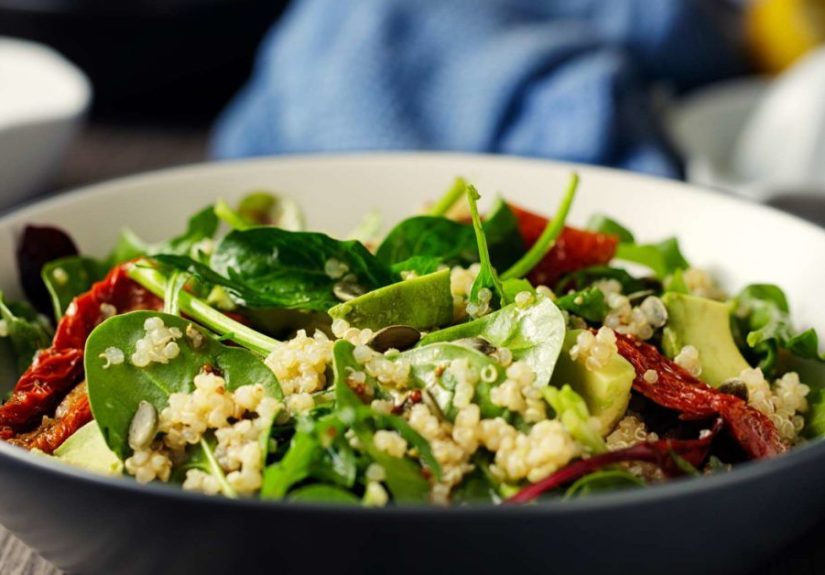
Use this dressing on quinoa bowls, farro bowls, brown rice bowls, or barley salads. It pairs well with chickpeas, grilled chicken, roasted squash, avocado, toasted nuts, and leafy greens. Because the mustard gives the vinaigrette body, it coats grains especially well.
5. Marinades
This balsamic mustard vinaigrette can double as a quick marinade for chicken, pork, tofu, or vegetables. For best food safety and flavor, marinate proteins in the refrigerator, not on the counter. Discard used marinade or boil it thoroughly before using it as a sauce.
Recipe Variations
Honey Balsamic Mustard Vinaigrette
Use the recipe as written and add an extra teaspoon of honey if you want a sweeter dressing. This version is great with spinach salads, strawberries, pecans, apples, and goat cheese.
Maple Balsamic Mustard Vinaigrette
Replace honey with pure maple syrup. The flavor becomes warmer and deeper, making it perfect for fall salads with roasted butternut squash, apples, cranberries, and walnuts.
Garlic Lover’s Vinaigrette
Add one extra garlic clove and let the dressing rest for 15 minutes before serving. The garlic flavor will become stronger as it sits. This version is bold, savory, and not recommended before first dates unless both people are emotionally prepared.
Creamier Balsamic Mustard Dressing
Add 1 tablespoon of Greek yogurt or mayonnaise for a creamier texture. This turns the vinaigrette into a richer dressing that works well on chopped salads, sandwiches, and wraps.
Herby Balsamic Vinaigrette
Stir in chopped fresh basil, parsley, thyme, or oregano. Fresh herbs make the dressing taste brighter and more seasonal, especially in summer.
Common Mistakes to Avoid
Using Too Much Vinegar
Balsamic vinegar is flavorful, but too much can make the dressing sharp and heavy. Start with the recipe ratio, then adjust gradually. You can always add more vinegar, but you cannot easily chase it around the bowl once it has taken over like a tiny sour dictator.
Skipping the Mustard
Mustard is not just for flavor. It helps the dressing emulsify and cling to salad ingredients. Without it, the vinaigrette may separate quickly and taste thinner.
Forgetting to Season
Salt is essential. It does not just make the dressing salty; it sharpens every flavor. If your vinaigrette tastes dull, add a tiny pinch of salt before adding more vinegar or sweetener.
Pouring Dressing Directly on Delicate Greens
Start with less dressing than you think you need. Toss gently, then add more if necessary. Delicate greens can wilt quickly when overdressed. Nobody wants salad soup unless soup was the original plan.
Storage Tips
Store homemade balsamic and mustard vinaigrette in a sealed jar in the refrigerator for up to one week for best flavor and freshness. Because this recipe includes garlic and mustard, refrigeration is the safest choice. The olive oil may become cloudy or firm when chilled, but that is normal. Let the dressing sit at room temperature briefly, then shake well before using.
Always use a clean spoon when tasting or serving from the jar. If the vinaigrette smells off, develops mold, or tastes unpleasant, discard it. Homemade dressing is easy to remake, and your stomach deserves better than suspicious jar experiments.
Nutrition and Flavor Benefits
This homemade vinaigrette gives you control over the ingredients. You can choose quality olive oil, adjust the sweetness, reduce the salt, avoid unnecessary additives, and make only the amount you need. Compared with many store-bought dressings, homemade vinaigrette often tastes fresher and can be customized to fit different meals.
Extra-virgin olive oil contributes richness and a satisfying mouthfeel. Balsamic vinegar adds acidity and sweetness without needing much added sugar. Dijon mustard brings bold flavor with very little effort. Together, these ingredients create a dressing that feels indulgent while still being simple and practical.
Frequently Asked Questions
Can I make balsamic mustard vinaigrette without honey?
Yes. You can skip the honey or replace it with maple syrup, agave, brown sugar, or a small spoonful of fruit preserves. If your balsamic vinegar is naturally sweet, you may not need any sweetener at all.
Can I use white balsamic vinegar?
Yes. White balsamic vinegar creates a lighter-colored vinaigrette with a slightly cleaner, less intense flavor. It is excellent for delicate salads, fruit salads, and dishes where you do not want the dressing to darken the ingredients.
Why did my vinaigrette separate?
Separation is normal because oil and vinegar naturally pull apart. Mustard helps slow this process, but homemade vinaigrette may still separate after sitting. Shake or whisk it again before serving.
Can I make this vinaigrette in a blender?
Absolutely. A blender or immersion blender creates a very smooth, creamy vinaigrette. Blend everything except the oil first, then stream in the oil while blending. For small batches, a jar and a strong shake are usually enough.
Is balsamic mustard vinaigrette good for meal prep?
Yes. It is a great meal prep dressing because it works with salads, roasted vegetables, grain bowls, wraps, and proteins. Keep it refrigerated in a sealed jar and shake before each use.
Personal Experience: Why This Dressing Earns a Permanent Spot in the Fridge
The first time I made balsamic and mustard vinaigrette at home, I had one goal: avoid another disappointing salad that tasted like obligation with croutons. I had a half-empty bottle of balsamic vinegar, a jar of Dijon mustard, and the quiet confidence of someone who had watched enough cooking videos to be dangerous. Five minutes later, I had a dressing that made a bowl of spinach, tomatoes, and leftover grilled chicken taste like a real lunch instead of a punishment for ordering fries yesterday.
What surprised me most was how flexible the recipe became. On Monday, it was a salad dressing. On Tuesday, it went over roasted sweet potatoes and Brussels sprouts. By Wednesday, I was spooning it onto a turkey sandwich like I had discovered a secret deli upgrade. Later in the week, I used it as a quick marinade for chicken, and the balsamic helped create a lightly caramelized edge while the mustard added savory depth. That is when I realized this was not just a salad dressing. It was a tiny jar of kitchen diplomacy, bringing peace between leftovers and appetite.
I also learned that the quality of balsamic vinegar matters, but not in a dramatic, wallet-emptying way. A decent grocery-store balsamic works beautifully as long as it tastes balanced. If the vinegar is too sharp, a little more honey helps. If it is very sweet and thick, extra Dijon or a splash of lemon juice keeps the dressing from becoming heavy. The recipe teaches you to taste and adjust, which is one of the most useful cooking skills you can build. Measuring is helpful, but tasting is where the magic lives.
The jar method became my favorite because it is fast and low-mess. Add the ingredients, twist the lid, shake hard, and done. No whisk to wash, no bowl to chase around the counter, no dramatic oil drizzle unless you are feeling fancy. It is also perfect for busy weeks because the dressing waits patiently in the refrigerator. When lunch feels boring, a spoonful of this vinaigrette wakes everything up. Greens taste brighter, grains taste less plain, and vegetables suddenly seem like they hired a public relations team.
One small lesson: do not overdress the salad. I used to pour dressing like I was watering a lawn. Now I add a little, toss, taste, and add more only if needed. This keeps greens crisp and lets the vinaigrette support the ingredients instead of drowning them. The best salad is not the one with the most dressing; it is the one where every bite tastes balanced.
This balsamic and mustard vinaigrette recipe has become one of those dependable kitchen basics that makes healthy meals easier without making them boring. It is quick, affordable, customizable, and far more flavorful than most bottled dressings. Once you make it a few times, you stop needing the recipe. You just know the rhythm: vinegar, mustard, sweetener, seasoning, oil, shake, taste, adjust. Simple. Delicious. Slightly smug in the best possible way.
Conclusion
Balsamic and mustard vinaigrette is proof that a great recipe does not need to be complicated. With balsamic vinegar, Dijon mustard, olive oil, honey, garlic, salt, and pepper, you can make a homemade dressing that is tangy, smooth, versatile, and ready in minutes. It works on salads, roasted vegetables, grain bowls, sandwiches, and marinades, making it one of the most useful sauces you can keep in your kitchen.
The key is balance. Start with a dependable ratio, taste as you go, and adjust the sweetness, acidity, and seasoning to match your meal. Once you master this easy balsamic mustard vinaigrette, bottled dressing may start looking nervous.