Table of Contents >> Show >> Hide
Choosing between a gas stove and an electric stove used to feel like one of those classic kitchen debates that never ends, right up there with “Is a white kitchen timeless or just very easy to stain with spaghetti sauce?” For years, gas carried the cool-chef mystique. You got the visible flame, the fast response, and the feeling that you were one dramatic wrist flick away from starring in your own cooking show. Electric, meanwhile, had a reputation for being practical, a little less glamorous, and suspiciously fond of heating up slowly just to test your patience.
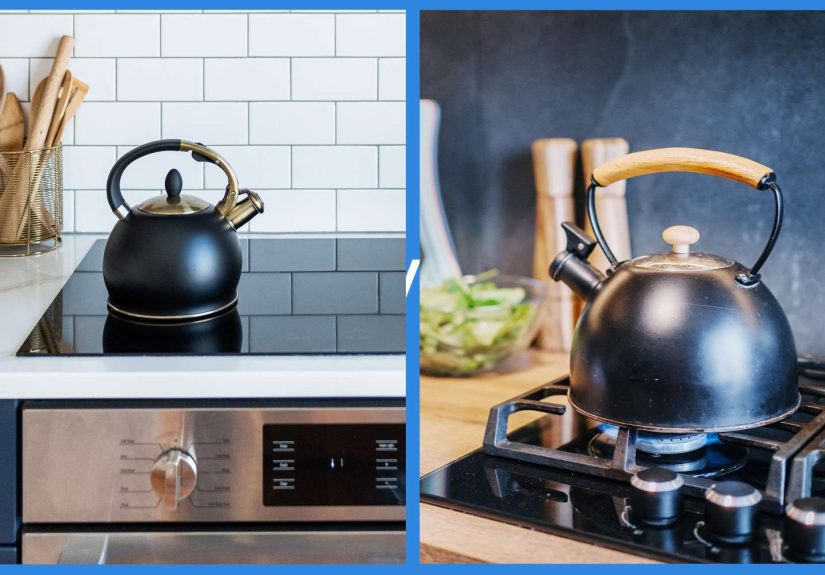
But the conversation has changed. Modern appliance testing, energy guidance, and indoor air quality advice all point in a much clearer direction than they did a decade ago. When you line up performance, ease of cleaning, safety, air quality, and long-term practicality, electric is now the better pick for most homes. And if your budget allows, induction is the gold-medal version of electric.
That does not mean gas is suddenly useless or that everyone should drag their range to the curb by sunset. Gas still has real strengths, and in some kitchens it remains the right tool. But for the average household, especially families, apartment dwellers, everyday cooks, and anyone replacing an old range without wanting a side hobby in kitchen ventilation science, appliance pros increasingly lean electric.
The Short Answer: Electric Wins for Most Homes
If you want the simplest verdict, here it is: electric stoves are the clear winner for most households, and induction is the best overall option within the electric category.
Why? Because electric stoves solve more problems than they create. They are easier to clean, generally safer to live with, friendlier to indoor air quality, and better aligned with where modern appliance design is headed. Traditional electric ranges also tend to be more affordable than induction or premium gas models, which makes them the most practical upgrade for a lot of buyers. Induction, meanwhile, adds faster heating, sharper temperature control, and better efficiency, making it the dream choice for many home cooks who want performance without the open flame drama.
So yes, the old “serious cooks use gas” line is looking more and more like a kitchen version of “real music only comes from vinyl.” Charming, nostalgic, and not always wrong, but definitely no longer the full story.
Why Appliance Pros Keep Leaning Electric
1. It performs better than many people expect
Gas still earns praise for quick visual feedback. Turn the knob, see the flame, adjust the heat. Simple. That immediacy is real, and it is one reason many cooks still love gas cooktops. Manufacturers such as GE and Whirlpool still highlight gas for responsive burner control, while designers and chefs often describe it as more intuitive for hands-on stovetop cooking.
But modern electric cooking is not one thing. There is a big difference between old-school coil burners, standard smooth-top radiant electric, and induction. That last category is where the conversation gets interesting. Induction has become the electric format that keeps making longtime gas fans do an awkward double take. It heats cookware directly, responds quickly, and can boil water faster than gas. It also offers precise low-temperature control for delicate cooking jobs like melting chocolate, simmering sauce, or not turning scrambled eggs into rubber confetti.
In plain English: if your mental image of electric cooking is a tired burner glowing red while your pan waits like it has been put on hold by customer service, you are thinking of the wrong decade.
2. It is better for indoor air quality
This is one of the biggest reasons the balance has shifted. Gas cooking adds combustion byproducts to the kitchen. Health and environmental sources have repeatedly warned that gas stoves can contribute to indoor air pollutants, including nitrogen dioxide, carbon monoxide, and particulate matter. That does not mean every gas stove is a health emergency. It does mean gas cooking creates an indoor air issue that electric cooking simply does not create in the same way.
That distinction matters most in real homes, not idealized showroom kitchens. Plenty of people do not use their range hood every time they cook. Plenty more have recirculating hoods that are better than nothing but far less effective than ducted hoods that vent outdoors. In smaller homes, apartments, and busy family kitchens, that pollution has less room to disappear politely.
Electric stoves are not pollution-proof angels descended from heaven. Cooking itself produces smoke, grease, and particles, especially when you fry, grill, sear, or burn dinner while insisting it is “caramelized.” But electric removes the combustion part of the equation, which is a meaningful advantage.
3. It is easier to clean and simpler to live with
Daily-life convenience is where electric quietly runs up the score. Smooth-top electric ranges are easier to wipe down than gas grates and burners. Induction takes that convenience even further because the surface stays cooler than gas or standard radiant electric, so spills are less likely to bake onto the cooktop like a personal insult.
That matters more than many shoppers admit. People often buy a stove imagining themselves flambéing something impressive. In reality, most households are reheating leftovers, boiling pasta, frying eggs, and wiping up last night’s tomato sauce. For the kind of cooking most people actually do most of the time, a surface that cleans up fast is not a luxury. It is a peace treaty.
4. It is usually the safer household choice
Open flame is not automatically dangerous, but it does add risks that electric avoids. Electric removes concerns about gas leaks from the cooking appliance, flame exposure, and some combustion-related hazards. For homes with children, older adults, or distracted multitaskers who have ever walked away from a burner and returned with a spiritual lesson, that can be a big plus.
Induction is especially strong here. Because it heats the pan rather than the cooktop surface itself, it tends to stay cooler to the touch than other stove types. That does not make it foolproof, but it does make it friendlier for busy households and anyone who values a kitchen that feels less like a low-stakes action movie.
5. The long-term value is getting more attractive
Traditional electric ranges are often less expensive to buy than gas or induction models. Induction still tends to cost more upfront, and that price gap is one of the biggest reasons some buyers stop short of choosing it. There can also be installation costs if your home needs a dedicated 240-volt circuit or electrical upgrades for a new electric range.
Still, the economics are shifting. Some local rebate programs can help offset the cost of an electric or induction upgrade, and energy agencies continue to push efficient electric cooking as part of broader home electrification efforts. For shoppers already replacing an aging range, the math can look better now than it did a few years ago.
In other words, induction is no longer just the fancy option people admire from a respectful distance. It is increasingly the “expensive, yes, but honestly pretty compelling” option.
Where Gas Still Deserves Respect
A fair article has to admit this: gas is not losing because it is terrible. It is losing because electric has gotten much better while gas has become harder to defend as the default for the average home.
Gas still has genuine strengths:
- Responsive stovetop control: Many cooks like the immediate rise-and-fall feel of a flame.
- Familiarity: If you have cooked on gas for years, it feels intuitive and satisfying.
- Fast oven preheating in some models: Gas ranges can still appeal to cooks who prioritize speed and burner feel.
- Existing hookup advantage: If your home already has a gas line and you do not want electrical work, replacing old gas with new gas can be the path of least resistance.
Gas can still make sense for people who strongly prefer flame-based cooking and are willing to prioritize ventilation, maintenance, and kitchen air management. It can also make sense in high-end kitchens where buyers are choosing appliances around very specific cooking habits rather than broad household practicality.
But that is exactly the point: those are more specialized priorities. “Best for me” and “best for most homes” are not always the same answer.
The Best Choice by Household Type
For most families
Choose electric, ideally induction. You get easier cleanup, better safety, and fewer indoor air concerns. For busy homes, that combo is hard to beat.
For budget-focused buyers
Choose a standard electric range. It is often the most affordable path, widely available, and usually easier to justify than stepping up to gas or premium induction.
For avid bakers
Electric is especially appealing. Electric ovens are widely praised for steadier, drier heat, which can help with more consistent baking and browning.
For serious stovetop traditionalists
Gas may still be your favorite. If you deeply love cooking over flame and already have good ventilation, gas remains a defensible choice. Just know you are choosing a preference, not the broadest all-around winner.
For shoppers who want the best all-around modern experience
Go induction. It combines the speed and control people once chased in gas with the cleaner, safer, easier-to-maintain benefits of electric.
What Real-World Experience Actually Feels Like
Now for the part spec sheets cannot fully capture: living with these stoves day after day.
People who move from gas to standard electric often notice two things first. The first is the oven. Cakes, cookies, casseroles, and roasted vegetables tend to feel more predictable because electric heat is steady and less fussy. The second is the cooktop learning curve. Standard radiant electric can feel slower to change temperature than gas, which means you have to think half a beat earlier. Once users adjust, many are perfectly happy. But there is a transition period where your brain says “lower the heat now” and the burner says, “Great suggestion, I’ll get to it.”
People who move from gas to induction usually have a different reaction: surprise. Water boils fast. Pans respond quickly. The kitchen often feels cooler, especially in warm weather, because more of the energy goes into the cookware instead of the surrounding air. Cleanup is easier because splatters are less likely to carbonize onto the surface. Many users also love the quiet confidence of precise settings, timers, and safety features. The complaints are usually practical rather than emotional: some pans do not work, the cookware has to sit properly on the element, and the upfront cost can sting.
Meanwhile, longtime gas users often describe their attachment in almost romantic terms. They like seeing the flame. They trust the feedback. They enjoy the sensory side of cooking on gas in a way that is hard to measure but easy to understand. There is a reason gas built such a loyal fan base. It feels alive. Turn it on, and your kitchen immediately announces that something culinary is happening.
But daily life is not made of romance alone. It is made of wiping up spills after work, cooking while kids ask impossible questions, remembering to turn on the hood, and trying not to heat up the whole room in July. This is where electric, especially induction, starts to feel less like a compromise and more like a relief.
Another real-world issue is ventilation. People often assume that only gas users need to care about a hood. Not true. Any serious cooking can release smoke, grease, steam, and particles. Fry bacon hard enough and your kitchen will make that point for you. Still, ventilation matters even more with gas because you are managing both cooking emissions and combustion byproducts. In practice, many households are simply not as consistent about ventilation as appliance manuals hope they will be. That human reality gives electric a big everyday advantage.
Then there is the matter of kitchen personality. Gas feels classic and tactile. Standard electric feels practical. Induction feels modern in the best possible way: fast, clean, precise, and slightly smug. Not obnoxiously smug. Just the kind of smug that comes from boiling pasta water before you have even finished complaining about boiling pasta water.
Across all these experiences, one pattern keeps showing up. People who strongly prefer gas usually know exactly why they prefer it. People who switch to electric, especially induction, often discover that what they liked about gas was not the gas itself; it was speed, control, and ease. Once electric delivers those things too, the old hierarchy starts to wobble.
The Final Verdict
For most homes, the winner is no longer hard to call. Electric stoves are the better all-around choice, and induction is the best version of electric for buyers who can afford the upgrade.
Gas still has a place. It is responsive, familiar, and satisfying for cooks who love flame-based control. But when appliance pros, home experts, energy guidance, and indoor air quality advice are all considered together, electric covers more of what modern households actually need: solid performance, easier maintenance, better safety, cleaner indoor air, and a smoother everyday experience.
So if you are replacing an old range and wondering which direction to go, here is the simplest advice: choose electric unless you have a very specific reason not to. Choose induction if you want the best overall cooking experience. Choose standard electric if you want the smartest value.
Gas may still be the charismatic old favorite. But for most homes, electric is the one you actually want to live with.