Table of Contents >> Show >> Hide
- What Is the Rough Linen Day Blanket, Really?
- Why Linen Works So Well for a Day Blanket
- What Makes Rough Linen Different From Other Linen Bedding Brands?
- How a Rough Linen Day Blanket Feels in Real Life
- Best Uses for a Rough Linen Day Blanket
- Who Should Buy It?
- Care Tips for Keeping It Beautiful
- How to Style a Rough Linen Day Blanket
- The Experience of Living With a Rough Linen Day Blanket
- Final Thoughts
- SEO Tags
If you are searching for a Rough Linen Day Blanket, chances are you want one thing: a blanket that looks relaxed, feels cool instead of clingy, and makes your bed look like it belongs in a home magazine instead of a dorm room that lost a fight with a laundry basket. In that lane, Rough Linen has built a loyal following by leaning hard into what linen does best: texture, breathability, simplicity, and that slightly rumpled elegance that says, “Yes, I have taste, and no, I do not iron for fun.”
The appeal of a Rough Linen day blanket is not about flashy details or overbuilt fluff. It is about restraint. It is about a single layer that can sit on the bed all day, work at night, and still look good tossed over a chair the next morning. That makes it different from a puffy comforter, heavier than a random decorative throw, and far more useful than the pretty-but-pointless blanket that exists mostly to impress guests and never actually touches human skin.
What Is the Rough Linen Day Blanket, Really?
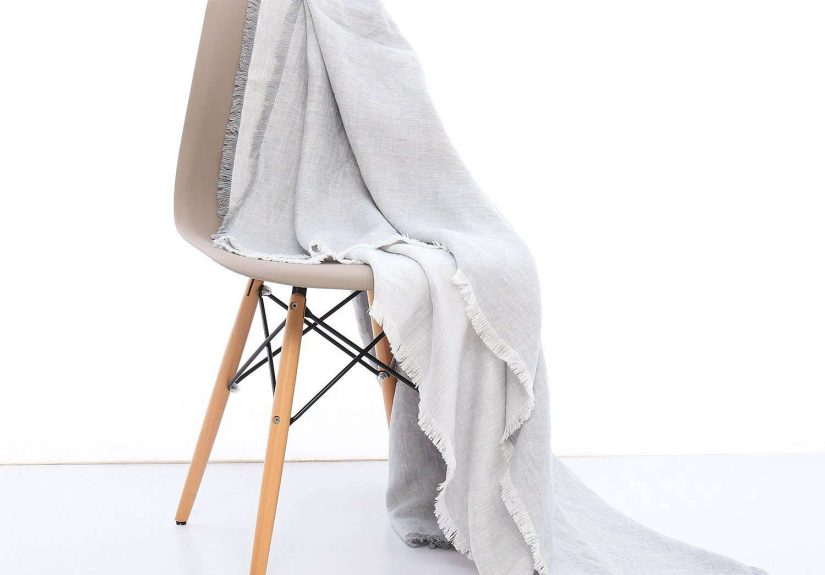
When shoppers use the phrase “Rough Linen day blanket,” they are usually talking about the brand’s easy, all-purpose linen top layer: the kind of blanket that functions as a breathable cover in warm weather and a layering piece when the temperature drops. In practice, this is the magic category between a throw and a winter blanket. It is substantial enough to feel intentional, but airy enough that you do not wake up at 2:14 a.m. kicking it dramatically toward the foot of the bed like it has personally betrayed you.
What makes Rough Linen stand out is its commitment to European flax linen and a stripped-down design language. Instead of relying on quilting, synthetic fill, or heavy embellishment, the blanket experience is centered on the fabric itself. That means the texture is the star. Linen has a cool, crisp hand at first, a breathable open structure, and a look that gets more charming as it softens and relaxes over time.
In other words, this is not the blanket for people who want a silky, cloudlike, marshmallow-soft first impression. This is the blanket for people who want character. Linen enters the room like an interesting person wearing perfect shoes and saying very little.
Why Linen Works So Well for a Day Blanket
Breathability That Actually Matters
The biggest reason people fall for a linen blanket is comfort through changing temperatures. Linen is known for allowing airflow and helping moisture evaporate more easily than many denser fabrics. That is why it feels especially good in spring, summer, and overheated bedrooms where the air conditioner seems to have an emotional support role instead of a functional one.
A linen day blanket works well because it gives coverage without the trapped-heat feeling that can come with bulkier bedding. If you like sleeping with something on you but hate waking up sweaty, linen offers a smart middle ground. It feels present without feeling oppressive.
Texture With Personality
Some bedding tries so hard to be smooth that it ends up looking generic. Linen goes the other direction. It embraces natural variation, visible weave, and that signature lightly rumpled finish. Rough Linen, as a brand, leans into this aesthetic instead of apologizing for it. The result is bedding that looks casual but expensive, relaxed but deliberate.
That visual texture matters in bedroom design. A flat cotton blanket can disappear into the bed. A linen blanket adds depth, especially when layered with sheets, pillowcases, and a coverlet in related tones. Even when the bed is not made with military precision, linen somehow makes the mess look curated. That is not laziness. That is strategy.
Strength Over Time
One of linen’s most practical advantages is durability. Good linen is not fragile bedroom theater. It is a hardworking fabric that can stand up to repeated washing and regular use. Better yet, high-quality linen tends to soften instead of fall apart. That gives a Rough Linen day blanket long-term appeal: it is the kind of piece that often looks better after months of living with it than it did fresh out of the package.
This is a major part of the value conversation. Linen often costs more upfront, and yes, that initial price can make your eyebrows do gymnastics. But the payoff is longevity, daily usability, and a fabric that tends to age with grace rather than drama.
What Makes Rough Linen Different From Other Linen Bedding Brands?
The linen bedding market is crowded, and every brand would love you to believe it discovered breathable bedding sometime around last Tuesday. Rough Linen separates itself through a strong point of view. Its pieces tend to feel old-world, minimal, and highly tactile. The designs are not overloaded with trend-driven details. Instead, the emphasis is on fabric, proportion, edge finishing, and a lived-in look that feels natural rather than styled within an inch of its life.
A Rough Linen day blanket also fits beautifully into the brand’s overall bedding philosophy: fewer layers, better materials, easier bed-making, and a bedroom that feels calm instead of overdecorated. If you like interiors that look collected, earthy, and slightly European, this type of blanket slots right in.
Compared with some quilted linen layers on the market, a Rough Linen-style day blanket feels more elemental. It does not rely on batting or stitched channels to create interest. The fabric itself carries the experience. That is a subtle distinction, but it matters. Quilts can be cozy and decorative. A day blanket is often more versatile, easier to fold, easier to layer, and better for people who want simplicity.
How a Rough Linen Day Blanket Feels in Real Life
Let us talk about feel, because this is where many buying decisions are made. Linen does not usually deliver instant velvety softness on day one. It starts with a slightly crisp, dry hand that feels cool against the skin. For some people, that is love at first touch. For others, it is more of a slow-burn romance. After washing and use, the fabric softens and drapes more easily while keeping its signature structure.
That means the Rough Linen Day Blanket experience is often less about “plush” and more about “fresh.” Less about sink-in softness, more about breathable comfort. Less teddy bear, more boutique hotel in a coastal town where the coffee is strong and the windows are always open.
If you are someone who sleeps hot, naps in the afternoon, or wants a blanket that works for lounging on the sofa and layering on the bed, this kind of feel makes a lot of sense. It is especially appealing for people who do not want their bedding to feel too polished, too slippery, or too precious.
Best Uses for a Rough Linen Day Blanket
As a Summer Bed Cover
This is the most obvious role. A linen day blanket is ideal when a duvet feels excessive but sleeping with only a sheet feels a little too optimistic. It offers lightweight coverage and a cleaner, more composed bed look than a random throw dragged in from the living room.
As a Year-Round Layering Piece
One of the best things about linen is that it plays nicely with other bedding. In cooler months, you can place a Rough Linen day blanket between the sheet and duvet or fold it at the foot of the bed for extra warmth. This lets you customize the bed instead of committing to one giant temperature decision for the entire night.
As a Decorative Top Layer
Because linen has texture and weight without too much bulk, it is excellent for bed styling. Spread flat for a tailored look, fold it in thirds at the foot, or let it drape loosely for a more relaxed finish. It also works beautifully on guest beds, where you want the room to feel thoughtful without piling on a dozen fussy decorative items nobody actually wants to move before bedtime.
As a Lounge Blanket
A good day blanket is not confined to the bed. It can live on a sofa, bench, reading chair, or sunroom daybed. Linen’s texture makes it visually appealing in open spaces, and its breathable feel keeps it useful during daytime lounging. Translation: it is a blanket you will actually use instead of one you “save,” which is often code for “forget about until company comes over.”
Who Should Buy It?
A Rough Linen day blanket is a strong choice for hot sleepers, linen lovers, minimalists, and anyone who wants their bedding to feel airy and intentional. It is also a great fit for people who appreciate natural fibers, understated design, and products that get better with repeated use.
You will probably love it if:
- You prefer breathable bedding over fluffy bedding.
- You like a relaxed, slightly rumpled bed aesthetic.
- You want a versatile layer for multiple seasons.
- You appreciate texture more than slick softness.
- You want bedding that feels grown-up without looking stiff.
You may want to think twice if:
- You want a super plush blanket right away.
- You dislike wrinkles on principle and in practice.
- You prefer heavily padded quilts or fluffy comforters.
- You want the lowest possible upfront price.
Care Tips for Keeping It Beautiful
Linen is easier to live with than many people expect. The key is not to overcomplicate it. Wash gently, avoid harsh detergents, dry with some care, and let the fabric be linen. That last part is important. A linen blanket is supposed to have a little texture and movement. If your life goal is to turn it into a sheet of cardboard-flat perfection, the blanket will resist, and frankly, it should.
For best results, wash the blanket according to the care instructions, use a mild detergent, and avoid anything overly aggressive. Remove it from the dryer while slightly damp if you want to reduce deeply set wrinkles, then smooth and lay or hang it out. And if you can dry it in fresh air? Even better. Linen tends to love that sort of thing.
Also, do not wait until the blanket looks like it survived a camping trip and a spaghetti incident before washing it. Routine care keeps natural fibers feeling fresh and helps preserve that easy drape people love.
How to Style a Rough Linen Day Blanket
Keep It Tonal
Pair the blanket with sheets and pillowcases in soft neutrals, earthy greens, foggy blues, ivory, charcoal, or warm natural shades. Linen really shines when colors are layered subtly instead of shouted from a rooftop.
Mix Smooth and Textured Fabrics
A linen blanket looks especially good against smoother cotton sheets or a simple matelassé coverlet. The contrast helps the linen texture stand out and keeps the bed from looking too flat.
Let It Look Relaxed
Do not over-style it. Linen looks best when it has room to breathe. Fold it casually at the foot of the bed, let the corners fall naturally, and resist the urge to create hospital corners unless you are planning a side career in military inspection.
The Experience of Living With a Rough Linen Day Blanket
The experience of owning a Rough Linen day blanket is less about dramatic transformation and more about a quiet upgrade that keeps proving its worth. On the first day, the biggest impression is usually visual. The bed looks better almost immediately. It has more texture, more depth, and that laid-back luxury effect people spend hours trying to fake with mood boards and decorative pillows that end up on the floor by 10 p.m.
During the first week, you start noticing how practical it is. Morning bed-making becomes faster because a linen blanket does not need endless fluffing or a wrestling match with bulky fill. You straighten it, flick it into place, and the bed looks finished. That alone can be weirdly satisfying. It is the bedding equivalent of finding jeans that actually fit and have usable pockets.
After a few washes, the character of the blanket becomes more obvious. The fabric relaxes. The hand gets softer. It still feels like linen, but it becomes friendlier, more familiar, more willing to drape instead of hold its shape so firmly. This is the point where many people really get the appeal. Linen rewards patience. It does not perform like an over-rehearsed showroom product. It settles into your home and starts acting like it belongs there.
In daily use, the blanket often becomes the layer you reach for without thinking. On warm nights, it is enough by itself or over a top sheet. On cooler nights, it fills the gap between “slightly chilly” and “I need the full winter setup.” During the day, it can migrate to the couch for reading, a midday nap, or an overly ambitious Sunday afternoon that begins with coffee and a book and ends with an accidental two-hour sleep.
There is also a visual experience that grows over time. Linen does not stay pristine in the glossy-magazine sense, but that is part of the charm. A Rough Linen day blanket starts to look lived in rather than worn out. The creases soften, the folds become familiar, and the texture gains depth. It begins to feel like a permanent part of the room rather than a temporary accessory.
For many people, the most memorable part is seasonal flexibility. In summer, it feels breezy and unfussy. In fall, it layers beautifully. In winter, it becomes one more useful layer in a bed you can customize. In spring, when temperatures seem unable to commit to a personality, it is often the most reliable piece in the room. That kind of versatility is rare, and it is what turns a nice blanket into a favorite one.
Maybe the best way to describe the experience is this: a Rough Linen day blanket does not scream for attention, but it earns affection. It becomes part of your routines, part of your room, and part of the reason your bed feels like a place you actually want to return to. Not bad for a rectangle of fabric with excellent manners.
Final Thoughts
The Rough Linen Day Blanket is appealing because it understands its job. It is not trying to be everything at once. It is a breathable, textured, visually refined linen layer that works for real homes and real people. It offers comfort without excess, style without fuss, and durability without looking overly serious.
If you want bedding that feels airy, natural, and quietly luxurious, this is the kind of blanket worth considering. It suits the sleeper who values material, atmosphere, and ease. It is for people who want their bedroom to feel less like a showroom and more like a beautifully lived-in retreat. And once you get used to that crisp, breathable linen life, there is a decent chance your old synthetic blanket will start looking very nervous.