Table of Contents >> Show >> Hide
- What Causes Pain After Shingles?
- When Should You Call a Doctor?
- Option 1: Prescription Nerve-Pain Medications
- Option 2: Topical Treatments for Local Relief
- Option 3: Antidepressants Used for Nerve Pain
- Option 4: Smart At-Home Pain Care and Skin Protection
- Option 5: Pain Specialist Treatments for Stubborn Pain
- What About Antiviral Medication?
- Can the Shingles Vaccine Help?
- How Long Does Pain After Shingles Last?
- Practical Examples of Pain Management Plans
- Experiences and Real-Life Lessons About Relieving Pain After Shingles
- Conclusion
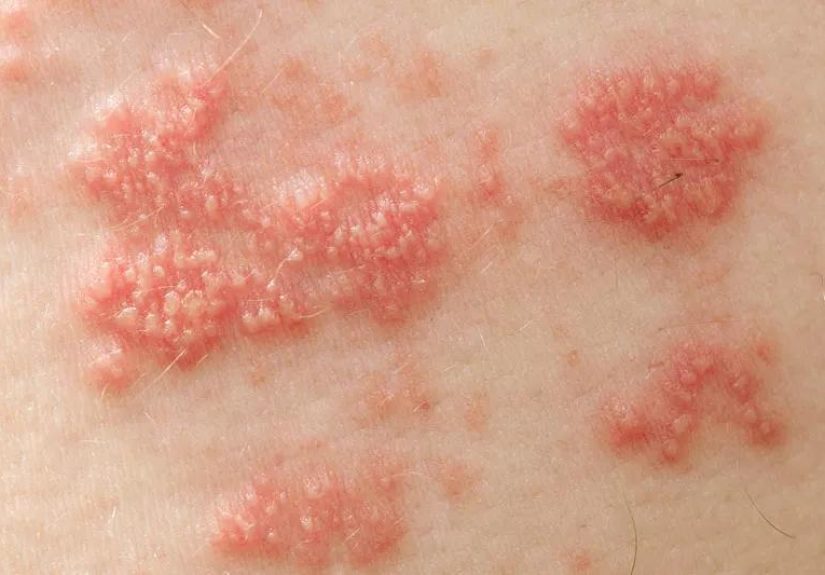
Shingles has a dramatic flair nobody asked for. First comes the burning, tingling, or stabbing sensation. Then the rash appears like an unwanted guest who brought luggage. For many people, the rash clears within a few weeks, the skin heals, and life returns to normal. But for others, the pain lingers long after the blisters are gone. That lingering nerve pain is often called postherpetic neuralgia, or PHN.
Postherpetic neuralgia happens because shingles affects the nerves. Even after the virus quiets down, the irritated nerves may keep sending pain signals. People describe it as burning, electric, sharp, itchy, sensitive, or even painful from something as gentle as clothing touching the skin. In other words, your shirt can suddenly feel like it has joined a tiny rebellion.
The good news: there are several real, medically recognized options to help relieve pain after shingles. The right choice depends on your age, health history, pain level, medications, and how long the pain has lasted. This guide explains five practical options, how they work, and what to discuss with a healthcare provider.
What Causes Pain After Shingles?
Shingles is caused by the varicella-zoster virus, the same virus that causes chickenpox. After someone recovers from chickenpox, the virus can stay inactive in nerve tissue for years. Later in life, it can reactivate as shingles, usually causing a painful rash on one side of the body or face.
When shingles damages or irritates nerves, pain may continue after the rash heals. This long-lasting nerve pain is postherpetic neuralgia. It is more common in older adults, people with severe shingles pain, people with a severe rash, and people whose shingles involved the face or eye area. Getting medical care early during shingles can reduce the risk of complications, but if pain is already lingering, treatment can still help.
When Should You Call a Doctor?
Call a healthcare provider if pain continues after the shingles rash has healed, if the pain interferes with sleep or daily activities, or if the rash is near the eye. You should also seek care quickly if you notice fever, spreading redness, pus, worsening swelling, confusion, weakness, hearing changes, or vision symptoms.
Post-shingles pain is not something you have to “tough out” like a heroic movie character walking away from an explosion. Nerve pain can become exhausting, and early treatment may help you regain comfort, sleep, and normal movement.
Option 1: Prescription Nerve-Pain Medications
For many people with postherpetic neuralgia, the first major treatment option is a prescription medication that calms overactive nerve signals. These medicines are not ordinary pain relievers. They are designed to quiet the irritated nerves that keep sending pain messages after shingles.
Gabapentin and Pregabalin
Gabapentin and pregabalin are commonly used for nerve pain after shingles. They work by reducing abnormal nerve activity, which may help decrease burning, stabbing, or electric-like pain. They may be especially useful when pain disrupts sleep, because nerve pain often becomes louder at night when the house is quiet and your brain has nothing better to do than host a pain podcast.
These medications usually need to be started at a low dose and adjusted carefully by a healthcare provider. Side effects can include sleepiness, dizziness, swelling, or trouble concentrating. Because of this, people should avoid driving or operating machinery until they know how the medicine affects them.
What to Ask Your Provider
Ask whether a nerve-pain medication is appropriate for your symptoms, how long it may take to work, what side effects to watch for, and whether it interacts with any other medicines you take. Do not stop these medications suddenly unless your provider tells you how to taper them safely.
Option 2: Topical Treatments for Local Relief
Topical treatments are applied to the skin and may be helpful when pain is limited to a specific area. They can be appealing because they target the painful zone directly instead of affecting the whole body.
Lidocaine Patches or Creams
Lidocaine is a numbing medicine that can reduce pain signals from the skin. Prescription lidocaine patches are used for pain associated with postherpetic neuralgia and should be applied only to intact skin. That means no open blisters, cuts, or irritated wounds. The goal is to calm the painful area, not start a wrestling match with already unhappy skin.
Lidocaine may be especially useful for allodynia, which is pain caused by light touch. For example, someone may feel pain when a shirt, bedsheet, or bra strap touches the area where shingles occurred. In that case, a topical numbing option may make daily life more manageable.
Capsaicin Cream or Patch
Capsaicin comes from chili peppers and can reduce certain pain signals over time. Over-the-counter capsaicin creams may help some people, while stronger capsaicin patches are applied in medical settings. The catch is that capsaicin can burn or sting at first. Yes, it is the same general idea as pepper heat, so your skin may file a complaint before it starts cooperating.
Capsaicin should be used carefully. Wash your hands after applying it, avoid touching your eyes, and never apply it to broken or blistered skin. People with very sensitive skin should ask a healthcare provider before trying it.
Option 3: Antidepressants Used for Nerve Pain
Some antidepressants can relieve nerve pain even when a person is not depressed. This surprises many people, but it makes sense medically. Certain antidepressants affect brain and spinal cord chemicals involved in pain processing.
Tricyclic Antidepressants
Tricyclic antidepressants such as amitriptyline or nortriptyline may be used for postherpetic neuralgia. They are often taken at lower doses for nerve pain than for depression. These medicines may help reduce pain and improve sleep, which is important because poor sleep can make pain feel stronger.
However, tricyclic antidepressants are not ideal for everyone. They can cause dry mouth, constipation, sleepiness, dizziness, or changes in heart rhythm. Older adults and people with heart conditions, glaucoma, urinary problems, or multiple medications need extra caution.
SNRIs and Other Options
Some providers may consider serotonin-norepinephrine reuptake inhibitors, or SNRIs, for certain nerve-pain conditions. Whether they are right for post-shingles pain depends on the individual. The key point is simple: nerve pain treatment is often personalized. There is no one-size-fits-all magic pill, even though that would be wonderfully convenient and probably come with a tiny cape.
Option 4: Smart At-Home Pain Care and Skin Protection
At-home care will not always erase postherpetic neuralgia, but it can reduce irritation and help you avoid making the pain worse. Think of it as creating a peaceful environment for cranky nerves.
Use Gentle Skin Care
After shingles, the affected skin may remain sensitive. Use mild, fragrance-free cleansers and avoid scrubs, harsh exfoliants, strong acids, and heavily scented lotions. Loose, soft clothing can also help reduce friction. If the painful area is on the torso, choose fabrics that do not rub or trap heat.
Try Cool Compresses
A cool compress may ease burning or itching sensations. Use a clean, damp cloth and apply it gently. Avoid ice directly on the skin because extreme cold can irritate sensitive nerves. The goal is soothing relief, not turning your skin into a frozen science experiment.
Consider Over-the-Counter Pain Relievers
Some people get partial relief from over-the-counter pain relievers such as acetaminophen or nonsteroidal anti-inflammatory drugs. These may be more helpful for general soreness than true nerve pain, but they can still be part of a broader plan. People with liver disease, kidney disease, stomach ulcers, blood-thinner use, high blood pressure, or other medical conditions should ask a healthcare provider before using them regularly.
Protect Sleep and Reduce Stress
Pain and sleep have a complicated relationship. Pain makes sleep difficult, and poor sleep makes pain harder to tolerate. A consistent bedtime routine, comfortable clothing, a cool room, and relaxation techniques may help. Stress reduction does not mean the pain is “all in your head.” It means the nervous system is sensitive, and calming the system can reduce how loudly pain signals are perceived.
Option 5: Pain Specialist Treatments for Stubborn Pain
If post-shingles pain is severe or does not improve with first-line treatments, a healthcare provider may refer you to a pain specialist. This does not mean you are “failing” treatment. It means your nerves are being dramatic and may need a more advanced strategy.
Nerve Blocks
A nerve block involves injecting medication near specific nerves to reduce pain signals. For shingles pain on the chest or ribs, intercostal nerve blocks may sometimes be considered. These treatments are performed by trained clinicians and are not appropriate for everyone.
Epidural or Other Injections
In selected cases, anti-inflammatory medication may be injected near irritated nerve roots. The goal is to reduce inflammation and pain. Results vary, and these procedures carry risks, so they should be discussed carefully with a qualified specialist.
Combination Treatment
Many people need more than one approach. For example, a provider might combine a nerve-pain medication with a lidocaine patch and gentle at-home care. Combination treatment can sometimes provide better relief than relying on one tool alone.
What About Antiviral Medication?
Antiviral medicines such as acyclovir, valacyclovir, or famciclovir are most helpful when started early during shingles, ideally within the first few days after the rash appears. They can reduce the severity and duration of the shingles episode and may lower the risk of long-lasting pain. However, once postherpetic neuralgia is already established, antivirals usually are not the main treatment for lingering nerve pain.
If you are currently in the early stage of shingles, do not wait. Contact a healthcare provider quickly. If your rash is already healed but pain remains, ask specifically about postherpetic neuralgia treatment.
Can the Shingles Vaccine Help?
The shingles vaccine does not treat active post-shingles pain, but it can help prevent future shingles episodes and reduce the risk of postherpetic neuralgia. It is generally recommended for adults age 50 and older and for certain immunocompromised adults. People who have already had shingles may still be advised to get vaccinated later, depending on their situation.
Vaccination is worth discussing with a healthcare provider after recovery. Preventing another round of shingles is far better than giving the virus a sequel. Most sequels are questionable; shingles sequels are definitely not invited.
How Long Does Pain After Shingles Last?
The timeline varies. Some people improve within weeks. Others have pain for months, and a smaller group may experience symptoms for a year or longer. Pain may gradually become less intense, less frequent, or easier to manage with treatment.
Tracking symptoms can help. Write down when pain happens, what it feels like, what triggers it, what helps, and how it affects sleep or daily tasks. This information gives your provider a clearer picture and may help guide treatment adjustments.
Practical Examples of Pain Management Plans
Example 1: Mild Lingering Sensitivity
A person has mild burning where the rash healed, mostly when clothing rubs the area. A provider may suggest gentle skin care, loose clothing, and a topical option such as lidocaine. If pain improves, no stronger treatment may be needed.
Example 2: Nighttime Burning Pain
Another person feels intense burning at night and cannot sleep. A provider may consider gabapentin, pregabalin, or another nerve-pain medicine, possibly combined with a topical treatment. The plan may include gradual dose adjustments and monitoring for dizziness or drowsiness.
Example 3: Severe Pain That Limits Daily Life
Someone else has severe pain months after shingles and cannot wear normal clothing or exercise comfortably. In that case, a referral to a pain specialist may be appropriate. The plan might include medication changes, topical therapy, and procedures such as nerve blocks if suitable.
Experiences and Real-Life Lessons About Relieving Pain After Shingles
One of the most common experiences people describe after shingles is surprise. They expected the rash to be the main event. Then the rash fades, the skin looks better, and the pain stays behind like a roommate who missed the move-out notice. This can be frustrating because friends or coworkers may assume everything is fine once the rash is gone. But post-shingles nerve pain can be invisible, persistent, and emotionally draining.
A helpful lesson is to take symptoms seriously early. Many people try to wait it out because they do not want to “bother” a doctor. But nerve pain is exactly the kind of problem worth discussing. The sooner you explain the pain clearly, the sooner your provider can match treatment to the pattern. Words matter. Instead of simply saying “it hurts,” describe whether it burns, shocks, stabs, itches, tingles, or feels painful to touch. Mention whether clothing, shower water, temperature changes, or stress makes it worse.
Another real-life lesson is that treatment often takes patience. A lidocaine patch may help quickly for surface sensitivity, while a nerve-pain medication may need time and careful adjustment. Some people feel discouraged if the first option does not work perfectly. That does not mean nothing will help. Postherpetic neuralgia often requires fine-tuning. The first plan is sometimes a starting point, not the finish line.
Daily comfort habits also matter more than people expect. Soft cotton shirts, loose waistbands, breathable sleepwear, and avoiding scratchy fabrics can make a noticeable difference. For pain around the ribs or back, even a seatbelt or bra band may become irritating. Small changes, like placing a soft layer under a strap or choosing looser clothing for a few weeks, can reduce repeated nerve irritation.
Sleep deserves special attention. Many people report that pain feels worse at night. This may happen because there are fewer distractions, the body is tired, and bedding touches the sensitive area. A practical approach is to prepare the sleep environment before bedtime: cool room, soft sheets, comfortable clothing, and any provider-approved topical treatment used as directed. This turns bedtime from a nightly negotiation with pain into a calmer routine.
People also learn that emotional stress can amplify symptoms. This does not mean the pain is imaginary. Nerve pain is real. However, the nervous system responds to stress, fatigue, and anxiety. Gentle breathing, light walking if tolerated, calming music, or guided relaxation may help reduce the intensity of pain signals. These tools work best as part of a medical plan, not as a replacement for one.
Finally, many people wish they had known about vaccination sooner. The shingles vaccine cannot undo existing nerve pain, but it may reduce the chance of future shingles and its complications. After recovery, asking about vaccination is a practical step toward prevention. If shingles was the thunderstorm, prevention is checking the roof before the next weather report.
Conclusion
Pain after shingles can be stubborn, but it is not hopeless. The five main options include prescription nerve-pain medications, topical treatments, antidepressants used for nerve pain, smart at-home care, and specialist procedures for severe cases. The best plan is personalized, medically supervised, and adjusted based on how your pain responds.
If your shingles rash has healed but pain remains, do not ignore it. Postherpetic neuralgia can affect sleep, mood, movement, and quality of life. With the right care plan, many people can reduce pain, protect sensitive skin, and return to daily routines with more comfort. Your nerves may be loud right now, but with proper treatment, they do not get the final word.
Note: This article is for educational purposes only and should not replace professional medical advice. Anyone with shingles pain, eye symptoms, severe pain, spreading rash, fever, weakness, or medication concerns should contact a qualified healthcare provider.