Table of Contents >> Show >> Hide
- What Is a Homemade Colon Cleanser?
- Important Safety Note Before You Start
- How to Make a Homemade Colon Cleanser: 15 Steps
- Step 1: Redefine “cleanser” as digestive support
- Step 2: Start your morning with water
- Step 3: Build a fiber-rich breakfast
- Step 4: Increase fiber gradually
- Step 5: Use soluble and insoluble fiber
- Step 6: Make a gentle “cleanser bowl”
- Step 7: Add legumes several times per week
- Step 8: Try naturally regularity-friendly fruits
- Step 9: Keep healthy fats in the routine
- Step 10: Move your body daily
- Step 11: Create a bathroom routine
- Step 12: Do not ignore the urge
- Step 13: Limit ultra-processed, low-fiber foods
- Step 14: Be careful with supplements and laxatives
- Step 15: Track your symptoms and adjust gently
- A Simple One-Day Homemade Colon Cleanser Plan
- Foods That Support Natural Colon Cleansing
- What to Avoid in a Homemade Colon Cleanser
- When a Colon Cleanser Is Not Enough
- Common Mistakes People Make With Homemade Colon Cleansers
- Experience Notes: What People Often Learn When Trying a Safer Homemade Colon Cleanser
- Conclusion
- SEO Tags
Let’s clear something up before your blender, pantry, and digestive system get dragged into a dramatic “detox” storyline: your colon is not a dirty carpet, and it does not need to be power-washed every weekend. The human body already has an impressive cleanup crew, including the digestive tract, liver, kidneys, gut bacteria, and regular bowel movements. Still, many people search for a homemade colon cleanser because they feel backed up, bloated, sluggish, or simply want to support better digestive health at home.
The safest way to approach a natural colon cleanse is not through harsh laxatives, saltwater flushes, coffee enemas, or mystery herbal potions from the internet’s shadowy corners. A smarter homemade colon cleanser is really a gentle, food-first routine that supports regularity: fiber-rich meals, enough fluids, movement, consistent bathroom habits, and knowing when symptoms deserve medical attention.
This guide walks you through 15 practical steps to create a safer, evidence-informed routine for colon health. Think of it as helping your digestive system do its jobnot firing the whole staff and replacing them with lemon water.
What Is a Homemade Colon Cleanser?
A homemade colon cleanser is often advertised as a drink, diet, or home remedy meant to “flush toxins” from the colon. However, medical experts generally warn that aggressive cleansing methods are unnecessary for everyday health and may cause dehydration, electrolyte imbalance, cramping, diarrhea, infection, or injury. That is why this article uses the phrase in a safer way: a homemade colon cleanser means a gentle daily routine that encourages healthy bowel movements naturally.
In plain English, the goal is not to force your colon into panic mode. The goal is to help stool move comfortably through the digestive tract by giving your body the basics it has been asking for all along: fiber, water, time, and movement.
Important Safety Note Before You Start
Do not attempt DIY enemas, saltwater flushes, extreme fasting, high-dose laxatives, or colon hydrotherapy at home. People with kidney disease, heart disease, inflammatory bowel disease, severe hemorrhoids, digestive bleeding, a history of bowel surgery, pregnancy, eating disorders, or chronic constipation should speak with a healthcare professional before trying any cleanse-style routine.
Also, call a doctor if you have blood in your stool, black or tarry stool, severe abdominal pain, unexplained weight loss, persistent vomiting, new constipation that does not improve, or a major change in bowel habits. Your colon may be trying to send a memo, and that memo should not be ignored.
How to Make a Homemade Colon Cleanser: 15 Steps
Step 1: Redefine “cleanser” as digestive support
The first step is a mindset shift. Instead of asking, “How do I flush everything out?” ask, “How do I support regular, comfortable bowel movements?” This prevents the common mistake of choosing aggressive remedies that may create diarrhea, dehydration, or cramps. A healthy colon does not need punishment. It needs support.
Step 2: Start your morning with water
Water helps fiber do its job. A simple morning habit is to drink a glass of water after waking up. You do not need fancy alkaline glacier moon water blessed by a celebrity wellness guru. Plain water is perfectly fine. If you dislike plain water, try adding cucumber slices, lemon, mint, or berries for flavor.
Step 3: Build a fiber-rich breakfast
A colon-friendly breakfast should include whole-food fiber. Good choices include oatmeal with berries, whole-grain toast with avocado, chia pudding, bran cereal, or Greek yogurt topped with fruit and ground flaxseed. Fiber adds bulk to stool and helps it move more easily through the digestive tract.
Step 4: Increase fiber gradually
More fiber is helpful, but going from “barely any vegetables” to “I am now a walking lentil farm” overnight can cause gas and bloating. Add fiber gradually over several days or weeks. Try one extra serving of fruits, vegetables, beans, or whole grains per day, then increase as your body adjusts.
Step 5: Use soluble and insoluble fiber
Soluble fiber absorbs water and helps soften stool. It appears in oats, beans, apples, pears, carrots, and chia seeds. Insoluble fiber helps move food through the digestive system and is found in whole wheat, brown rice, leafy greens, nuts, seeds, and fruit skins. A balanced homemade colon cleanser includes both types.
Step 6: Make a gentle “cleanser bowl”
Try a simple digestive-support bowl: cooked oatmeal, sliced banana, berries, one tablespoon of ground flaxseed, and a spoonful of yogurt. This is not a magic potion. It is better. It is real food with fiber, fluid, and beneficial nutrients. Eat slowly and let your digestive system receive the message politely.
Step 7: Add legumes several times per week
Beans, lentils, chickpeas, and split peas are fiber champions. Add black beans to tacos, lentils to soup, chickpeas to salads, or hummus to sandwiches. If beans make you gassy, start with small portions, rinse canned beans well, and increase slowly. Your gut bacteria may need a few rehearsals before the concert sounds good.
Step 8: Try naturally regularity-friendly fruits
Prunes, pears, apples, berries, oranges, and kiwi can support bowel regularity. Prunes are especially famous because they contain fiber and naturally occurring sorbitol, which may help draw water into the stool. Start small. A few prunes can be useful; eating a whole bag may turn your afternoon into a scheduling emergency.
Step 9: Keep healthy fats in the routine
A very low-fat diet may feel “clean,” but it is not always digestion-friendly. Include moderate amounts of healthy fats from olive oil, avocado, nuts, seeds, and fatty fish. These foods help meals feel satisfying and can support smoother digestion as part of an overall balanced diet.
Step 10: Move your body daily
Physical activity helps stimulate intestinal movement. Walking, cycling, stretching, swimming, dancing, or light strength training can all help. You do not need to train like an action-movie hero. Even a 10- to 20-minute walk after meals may support digestion and reduce that “why did I eat like a medieval king?” feeling.
Step 11: Create a bathroom routine
Your colon likes rhythm. Try sitting on the toilet around the same time each day, especially after breakfast or dinner, when the body’s natural gastrocolic reflex may be active. Do not force, strain, or scroll for 40 minutes until your legs question your life choices. Give yourself a calm window of time and listen to your body.
Step 12: Do not ignore the urge
Holding in bowel movements too often can make stool harder and more difficult to pass. When your body says, “Now would be good,” try not to reply, “How about three business days from now?” Responding to natural urges is one of the simplest ways to prevent constipation.
Step 13: Limit ultra-processed, low-fiber foods
A diet heavy in processed snacks, fast food, refined grains, and low-fiber meals can contribute to sluggish digestion. You do not need to ban every cookie from your life; that would be dramatic and rude. But build most meals around whole foods: vegetables, fruits, whole grains, legumes, lean proteins, and healthy fats.
Step 14: Be careful with supplements and laxatives
Fiber supplements may help some people, but they should be taken with enough water and used according to label directions. Laxatives can be useful in certain situations, but frequent or improper use may cause problems. Avoid combining multiple laxatives, taking more than recommended, or using products marketed as extreme “detox” cleanses without medical guidance.
Step 15: Track your symptoms and adjust gently
Keep a simple digestive journal for one or two weeks. Note your meals, water intake, movement, stress, sleep, and bowel patterns. This can help you identify what works. Maybe oats help, but huge salads do not. Maybe walking after lunch works better than another cup of coffee. Your colon is not mysterious; it just prefers evidence over guesswork.
A Simple One-Day Homemade Colon Cleanser Plan
Morning
Start with water. For breakfast, eat oatmeal with berries, ground flaxseed, and yogurt. Take a short walk if possible. This combination gives your body fluid, fiber, and movement early in the day.
Lunch
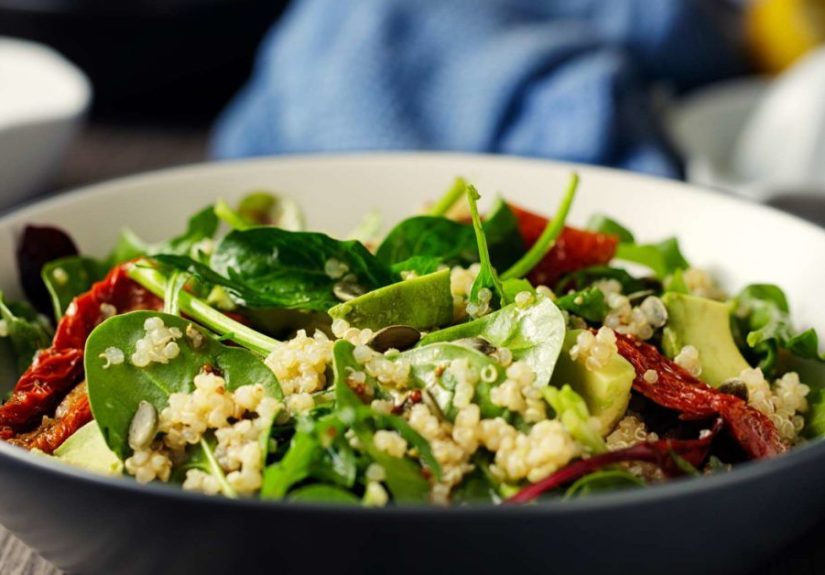
Choose a fiber-forward meal such as a lentil soup, quinoa bowl, turkey and avocado sandwich on whole-grain bread, or a salad with chickpeas. Add a piece of fruit, such as an apple or orange.
Afternoon
Sip water regularly. Snack on nuts, fruit, carrots with hummus, or whole-grain crackers. If you are increasing fiber, do it gradually rather than stacking every high-fiber food into one heroic but risky afternoon.
Dinner
Build a balanced plate: vegetables, a whole grain such as brown rice or farro, a protein source, and healthy fat. After dinner, take a gentle walk. Your digestive system appreciates movement more than a dramatic couch collapse.
Foods That Support Natural Colon Cleansing
The best homemade colon cleanser is usually found in the grocery aisle, not in a scary bottle with lightning bolts on the label. Helpful foods include oats, beans, lentils, berries, prunes, pears, apples with the skin, chia seeds, flaxseed, leafy greens, sweet potatoes, brown rice, quinoa, yogurt with live cultures, and fermented foods such as kefir or sauerkraut if tolerated.
These foods work because they support stool bulk, hydration, gut bacteria, and bowel regularity. They also provide vitamins, minerals, antioxidants, and energy. A harsh cleanse may leave you running to the bathroom. A food-based routine helps you build a digestive system that behaves better over time.
What to Avoid in a Homemade Colon Cleanser
Avoid saltwater flushes, coffee enemas, hydrogen peroxide enemas, extreme juice cleanses, high-dose stimulant laxatives, and “detox teas” that cause intense diarrhea. Also avoid any method that promises rapid weight loss, toxin removal, glowing skin overnight, or “years of waste” leaving the body. That kind of marketing usually deserves a raised eyebrow and a closed browser tab.
If a product makes your body panic, it is not wellness. It is a gastrointestinal fire drill.
When a Colon Cleanser Is Not Enough
Sometimes constipation or digestive changes need medical care. See a healthcare professional if symptoms last more than a couple of weeks, keep returning, or come with pain, bleeding, fever, vomiting, unexplained weight loss, anemia, or a feeling that you cannot fully empty your bowel. Adults around screening age should also follow colorectal cancer screening recommendations based on age, risk factors, and medical history.
Home routines can support daily wellness, but they should not replace diagnosis or treatment. Your bathroom habits can tell you useful things about your health. Listen to them without turning every rumble into a crisis.
Common Mistakes People Make With Homemade Colon Cleansers
Using too much too soon
Whether it is fiber, prune juice, magnesium, or herbal tea, more is not always better. Start small. Digestive comfort comes from consistency, not chaos.
Forgetting water
Fiber without enough fluid can make constipation worse. If you increase fiber, increase fluids too. Think of fiber as a sponge: it works better when it has moisture to hold.
Believing “detox” claims
Your body already removes waste through normal digestion, urination, sweating, breathing, and liver and kidney function. A homemade colon cleanser should support those systems, not pretend to replace them.
Ignoring symptoms
If your bowel habits suddenly change or you see blood, do not try to “cleanse it away.” Get checked. A professional evaluation is much better than guessing with a smoothie.
Experience Notes: What People Often Learn When Trying a Safer Homemade Colon Cleanser
Many people start looking for a homemade colon cleanser after a few uncomfortable days of bloating or constipation. The first experience is often emotional as much as physical. You feel heavy, your jeans have developed an attitude, and every wellness influencer online seems to be holding a green drink with suspicious confidence. The temptation is to choose the fastest fix. But the people who do best usually learn that the gentle route is more reliable.
A common experience is that breakfast matters more than expected. Someone who normally skips breakfast and survives on coffee may notice better regularity after adding oatmeal, fruit, and water in the morning. It is not glamorous, but digestion is rarely impressed by glamour. It likes routines. It likes moisture. It likes fiber. Basically, your colon is a sensible grandparent.
Another frequent lesson is that fiber can be both a hero and a prankster. Add a moderate amount and it helps. Add a mountain of beans, bran, chia seeds, raw broccoli, and apples in one day, and your gut may inflate like a parade balloon. The better approach is gradual. One extra fiber-rich food today. Another next week. Let your gut bacteria adapt instead of throwing them a surprise party with 300 guests.
People also learn that movement works quietly. A short walk after meals may not feel like a “cleanse,” but it can help reduce sluggishness. This is especially true for people who sit most of the day. The digestive tract is muscular, and the body responds to motion. A calm walk can be more useful than a dramatic detox drink with twelve ingredients and one questionable promise.
Hydration is another eye-opener. Some people believe they drink enough water because they carry a bottle everywhere, but the bottle is mostly a fashion accessory unless it actually gets emptied. When fiber increases and fluids improve, stools often become easier to pass. Clear soups, water-rich fruits, and herbal teas can also contribute to fluid intake.
The biggest experience-based takeaway is that a homemade colon cleanser should make life calmer, not more urgent. If a routine causes cramps, diarrhea, dizziness, weakness, or bathroom emergencies, it is not a good routine. A safer plan feels boring in the best possible way: regular meals, regular water, regular movement, regular bathroom time. Digestive wellness is not always dramatic. Sometimes it is just a bowl of oatmeal doing honest work.
Finally, people often discover that stress and sleep affect digestion. A tense week, poor sleep, travel, schedule changes, or ignoring bathroom urges can disrupt regularity. That means a good colon-support plan is not only about food. It is also about giving your body predictable rhythms. Your colon is not asking for a luxury retreat. It is asking for breakfast, water, a walk, and maybe five minutes where nobody is knocking on the bathroom door.
Conclusion
A homemade colon cleanser does not need to be extreme, expensive, or suspiciously neon. The safest and most effective approach is to support your body’s natural elimination process with fiber-rich foods, adequate fluids, regular movement, consistent bathroom habits, and smart medical awareness. Avoid harsh cleanses, risky enemas, saltwater flushes, and detox products that promise miracles. Your colon is already built to do the job. Your role is to give it the right working conditions.
If you want better digestive regularity, start with one small change today: drink water in the morning, add fiber to breakfast, take a walk after dinner, or stop ignoring bathroom urges. Tiny habits may not look dramatic on social media, but they are exactly the kind of boring magic your digestive system understands.