Table of Contents >> Show >> Hide
- First, what exactly is an RA flare?
- Your two-minute flare reset
- 1) Treat inflammation like the main character (because it is)
- 2) Heat vs. cold: pick the right tool for the right pain
- 3) Rest… but not the “become furniture” kind
- 4) Gentle movement: your joints need it, even when they complain
- 5) Splints, braces, and joint protection: reduce pain by reducing the work
- 6) Sleep: the underrated pain medication
- 7) Stress management: not fluffy, actually physical
- 8) Food and hydration: steady the basics
- 9) Track your flare patterns (without turning it into homework)
- 10) Know when to call your rheumatology team
- Putting it all together: a realistic “flare toolkit”
- Conclusion: your flare doesn’t get to be the boss
- Real-World Experiences: What People Learn During RA Flares (and Wish They Knew Sooner)
A rheumatoid arthritis (RA) flare can feel like your joints suddenly unionized and voted “nope” on everything: opening jars, walking stairs, typing, even turning a doorknob. Pain ramps up, stiffness gets dramatic, and fatigue shows up like an uninvited houseguest who ate your groceries and changed your Wi-Fi password.
The good news: you can do a lotright nowto calm the storm and protect your joints while the flare passes. The even better news: flare management doesn’t have to be perfect to be effective. Small, smart moves stack up fast.
This guide walks through practical, evidence-based ways to manage rheumatoid arthritis pain during a flare, including medication conversations to have, self-care strategies that actually help, and a realistic “flare plan” you can use when your body is running on low battery.
First, what exactly is an RA flare?
An RA flare is a period when symptoms temporarily worsenmore joint pain, swelling, warmth, stiffness, and often a heavy dose of fatigue. Some people notice flares after triggers like stress, poor sleep, illness, overdoing activity, or skipping recovery time. Sometimes, a flare just shows up anyway, because RA enjoys being unpredictable.
During a flare, your goal isn’t to “push through” (RA loves that plan… because it usually backfires). Your goal is to reduce inflammation, manage pain, keep joints gently moving, and prevent the flare from turning into a full-body hostage situation.
Your two-minute flare reset
When you feel a flare building, do this quick reset before you start negotiating with your joints:
- Pause and rate it: Pain 1–10, stiffness, swelling, fatigue, and what joints are involved.
- Reduce load: Stop the “extra credit” activity (the heavy lifting, the marathon cleaning, the heroic errands).
- Choose one relief tool: heat, cold, a short walk, or a rest breakjust one, right now.
- Check your meds plan: Are you taking your RA meds as prescribed? Any rescue plan your clinician gave you?
That tiny pause can prevent the classic flare mistake: trying to “win the day” and losing the week.
1) Treat inflammation like the main character (because it is)
RA pain during a flare is often driven by inflammation. Pain relief matters, but inflammation control is what helps protect joints and shorten flare length over time.
Stay consistent with your disease-control meds
If you take DMARDs (disease-modifying antirheumatic drugs), biologics, or targeted therapies, consistency is keyeven when you feel lousy. These meds are designed to control the underlying disease process, not just mask symptoms. If you’re struggling with side effects, affordability, or remembering doses, that’s not a personal failurethose are solvable problems to discuss with your rheumatology team.
Ask about a “flare plan” medication strategy
Many people with RA have a clinician-approved plan for flares. Depending on your history and risks, it may include:
- Short-term anti-inflammatories (sometimes an NSAID if appropriate for you)
- A short steroid course (oral or injection) in select cases
- Temporary adjustments to therapy if flares are frequent or severe
Important: steroids can work quickly for inflammation, but they aren’t “free candy.” They can raise infection risk and cause other side effectsso the safest approach is the lowest effective dose for the shortest time, guided by a clinician.
Safety note: If you have fever, a single joint that’s red/hot/swollen in a new way, severe symptoms you’ve never had before, or you feel seriously unwellcontact urgent care or emergency services. Infections can mimic flares, and people on immune-modifying meds may not mount typical symptoms.
2) Heat vs. cold: pick the right tool for the right pain
Heat and cold are low-tech, high-value flare tools. The trick is using them strategically.
Use heat for stiffness and “rusty hinge” joints
Heat helps relax tight muscles, reduce that “I’m made of concrete” feeling, and make movement easierespecially in the morning. Try:
- Warm shower or bath
- Heating pad (use a protective layer so you don’t burn skin)
- Warm compress on stiff joints
Use cold for swelling and sharp, inflamed pain
Cold therapy can numb pain and reduce swellingespecially when a joint feels hot, puffy, and angry. Try:
- Ice pack wrapped in a towel
- Bag of frozen peas (classic for a reason)
- Cold gel pack
Keep sessions short (think 10–20 minutes), and don’t put extreme temperatures directly on skin. If you’re not sure which is better, use your symptoms as your guide: stiffness likes heat; swelling likes cold.
3) Rest… but not the “become furniture” kind
During a flare, rest is helpfulup to a point. Resting a very inflamed joint can reduce pain and irritation. But too much inactivity can increase stiffness, weaken muscles, and make it harder to return to normal function.
Try “relative rest”
Relative rest means you protect painful joints and reduce load, while still keeping the body gently moving. Examples:
- Swap heavy chores for light tasks or postpone them
- Take shorter steps, use railings, and avoid gripping hard
- Use assistive devices temporarily (jar openers, reachers, ergonomic tools)
Use pacing like it’s a superpower
Pacing is the art of doing less than you think you can doon purposeso your body doesn’t send a painful invoice tomorrow. A simple approach:
- Break tasks into chunks (5–15 minutes)
- Schedule micro-breaks before pain spikes
- Alternate physical tasks with seated tasks
- Stop while you still feel “okay” (this part is unfair, but effective)
4) Gentle movement: your joints need it, even when they complain
When you’re flaring, intense exercise may be a no. But gentle movement is often a yesbecause it helps reduce stiffness, supports circulation, and keeps muscles from deconditioning.
Choose “low-drama” movement
Pick activities that are kind to joints:
- Short, easy walks (even 5 minutes counts)
- Range-of-motion stretches
- Gentle yoga or tai chi (modified, slow, and pain-aware)
- Water exercise if accessible (buoyancy is basically joint vacation)
A practical rule: movement should feel like “loosened up a bit,” not “I regret everything.” If a specific joint is very hot and swollen, skip loading it and focus on adjacent joints or non-weight-bearing motion.
5) Splints, braces, and joint protection: reduce pain by reducing the work
During a flare, inflamed joints don’t just hurtthey become less stable and more vulnerable to strain. Support devices can lower pain by lowering mechanical stress.
When support devices can help
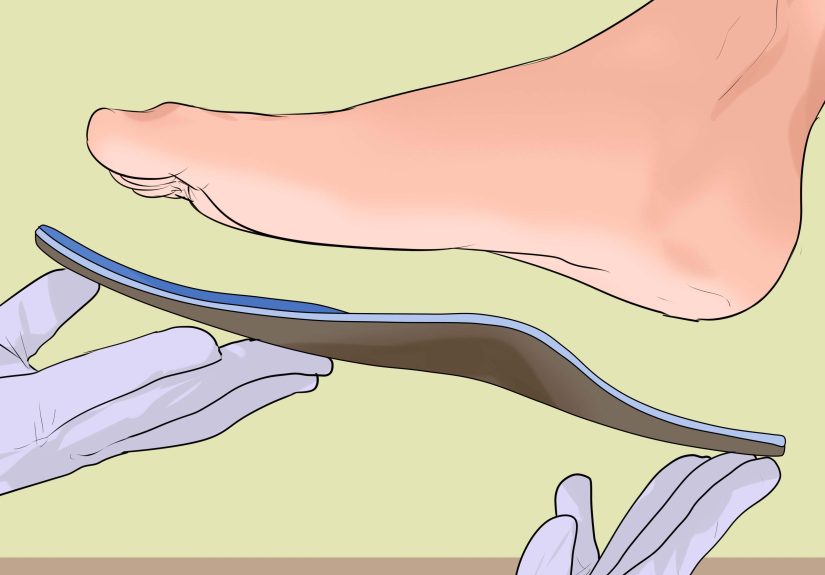
- Wrist braces for typing, lifting, or repetitive tasks
- Finger or ring splints to improve alignment and reduce joint strain
- Compression gloves for swelling and comfort (some people love them; others don’tno wrong answer)
Occupational therapy can be a game-changer here. An OT can help you pick the right support, fit it correctly, and teach joint-protection strategies so your hands aren’t doing Olympic-level work for everyday tasks.
Joint-protection swaps that make flare life easier
- Use two hands to lift instead of one
- Carry bags on forearms or use a crossbody strap
- Use larger joints (shoulder/forearm) instead of gripping with fingers
- Choose tools with thick, cushioned handles
- Slide objects across counters instead of lifting
6) Sleep: the underrated pain medication
Pain messes with sleep, and poor sleep increases pain sensitivity and fatigue. During a flare, sleep becomes both a symptom and a strategy.
Build a flare-friendly sleep routine
- Keep a consistent bedtime and wake time (even on weekends)
- Do a 15–20 minute wind-down: warm shower, gentle stretching, or breathing exercises
- Use pillows to support joints (knees, wrists, shoulderswhatever needs it)
- Keep the room cool, dark, and quiet
If pain is waking you repeatedly, that’s useful information for your clinician. It may signal that your flare plan needs tweakingnot that you need to “try harder.”
7) Stress management: not fluffy, actually physical
Stress can amplify inflammation and pain perception. During a flare, your nervous system is already on high alert. Calming it down can reduce the “everything hurts” intensity.
Quick stress resets that pair well with flare reality
- Box breathing: inhale 4 seconds, hold 4, exhale 4, hold 4 (repeat 4 times)
- Progressive muscle relaxation: gently tense and release muscle groups (avoid tensing painful joints)
- Mindfulness mini-session: 3 minutes focusing on breath or sound
- Low-effort joy: a funny show, a call with a friend, music that makes you feel human again
If flares make you feel isolated or down, you’re not being “dramatic”you’re responding to pain and limits. Consider support groups, counseling, or talking with your care team about mental health support as part of RA care.
8) Food and hydration: steady the basics
No single food “cures” RA, but during a flare, your body benefits from stable blood sugar, hydration, and nutrient-dense meals that don’t add extra inflammation baggage.
A flare-friendly plate (simple version)
- Protein: eggs, yogurt, beans, chicken, fish, tofu
- Colorful plants: berries, leafy greens, peppers, tomatoes
- Healthy fats: olive oil, avocado, nuts, seeds
- Fiber carbs: oats, brown rice, quinoa, whole grains (as tolerated)
Many people do well with a Mediterranean-style pattern: lots of plants, fish, olive oil, and fewer ultra-processed foods. During a flare, convenience mattersfrozen vegetables, pre-cut produce, rotisserie chicken, and simple soups are legitimate strategies, not “cheating.”
9) Track your flare patterns (without turning it into homework)
Flares can feel random, but patterns sometimes emerge. A lightweight tracker can help you and your clinician make smarter decisions.
What to track (pick 3–5, not 27)
- Pain level and where
- Morning stiffness length
- Fatigue level
- Sleep quality
- Possible triggers (stress, illness, weather shifts, overactivity)
The point isn’t to control everything. The point is to recognize what reliably makes you worseand what helps you recover faster.
10) Know when to call your rheumatology team
Self-care can help, but some flares need medical supportespecially if they’re frequent, severe, or changing. Contact your clinician if:
- Your flare isn’t improving after a few days of your usual strategies
- You have major swelling, new joint involvement, or a big change in function
- You’re missing work/school or basic daily tasks because of pain
- You think medication isn’t working as well as it used to
- You develop fever, feel very ill, or suspect infection
A flare can be a signal that your overall disease control needs adjustment. Catching that early can reduce long-term joint damage and improve quality of life.
Putting it all together: a realistic “flare toolkit”
You don’t need a Pinterest-perfect self-care routine. You need a toolkit you’ll actually use when you feel awful.
Flare toolkit essentials
- Heat pack and/or cold pack
- Support brace or splint (if recommended)
- Easy meals (freezer options, soups, protein snacks)
- Hydration plan (water bottle you like, herbal tea)
- Comfort setup (pillows, blankets, chargers nearby)
- A short movement routine (3–5 gentle stretches)
- Your clinician’s guidance on meds and “when to call”
The best flare toolkit is the one that keeps you safe, reduces pain, and helps you bounce back. Bonus points if it includes something that makes you laughbecause rage-cleaning your kitchen at 2 a.m. is not the kind of “movement” we’re aiming for.
Conclusion: your flare doesn’t get to be the boss
Managing rheumatoid arthritis pain during a flare is part strategy, part self-compassion, and part stubborn practicality. Focus on inflammation control with your care team, use heat and cold wisely, pace activities like a pro, keep gentle movement in the mix, protect your joints with supports and smarter mechanics, and prioritize sleep and stress reduction as real medical toolsnot optional extras.
Most importantly: flares are information, not a moral judgment. A flare doesn’t mean you “failed.” It means your body is asking for a different plan today than it did last weekand you’re allowed to listen.
Real-World Experiences: What People Learn During RA Flares (and Wish They Knew Sooner)
If you ask people living with RA what a flare is like, you’ll hear stories that sound different on the surface but share the same theme: the body gets louder, and the margin for error gets smaller. Many people say the earliest flare sign isn’t always a dramatic swollen jointit’s a subtle shift. Maybe their rings feel tight, their hands feel clumsy, or they wake up already tired, like they ran a marathon in their sleep. Others notice “extra” pain after normal activity: carrying groceries, standing in line, typing for an hour, or cleaning the house. The pattern becomes familiar: do what used to be fine, then pay for it later.
A common learning curve is the difference between “rest” and “recovery.” People often start by doing total shutdown: cancel everything, lie still, and hope it passes. That can help for a day, especially if a joint is very inflamed. But many learnsometimes the hard waythat too much stillness makes joints stiffer and muscles weaker. The more useful approach tends to be relative rest: reduce load, protect the worst joints, and sprinkle in gentle movement. Some describe it like keeping a door from rusting shut. A short walk to the mailbox, a few range-of-motion movements, or warm water therapy becomes less about fitness and more about maintaining function.
People also talk about the mental tug-of-war: “I feel a little better, so I’ll catch up on everything!” That’s where pacing becomes the unsung hero. Many flare veterans learn to stop while they still feel okaynot because they’re lazy, but because they’re playing the long game. A classic example is housework: instead of cleaning the whole kitchen, they do one small section, sit down, then decide what’s next. Another example is errands: they plan one trip, not five, and they build in recovery time afterward. It’s not glamorous, but it reduces the “boom-and-bust” cycle that can keep flares hanging around longer.
Heat and cold therapy often shows up in real-life coping stories because it’s immediate, affordable, and surprisingly powerful. Many people swear by heat in the morningwarm showers, heating pads, or just holding a hot mug like it’s a tiny space heater for their hands. Others prefer cold packs for a hot, swollen joint that feels like it’s “throbbing with its own personality.” Some people experiment and end up alternating: heat to loosen stiffness, cold to reduce swelling, then heat again before gentle movement. The biggest “aha” is that the right temperature tool can make daily tasks possible when pain would otherwise shut them down.
Another experience many share: the emotional weight of flares is real. Pain can make people irritable, withdrawn, or unusually sensitive. Fatigue can feel like brain fogforgetting words, losing concentration, feeling slower than usual. Many learn to treat emotional support as part of flare care, not a side quest. They text a friend, ask family for practical help, or join an online community where nobody needs an explanation for why opening a jar is a big deal today. Some people build a “flare script” for work or school: a short message like, “I’m having an RA flare and may need flexible timing today,” so they don’t have to reinvent the conversation when they feel awful.
Finally, many people say the turning point is having a clear flare plan with their clinician. Not just “take your meds,” but a specific roadmap: what’s safe to try at home, how long to wait, what symptoms mean “call us,” and how to adjust daily life without guilt. Over time, the experience becomes less panic and more process. Flares still happen. They’re still frustrating. But with a plan, the flare stops being the bossand becomes a problem you know how to manage, one realistic step at a time.