Table of Contents >> Show >> Hide
- What Are Tabletop Mini Vases?
- Why Mini Vases Work So Well on Tabletops
- Choosing the Right Mini Vases for Your Tabletop
- How to Style Mini Vases Like a Designer
- Best Flowers and Fillers for Mini Vases
- Mini Vase Ideas by Room
- Seasonal Styling Ideas for Tabletop Mini Vases
- How to Care for Flowers in Mini Vases
- Creative Uses Beyond Fresh Flowers
- Common Mistakes to Avoid
- Budget-Friendly Mini Vase Styling Tips
- Experience Notes: Living with Tabletop Mini Vases
- Conclusion
Mini vases are proof that home decor does not need to arrive wearing a cape, carrying a ladder, or requiring a weekend-long furniture assembly session. Sometimes, the smallest object on the table is the one that makes the whole room feel intentional. A tiny glass bud vase with one tulip. A ceramic mini vase holding a sprig of rosemary. A cluster of mismatched small vases marching down a dining table like a charming little parade. That is the magic of tabletop mini vases: they are easy, affordable, flexible, and surprisingly powerful.
Whether you call them mini vases, bud vases, small flower vases, or tabletop vases, these petite pieces can soften a room, add seasonal color, and make everyday surfaces feel styled instead of simply occupied by mail, keys, and that mysterious receipt you keep meaning to throw away. They work on dining tables, coffee tables, nightstands, bathroom counters, entry consoles, bookshelves, desks, and kitchen islands. In other words, if it is flat and visible, a mini vase is probably ready to move in.
This guide explores how to choose, style, arrange, and care for tabletop mini vases with practical examples, design analysis, and real-life ideas you can actually use. No floral-design degree required. Just a little curiosity, a few stems, and maybe the courage to admit that a single daisy can be a centerpiece if it has enough confidence.
What Are Tabletop Mini Vases?
Tabletop mini vases are small decorative vessels designed to hold one or a few stems, dried botanicals, branches, or simply stand alone as sculptural objects. Many are only a few inches tall, which makes them ideal for places where a large floral arrangement would feel dramatic in the wrong waylike a dining table where guests must lean sideways to make eye contact.
Unlike tall statement vases, mini vases are about intimacy and detail. They invite people to look closer. A single ranunculus, a tiny fern frond, or a clipped herb stem becomes noticeable when placed in the right small vessel. Instead of shouting, mini vases whisper, “Yes, this table was styled by someone with tasteand possibly excellent snacks.”
Why Mini Vases Work So Well on Tabletops
They Keep Conversation Open
One of the biggest advantages of tabletop mini vases is their low profile. On a dining table, a low arrangement allows people to talk across the table without dodging a jungle of roses. This makes mini vase centerpieces especially useful for dinner parties, holiday meals, brunches, weddings, and everyday family dinners.
They Make Small Spaces Feel Decorated
In apartments, condos, dorm rooms, and compact homes, oversized decor can quickly overwhelm a surface. Mini vases give you the pleasure of decorating without sacrificing usable space. A two-inch ceramic bud vase on a nightstand leaves room for a book, lamp, water glass, and whatever optimistic skincare product you bought at midnight.
They Stretch a Bouquet Further
A full bouquet can be divided into several mini vases, creating multiple decorative moments around the home. One bunch of grocery-store flowers can become a dining table centerpiece, a bathroom accent, a bedside bloom, and a cheerful kitchen windowsill arrangement. That is not just decorating; that is floral budgeting with flair.
Choosing the Right Mini Vases for Your Tabletop
Consider Shape First
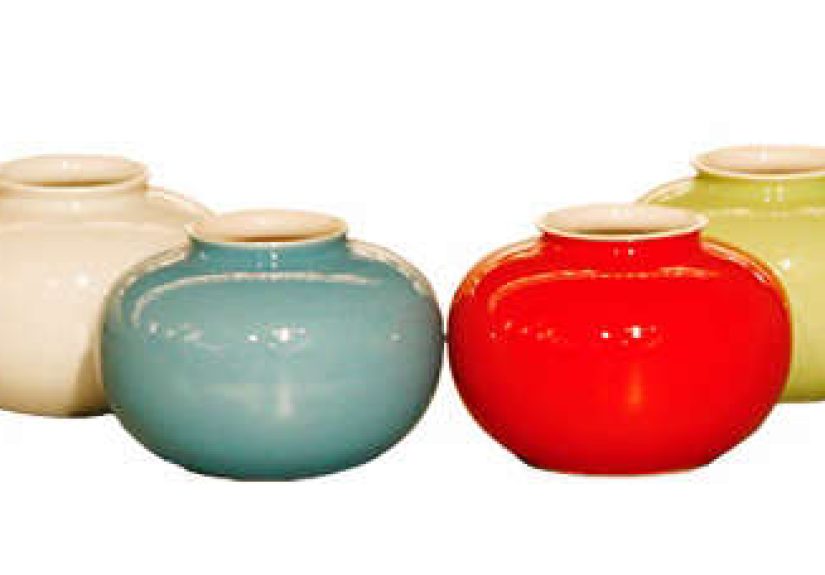
The shape of a mini vase affects what it can hold and how it looks on a tabletop. A narrow-neck bud vase supports a single stem beautifully. A round or bulb-shaped mini vase feels soft and organic. A square or cylindrical vase gives a cleaner, modern look. A bottle-shaped vase adds vintage charm, especially in clear, amber, or smoky glass.
If you enjoy changing arrangements often, build a small collection with different openings. Narrow openings are best for single stems; wider openings can handle small bunches; tiny amphora-style vases look beautiful even when empty.
Choose Materials That Match Your Mood
Glass mini vases feel light, airy, and classic. Ceramic vases add warmth and handmade texture. Porcelain looks polished and delicate. Stoneware feels earthy and relaxed. Metal bud vases can add shine or contrast, especially on a modern tabletop. Colored glass is excellent for adding personality even before flowers enter the chat.
A good tabletop mini vase collection does not have to match perfectly. In fact, mixed materials often look more natural and collected. Try pairing clear glass with white ceramic, or amber glass with matte stoneware. The key is to create a common thread, such as similar colors, repeated shapes, or a consistent seasonal palette.
Think About Scale
Mini vases should feel balanced with the table or surface where they sit. On a small side table, one vase may be enough. On a long dining table, a row of five to seven mini vases can create rhythm without bulk. On a coffee table, a cluster of three works beautifully, especially when placed on a tray with books or candles.
How to Style Mini Vases Like a Designer
Use Odd Numbers
Groups of three, five, or seven often feel more natural than even-numbered arrangements. A trio of mini vases on a coffee table can look effortless, while five small vases down a dining table can feel elegant without becoming formal. Odd numbers help the eye move, which gives the tabletop a relaxed but intentional look.
Vary the Heights
If every vase and flower sits at the same height, the table can look flat. Mix short, medium, and slightly taller mini vases to create movement. You do not need dramatic height; even a difference of one or two inches can make the arrangement more interesting. Add taper candles, stacked books, or a small tray if you want more layering.
Repeat One Element
To keep a mixed mini vase display from looking chaotic, repeat one design element. That could be a color, flower type, material, or shape. For example, use different vase shapes but keep them all clear glass. Or use several colors of vases but fill each with white flowers. Repetition creates harmony, which is designer-speak for “this does not look like a yard sale happened on the table.”
Leave Breathing Room
Mini vases look best when they have space around them. Avoid crowding every inch of the tabletop. Negative space is not empty space; it is what allows the decor to shine. On a dining table, leave enough room for plates, serving dishes, glasses, and elbows. Elbows are underrated but important.
Best Flowers and Fillers for Mini Vases
Mini vases are perfect for single stems and small-scale botanicals. Great choices include roses, tulips, ranunculus, anemones, carnations, daisies, dahlias, lisianthus, sweet peas, cosmos, lavender, chamomile, baby’s breath, and small chrysanthemums. For greenery, try eucalyptus, fern, rosemary, mint, thyme, olive branches, ivy, or clipped garden foliage.
Dried flowers also work beautifully in tabletop mini vases. Bunny tails, dried lavender, strawflowers, preserved eucalyptus, wheat stems, and pampas grass can last for months. If you prefer low-maintenance decor, dried stems are the “set it and forget it” version of floral styling.
Mini Vase Ideas by Room
Dining Table
For a dining table, arrange several mini vases in a loose line down the center. Use one or two stems per vase and keep the flowers low enough for conversation. For a casual dinner, mix glass bottles with small ceramic vases. For a holiday table, add seasonal accents such as pinecones, citrus, herbs, or tiny ornaments around the vases.
Coffee Table
On a coffee table, place three mini vases on a tray with a stack of books and a small decorative object. This creates a styled vignette while keeping everything easy to move when you need space for snacks, board games, or the remote control that somehow travels between couch cushions like it has a passport.
Nightstand
A single mini vase on a nightstand can make a bedroom feel softer and more personal. Choose a flower with a gentle scent, such as lavender or a small rose, but avoid anything too fragrant if you are sensitive to smells while sleeping. A dried stem is also a smart choice because it will not spill water during a half-awake alarm-clock battle.
Bathroom Counter
Bathrooms are perfect for mini vases because the surfaces are usually small. A tiny vase with eucalyptus, fern, or one cheerful bloom can make the room feel more spa-like. Keep the arrangement simple and avoid placing fresh flowers too close to heat, direct sun, or heavy moisture.
Entry Table
An entry table sets the tone for the home. A cluster of mini vases can make the space feel welcoming without blocking keys, sunglasses, or mail. Try seasonal stems: tulips in spring, zinnias in summer, small branches in fall, and evergreen sprigs in winter.
Seasonal Styling Ideas for Tabletop Mini Vases
Spring
Spring is the season of cheerful stems. Fill mini vases with tulips, daffodils, ranunculus, hyacinths, or sweet peas. Use soft colors like blush, butter yellow, pale blue, and fresh green. A row of small glass bud vases on a brunch table feels light, bright, and ready for lemon cake.
Summer
Summer mini vase styling can be bold and playful. Use zinnias, cosmos, sunflowers, dahlias, herbs, or wildflowers. Try colored glass, striped linens, and fruit accents. A few mini vases mixed with citrus, rattan, bamboo, or woven placemats can make a tabletop feel relaxed and vacation-ready.
Fall
For fall, lean into texture. Use amber glass, stoneware, dried grasses, marigolds, mums, small branches, or burgundy dahlias. Add mini pumpkins, acorns, or pinecones around the vases for a harvest-table feel. Keep the palette warm: rust, gold, cream, olive, and deep plum.
Winter
Winter tabletops look beautiful with evergreen sprigs, white roses, berries, dried orange slices, eucalyptus, or bare branches. Small metallic vases can add subtle shine, while clear glass keeps the look icy and elegant. For holiday meals, mini vases are especially helpful because they decorate the table without competing with serving platters.
How to Care for Flowers in Mini Vases
Because mini vases hold less water than larger containers, fresh flowers may need extra attention. Start with a clean vase. Remove any leaves that would sit below the waterline, because submerged foliage can encourage bacteria and cloudy water. Trim stems at an angle with clean scissors or pruners before placing them in water.
Change the water every two to three days, or sooner if it looks cloudy. Recut stems when you refresh the water so the flowers can drink more easily. Keep arrangements away from direct sunlight, heating vents, strong drafts, and ripening fruit. Fruit can release ethylene gas, which may cause flowers to age faster. Mini vases are adorable, but they are not magical force fields; a little care goes a long way.
Creative Uses Beyond Fresh Flowers
Tabletop mini vases do not have to hold flowers. They can display feathers, paintbrushes, incense sticks, cocktail picks, tiny branches, paper flowers, dried seed pods, or even nothing at all. A sculptural mini vase can stand alone as a decorative object, especially if it has an unusual shape, handmade glaze, or interesting texture.
You can also repurpose small containers as mini vases. Vintage medicine bottles, perfume bottles, small pitchers, salt-and-pepper shakers, and tiny jars can all become charming tabletop vessels. This is a great way to decorate sustainably and give old objects a second life. It also gives you an excellent excuse to browse thrift stores with purpose, which sounds much more responsible than “I blacked out near the vintage glassware shelf.”
Common Mistakes to Avoid
Using Too Many Competing Colors
Mini vases are small, but a crowded color palette can still feel busy. Choose two or three main colors and repeat them across the table. If the flowers are colorful, keep the vases simple. If the vases are colorful, use quieter stems.
Forgetting Function
A tabletop still needs to work. Avoid placing mini vases where they block serving dishes, laptops, lamps, or everyday items. The best tabletop decor improves the surface without taking it hostage.
Ignoring Proportion
Flowers should feel proportional to the vase. A giant sunflower in a tiny vase may tip over, while a tiny stem in a wide vase may look lonely. Match delicate stems with narrow bud vases and fuller stems with slightly wider vessels.
Budget-Friendly Mini Vase Styling Tips
You do not need an expensive collection to create a stylish tabletop. Buy mini vases slowly, choosing pieces you genuinely like. Look for sets of bud vases, thrifted glass bottles, handmade ceramics from local markets, or small containers already in your home. Instead of buying a huge bouquet, purchase one seasonal bunch and divide it among several vases.
Garden clippings are another budget-friendly option. A small branch, a herb stem, or a flowering weedyes, some weeds are pretty when supervisedcan look intentional in the right vase. The trick is editing. One good stem often looks better than five tired ones.
Experience Notes: Living with Tabletop Mini Vases
There is something quietly satisfying about using mini vases in everyday life. They do not demand much, yet they change the mood of a room almost immediately. The first time you place a single flower in a tiny vase on your kitchen table, it can feel almost too simple. Then you notice the effect: breakfast looks nicer, the table feels cared for, and even a plain cup of coffee seems to have upgraded itself emotionally.
One of the best experiences with tabletop mini vases is how easy they make decorating feel. Large arrangements can be intimidating. You have to think about structure, height, balance, greenery, and whether the bouquet looks “romantic garden” or “I panicked at the grocery store.” Mini vases remove most of that pressure. One stem is enough. Two stems can feel generous. Three stems in a tiny vase? Practically a gala.
Mini vases also help you notice small seasonal changes. In spring, a single daffodil on a desk can make the workday feel lighter. In summer, a few wildflowers in mismatched bottles can make dinner outside feel festive. In fall, a small branch with turning leaves becomes a centerpiece. In winter, one evergreen sprig in a white ceramic vase can make a room feel calm and cozy. These little arrangements become markers of time, like tiny decorative postcards from the season.
Another practical experience: mini vases are excellent for imperfect flowers. When a bouquet starts fading, the whole arrangement may look tired, but a few surviving stems can still shine. Trim them shorter, place them in small vases, and suddenly the bouquet gets a second act. This is especially useful with roses, carnations, mums, and greenery. It feels thrifty, creative, and slightly heroic, like rescuing the last good cookie from a party tray.
They are also wonderful for hosting. A row of mini vases down the center of a table feels welcoming without being fussy. Guests can still see each other, serving plates can still fit, and the table looks polished even if the meal is takeout transferred into real bowls. Mini vases create atmosphere without asking whether you hand-folded the napkins.
Perhaps the biggest lesson from living with tabletop mini vases is that decorating does not always need to be grand to be meaningful. Small details can create comfort, rhythm, and personality. A mini vase on a bathroom counter says, “Someone thought about this space.” A bud vase on a bedside table says, “Rest matters.” A tiny vase on a desk says, “Yes, emails exist, but so do flowers.” That is the charm of mini vases: they make ordinary surfaces feel a little more human.
Conclusion
Tabletop mini vases are small decor pieces with big styling potential. They can make a dining table more inviting, a coffee table more polished, a bedroom more personal, and a bathroom more charming. Their beauty lies in flexibility: they work with fresh flowers, dried stems, garden clippings, branches, herbs, and even as empty sculptural accents.
For the best results, choose mini vases with varied shapes, mix materials thoughtfully, keep arrangements low and conversation-friendly, and care for fresh stems with clean water and regular trimming. Whether you prefer vintage glass, handmade ceramic, modern porcelain, or thrifted bottles, tabletop mini vases offer an easy way to refresh your home without redecorating the entire room. Tiny vase, major personality. That is a design win.