Table of Contents >> Show >> Hide
- Is there a specific bladder cancer diet?
- Foods to include in a bladder cancer diet
- Foods to avoid or limit with bladder cancer
- How to eat during treatment when your body changes the rules
- A simple one-day bladder cancer diet example
- Real-world experiences: what many people notice when changing their diet
- Final thoughts
When people hear the words bladder cancer, one of the first questions that pops up is surprisingly practical: “Okay, so what should I eat now?” That is a fair question. Food cannot perform magic tricks, replace treatment, or karate-chop cancer cells on its own. But the right bladder cancer diet can help support hydration, maintain strength, ease treatment side effects, and make daily life feel a little less chaotic.
Here is the honest version: there is no one perfect, universal menu for everyone with bladder cancer. Your best diet depends on where you are in treatment, whether you are dealing with surgery, chemotherapy, radiation, appetite loss, diarrhea, constipation, or bladder irritation, and how your body reacts to specific foods. Still, there are clear patterns that show up again and again. In general, the best approach is a nutrient-dense eating plan built around fluids, lean protein, fruits, vegetables, beans, nuts, and whole grains, with smart adjustments when symptoms flare.
Think of it this way: your bladder may be going through a rough season, and it has opinions. Some days it wants gentle foods and a calm routine. Other days it can handle a bigger salad and a stronger cup of tea. Learning the difference is part science, part patience, and part detective work with a grocery list.
Is there a specific bladder cancer diet?
Not exactly. There is no single medically approved “bladder cancer meal plan” that works for every patient. Instead, most experts recommend a healthy eating pattern that supports overall cancer care: plenty of plant foods, enough protein to protect muscle, adequate calories to prevent unwanted weight loss, and enough fluids to avoid dehydration.
That said, bladder cancer adds one extra wrinkle: some foods and drinks can irritate the bladder or worsen urinary symptoms. So while one person may do just fine with tomatoes, coffee, and sparkling water, another person may feel like their bladder is staging a dramatic protest march after lunch. That is why a good bladder cancer diet is not only about “healthy foods.” It is also about tolerable foods.
Foods to include in a bladder cancer diet
1. Water and other hydrating fluids
Hydration matters more than many people realize. Drinking enough fluids helps dilute urine, may reduce bladder discomfort for some people, and supports overall health during treatment. If plain water tastes boring, and yes, sometimes it tastes like emotional disappointment, try adding cucumber slices, berries, or a splash of juice.
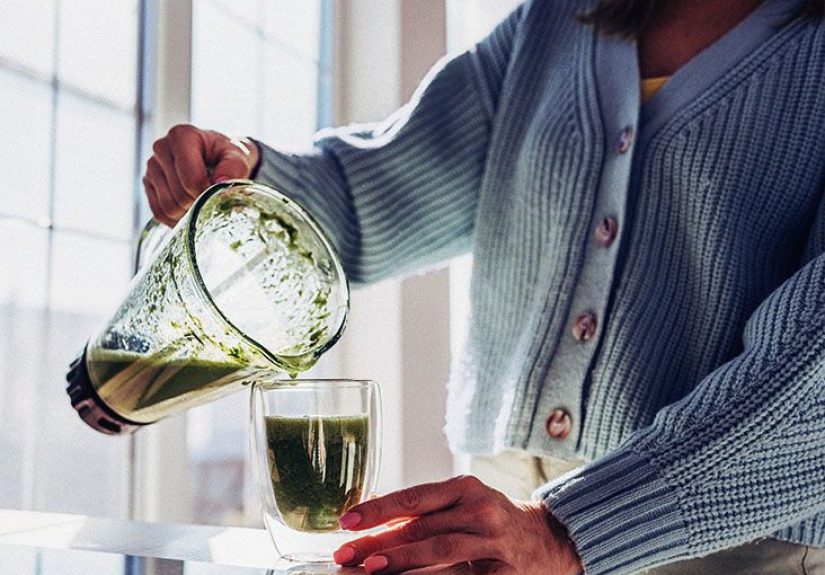
Other good hydration options may include herbal tea, broth, diluted juice, smoothies, milk, and oral nutrition drinks when eating is difficult. If you are dealing with diarrhea, vomiting, or poor intake, your care team may also recommend electrolyte-containing fluids. The goal is steady hydration, not heroic chugging.
2. Lean protein foods
Protein is a big deal during and after cancer treatment. It helps preserve muscle, supports healing, and makes it easier to maintain your weight when appetite is unpredictable. Good options include:
- Fish
- Chicken or turkey
- Eggs
- Greek yogurt
- Cottage cheese
- Milk or fortified soy milk
- Beans and lentils
- Tofu, tempeh, and edamame
- Nut butters in moderate portions
If full meals feel overwhelming, protein can be spread throughout the day. A scrambled egg at breakfast, yogurt in the afternoon, soup with chicken at dinner, and a smoothie before bed can add up nicely. When your appetite is low, “little and often” usually beats “massive healthy plate that sits untouched while you stare at it.”
3. Fruits and vegetables
Fruits and vegetables bring vitamins, minerals, fiber, and plant compounds that support general health. A colorful mix is ideal, including berries, bananas, pears, cooked carrots, spinach, squash, sweet potatoes, broccoli, cauliflower, leafy greens, and applesauce or soft fruit when chewing feels like too much work.
If your bladder feels sensitive, pay attention to your personal triggers. Citrus fruits and tomatoes bother some people, especially when urgency, frequency, or burning are already a problem. That does not mean all produce is suddenly the enemy. It just means you may need to swap an orange for a banana or tomato sauce for olive oil and herbs on rough days.
4. Whole grains, beans, nuts, and seeds
Whole grains and legumes can be excellent choices when you are tolerating them well. Oatmeal, brown rice, quinoa, whole-grain bread, lentils, black beans, chickpeas, almonds, and walnuts provide fiber and long-lasting energy. They also fit nicely into the kind of plant-forward eating pattern often recommended for cancer prevention and survivorship.
One important caveat: if treatment causes diarrhea, or if your surgeon or dietitian puts you on a temporary low-fiber diet, this is the moment to pivot. Whole grains and beans are healthy, but timing matters. A food can be good in general and still be a bad idea on a difficult day.
5. Healthy fats
Healthy fats help boost calories without requiring giant portions. That can be useful if you are losing weight or struggling to eat enough. Good options include:
- Avocado
- Olive oil
- Nuts and nut butters
- Seeds
- Fatty fish like salmon
Adding olive oil to vegetables, peanut butter to toast, or avocado to a sandwich can make meals more satisfying without making them feel heavy.
6. Gentle foods for symptom days
Some days call for the A-team of bland, easy-to-tolerate foods. When nausea, diarrhea, mouth sores, or low appetite show up, gentler options may work better, such as:
- Oatmeal or cream of rice
- Toast or crackers
- Rice
- Applesauce
- Bananas
- Mashed potatoes
- Soup
- Scrambled eggs
- Smoothies
- Yogurt if tolerated
These foods are not glamorous. No one posts a thrilling photo of plain toast and applesauce. But when your stomach is rebelling, they can be absolute heroes.
Foods to avoid or limit with bladder cancer
1. Processed meats
Processed meats are at the top of the “limit this” list. That includes bacon, sausage, deli meats, hot dogs, pepperoni, and similar cured or smoked products. These foods are consistently linked with higher cancer risk overall, and many cancer experts recommend avoiding them or saving them for very rare occasions.
This is not the section where your sandwich gets publicly shamed. It is just the section where the sandwich gets gently asked to stop being a daily habit.
2. Large amounts of red meat
Red meat does provide protein, iron, zinc, and vitamin B12, so it does not have to vanish completely for everyone. But it is wise to limit it and rotate in other protein sources more often. Lean poultry, fish, beans, tofu, and yogurt can do a lot of the heavy lifting.
3. Alcohol
Alcohol is a double issue. First, limiting alcohol is commonly recommended in cancer prevention guidance. Second, alcohol can also irritate the bladder and worsen urinary symptoms for some people. If you are in treatment, dealing with dehydration, or having bladder discomfort, alcohol usually does not do you any favors.
4. Bladder irritants that make symptoms worse
These foods and drinks do not necessarily “cause” bladder cancer, but they can aggravate bladder symptoms in some people. Common culprits include:
- Coffee and caffeinated tea
- Energy drinks
- Soda and other carbonated beverages
- Alcohol
- Tomatoes and tomato sauce
- Citrus fruits and citrus juice
- Spicy foods
- Chocolate
- Artificial sweeteners
The key phrase here is for some people. If black coffee causes urgency, scale it back. If spicy tacos make your bladder furious, consider a timeout. But if a food does not bother you, there is no need to ban it just because it appears on a list somewhere. A short food-and-symptom diary can help you spot patterns without turning meals into a guessing game.
5. Ultra-processed foods and sugar-heavy drinks
Highly processed snacks, sugary drinks, and fast foods are not ideal foundations for a bladder cancer diet. They tend to crowd out more nutritious foods and can contribute to weight gain, poor energy, and less balanced eating. This is especially important for survivorship and long-term health.
That said, context matters. If the only thing you can tolerate during a rough week is a vanilla milkshake, that does not make you a nutritional outlaw. During treatment, getting calories and fluids in may be more important than chasing dietary perfection.
6. High-dose supplements and “miracle cure” products
This is where skepticism becomes a superpower. Supplements have not been clearly proven to prevent bladder cancer from progressing or recurring, and some herbal products can interact with treatment or create safety issues. “Natural” does not automatically mean harmless. If you want to use vitamins, powders, mushroom blends, or herbal capsules, run them by your oncology team first.
How to eat during treatment when your body changes the rules
Treatment side effects can temporarily change the best diet for you. A person who normally thrives on salads, chili, and whole-grain everything may suddenly do better with soup, noodles, eggs, smoothies, and soft fruit. That is not failure. That is adaptation.
If you have low appetite
- Eat five or six smaller meals instead of three large ones
- Prioritize protein first
- Use smoothies, soups, yogurt, and nutrition drinks
- Add calorie boosters like olive oil, avocado, nut butter, or powdered milk
If you have diarrhea
- Choose softer, lower-fiber foods for a while
- Drink plenty of fluids
- Limit caffeine and alcohol
- Go easy on greasy, spicy, or very high-fiber foods
- Watch sugar alcohols such as sorbitol, xylitol, and mannitol
If you have constipation
- Drink more fluids if your team says that is appropriate
- Include fiber-rich foods when tolerated
- Try warm beverages, fruit, oats, and beans
- Stay as physically active as you can
If you have mouth sores, nausea, or swallowing trouble
- Choose cool, soft foods
- Try smoothies, yogurt, pudding, eggs, oatmeal, and soups
- Avoid harsh, acidic, or spicy foods if they sting
- Take small bites and small sips throughout the day
If you have had bladder surgery, your surgeon or dietitian may also recommend temporary changes such as smaller meals or a lower-fiber plan while your digestive system settles down. When in doubt, the best diet is the one your care team tailors to your situation.
A simple one-day bladder cancer diet example
Here is a practical day of eating for someone who wants gentle, balanced meals:
- Breakfast: Oatmeal with banana and peanut butter, plus scrambled eggs
- Snack: Greek yogurt with blueberries
- Lunch: Brown rice bowl with grilled chicken, cooked carrots, and zucchini
- Snack: Smoothie with milk or soy milk, berries, and protein-rich yogurt
- Dinner: Baked salmon, sweet potato, and green beans
- Evening snack: Whole-grain toast with almond butter or cottage cheese with pear slices
If your bladder is irritable, you can tweak the menu by skipping citrus, spicy sauces, fizzy drinks, and coffee. If you have diarrhea, swap brown rice for white rice, raw produce for cooked produce, and whole grains for gentler starches for a short period.
Real-world experiences: what many people notice when changing their diet
In real life, a bladder cancer diet rarely looks neat and Pinterest-perfect. It looks more like trial and error, a few accidental mistakes, and several moments of realizing your bladder apparently has stronger opinions than your most judgmental relative.
Many people say the first surprise is how quickly their “normal diet” stops feeling normal during treatment. Foods they used to love may suddenly taste metallic, smell overwhelming, or sit badly in the stomach. Someone who once ate giant salads without a second thought may switch to mashed potatoes, soup, eggs, and smoothies for a while. That can feel frustrating, especially for people who are trying hard to “eat healthy.” But one of the most useful lessons people learn is that nutrition during cancer is not about winning a wellness contest. It is about keeping strength up and symptoms down.
Hydration is another common challenge. Plenty of patients discover that drinking enough sounds simple until nausea, urinary urgency, or fatigue join the party. Some people do better with tiny sips all day. Others tolerate room-temperature drinks better than ice-cold ones. Some swear by broth, infused water, weak herbal tea, or smoothies when plain water feels impossible. The experience is often less “I will now drink eight perfect glasses of water” and more “I have become emotionally attached to this insulated cup.”
Bladder irritants also tend to become very personal, very fast. One person can keep their morning coffee with no problem. Another finds that coffee, soda, citrus, and tomato sauce turn urgency into an Olympic event. That is why food diaries are so helpful. People often say they stopped feeling confused once they wrote down what they ate, what they drank, and how their bladder behaved afterward. Patterns become easier to see, and meals start feeling less random.
Protein is another recurring theme in patient experience. When appetite is low, large portions of meat can feel unappealing, but yogurt, eggs, cottage cheese, smoothies, nut butter, tofu, or tender fish often go down more easily. Small wins matter. A half sandwich, a smoothie, or a bowl of soup may not seem impressive, but several small wins across a day can make a real difference in energy and recovery.
Emotionally, food can get complicated too. Friends and relatives often mean well and arrive with strong opinions, dramatic internet theories, or one miracle berry they read about at 2 a.m. Many patients eventually learn to be politely selective. The best approach is usually the boring-but-reliable one: follow evidence-based guidance, tell your team about supplements, and do not let fear push you into extreme diets that leave you exhausted and undernourished.
Over time, many people settle into a rhythm. They learn which foods feel calming, which ones are worth limiting, and when to loosen the rules a bit. They stop chasing a “perfect cancer diet” and start building a realistic one. And honestly, that is often where the biggest relief begins: not in a miracle food, but in a manageable routine that helps them feel a little stronger, a little steadier, and a little more like themselves again.
Final thoughts
The best bladder cancer diet is not a punishing list of forbidden foods. It is a flexible, practical way of eating that helps you stay hydrated, maintain muscle, get enough calories, and reduce foods that worsen symptoms. Include water, lean proteins, fruits, vegetables, beans, whole grains, and healthy fats when tolerated. Limit processed meat, go easy on alcohol, and watch for personal bladder irritants such as caffeine, carbonation, acidic foods, spicy foods, and artificial sweeteners if they trigger symptoms.
Most important, give yourself room to adjust. On good days, build a balanced plate. On rough days, choose the foods you can tolerate and come back to the rest later. And if nutrition feels complicated, ask for a registered dietitian with oncology experience. That is not overkill. That is smart strategy.