Table of Contents >> Show >> Hide
- What is bone cancer?
- Main bone cancer types
- Bone cancer symptoms to watch for
- Primary vs. secondary bone cancer
- How bone cancer is diagnosed
- Bone cancer treatments
- Can bone cancer be cured?
- Living with bone cancer
- When to see a doctor
- Experiences related to bone cancer: what people often go through
- Conclusion
Bone cancer is one of those topics that sounds scary, confusing, and just a little unfair. After all, bones are supposed to be the sturdy parts of the body. They are the scaffolding. The frame. The “I’ve got this” part of your anatomy. So when cancer starts in bone tissue, or spreads there from somewhere else, it can raise a lot of questions fast.
The good news is that understanding bone cancer gets easier once you break it down into plain English. Not all bone cancers are the same. Some start in the bone itself, which is called primary bone cancer. Others begin somewhere else, like the breast, lung, or prostate, and later spread to bone. That is called bone metastasis, and it is more common than primary bone cancer.
In this guide, we will walk through the main bone cancer types, common symptoms of bone cancer, how doctors diagnose it, treatment options, and what living with it can actually look like. We will also cover real-life experiences people often face along the way, because medical terms are helpful, but human context matters too.
What is bone cancer?
Bone cancer refers to cancer that affects bone tissue. In everyday conversation, people often use the term loosely, but medically, there is an important distinction. Primary bone cancer starts in the bone. It is rare. Secondary bone cancer, or metastatic cancer in the bone, starts elsewhere and spreads to bone later. That version is much more common.
Primary bone cancers are part of a broader family called sarcomas, which are cancers that begin in bone or soft tissues. These cancers can happen at different ages depending on the specific type. Some are more common in children and teens, while others tend to appear in adults.
Main bone cancer types
1. Osteosarcoma
Osteosarcoma is the most common primary bone cancer. It often begins in cells that help form new bone tissue. This cancer is seen most often in children, teenagers, and young adults, although it can also occur in older adults.
It usually develops near the ends of long bones, especially around the knee or upper arm. Because of that, symptoms may first seem like a sports injury, growing pains, or a random ache after a very ambitious attempt to relive high school basketball glory.
Common osteosarcoma symptoms may include:
- Bone pain near a joint
- Swelling or tenderness
- A lump or mass
- Limping or reduced movement
- A bone that breaks more easily than expected
2. Chondrosarcoma
Chondrosarcoma starts in cartilage cells and usually affects adults more often than children. It commonly appears in the pelvis, hip, shoulder, or spine. Some chondrosarcomas grow slowly, while others are more aggressive.
That variation matters because a slow-growing tumor may cause vague symptoms at first, such as pressure, dull pain, or a gradually enlarging mass. This is one reason people sometimes delay getting checked. The body whispers before it shouts.
Common chondrosarcoma symptoms may include:
- Persistent pain that may worsen over time
- A growing lump or swelling
- Pressure or discomfort in the affected area
- Problems with movement if the tumor affects a joint or spine
3. Ewing sarcoma
Ewing sarcoma is another rare bone cancer, most often found in children, teens, and young adults. It may begin in bone or in nearby soft tissue. Common sites include the pelvis, ribs, and long bones of the legs.
Ewing sarcoma can cause symptoms that overlap with infections or injuries, which sometimes complicates diagnosis early on.
Common Ewing sarcoma symptoms may include:
- Pain and swelling
- Fever
- Fatigue
- Weight loss
- A lump near the affected bone
4. Chordoma
Chordoma is a rare cancer that usually forms in the spine or at the base of the skull. It tends to grow slowly, but its location can make treatment complicated. Even a slow tumor becomes a big deal when it sets up shop in real estate this valuable.
Symptoms vary depending on location, but may include pain, nerve problems, weakness, headaches, or trouble with bowel and bladder control if the spine is involved.
5. Undifferentiated pleomorphic sarcoma of bone and other rare types
Some rare bone cancers do not fit neatly into the better-known categories. These include undifferentiated pleomorphic sarcoma of bone and several other uncommon tumors. They are rare enough that diagnosis and treatment are usually best handled by specialists who focus on sarcoma and bone cancers.
Bone cancer symptoms to watch for
Many bone cancer symptoms can look like far more ordinary problems. That is why diagnosis may take time. A sore leg after exercise? Common. A little swelling near a joint? Also common. But symptoms that linger, worsen, or seem unusual deserve medical attention.
The most common bone cancer symptoms include:
- Bone pain: Often persistent and may get worse at night or with activity
- Swelling or a lump: A visible or palpable mass near the affected bone
- Fractures: A weakened bone may break with little injury
- Reduced movement: Especially if the tumor is near a joint
- Limping: More noticeable when the leg is affected
- Fatigue or weight loss: Can happen with more advanced disease
- Fever: Sometimes seen with Ewing sarcoma
These signs do not automatically mean cancer. In fact, many people with bone pain have something much less serious. But persistent, unusual, or worsening symptoms should not be shrugged off forever.
Primary vs. secondary bone cancer
This distinction matters a lot. Primary bone cancer begins in the bone. Secondary bone cancer happens when another cancer spreads to the bone. For example, breast, prostate, and lung cancers commonly metastasize to bone.
The treatment plan depends on where the cancer started, not just where it traveled. So if breast cancer spreads to bone, doctors usually treat it as metastatic breast cancer, not as primary bone cancer. It is the cancer’s original passport, not its vacation destination, that guides therapy.
How bone cancer is diagnosed
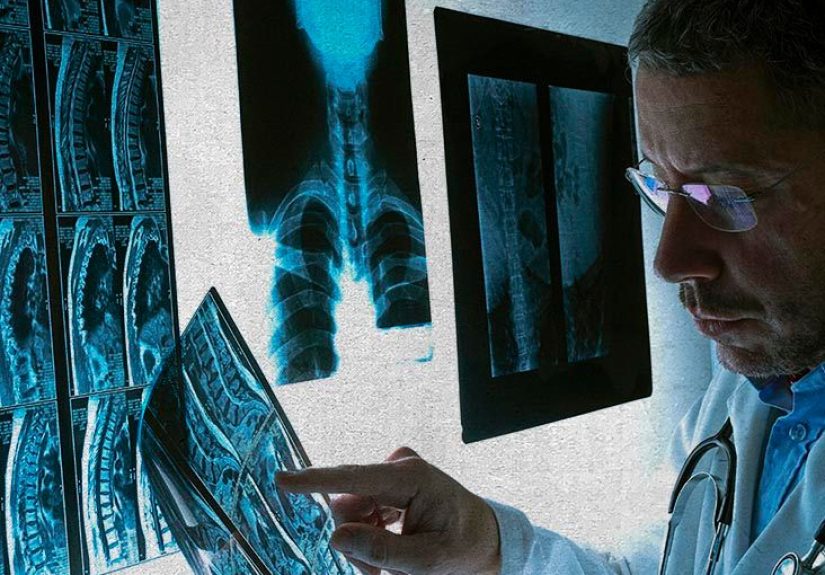
Doctors usually start with a medical history, physical exam, and imaging. If cancer is suspected, a biopsy is typically needed to confirm the diagnosis.
Common tests include:
- X-rays: Often the first imaging test
- MRI: Helps show the size and spread of the tumor in nearby tissues
- CT scan: May be used to examine bone structure or check for spread
- Bone scan or PET scan: Can help identify other affected areas
- Biopsy: A sample of tissue is removed and examined under a microscope
- Blood tests: These do not diagnose bone cancer alone but may support the overall evaluation
Biopsy planning is especially important. In bone cancer, the biopsy should ideally be performed by a team experienced in sarcoma care because the placement and technique can affect future surgery options.
Bone cancer treatments
Bone cancer treatment depends on the type of cancer, where it is located, whether it has spread, and the person’s age and overall health. Treatment often involves more than one approach.
Surgery
Surgery is often the main treatment for primary bone cancer. The goal is to remove the tumor with a margin of healthy tissue around it. When possible, surgeons use limb-sparing surgery, which removes the tumor while preserving the arm or leg.
In some cases, reconstruction may involve metal implants, bone grafts, or other orthopedic techniques. Amputation is less common than it once was, but it may still be necessary in certain situations.
Chemotherapy
Chemotherapy is commonly used for cancers such as osteosarcoma and Ewing sarcoma. It may be given before surgery to shrink the tumor and after surgery to target cancer cells that may remain.
Not all bone cancers respond the same way. For example, conventional chondrosarcoma is generally less responsive to standard chemotherapy than osteosarcoma or Ewing sarcoma.
Radiation therapy
Radiation therapy may be used when surgery is not possible, when cancer cells remain after surgery, or when a tumor type is known to respond well to radiation. It is often part of treatment for Ewing sarcoma and may also be used for symptom relief in metastatic bone disease.
Targeted therapy and newer treatments
Some bone cancers may be treated with targeted therapy or other newer approaches, especially in advanced disease or in clinical trials. Treatment is becoming more personalized as doctors learn more about genetic changes and tumor biology.
This is one reason why care at a center with sarcoma expertise can be valuable. Rare cancers often benefit from very specialized teams, second opinions, and access to clinical trials.
Can bone cancer be cured?
Sometimes, yes. Cure is more likely when primary bone cancer is found early and has not spread. Localized osteosarcoma, for example, can often be treated successfully with surgery and chemotherapy. Outcomes vary widely based on cancer type, grade, location, and stage.
When the cancer has spread, treatment may still control disease, relieve symptoms, and extend life. So while the word “cure” matters, it is not the only meaningful measure. Function, comfort, time, mobility, and quality of life matter too.
Living with bone cancer
Bone cancer affects more than scans and pathology reports. It can affect walking, working, sleeping, relationships, parenting, and mental health. Pain may interrupt rest. Appointments may crowd the calendar. Even simple things like climbing stairs or carrying groceries can suddenly feel like team sports.
Supportive care may include:
- Pain management
- Physical therapy and rehabilitation
- Nutritional support
- Mental health counseling
- Social work and financial navigation
- Peer support groups
Recovery after treatment can be a long process. Some people adapt to prosthetics. Others regain strength through rehab after limb-sparing surgery. Many learn that healing is not a straight line. It is more like a GPS recalculating every few miles.
When to see a doctor
See a healthcare professional if you or your child has:
- Bone pain that does not go away
- Night pain that keeps returning
- Swelling or a lump over a bone
- A fracture after minor injury
- Unexplained limping or loss of movement
- Persistent symptoms that do not fit the usual injury pattern
Most bone pain is not cancer. But persistent symptoms deserve answers. Getting evaluated does not mean expecting the worst. It means respecting the fact that your body may be trying to send a memo.
Experiences related to bone cancer: what people often go through
One of the most common experiences people describe is how ordinary the first symptom feels. A teenager may notice knee pain and assume it is from sports practice. A parent may think a child is dealing with a minor strain. An adult with hip pain may blame aging, exercise, or a stubborn mattress that has clearly chosen violence. Because the earliest signs can mimic everyday aches, diagnosis is not always immediate.
Another shared experience is frustration during the diagnostic process. People may visit more than one doctor, try rest, pain relievers, or physical therapy, and still not feel better. When imaging finally shows something unusual, the emotional shift can be intense. What looked like a minor injury suddenly becomes a biopsy, a referral to an oncologist, and a crash course in terminology no one asked to learn.
Families often talk about the emotional whiplash. There is fear, of course, but also confusion. Bone cancer is rare, so many patients and caregivers have never heard of osteosarcoma or chondrosarcoma before diagnosis. They may spend the first few weeks trying to understand the difference between tumor grade, stage, scan results, margins, and treatment cycles while still figuring out how to eat lunch and answer text messages like a functioning human.
During treatment, physical limitations can become a major theme. Someone who was active may suddenly need crutches, a brace, or help getting around. Fatigue from chemotherapy can make normal routines feel enormous. Stairs become strategic planning exercises. Showering becomes an achievement. Physical therapy may be both exhausting and empowering at the same time.
Pain is another deeply personal part of the experience. Some people describe a deep ache that worsens at night. Others remember sharp pain with movement or the shock of a fracture that happened with surprisingly little force. Pain can be physical, but it also becomes emotional when it disrupts sleep, independence, work, and identity.
For children and teens, bone cancer can interrupt school, friendships, sports, and milestones. Missing classes is stressful, but so is feeling different from friends. Hair loss, scars, mobility devices, and repeated hospital visits can affect confidence. Even when a young patient is medically resilient, the social and emotional load is real.
Adults may face a different set of worries. They may think about jobs, insurance, childcare, caregiving responsibilities, and whether they can continue living independently during treatment. Many people say one of the hardest parts is not the medical plan itself but the logistical avalanche around it.
Then there is recovery, which many people expect to be simple once treatment ends. It usually is not. Recovery may involve learning how to trust the body again, adjusting to physical changes, managing scan anxiety, and coping with the lingering fear of recurrence. People often say survivorship has its own emotional weather.
Still, there are hopeful experiences too. Patients often talk about the relief of finally having a diagnosis, the gratitude for a skilled care team, the strange humor that develops in infusion rooms, and the resilience they did not know they had. Some find strength in support groups. Others lean on family, faith, rehab goals, journaling, or one stubborn determination to get through the next step.
In the end, the experience of bone cancer is rarely just one story. It is many stories at once: fear and hope, pain and progress, loss and adaptation. That complexity is worth acknowledging, because behind every textbook definition is a real person trying to live a real life while navigating something very hard.
Conclusion
Bone cancer is rare, but understanding it matters. The main bone cancer types include osteosarcoma, chondrosarcoma, Ewing sarcoma, chordoma, and several other rare tumors. Symptoms often include persistent bone pain, swelling, fractures, or changes in movement. Treatment may involve surgery, chemotherapy, radiation, targeted therapy, or a combination of these approaches.
The key takeaway is simple: ongoing or unusual bone symptoms deserve medical attention, especially when they do not improve as expected. Early evaluation can make a major difference. And while a diagnosis of bone cancer can feel overwhelming, specialized treatment, supportive care, and modern multidisciplinary approaches have improved how many people are treated and supported.