Table of Contents >> Show >> Hide
- What the DBA Biodegradable Pen Actually Is
- Why a Biodegradable Office Pen Matters
- Design, Materials, and the Appeal of the DBA Pen
- The Important Truth About “Biodegradable” Claims
- How the DBA Pen Compares With Modern Eco-Friendly Pen Options
- Who Should Consider a Pen Like This?
- Potential Drawbacks and Buying Considerations
- Why the DBA Biodegradable Pen Still Feels Relevant
- Extended Experience: What Using a Biodegradable Pen Feels Like in a Real Office
- Conclusion
- SEO Tags
Note: Body-only HTML for web publishing and easy copy/paste.
Every office has a tiny environmental villain hiding in plain sight: the disposable pen. It is cheap, useful, easy to lose, and somehow always multiplying in desk drawers like office rabbits. One day you have two pens. The next day you have fourteen, and only three of them work. That mess is exactly why the DBA Biodegradable Pen still feels like such an interesting idea. It takes one of the most ordinary objects in the workplace and asks a surprisingly bold question: what if the humble office pen did less damage on its way through the world?
The DBA Biodegradable Pen was introduced as a design-forward writing tool for home and office use, but its real appeal goes beyond good looks. It helped push a bigger conversation about sustainable office supplies, greener materials, smarter packaging, and the difference between a product that is merely marketed as “eco-friendly” and one that actually makes thoughtful design choices. For companies trying to reduce plastic waste without turning the break room into a lecture hall, that matters.
This is what makes the DBA pen worth talking about today: it was an early example of an office product trying to combine aesthetics, usability, and environmental thinking in one small object. That sounds simple until you remember that pens are usually built to be tossed, not treasured. The DBA approach challenged that throwaway mindset and made the office supply closet just a little more interesting.
What the DBA Biodegradable Pen Actually Is
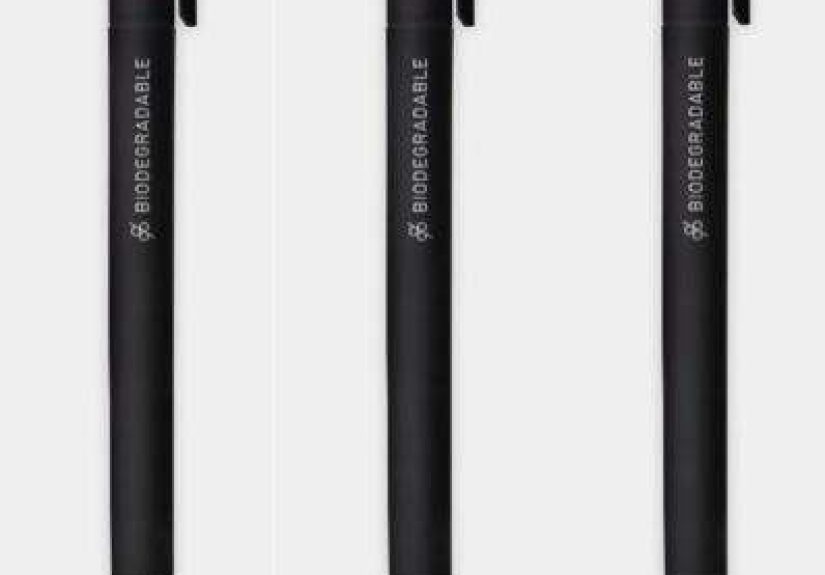
At its core, the DBA Biodegradable Pen is a disposable office pen redesigned with more environmentally conscious materials. Its claim to fame is that the pen was introduced as 98 percent biodegradable, with only the rollerball nib and tip components sitting outside that number. That alone made it stand out in a category where traditional plastic bodies, mixed materials, and hard-to-recycle parts have long been the norm.
What made the pen especially notable was the material story. The casing was described as a bio-plastic derived from potatoes rather than conventional petroleum-based plastic. The packaging was made from recycled paper and printed with vegetable-based inks. The brand also framed the manufacturing process as part of the product’s environmental value, emphasizing production in New York and a facility associated with wind-powered energy and more efficient systems.
Now, let’s pause for an important grown-up office moment: just because a pen sounds greener does not mean it gets to float above scrutiny like the teacher’s pet of stationery. Environmental claims need specifics. That is one reason the DBA pen remains interesting. It did not simply slap a leaf on the package and whisper “nature.” It pointed to materials, packaging, and manufacturing choices that people could actually discuss.
Why a Biodegradable Office Pen Matters
Some people hear “sustainable pen” and react as if they have just been invited to an extremely long seminar on cardboard. But office pens matter because they are everyday volume products. Businesses buy them in packs, schools burn through them by the box, and households stash them in mugs, drawers, cars, bags, and junk cabinets that may one day qualify for archeological protection.
That means even small improvements can add up. A pen that uses a plant-based body, recycled packaging, lower-impact inks, or cleaner manufacturing can reduce some of the footprint attached to an item people use constantly. Is one pen going to save the planet? No. Neither is one reusable shopping bag if you own seventy-three of them. But repeated choices in common categories are exactly how offices build better procurement habits.
The DBA pen also matters because it helped move sustainable office supplies from “crunchy niche object” to “stylish desk accessory.” That shift is more powerful than it sounds. People adopt greener products faster when they do not feel like a downgrade. If a pen writes well, looks sharp, and starts a conversation in a meeting, it has a much better chance of becoming normal office behavior instead of a one-time experiment from the sustainability committee.
Design, Materials, and the Appeal of the DBA Pen
A better-looking sustainable pen
The office supply market has never been short on practical pens, but it has often been short on charming ones. The DBA pen earned attention partly because it treated the pen as a design object. Clean lines, restrained styling, and a polished profile made it feel less like conference swag and more like something you might actually choose for your desk.
That design value matters in offices because people form habits around objects they enjoy using. A pen that looks good and feels intentional tends to stay on the desk longer, get treated a bit better, and spark more curiosity than a generic click pen with a cracked barrel and the emotional charisma of a paper clip.
Plant-based materials with a modern office message
The use of a potato-derived bio-plastic body gave the pen a real talking point, but it also represented a broader shift away from fossil-fuel-heavy materials in product design. For office buyers, that signals something larger than novelty. It suggests a supply chain decision. When manufacturers replace some conventional plastics with renewable or lower-impact alternatives, the product becomes part of a more thoughtful purchasing strategy.
Of course, plant-based does not automatically mean perfect. Material sourcing, durability, disposal conditions, and end-of-life reality all still matter. But as a design statement, the DBA pen helped show that bio-based materials could look refined, not rustic; modern, not homemade; useful, not experimental.
The Important Truth About “Biodegradable” Claims
Here is where we remove the halo, straighten our tie, and talk honestly. “Biodegradable” is one of those words that can sound magical if nobody asks follow-up questions. In reality, environmental claims need context. How quickly does the product break down? Under what conditions? In a backyard compost pile? In industrial processing? In a landfill? In normal disposal streams? That is a very big difference.
For office buyers and consumers, the best practice is to look for specific, qualified claims rather than broad, dreamy language. A pen can contain renewable materials, recycled content, recyclable packaging, refillable parts, or lower-impact manufacturing and still be more meaningful than a product simply labeled “green.” In fact, offices often get better sustainability results by combining several practical improvements rather than chasing one miracle material.
That is the smartest way to read the DBA pen. It is not a magic wand for office waste. It is a well-designed example of how material innovation, packaging choices, and production decisions can be pulled together in a more responsible direction. That is a real improvement, even if it does not grant the pen sainthood.
How the DBA Pen Compares With Modern Eco-Friendly Pen Options
The office pen market has evolved since the DBA pen first drew attention. Today, businesses shopping for greener pens usually fall into three camps: biodegradable options, recycled-content options, and refillable options. Each solves a different part of the waste problem.
Biodegradable pens
This is the lane where the DBA pen made its name. These products try to reduce reliance on conventional plastic by using plant-based or break-down-capable materials in the barrel or internal parts. Their appeal is obvious: less traditional plastic, a more natural materials story, and a cleaner brand image for offices that want supplies aligned with sustainability goals.
The downside is that biodegradable products can be misunderstood. Disposal conditions matter, and performance still has to be good enough for everyday use. No office manager wants a sustainability win that writes like a stubborn carrot.
Recycled-content pens
This category is now much more common in U.S. office retail. Pens made with recycled plastic or ocean-bound recycled plastic are easier to find through major brands and workplace suppliers. These products do not rely on biodegradability; instead, they reduce virgin material use by incorporating recovered content into the product.
For many offices, this is the easiest switch because the pens look familiar, perform like mainstream writing instruments, and fit standard procurement systems. If the DBA pen was an early design manifesto, today’s recycled-content pens are the practical cousins who show up on time, bring snacks, and understand the budget.
Refillable pens
If reducing waste is the main goal, refillable pens often deserve more attention than they get. They keep the outer body in service longer and cut down on whole-pen disposal. They may not sound as glamorous as biodegradable materials, but from a waste-prevention perspective, they can be a strong office choice.
That does not mean refillable always beats biodegradable in every scenario. It means the smartest office supply strategy usually asks: what gets used well, replaced less often, and discarded more responsibly? Sometimes the answer is a biodegradable pen. Sometimes it is a recycled one. Sometimes it is a refillable workhorse that refuses to quit.
Who Should Consider a Pen Like This?
The DBA Biodegradable Pen makes the most sense for offices and individuals who care about both sustainability and presentation. That includes design firms, creative studios, boutique agencies, hospitality brands, eco-conscious coworking spaces, and businesses that want even their smallest desk items to reflect their values.
It is also a smart fit for companies trying to build a greener office culture without making the effort feel preachy or performative. A pen is approachable. It is visible. It gets handled every day. When a sustainable choice appears in a small, useful object, employees notice without feeling like they are being drafted into a lifestyle overhaul before lunch.
And yes, it can work well as a branded object too. If a business wants to give away office supplies, an eco-conscious pen usually tells a more modern story than the usual plastic promo pen that lives for two weeks and dies in a hotel drawer.
Potential Drawbacks and Buying Considerations
No product deserves a free pass just because it arrives carrying a compost-adjacent vocabulary word. A pen like the DBA should still be judged on writing quality, comfort, ink flow, durability, and actual use patterns. If employees hate using it, the pen may end up wasted no matter how virtuous its materials sound.
Buyers should also think about total office behavior. Do people lose pens constantly? Do they borrow them and never return them? Does the business already have a pen recycling or collection system? Is it possible to combine biodegradable pens for guest use with refillable pens for daily staff use? Sustainable purchasing works best when it matches how people behave in the real world, not how an idealized office behaves in a catalog photo with suspiciously clean desks.
Price is another factor. Sustainable design can cost more, especially when materials, packaging, and smaller-scale production are involved. But offices should weigh that against brand value, employee perception, procurement goals, and the long-term cost of buying cheap disposable items again and again.
Why the DBA Biodegradable Pen Still Feels Relevant
The DBA Biodegradable Pen still matters because it helped articulate a standard many office products are still chasing: everyday usefulness with a materially smarter footprint. It showed that sustainability did not have to mean ugly, bulky, or joyless. It could be elegant. It could be conversation-worthy. It could even make the office supply drawer feel slightly less depressing.
More importantly, it pushed people to look beyond the pen as a disposable afterthought. Once you start asking better questions about a pen, you tend to ask better questions about notebooks, folders, packaging, shipping, cleaning supplies, break room cups, and all the other small objects that quietly define the office waste stream. The pen is not the whole sustainability story, but it is a surprisingly effective place to start writing one.
Extended Experience: What Using a Biodegradable Pen Feels Like in a Real Office
The experience of bringing a biodegradable pen like the DBA into an office is rarely dramatic. Nobody stands up in the Monday meeting and gasps, “At last, the future of stationery is here.” It is usually more subtle than that. The pen appears in a mug on the reception desk, beside a notebook in a conference room, or next to a keyboard on someone’s workspace. Then the questions start. “What pen is that?” “Why does it feel different?” “Wait, biodegradable?” That curiosity is part of the value.
In many offices, sustainable products succeed not because they deliver one giant moment, but because they create dozens of tiny moments of awareness without being annoying. A biodegradable pen can do that well. It gives people something familiar to hold, but just different enough to notice. The body may feel a little less like generic plastic. The packaging may look more minimal and intentional. The whole thing suggests that someone, somewhere, thought harder than usual about an object that most people barely think about at all.
That experience can change behavior in small but meaningful ways. People are often a little less careless with items that feel designed rather than disposable. They are more likely to keep the pen on their desk instead of tossing it into the void of communal office supplies. They may even start noticing how many dead pens are already hiding in drawers, meeting rooms, tote bags, and laptop sleeves. Suddenly the pen becomes a lens through which office waste gets easier to see.
There is also a branding effect. In client-facing settings, details matter. A biodegradable pen on a sign-in table or in a presentation folder quietly says the company pays attention. It does not scream sustainability with the volume of a trade show banner. It whispers it with better manners. For design-forward businesses, that can be exactly the right tone.
Of course, the experience is not perfect. Some employees will love the idea more than the object. Some will compare it to their favorite gel pen and become amateur stationery critics by lunch. Others will forget it in a hoodie pocket and accidentally conduct a stress test during laundry day. Real office life is messy like that. But that is also why the DBA concept remains useful. It was never just about making a greener pen. It was about proving that sustainable office products could participate in normal office life instead of sitting on the sidelines as well-meaning novelties.
Over time, a pen like this can influence purchasing conversations in a surprisingly practical way. Once a team sees that a better materials story does not automatically mean ugly design or bad writing, resistance drops. Procurement becomes less about “Should we buy sustainable products?” and more about “Which sustainable products actually fit how we work?” That is a much healthier question. It moves the office away from symbolic gestures and toward systems that make sense.
In the end, the experience of using a biodegradable pen is not really about the pen alone. It is about what the pen represents: a more thoughtful office, a more curious buyer, and a workplace that understands sustainability is built through ordinary objects used every day. Not glamorous, maybe. But definitely smarter. And in the world of office supplies, smarter is a beautiful thing.
Conclusion
The DBA Biodegradable Pen earns attention because it treats a tiny office object with unusual seriousness. It combines design, plant-based materials, recycled packaging, and a clearer environmental story than the average disposable pen ever attempts. More importantly, it invites offices to think beyond convenience and ask better questions about what they buy, use, lose, replace, and throw away.
That is why the pen still feels relevant. It is not merely a biodegradable writing tool. It is an early signal of how office products can evolve when aesthetics, functionality, and environmental thinking are allowed to share the same desk. For businesses trying to build a greener workplace without sacrificing style or usefulness, that is not a minor detail. It is the whole point.